Why Is the Intake Valve Larger Than the Exhaust Valve?
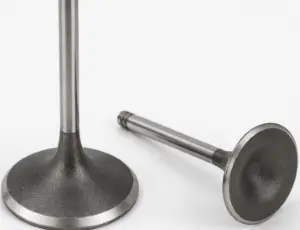
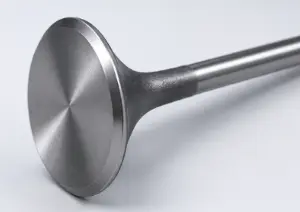
If you've ever taken a close look at a cylinder head, you've probably noticed that the intake valve is always bigger than the exhaust valve. This isn't done by accident. The size difference is because of the different physical demands on the two valves throughout the combustion cycle. The intake valve sucks in a low-pressure air-fuel combination, while the exhaust valve pushes out gases that are already pressurized. This article discusses the advantages of bigger intake valves to boost airflow, compares the size of intake and exhaust valves, and discusses how engineers adjust the size of intake valves for combustion efficiency and engine performance.
Why Does an Intake Valve Need a Larger Diameter for Better Airflow?
Knowing the mechanics of how a cylinder is filled explains the performance advantage of a bigger intake valve.
Airflow Volume and Low-Pressure Induction
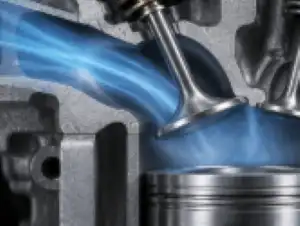
The intake stroke has the piston moving down, pulling the air-fuel combination through the intake valve, which is a relatively low-pressure situation. The intake valve has to have a wider diameter to allow a sufficient amount of air in the short period the valve is open, since this induction process depends on a very mild pressure difference. An undersized intake valve would limit the airflow, and hence lower the engine’s capacity to fill each cylinder entirely, without enough size.
Balancing Valve Size with Cylinder Head Design
Engineers also have to balance the size of the intake valve with available space in the cylinder head, since valves that are too large might compromise the construction around them or make spark plug placement problematic. A carefully proportioned intake valve increases the area available for airflow while yet allowing space for suitable cooling passageways and structural integrity for the valve seat. Intake valve size and head shape are a major concern in contemporary combustion chamber design, a balancing act.
Intake Valve vs Exhaust Valve: Key Size Differences and Performance Effects
When we compare the intake valve with the exhaust valve, we see why the varied sizes of these valves are indicative of quite different working circumstances.
Why Exhaust Valves Can Be Smaller
The exhaust valve, unlike the intake valve, uses the residual pressure in the cylinder after combustion, which forces the wasted gases out. It does not use suction. This outward pressure helps in evacuating exhaust gases. An exhaust valve does not need to be as large in diameter as an intake valve to provide good flow. This pressure-assisted purge lets engineers minimize the exhaust valve size while still keeping the engine breathing performance good.
Thermal and Mechanical Trade-offs
The intake valve is exposed to a comparatively cold entering charge, while the exhaust valve sees much greater combustion temperatures when the hot gases flow past it. This temperature difference implies that in exhaust valve design more stress is placed on heat resistance than sheer size, and frequently different metals are used than those used for the intake valve. These disparities in size and substance between intake and exhaust valves are the consequence of two opposed technical goals working together in the same combustion cycle.
How Does Intake Valve Size Influence Engine Breathing and Power Output?
The size of valves directly impacts the efficiency of the engine filling its cylinders, and thus defines the power delivery profile.
Cylinder Filling and Volumetric Efficiency
This allows more air-fuel mixture into the cylinder during each intake stroke, which enhances volumetric efficiency. The higher the volumetric efficiency, the better the burn and the more power you tend to get. This is because there is more air and fuel available for each firing event. Engineers often consider the intake valve diameter to be one of the most important levers to improve the total breathing capacity of an engine throughout its operating range.
Impact on High-RPM Power Delivery
At higher engine speeds, there is even less time for the intake valve to let air in during each cycle. Valve size is therefore especially critical for high-RPM performance applications. The bigger intake valve makes sure that you still get enough air even when the intake window becomes shorter with rising RPM. This helps preserve power as you crank higher. The link between valve size and high-speed breathing is an important factor in the design of performance engines.
Optimizing Intake Valve Size for Combustion Efficiency and Engine Performance
The correct size of an intake valve is a function of several technical factors that are unique to the application of each engine.
Matching Valve Size to Engine Application
Intake valve size techniques must be optimized for the RPM range and power objectives of passenger car engines, high-performance racing engines, and industrial powerplants. A daily driver engine could use a reasonably sized intake valve for good low-speed torque, while a racing application might benefit from a bigger intake valve set for optimum high-RPM airflow. “Matching intake valve sizes to the specific engine application ensures the best balance of efficiency and performance.”
Valve Timing and Port Design Considerations
The intake valve size does not function in isolation but along with valve timing and intake port shape to establish the overall engine breathing characteristics. Engineers typically tailor the camshaft timing and port shape for a particular intake valve size to ensure a smooth passage of air from the intake manifold to the combustion chamber. In the end, this coordination between intake valve size, intake valve timing, and intake port design affects how well an engine can convert fuel into usable power.
Conclusion
The bigger diameter of the intake valve is an intentional technical solution to the low-pressure induction process, working in conjunction with valve timing and port design to enhance combustion efficiency. Founded in 2001, China Welong has over 20 years of experience in the supply chain for industrial customized metal goods and precision-made intake valve components for automotive and industrial engine manufacturers throughout the globe. Welong is ISO 9001:2015 certified and supplies over 100 customers worldwide. We are well positioned to support your next intake valve source project with quality and engineering support you can count on.
FAQ
Q1: Why is the intake valve larger than the exhaust valve? A: The intake valve relies on low-pressure suction to draw in the air-fuel mixture, so it needs a larger diameter to admit sufficient airflow compared with the pressure-assisted exhaust valve.
Q2: Does intake valve size affect engine power output? A: Yes, a properly sized intake valve improves volumetric efficiency, allowing more air and fuel into the cylinder for stronger combustion and greater power.
Q3: How does intake valve size affect high-RPM performance? A: A larger intake valve helps maintain adequate airflow at high engine speeds, when the available intake window becomes shorter with each cycle.
Q4: What materials are commonly used for intake valves? A: Intake valves are typically made from durable steel alloys selected for strength and moderate heat resistance under the intake stroke's cooler operating conditions.
Q5: Can intake valve size be too large for an engine? A: Yes, oversized intake valves can weaken cylinder head structure or crowd other components, so engineers balance valve size against head geometry.
Partner with Welong for Precision Intake Valve Manufacturing
Looking for a reliable manufacturing partner for precision intake valve components? China Welong combines over 20 years of supply chain expertise with ISO 9001:2015 certified quality control, serving automotive and industrial engine manufacturers across the UK, Germany, the USA, and beyond. Our engineering team works from your drawings and samples using AutoCAD, Pro-Engineering, and SolidWorks to deliver components built to exact specifications. Contact us today at metal@welongpost.com to discuss your intake valve requirements and discover why global manufacturers trust Welong as their supply chain partner.
References
1. Heywood, J. B. (2018). Internal Combustion Engine Fundamentals. McGraw-Hill Education.
2. Stone, R. (2012). Introduction to Internal Combustion Engines. Palgrave Macmillan.
3. Pulkrabek, W. W. (2004). Engineering Fundamentals of the Internal Combustion Engine. Pearson Prentice Hall.
4. SAE International. (2015). Valve Train Design Manual, SAE J-Series Standards. SAE International.
5. Blair, G. P. (1999). Design and Simulation of Four-Stroke Engines. SAE International.
6. Kalpakjian, S., & Schmid, S. R. (2014). Manufacturing Engineering and Technology. Pearson.

Share your inquiry, get the quotation accordingly!
China WELONG- Your Reliable Partner in Metal Solutions