How to Choose the Right Metal Mandrel Bars for Your Mill?
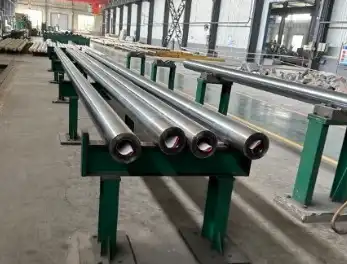
Choosing the right mandrel bar might be the difference between smooth, efficient tube production and expensive downtime due to premature wear or dimensional irregularity. Metal mandrel bars are the internal support tools during seamless tube and pipe rolling, controlling wall thickness, surface polish, and total dimensional correctness as hot metal is created around them. Mills run under severe heat, pressure, and frequent cyclic loading; thus, the improper bar material or shape may lead to quick deterioration, scale building, or bar breakage mid-production. This guide identifies the critical factors, material selection, sizing advice, and common mistakes involved in the selection of mandrel bars, arming mill operators, and purchasing specialists to make informed choices that will increase output, reduce tooling costs, and extend service life in demanding rolling environments.
What Factors Should You Consider When Selecting Metal Mandrel Bars?
Operating Temperature and Thermal Fatigue Resistance
Mandrel bars are repeatedly exposed to intense heat cycles as they pass through hot tube rolling processes, then cool during handling before returning to the mill. This constant thermal cycling places significant stress on the bar's internal structure, making thermal fatigue resistance one of the most important selection criteria. High-quality metal mandrel bars are engineered with alloy compositions that maintain dimensional stability and resist cracking under repeated heating and cooling. Operators should evaluate a supplier's heat treatment process and alloy grade carefully, since bars that lack sufficient thermal fatigue resistance tend to develop surface checking far sooner, shortening their usable service life considerably.
Compatibility With Mill Type and Rolling Process
Not every mandrel bar suits every rolling configuration. Continuous mills, plug mills, and Assel mills each apply different mechanical loads and require bars with specific length, taper, and surface hardness characteristics. Before selecting metal mandrel bars, mill operators need to confirm compatibility with their existing rolling line, including bar handling systems and cooling equipment. Choosing a bar designed specifically for the intended process reduces the risk of misalignment, uneven wear patterns, and inconsistent tube wall thickness, ultimately supporting more reliable and repeatable production runs across extended operating schedules.
Metal Mandrel Bars: Materials and Specifications for Different Mill Applications
Common Alloy Steel Grades Used in Mandrel Bar Production
Most Metal mandrel bars are manufactured from heat-resistant alloy steels containing chromium, molybdenum, and nickel, which provide the hardness and thermal stability needed to withstand mill conditions. Grades such as H13 and similar hot-work tool steels are popular choices due to their balance of toughness and wear resistance. The specific alloy selected should align with the tube material being rolled, since harder tube alloys demand correspondingly robust mandrel bar compositions. Suppliers offering a range of alloy options allow mills to match bar specifications precisely to their production requirements rather than settling for generic, one-size-fits-all tooling.
Surface Treatment and Coating Considerations
Beyond base alloy selection, surface treatments significantly influence mandrel bar longevity. Nitriding, chrome plating, and specialized coatings reduce friction between the bar and the hot tube surface, minimizing galling and extending intervals between reconditioning. When evaluating metal mandrel bars from different suppliers, it is worth requesting details on surface hardness values and coating processes, as these treatments directly affect how well the bar resists scoring and adhesive wear during high-volume production, particularly in mills processing abrasive or high-alloy tube materials.
Choosing the Right Metal Mandrel Bars: Size, Strength, and Performance Guide
Matching Bar Diameter and Length to Tube Specifications
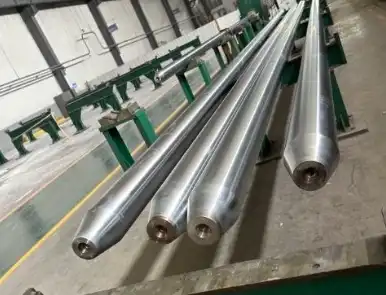
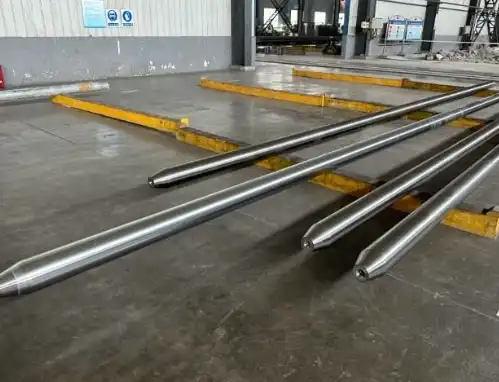
Proper size is important when using metal mandrel bars, since tiny differences in diameter or length might cause wall thickness fluctuation or tube ovality. The needed bar dimensions are usually set by mill engineers based on the desired tube outer diameter, wall thickness tolerance, and the elongation ratio during rolling. Using accurate engineering drawings, either given by the client or generated in conjunction with the bar maker, ensures that the completed bar is precisely what is required for manufacturing. Suppliers who can make bars to bespoke specifications utilising CAD-based design tools are more flexible for mills that operate diverse product lines.
Balancing Tensile Strength With Ductility
A good mandrel bar is a delicate balance of tensile strength and flexibility. Bars that are excessively hard may withstand wear, but they are brittle and subject to rapid fracture under pressure; bars that are too ductile flex too quickly, with loss of dimensional precision. Hardness and tensile characteristics are checked by reputable manufacturers over the whole manufacturing run to ensure uniformity. Mills should acquire material test certifications when ordering Metal mandrel bars to confirm that the mechanical qualities are within the scope required for their specific rolling application and the anticipated service circumstances.
Common Challenges in Metal Mandrel Bar Selection and How to Avoid Them
Premature Wear From Incorrect Material Selection
One of the most common problems mills face is premature bar wear due to an incompatible alloy grade chosen for the tube material or production volume. This leads to frequent bar changes, higher downtime, and escalating tooling costs. The difficulty may be avoided by comprehensive conversation between the mill and mandrel bar supplier before finalising an order, including production speed, tube alloy hardness, and anticipated duty cycles. Choosing metal mandrel bars based on a true knowledge of operating circumstances, rather than just pricing, helps to avoid many of the wear-related difficulties mills often experience.
Dimensional Inconsistency Across Production Batches
Variation in bar dimensions from one manufacturing batch to another may upset the mill calibration and cause the quality of the tube to vary. Often, this problem is caused by vendors not having rigid quality control systems or uniform production processes. Mills may prevent this problem by working with suppliers that have certified quality control systems and perform dimensional inspections on every batch before shipping. When you clearly define requirements in advance, including comprehensive drawings and tolerances, you can count on consistent performance with each delivery of metal mandrel bars, avoiding the need for on-site revisions or unforeseen mill downtime.
Conclusion
When selecting Metal mandrel bars, special attention must be paid to the composition of the metal, size accuracy, and the reputation of the suppliers. China Welong was established in 2001 and has over 20 years’ expertise in providing bespoke metal tooling to premier automotive, oil drill, and aerospace manufacturers throughout the globe. Welong assists mills in sourcing dependable suppliers with ISO 9001:2015 certification, in-house technical assistance, and tight quality control. Ble, precisely specified mandrel bars. Reach out to our team to discuss your next tooling requirement and strengthen your production line.
FAQ
Q1: What is the typical service life of a metal mandrel bar?
Service life varies by alloy grade, coating, and production volume, but well-maintained bars from quality suppliers typically withstand thousands of rolling cycles before requiring reconditioning or replacement.
Q2: Can metal mandrel bars be custom-manufactured to specific mill drawings?
Yes, many suppliers, including Welong, accept customer-provided drawings and samples and also offer in-house engineering design support using CAD and SolidWorks software.
Q3: How often should mandrel bars be inspected during operation?
Regular inspection intervals depend on production volume, but most mills schedule dimensional and surface checks after set production runs to catch early signs of wear before failure occurs.
Q4: What causes mandrel bar breakage during rolling?
Breakage commonly results from thermal fatigue, incorrect alloy selection, or excessive mechanical load beyond the bar's rated strength, all of which proper material selection can help prevent.
Q5: Are coated mandrel bars worth the additional cost?
In most high-volume applications, coatings like nitriding reduce friction and wear significantly, often extending bar life enough to offset the additional upfront investment over time.
Get in Touch With Welong
Ready to upgrade your mill's tooling performance with reliable, precisely engineered mandrel bars? China Welong combines two decades of international supply chain experience, certified quality systems, and dedicated engineering support to deliver Metal mandrel bars tailored to your exact specifications. Whether you need production based on your own drawings or design assistance from our technical team, we are equipped to support mills across the automotive, oil drilling, and industrial manufacturing sectors worldwide. Contact us today at metal@welongpost.com to discuss your requirements and discover how Welong can strengthen your supply chain.
References
1. American Iron and Steel Institute (AISI). Steel Products Manual: Tool Steels. AISI Publications.
2. ASM International. ASM Handbook, Volume 14: Forming and Forging. ASM International Publications.
3. Ginzburg, V. B., and Ballas, R. Flat Rolling Fundamentals. CRC Press.
4. ASTM International. Standard Specification for Alloy Steel and Stainless Steel Bars, ASTM A322.
5. Roberts, W. L. Hot Rolling of Steel. Marcel Dekker Inc.
6. Society of Tribologists and Lubrication Engineers (STLE). Tribology Data Handbook. STLE Publications.

Share your inquiry, get the quotation accordingly!
China WELONG- Your Reliable Partner in Metal Solutions