What is the process of gravity casting?
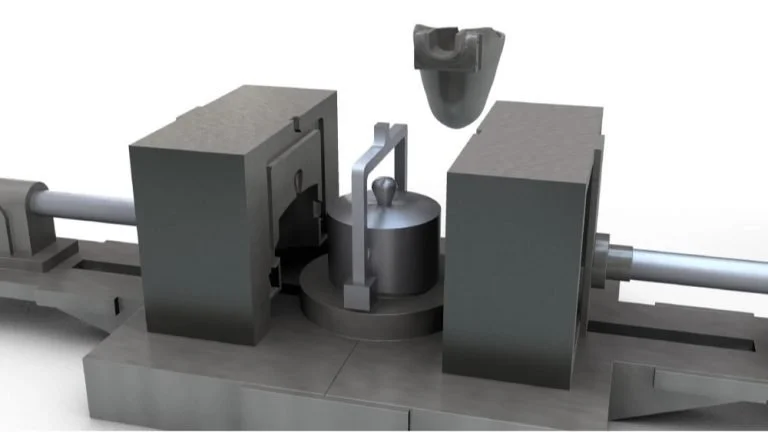
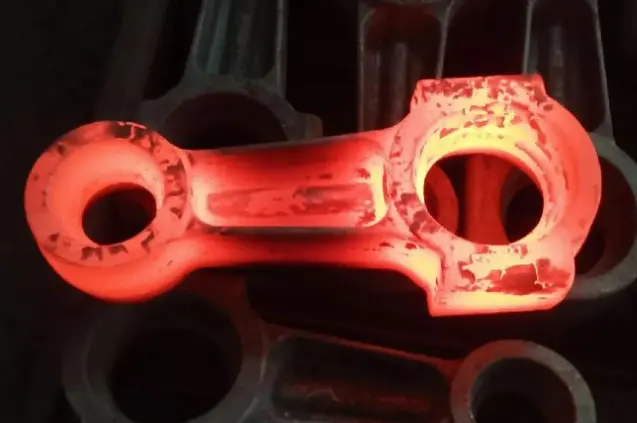
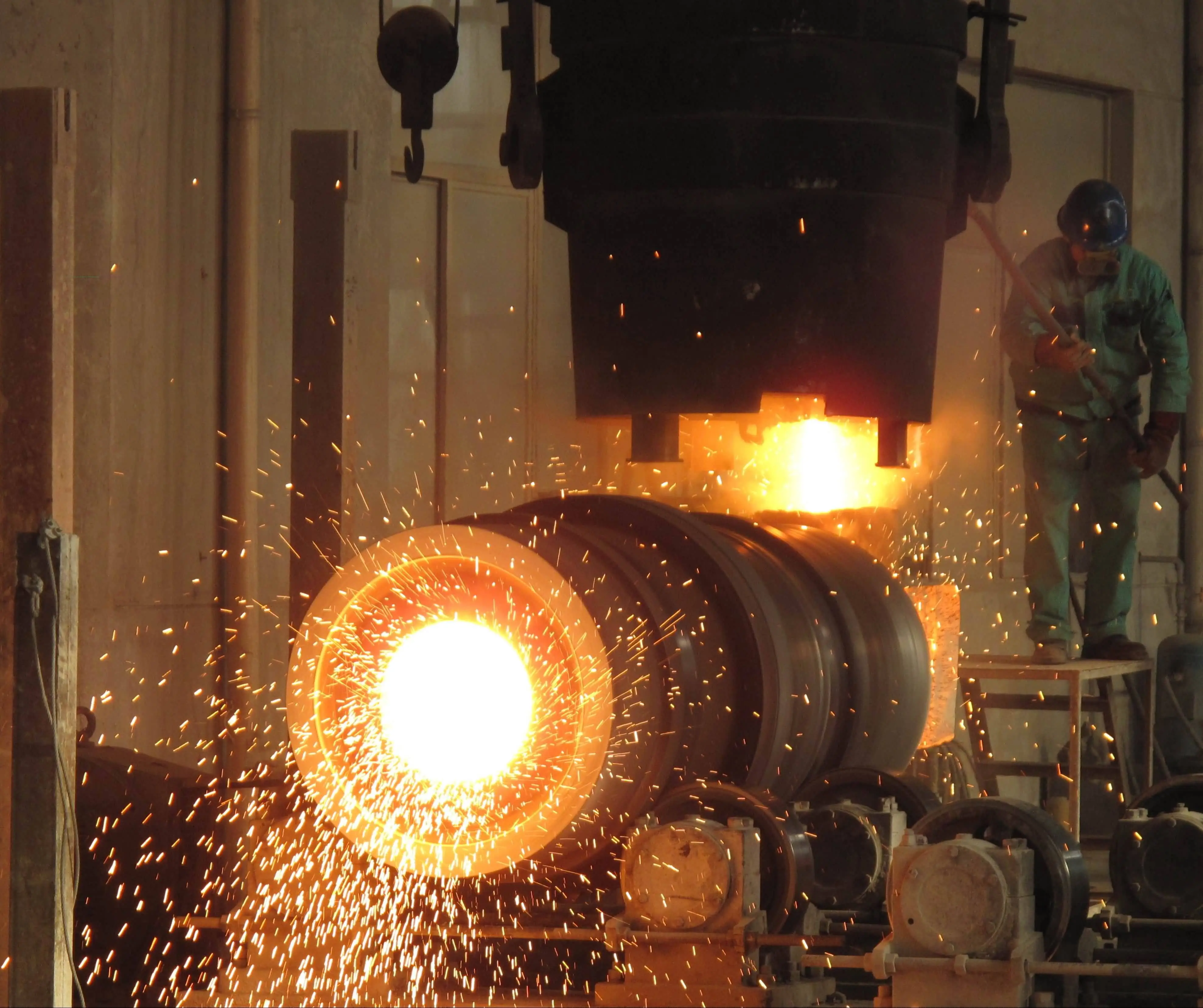
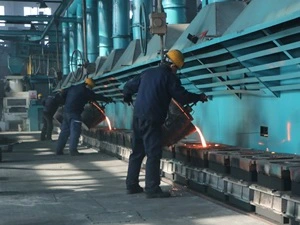
Gravity casting is one of the oldest ways to work with metal. Molten metal runs into molds only through Gravity casting force, not through vacuum, pressure, or centrifugal forces. This tried-and-true method makes metal parts with shapes that range from very simple to fairly complicated. It does this by using permanent metal molds that keep the dimensions of each production run the same. Several important steps are needed to complete the process: release agents are used to prepare reusable molds, heated metals are carefully poured into cavities, solidification is managed, and finished castings are taken out. Often, they don't need much post-processing. We've seen this way of making things stay useful for decades because it's a good mix of stability and low cost for small to medium-sized production.
Understanding Gravity Casting: Process and Principles
The Gravity casting method has been used in industry since the early 1900s. It grew from old sand casting methods to become a more polished way to make precise metal parts. Welong works with foundries all over China that have been getting better at this craft for generations by mixing old-fashioned knowledge with new quality control methods.
Core Principles Behind the Method
The basic idea behind this method is that Earth's gravity causes molten metal to be spread out evenly in mold holes. High-pressure die casting pushes liquid alloys into molds at speeds of more than 100 feet per second. Gravity casting, on the other hand, lets metal flow freely at room temperature and pressure. This softer filling action lowers turbulence and gas trapping, which makes microstructures denser and less prone to internal flaws. Permanent molds, which are usually made of cast iron, steel, or graphite, keep their shape over thousands of cycles, which means they can make the same measures over and over again.
Step-by-Step Process Flow
Understanding your requirements is the first step to any good casting job. We closely work with procurement managers to make sure that we understand all of their technical needs, such as the choice of metal, the required limits for size and shape, the mechanical qualities (like tensile strength and elongation), surface finish standards, and yearly volume forecasts. This first meeting saves you money on changes that need to be made later and makes sure that the way the parts are made fits your needs, whether you're looking for parts for oil drilling tools or aircraft assemblies.
Controlled Solidification
The mold stays closed while the metal changes from a liquid to a solid state after it has been filled. The structure and dynamic qualities of grains are affected by how fast they cool. For example, grains that cool faster are finer and stronger. Putting chills (external cooling elements) in the right places in the mold parts guides the solidification process to reduce shrinkage flaws. For thin-walled aluminum parts, the solidification time is usually 30 seconds. For thick-section copper casts, it can take several minutes.
Mold Materials and Alloy Compatibility
Because they are cost-effective and good at transferring heat, permanent models made of gray cast iron work great for Gravity casting aluminum. Steel molds can handle the higher temperatures needed for copper alloys and last longer—more than 100,000 rounds. For specific uses that need non-reactive materials or complicated shapes, graphite molds are used. Most of the time, cast materials are aluminum alloys from the 3xx, 5xx, and 7xx types, which are valued for their high strength-to-weight ratios and resistance to rust. Copper metals, like bronzes and brasses, are used in places where good electrical contact, resistance to wear, or good looks are important.
Gravity Casting vs. Other Casting Methods: Making an Informed Choice
Choosing what to buy depends on how well the production methods match the needs of the project. When you know how Gravity casting stacks up against other methods, you can make the best decisions about quality and price.
Comparative Analysis with Sand Casting
In sand casting, models are made from bonded sand mixes and are thrown away after each casting cycle. This method works with almost any part size and allows for complicated internal paths through core sections. But the size errors are usually between ±0.030 and ±0.060 inches, while with Gravity casting they can be between ±0.010 and ±0.020 inches. The surfaces that come out of sand molds are rougher and need more work, but the surfaces that come out of solid metal molds are smoother right out of the mold. When the number of units being made is less than 500, sand casting is more cost-effective than Gravity casting. When the number of units being made is between 500 and 5,000, gear amortization makes up for the higher initial investment.
Contrast with High-Pressure Die Casting
High-pressure die casting uses pressures between 1,500 and 25,000 psi to push liquid metal into steel dies. This method achieves very accurate measurements and fast cycle times that are good for making more than 10,000 units at a time. Die casting equipment and tools require a lot more money to buy—often 5–10 times more than Gravity casting equipment. Die casts have walls that are as thin as 0.040 inches and tolerances that are very close to ±0.002 inches. This makes them perfect for household electronics and parts for cars. However, the rough void filling makes holes inside, which makes the pressure tightness worse and limits the heat treatment choices. For structural uses in industrial and aircraft gear, Gravity casting creates parts with better mechanical properties and weldability.
Investment Casting Considerations
Investment casting, also called lost-wax casting, makes parts that are almost net-shaped and have fine features and a surface finish that is close to 125 microinches. This method works well for complicated shapes that can't be made with fixed molds, like internal channels and undercuts. The trade-off is much longer lead times—often 8 to 12 weeks—and higher costs per part because the clay shells are made to be thrown away after use. Gravity casting is the most cost-effective way to make parts with good dimensional control for annual numbers between 1,000 and 3,000 units that need modest complexity without a lot of detail.
Cost Structure Breakdown
Tooling costs for Gravity casting molds are usually between $5,000 and $25,000, based on the size and complexity of the part. This is a modest capital investment compared to die casting dies, which often cost more than $50,000. The amount of work that needs to be done is still doable because cycle times of 1 to 5 minutes allow for decent output rates even without a lot of automation. Material utilization is close to 70–80%, and closing systems are used to reduce waste. Scrap metal can still be recycled in its entirety. Need custom gravity casting parts? Contact us for a quick quote.
Advantages and Challenges of Gravity Casting in B2B Manufacturing
Each way of making something has its own pros and cons that affect how well it works in certain situations. Realistic standards and the right quality controls can be set when these factors are taken into account.
Key Benefits for Industrial Production
It can be made from both ferrous and non-ferrous alloys, but aluminum alloys are more common because they are easier to make and have better end-use qualities. The environmental impact of this method is smaller than those of other options because it uses less energy during pours and the scrap can be recycled easily. The slower filling speed lowers the formation of oxides and the trapping of gases. This makes the molds denser and gives them mechanical qualities that are closer to those of wrought material. Tensile strengths of parts often reach 90% of those of similar wrought metals. This means they can be used for load-bearing tasks in high-tech medical devices and oil drilling equipment.
Common Defects and Prevention Strategies
Even though Gravity casting is reliable, it can still have flaws that need close process control. Porosity shows up as empty spaces spread out in molds. This is usually caused by trapped gases or shrinking during solidification. To avoid this, the melted metal needs to be properly degassed, the gates need to be designed in a way that helps the metal solidify gradually, and the risers need to be placed in a way that feeds the shrinking zones. When the pouring temperature is too low, or the hole filling is too slow, cold shuts show up as straight lines where two metal streams meet without joining. This problem can be solved by keeping the superheat level high enough and making gate systems that stop convergence before it's time.
Design Considerations for Optimal Results
To get good results, you need to pay attention to a number of planning factors. Wall width should stay the same between 0.125 and 0.500 inches, based on the alloy and the size of the part. The changes should be smooth so that stress doesn't build up in one place. Draft angles between 1-3 degrees make it easier to remove parts without hurting the mold or the casting. Fillet curves at the inside corners cut down on stress stems and make it easier for the metal to flow during filling. To control the fill rate, reduce turbulence, and set up the right temperature gradients, gate systems need careful planning.
Applications and Procurement Insights for Gravity Casting
When procurement experts know where Gravity casting gives them the best value, they can match skills to needs and find qualified suppliers in global supply chains.
Industry Applications and Use Cases
Heavy Gravity casting parts are used in the automobile industry. These parts include engine blocks, transmission housings, suspension parts, and structural frames. Gravity casting is a good way to make these parts because it gives you accurate measurements, high mechanical strength, and low costs for medium-volume production. Aluminum Gravity casting is used in aerospace for non-rotating structural parts, hydraulic manifolds, and electronics housings because they are lighter and don't rust, which justifies the higher price. Bronze and aluminum-bronze Gravity casting are used in oil and gas drilling tools for pump housings, valve bodies, and other parts that need to be durable in harsh downhole conditions.
Evaluating Foundry Capabilities
When buying managers look at possible providers, they should make sure that they have a number of important skills. Certification to ISO 9001:2015 shows dedication to quality management systems. However, standards specific to the business may be needed, like AS9100 for aircraft or ISO 13485 for medical devices. Modern melting furnaces with temperature control accuracy within ±10°F should be in a foundry's inventory of tools. So should permanent mold tooling made to written specs and heat treatment facilities for improving properties when needed.
Lead Time and Cost Factors
Planning a realistic project includes doing things in the right order over the course of the purchase timeline. Designing and making the first tools usually takes 6 to 10 weeks, based on how complicated they are and how busy the forge is. Sample production and approval take an extra two to three weeks, and technical testing and checking for accuracy of dimensions prove that the product meets the requirements. After approval, production runs begin, and the rate of production depends on the size of the part. For example, simple parts might make 50 to 100 pieces per day, while complex casts that take longer to solidify make 20 to 40 units per shift.
Future Trends and Optimization Strategies in Gravity Casting
The foundry industry is always changing because of new technologies and efforts to be more environmentally friendly, which makes the industry more competitive.
Technological Innovations Reshaping Production
New technologies are changing how things are made. New mold materials, like ceramic-reinforced plastics and customized coatings, make tools last longer and handle heat better. These materials can handle thermal cycling wear, which usually limits the life of a fixed mold to 50,000 to 80,000 cycles. Next-generation tools can handle more than 150,000 cycles before they need to be replaced. Using infrared sensors and automatic cooling channels, temperature control systems keep the best thermal profiles throughout production runs, which lowers the number of variations and defects. Robotic automation is taking over more and more routine tasks, like preparing molds, pouring metal with closed-loop weight input, and extracting parts. This improves consistency while dealing with problems with finding workers.
Sustainability and Environmental Stewardship
Compared to traditional crucible furnaces, energy-efficient melting technologies like regeneration burners and induction furnaces use 20–40% less fuel, which lowers both running costs and carbon footprints. Gravity casting is very environmentally friendly because up to 90% of gate systems and unwanted parts can be recycled over and over again without losing any of their properties. Solvent-based release coatings have been replaced by water-based ones, which stop the release of volatile organic compounds while keeping the coating's usefulness.
Strategic Procurement Approaches
Performance measures are used in data-driven buying to improve relationships with suppliers and find ways to make things better. Objective supplier scorecarding helps with allocating resources by keeping track of failure rates by fault type, on-time delivery performance, and cost trends. When buyers and sellers work together and share demand predictions and product roadmaps, sellers can plan investments in capacity and make volume promises that are good for both parties. Dual-sourcing methods for important parts balance supply chain risk against economies of scale. This is especially important when sourcing from other countries, where global factors can cause uncertainty.
Conclusion
Gravity casting has been shown to be useful for procurement workers who need to make metal parts reliably and cheaply for a wide range of industry uses. The process is perfect for small to medium-sized production because it uses permanent molds to keep the dimensions consistent and has mechanical qualities that can be used in structure applications. Knowing the exact steps of the process, how it compares to other methods, and what the normal application needs lets you make smart sourcing choices that combine quality, cost, and lead time goals. Gravity casting is still useful in modern supply lines that serve the aerospace, automobile, oil and gas, and high-end medical device industries, even though new technologies and eco-friendly practices are making foundries better at what they do. Strong quality systems and strategic partnerships with suppliers make sure that results are uniform and meet global manufacturing standards.Need custom gravity casting parts? Contact us for a quick quote.
FAQWhat alloys work best for gravity casting processes?
Gravity casting is mostly done with aluminum alloys from the 3xx and 5xx types because they are very fluid, melt at temperatures around 1,350°F, and have good strength-to-weight ratios. The A356 and A357 metals work best for structural uses that need to be heated to the T6 temper. Copper-based alloys, such as tin bronzes, aluminum bronzes, and brass compositions, can be used in situations where wear resistance, electrical conductivity, or corrosion resistance in sea settings are important. For ornamental hardware made of zinc alloys, Gravity casting is sometimes used, but high-pressure die casting is more popular.
How does gravity casting quality compare with machined components?
Dimensional tolerances for Gravity casting are usually between 0.010 and 0.020 inches, based on the size and position of the feature. For CNC machining, the standard range is between 0.001 and 0.005. Permanent metal molds produce surfaces that are 125 to 250 microinches thick. These are smoother than sand casts but harder than machined surfaces, which are 32 to 63 microinches thick. The cost benefit shows up when the part design has complicated outside forms, hollow interiors, or a lot of material that would be wasted if it was machined. When you combine near-net-shape casts with precise cutting of key features, you get the best of both cost and performance.
What minimum order quantities make gravity casting economical?
Investing in tools for permanent molds usually pays off with production numbers between 500 and 1,000 units, though the point at which you break even relies on the complexity and size of the part. Gravity casting is more cost-effective than both sand casting and high-pressure die casting when the number of pieces made each year is between 2,000 and 8,000. Lower numbers might be better for sand casting with tools that can be thrown away, while amounts over 10,000 units per year should look into die casting, even though it requires more money up front. We help our clients figure out the best ways to make things by modeling total cost scenarios across different ranges of quantities.
Partner with Welong for Your Gravity Casting Supply Chain Needs
To find your way around China's Gravity casting suppliers, you need knowledge, quality processes, and established foundry ties, all of which Welong has been building since 2001. Our team's main job is to put foreign purchasing managers in touch with ISO 9001:2015-certified makers who can make metal parts that are exactly what you need. We handle the whole supply chain, from the first technical review to the final testing and transportation planning, making sure that your castings made of aluminum, bronze, or specialty alloys meet the required tolerances for size and strength. Through Welong's checked-out network, you can get in touch with skilled Gravity casting providers. Contact our team at info@welongpost.com to talk about your project needs and get source suggestions that match your technical requirements. You can also use our quality control knowledge to lower your sourcing risk and get cheap Chinese manufacturing services.
References
1. Campbell, John. Complete Casting Handbook: Metal Casting Processes, Techniques and Design. Butterworth-Heinemann, 2015.
2. American Foundry Society. Permanent Mold Casting Process Guidelines. AFS Technical Publication, 2018.
3. ASM International Handbook Committee. ASM Handbook Volume 15: Casting. ASM International, 2008.
4. Beeley, Peter R. Foundry Technology. Butterworth-Heinemann, 2001.
5. North American Die Casting Association. Product Specification Standards for Die Castings Produced by the Semi-Solid and Squeeze Casting Processes. NADCA, 2020.
6. Minerals, Metals & Materials Society. Light Metals 2019: Proceedings of the Symposium on Casting and Solidification. Springer, 2019.

Share your inquiry, get the quotation accordingly!
China WELONG- Your Reliable Partner in Metal Solutions