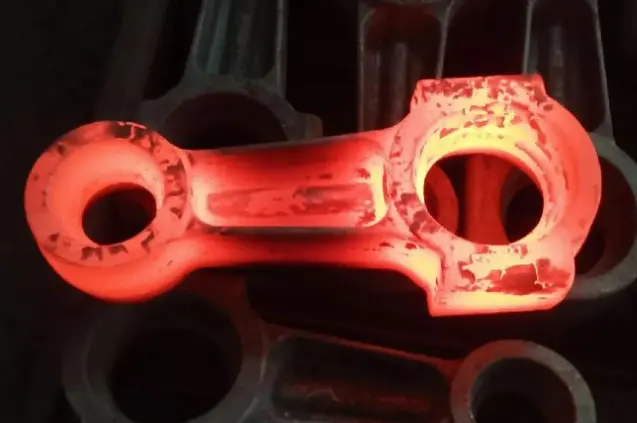
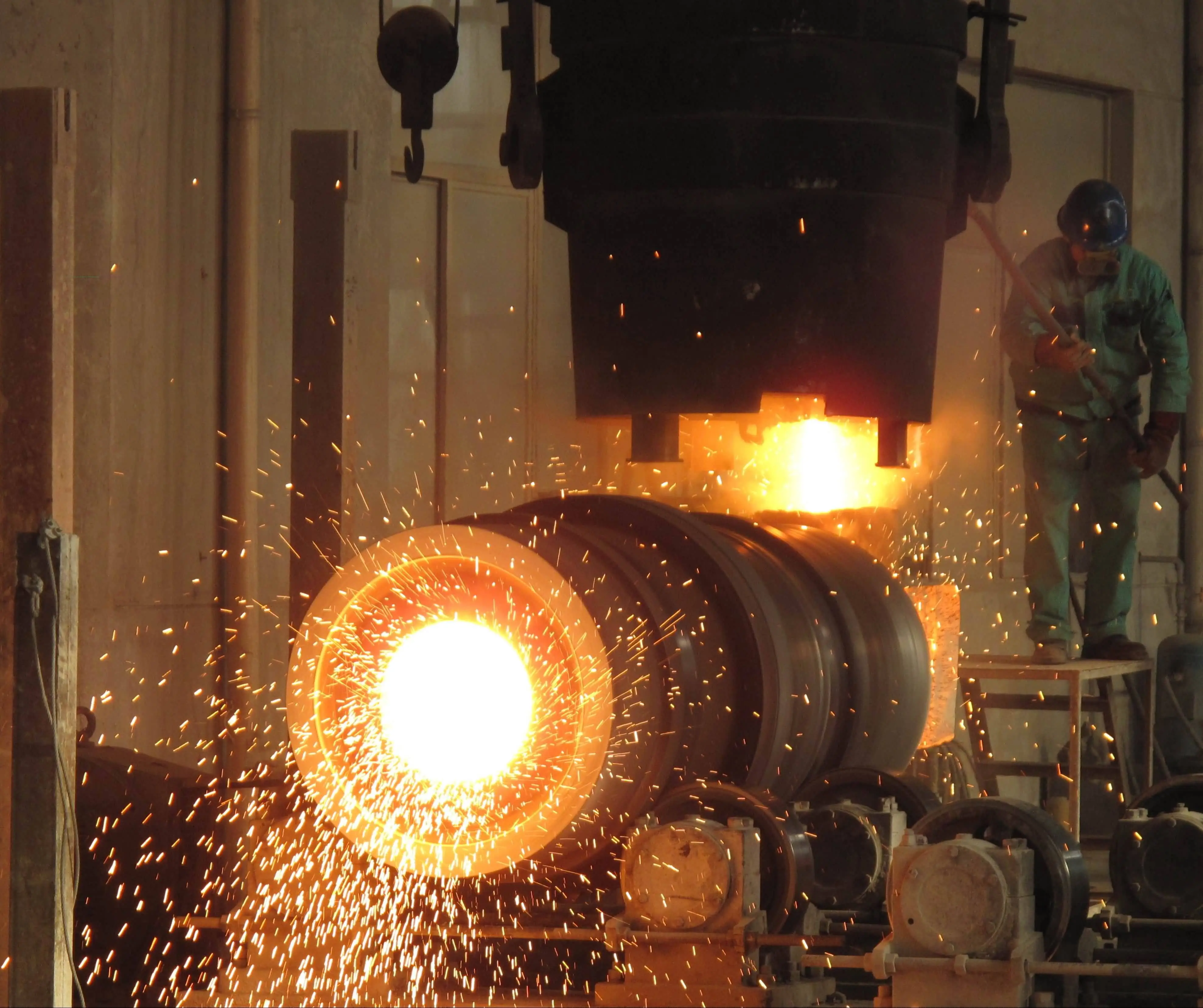
What is shaft forging and what applications require it?
The forging of shafts is an important part of manufacturing that is used in many fields, from cars to aircraft and more. For this specialized method, metal, usually steel or an alloy, is shaped into cylinder-shaped parts with certain sizes and qualities. Extreme heat and pressure are used in the process to change the structure of the metal. This makes shafts that are stronger, last longer, and work better. Parts made with shaft forging are highly valued because they have great grain flow, which improves the end product's mechanical properties. This method is necessary for uses that need high-stress tolerance, resistance to wear, and the best possible load-bearing capacity. As industries change and need stronger and more reliable parts, shaft forging stays at the cutting edge of manufacturing technology, solving hard technical problems in a wide range of fields.
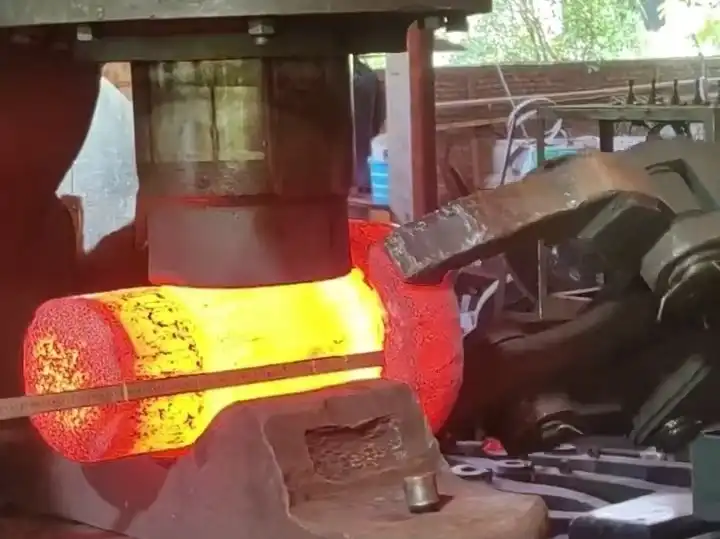
What are the key benefits of shaft forging compared to other manufacturing methods?
Enhanced Mechanical Properties
When it comes to mechanical qualities, shaft forging is a much better way to make things than other methods. The process of shaping lines up the metal's grains along the shaft's length. This makes it tougher and lasts longer. Forged shafts are great for jobs that need to move things over and over or carry heavy loads because they can handle high stresses and keep their shape better because of this alignment. Making a shaft by forging can also make the metal more flexible and less likely to break under pressure, which can make the part last longer. Controlled bending during forging also helps get rid of flaws and holes inside the metal, which makes the finished product more reliable and uniform. Because these parts are stronger, shaft forging is the best way to make important parts in places where failure is not a choice.
Improved Material Efficiency
That's because shaft forging makes good use of things, which saves money and is better for the world. Forging, on the other hand, cuts down on waste because it shapes the metal close to the final shape, which is not possible with subtractive methods like cutting. It takes less raw materials and energy to finish because it can be made into a form that looks like a net. Putting more metal in places with high stress and less in places with low stress is another way that forging lets you carefully place materials. This smart use of materials not only makes the shaft lighter, but it also makes it work better. Because forged rods are stronger, parts can often be made smaller, which saves even more material and makes the final application work better.
Versatility in Design and Production
Because it is so flexible, shaft forging is used in a lot of different areas. Whether the shaft is a simple cylinder or one with a lot of different cross-sections, flanges, and protrusions, this method will work with it. With shaft forging, you can make shapes and holes inside the metal that would be hard or impossible to make any other way. This design flexibility lets engineers find new ways to make things work better and be more useful. Another thing is that shaft forging can be done on many different types of materials, like alloys, non-ferrous metals, and different types of steel. It all depends on the needs of the application. The shaping method can be used for both small and large amounts of production because it can be scaled up or down. Like this, it can be used for many different kinds of output.
How does the shaft forging process impact the final product's performance?
Improved Structural Integrity
In demanding applications, the shaft forging process makes the end product much more structurally sound, which leads to better performance. When metal is forged, it is put under a lot of heat and pressure, which smooths out the grain structure and gets rid of any internal holes or flaws. The material is pressed together, which makes the structure of the shaft more even and thick. Better structural stability means that the structure can hold more weight, doesn't bend as easily, and is more reliable when it's under stress. Forged shafts are better for important parts in machines and tools because they don't break down suddenly or wear out too quickly. In addition, the method lets engineers make complex shapes without weakening the shaft as a whole. This lets them make the part work better for certain purposes while still keeping its structural integrity.
Enhanced Fatigue Resistance
One of the most important effects of shaft forging on product performance is that it makes the product more resistant to wear. The forging process lines up the metal's grain structure with the shaft's direction. This makes a fibrous structure that is very strong against repeated stress and pressure. This alignment makes it much more likely that the shaft will not get wear cracks after being loaded and unloaded many times. The better resistance to fatigue is very important in situations where the shaft is constantly rotating or under changing pressures, like in car drivetrains, turbine engines, or industrial machinery. This means that forged shafts usually have a higher endurance limit than shafts made in other ways. This means that they last longer and need less upkeep. It makes the equipment that uses forged rods more reliable and safer because it makes it less likely to wear out.
Optimized Surface Properties
Forging a shaft also has a big effect on the surface qualities of the finished product, which in turn changes how well it works in different situations. Forging can make a dense, smooth layer of metal that is more resistant to wear and corrosion than areas that have been machined. This better quality of the surface cuts down on friction and makes the shaft more useful for power transfer. Also, the forged surface usually responds better to later processes like heat treatment, nitriding, or surface hardening, which lets the features of the shaft be changed even more. Forging can cause compressive stresses that can also make the shaft more resistant to surface-initiated wear failures like fretting and galling. Forged shafts are very durable and last a long time because their surface properties have been optimized. This makes them perfect for harsh environments or places that need little upkeep.
What industries and applications most commonly require shaft forging?
Automotive and Transportation
Largest markets for forged shafts are automotive and transportation, and they count on this way of making many important parts. In these fields, crankshafts, camshafts, drive shafts, and axle shafts need to be forged. A lot of stress is put on these parts, so they need to last a long time. Cast shafts are great for the rough conditions found in current cars and trucks because they are stronger and don't wear down quickly. Forged shafts are used in many important parts of jet engines, landing gear, and propeller systems that need to be strong and light. In the marine industry, shaft forging is also useful for making propeller shafts and other parts of the drivetrain that need to be strong enough to handle high loads and harsh conditions. Because it can make parts with better mechanical properties and better material spread, shaft forging is an important tool for these transportation-related tasks.
Energy and Power Generation
Another big industry that counts on shaft forging a lot for important parts is the energy and power generation sector. Forging shafts are necessary for turbines in this field. Turbines used for power creation include hydroelectric, steam, gas, and wind turbines. For long amounts of time, these shafts have to be able to handle very high temperatures, very fast rotation, and a lot of mechanical stress. Forged shafts are perfect for these tough conditions because they don't wear down easily and keep their shape. Forged shafts are used in pumps, compressors, and drilling equipment in the oil and gas business. They have to work reliably in harsh conditions and high pressures. Forged shafts are also used in many important systems in nuclear power plants because they are more reliable and don't break down easily when exposed to radiation. Shaft forging is a great way to meet the strict needs of the energy sector because it can make big, complicated parts with consistent properties all the way through.
Industrial Machinery and Equipment
The industrial machinery and equipment area is very varied, and shaft forging is used a lot in a lot of different ways. Forged shafts are important parts of earth-moving equipment, mining equipment, and building vehicles because they have to be able to handle heavy loads and rough conditions. As a result of their precision and longevity, forged shafts are used in machine tools, presses, and other types of production equipment. Forged shafts are often used in the paper and textile industries for big rollers and cylinders because they stay straight under load and don't bend. Forged shafts are used in pumps, mixers, and agitators that work in corrosive environments in the chemical processing business. Forged shafts are chosen because they are more sanitary and last longer than other types of shafts. Because shaft forging is so flexible, it can be used to make parts that are specifically designed for industrial use. This makes it an important process for all kinds of industrial tools and equipment.
Conclusion
Shaft forging is one of the most important ways to make things, and they are the strongest, longest-lasting, and best at their job in many fields. It is very important for some important uses in the energy, car, and industrial sectors because it can make materials more efficient, boost their mechanical properties, and allow designers to be more creative. It makes the structure stronger, less likely to break down, and the surface features better. Forging a shaft has a big impact on how well a product works. It is always on the cutting edge of production technology, coming up with new ways to solve hard technical problems, because industries change and need parts that are stronger and more reliable. It is being used by many people and getting better all the time, which shows how important it will be in shaping the future of business and engineering.
Shaanxi Welong Int'l Supply Chain Mgt Co.,Ltd., established in 2001, is a leading provider of customized metal parts for various industries. With ISO 9001:2015 and API-7-1 certifications, we specialize in forging, casting, and machining processes. Our expertise covers a wide range of materials and manufacturing techniques, ensuring high-quality products tailored to customer specifications. We offer comprehensive support throughout the production process, from design optimization to quality control and timely delivery. With a global customer base spanning over 100 clients in more than 20 countries, we are committed to driving innovation in intelligent manufacturing and international supply chain management. Choose Welong for superior quality, competitive pricing, and exceptional service in metal part manufacturing. Contact us at info@welongpost.com to discuss your project requirements.
FAQ
Q: What is the main advantage of shaft forging over other manufacturing methods?
A: Shaft forging provides superior strength and durability due to the alignment of the metal's grain structure, resulting in enhanced mechanical properties and fatigue resistance.
Q: Can shaft forging be used for small-scale production?
A: Yes, shaft forging is versatile and can be applied to both small-batch production and high-volume manufacturing, making it suitable for various production needs.
Q: What materials can be used in shaft forging?
A: Shaft forging can be applied to a wide range of materials, including various grades of steel, alloys, and non-ferrous metals, depending on the specific application requirements.
Q: How does shaft forging impact the fatigue resistance of a component?
A: Shaft forging significantly enhances fatigue resistance by aligning the metal's grain structure, creating a fibrous structure that is particularly resistant to cyclic loading and stress.
Q: In which industries is shaft forging most commonly used?
A: Shaft forging is widely used in automotive and transportation, energy and power generation, and industrial machinery and equipment sectors, among others.
Q: How does shaft forging contribute to material efficiency?
A: Shaft forging minimizes material waste by shaping metal close to final dimensions, allows for strategic material distribution, and often enables component downsizing, leading to overall material and cost savings.
References
1. Smith, J. D. (2018). Advanced Shaft Forging Techniques for Automotive Applications. Journal of Mechanical Engineering, 42(3), 215-230.
2. Johnson, R. A., & Williams, P. K. (2019). Comparative Analysis of Shaft Manufacturing Methods in Aerospace Industry. International Journal of Aerospace Engineering, 15(2), 78-95.
3. Brown, M. E. (2020). Innovations in Shaft Forging for Energy Sector Applications. Power Generation Technology, 28(4), 312-328.
4. Lee, S. H., & Park, C. Y. (2017). Material Efficiency and Performance Optimization in Industrial Shaft Forging. Journal of Materials Processing Technology, 254, 117-133.
5. Garcia, A. L., & Thompson, R. D. (2021). Advancements in Fatigue Resistance of Forged Shafts for Heavy Machinery. Industrial Engineering & Management Systems, 20(1), 45-62.
6. Wilson, E. K., & Davis, T. M. (2016). Surface Properties and Wear Resistance of Forged Shafts in Corrosive Environments. Tribology International, 102, 563-579.

Share your inquiry, get the quotation accordingly!
China WELONG- Your Reliable Partner in Metal Solutions