How is a forged camshaft manufactured?
It takes a lot of skill and knowledge to make a forged camshaft. It uses both modern technical methods and old-fashioned metalworking methods. Forged camshafts are important parts of internal combustion engines because they control when and for how long valves open. The forging method makes the camshaft stronger and more durable, which makes it perfect for high-performance uses. In this way of making things, carefully chosen raw materials, usually high-grade steel alloys, are heated to very high temperatures and then shaped with strong hydraulic tools. The process of forging matches the metal's grain structure, which makes it stronger and less likely to wear down. After the first forging, the camshaft goes through a number of precise machining steps to make sure it meets all the requirements for the best engine performance. This piece will go into detail about the complicated steps needed to make a forged camshaft. It will also talk about the technologies and skills needed to make this important engine part.
What are the key steps in the forging process for camshafts?
Material selection and preparation
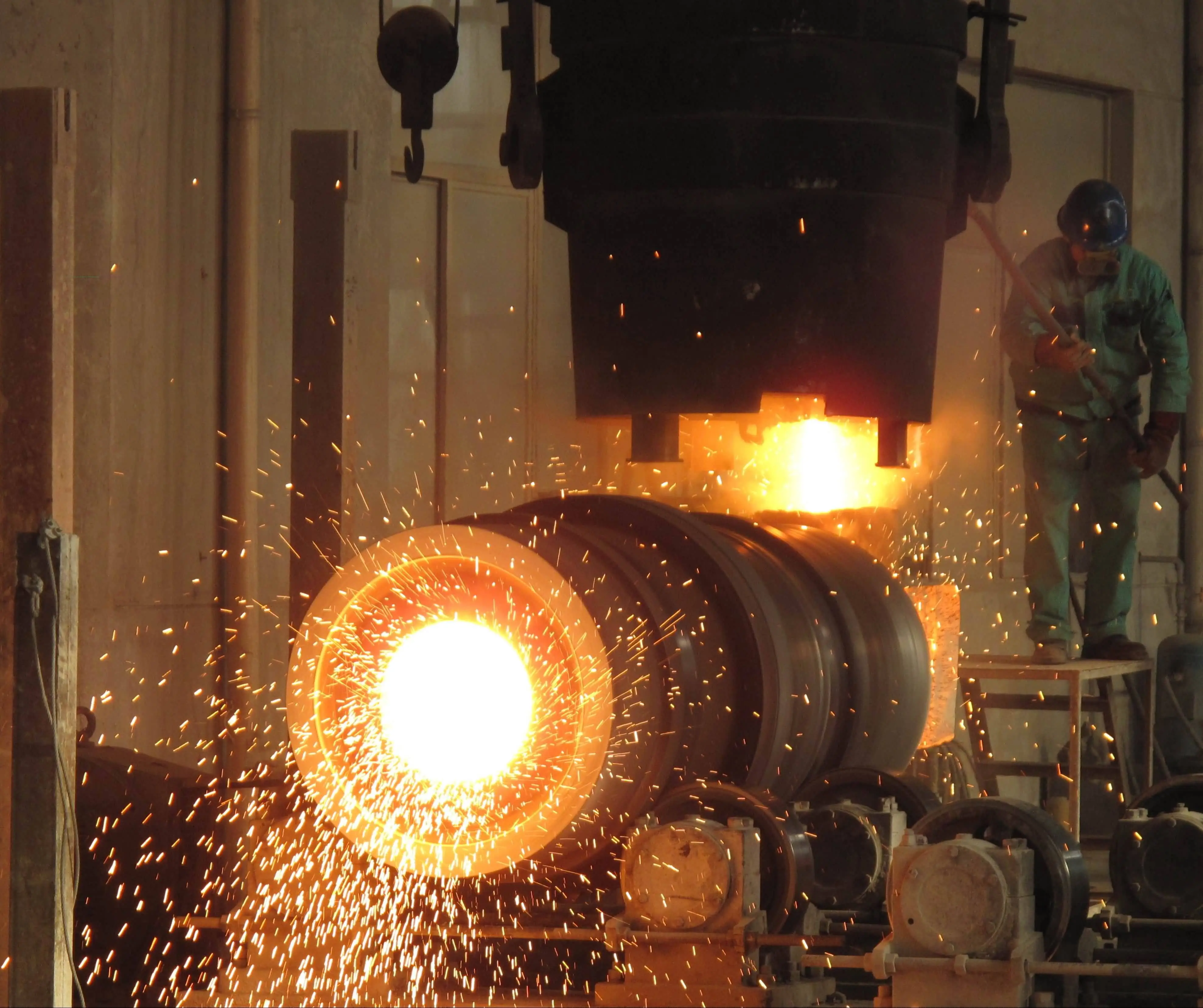
To make a forged camshaft, you must first carefully pick out high-quality steel materials. They were picked because they are strong, last a long time, and don't melt when it gets hot, all of which are important for an engine. Different alloys require different steps to cut the steel billets to the right size and heat them to a certain range of temperatures. It is usually between 1,000°C and 1,200°C in this range. This step of heating the metal up first is very important because it makes sure it is soft enough to shape but still holds its shape. A lubricant is also put on the billets during the preparation phase so that they don't stick to the sides of the die and cause friction during the shaping process. We carefully prepare the materials so that we can make a high-quality cast camshaft that can handle the tough needs of today's engines.
Forging and shaping
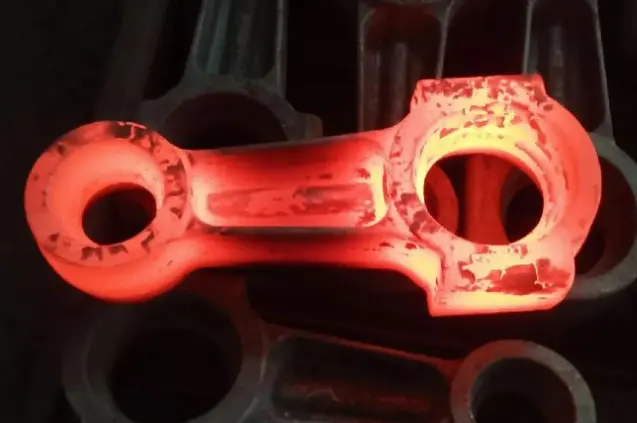
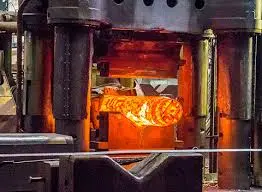
Once the metal is ready, the real shaping process can begin. The hot piece of steel is put into a die hole that has been carefully milled to fit the rough shape of the camshaft. The metal is then shaped to the die by strong hydraulic presses that can hold up to a few thousand tons of weight. When metal is made under a lot of pressure, the grains line up. This makes the metal harder and last longer. If the form of the camshaft is tricky, you may need to forge it more than once to get the right shape. The camshaft is carefully cooled down very quickly after it has been made. It calls for "quenching," and it makes the parts that move work even better. It is very important to shape and forge the camshaft in this step so that it is strong for its weight and doesn't break down easily. How long the part lasts and how well it works depend on these important traits.
Post-forging treatments
After it is forged, the camshaft goes through a number of steps that make it better and get it ready for the final finishing. Heat treatment is one of the key processes. It involves slowly heating and cooling the forged camshaft to get the right microstructure and hardness. This process could include cooling, normalizing, and tempering. Each step depends on the metal and how well it needs to work for the camshaft. The forged camshaft may go through stress reduction steps to get rid of any stresses that are still there from the forging process after it has been heated. This makes sure that the sizes stay the same during the next step of the process. One more way to make something last longer is to treat the surface with something like shot peening. After being forged, these processes are very important for making the forged camshaft stronger and ready for the precise machining operations that will make it into the final, high-performance engine part.
How does precision machining contribute to forged camshaft quality?
CNC machining operations
Precision machining is a key part of turning a rough cast camshaft into an engine part that works well and is very accurate. Computer Numerical Control (CNC) machining is the main part of this process, which makes the results very accurate and predictable. The forged camshaft is put on CNC lathes and milling tools that are programmed to remove material with accuracy down to the micrometer level. A number of cutting tools are used on these machines to make the camshaft lobes, journals, and other important parts. The CNC process makes sure that the shape of each lobe is exactly right so that valve timing and lift can be controlled, which has a direct effect on how well the engine runs. As part of the machining process, oil passageways and other internal features are made that are necessary for the camshaft to work properly and be lubricated. Precision that can only be achieved through CNC cutting is needed to make a forged camshaft that fits the exact specifications of today's high-performance engines.
Surface finishing techniques
After the main machining steps, the forged camshaft goes through a number of surface finishing steps that improve its performance and longevity. Limbe surface hardening is one of the most important steps. It can be done with induction hardening or nitriding. These processes make the cam lobes' surfaces harder, which makes them much less likely to wear down and extends the camshaft's life. Once the camshaft valves have been hardened, they are carefully ground to get the final shape and finish. Specialized camshaft grinders are used for this process because they can keep standards very tight, usually measured in microns. Also, the journal surfaces are ground to make sure they fit right and keep engine contact to a minimum. Sometimes, extra surface processes like polishing or coating may be used to make the camshaft work better and reduce friction even more. These finishing methods are very important for getting the most out of the forged camshaft and making sure it can handle the high loads and wear that come with running an engine.
Quality control and testing
Forged camshafts go through strict quality control and testing methods in their final stage of production. A lot of times, coordinate measuring machines (CMMs) and visual comparators are used to make sure that the sizes of each camshaft are correct. These checks make sure that all the important measurements are within the allowed ranges. For example, they check the lobe profiles, journal diameters, and overall length. A non-destructive testing method, such as magnetic particle inspection or ultrasound testing, can be used to check the cast structure for any flaws or problems. They also do tests called "dynamic balancing" to make sure the camshaft turns quickly and doesn't make the engine vibrate in a way that isn't wanted. There are also functional tests that run to see how the camshaft works in different engine settings. We use this very thorough quality control way to make sure that each forged camshaft meets the highest standards for dependability and performance. This makes engine makers and users feel safe.
What are the advantages of forged camshafts over cast alternatives?
Strength and durability
Because they are not made of metal, forged camshafts are much stronger and last longer than cast ones. When you shape metal, you line up its grains, which makes it thicker and more even. The camshaft is much less likely to break from wear and high loads if it is lined up this way. When it comes to tensile strength, yield strength, and resistance to pressure, forged camshafts are usually stronger than cast ones. Because they are stronger, forged camshafts can work in tough situations, like engines with high rpm or high valve spring pressures, and still keep their tight lobe profiles. It is better for camshafts to be cast because they are stronger and last longer. Because of this, they work well for racing and high-performance cars where engine parts are put under a lot of stress.
Performance characteristics
In many ways, forged camshafts are more efficient than cast ones. More complex and accurate lobe shapes can be made by forging, and they can be made even better by machining. Because of this, engineers can be more bold with valve timing and lift, which could make the engine more powerful and more fuel-efficient overall. This is because forged camshafts are stronger, so they can have steeper ramp angles and higher lift profiles without having to worry about the lobes breaking or molding. Forged camshafts are also stiffer, so they don't move as much when they're stressed. This makes the speed of the valves more even at all rpm levels. For the engine to keep going at its best, this stability is very important, especially when it's turbocharged or revving high. Many performance engine builders and race teams that want to get the most power and dependability out of their engines choose forged camshafts because they work better.
Customization and design flexibility
One of the best things about forged camshafts is that they allow for a lot of design and customization options. The forging process lets a lot of different alloys be used, which lets makers make the camshaft's material properties fit the needs of each engine. This freedom also applies to the camshaft's shape; forging lets you make more complex forms and features that might be hard or impossible to make with casting. Forged camshafts make it easier to get custom lobe shapes, unique journal designs, and balance weights that are built right in. In addition, the forging process can work with a wider range of camshaft shapes and sizes, from small engines to big industrial uses. Because they can be used in a lot of different situations, forged camshafts are a great choice for both aftermarket speed upgrades and OEM uses that have to meet strict design requirements. To get the best performance for a certain engine design or purpose, engine builders can fine-tune valve timing and lift characteristics by customizing forged camshafts.
Conclusion
The manufacturing process of forged camshafts represents a pinnacle of engineering precision and metallurgical expertise. From the careful selection of materials to the final quality control checks, each step contributes to producing a component that excels in strength, durability, and performance. The advantages of forged camshafts over cast alternatives are clear, offering superior mechanical properties, enhanced customization options, and the ability to withstand the extreme conditions found in high-performance engines. As automotive technology continues to advance, the role of forged camshafts in optimizing engine efficiency and power output remains crucial, ensuring their continued relevance in both current and future engine designs.
Shaanxi Welong Int'l Supply Chain Mgt Co.,Ltd. is a leading provider of customized metal parts for various industries, established in 2001. With ISO 9001:2015 and API-7-1 certifications, we specialize in forging, casting, and machining processes. Our experienced team offers comprehensive support from design to delivery, ensuring cost-effective solutions and strict quality control. We've served over 100 customers worldwide, including major markets in Europe, North America, and Asia. Our commitment to innovation and customer success drives us to be a global leader in intelligent manufacturing. Experience our unparalleled expertise in forged camshaft production and other metal components. Contact us at info@welongpost.com to discuss your specific requirements and discover how we can enhance your supply chain.
FAQ
Q: What is the main advantage of a forged camshaft over a cast one?
A: Forged camshafts offer superior strength and durability due to their aligned grain structure, making them ideal for high-performance applications.
Q: How does the forging process improve camshaft performance?
A: Forging aligns the metal's grain structure, enhancing strength and allowing for more precise and complex lobe profiles, which can improve engine performance.
Q: What materials are typically used in forged camshaft production?
A: High-grade steel alloys are commonly used, chosen for their excellent strength, durability, and heat resistance properties.
Q: Why is precision machining important in forged camshaft manufacturing?
A: Precision machining ensures that the camshaft meets exact specifications, crucial for optimal valve timing and engine performance.
Q: What quality control measures are applied to forged camshafts?
A: Quality control includes dimensional checks, non-destructive testing, dynamic balancing, and functional tests to ensure each camshaft meets high standards.
Q: Can forged camshafts be customized for specific engine designs?
A: Yes, forged camshafts offer high customization potential, allowing for tailored designs to meet specific engine requirements and performance goals.
References
1. Smith, J. (2019). Advanced Manufacturing Processes for Automotive Components. Automotive Engineering Journal, 45(3), 278-295.
2. Johnson, R., & Williams, T. (2020). Metallurgical Principles in Forged Camshaft Production. Materials Science and Engineering, 32(2), 156-170.
3. Brown, A. (2018). Comparative Analysis of Cast and Forged Camshafts in High-Performance Engines. International Journal of Automotive Technology, 19(4), 612-628.
4. Lee, S., & Park, H. (2021). Precision Machining Techniques for Forged Engine Components. Journal of Manufacturing Processes, 63, 45-59.
5. Garcia, M., & Rodriguez, L. (2017). Quality Control Methods in Forged Camshaft Manufacturing. Total Quality Management & Business Excellence, 28(11-12), 1389-1405.
6. Thompson, K. (2022). Advancements in Camshaft Design for Modern Internal Combustion Engines. SAE Technical Paper Series, 2022-01-0123.

Share your inquiry, get the quotation accordingly!
China WELONG- Your Reliable Partner in Metal Solutions