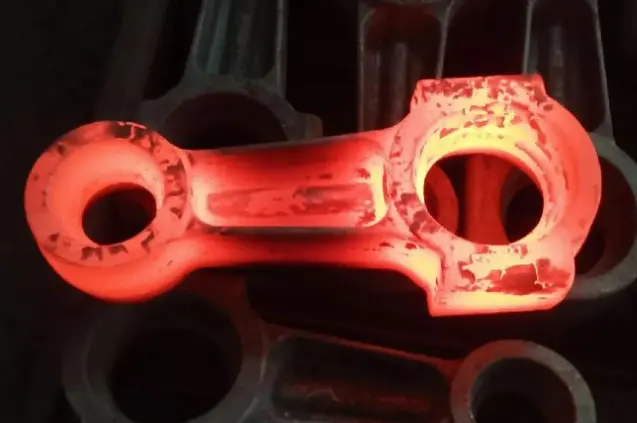
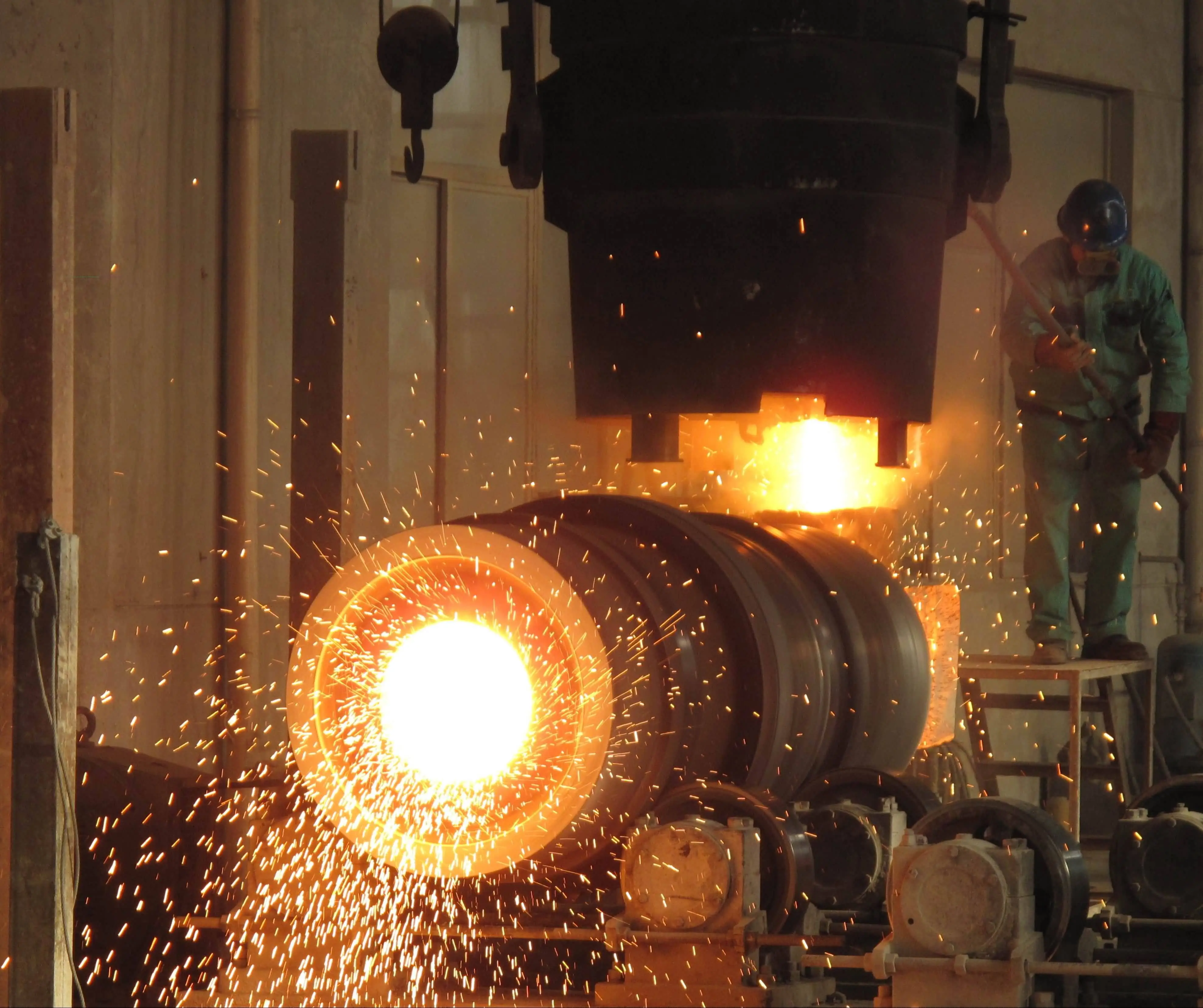
What is Precision Casting?|Process, Types, Applications?
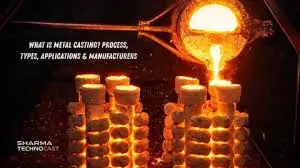
Precision casting is a specialized manufacturing technique that uses wax models wrapped in ceramic shells to turn molten metal into extremely precise parts. Compared to traditional casting methods, this method gives better surface finishes and more accurate measurements, making it essential for businesses that need to meet exact standards. This method is used by procurement workers in the aircraft, medical devices, and car industries to get complicated geometries with little waste and fewer post-processing steps. Supply chain managers can find skilled manufacturing partners who meet international quality standards and minimize total ownership costs if they understand the basics of precision casting.
Understanding Precision Casting: Definition and Process
The investment casting process has grown from metalworking methods used as early as 5000 B.C., when simple models were used to form molten copper. Precision casting is a more advanced version of these older methods. It uses tried-and-true principles along with current quality control tools to make parts with tolerances as small as ±0.05mm. Welong has been using this way of making things for twenty years and has helped customers in Europe, North America, and the Asia-Pacific area. Our methods, which are ISO 9001:2015 certified, make sure that the quality is always the same, from the first technical review to the final inspection.
The Step-by-Step Manufacturing Process
The first step is making a wax print. To do this, engineers carefully pour special wax into metal molds that have been precisely machined. These patterns copy every part of the finished product, even the threads, undercuts, and surface features that would be hard to make with other methods. Multiple wax shapes connect to a central sprue, making a tree-like structure that makes the oven work better and saves time and money. For casting metal, the temperature needs to be precisely controlled based on the alloy's makeup. Stainless steel grades need temperatures between 1450°C and 1650°C to pour, while aluminum alloys need temperatures between 700°C and 750°C. Operators heat shells to certain temperatures, which lowers the risk of thermal shock and helps the cavities fill. In serious situations, vacuum-assisted or rotary casting can help get rid of holes.
Materials and Metallurgical Considerations
A huge variety of engineering materials can be used for investment casting. 304, 316, and 17-4PH types of stainless steel are most often used in medical instruments and food processing because they don't rust and are safe for living things. For structural parts where high tensile strength is more important than rust resistance, carbon steel alloys are used. For aircraft brackets and housings, aluminum alloys have great strength-to-weight ratios. In heat exchanges, copper-based metals are better at conducting heat. At Welong, our engineering team helps clients choose the best materials based on their budget, working needs, and the conditions of the surroundings. This way of working together makes sure that parts work reliably for as long as they're supposed to while keeping costs low.
Types and Materials Used in Precision Casting
There are different types of precision casting used in modern manufacturing, and each one is best for a certain purpose or production need. Knowing these differences helps procurement workers match production methods to the needs of components and volumes.
Investment Casting Variations
Most precise casting processes are built on top of traditional investment casting. This method works great for making parts that weigh anywhere from a few grams to about 100 kilograms, and the measurement accuracy usually meets ISO 8062 standards at the CT5 to CT7 level. Surface finishing can be anywhere from Ra 3.2 to Ra 6.3 micrometers without the need for extra work, which cuts down on wait times and production costs. Vacuum precision casting concerns about porosity can be solved by vacuum precision casting in serious situations. This method keeps gas and oxide inclusions to a minimum by removing air from cast holes before and during the pouring of metal. This method is very helpful for aerospace parts that need non-destructive testing approval because it directly affects the structure's strength and resistance to wear. The process raises the cost of production by 15–25%, but it makes parts more reliable, which makes the extra money worth it for mission-critical parts.
Quality Control and Defect Prevention
To get uniform casting quality, production must be controlled in a planned way. Porosity is the most common flaw. It can be caused by trapped gases, shrinking during solidification, or thick parts not getting enough feed. Our quality systems deal with these problems by using computer solidification modeling during the quote phase to find possible trouble spots before the investment in tools is made. Surface flaws like clay inclusions or metal entry are often caused by changes in how the shell was prepared. Most surface problems can be avoided by keeping the slurry's viscosity at the right level, controlling the drying conditions, and keeping an eye on the refractory particle size distribution. When problems happen, root cause analysis and corrective action make sure that things keep getting better instead of just picking out the good parts and throwing away the bad ones.
Key Industrial Applications and Industries Served
Precision casting is a fundamental production process in many industries because the dependability of parts affects safety, performance, and the cost of doing business. Because the method is so flexible, it can be used to make parts that range from very small medical tools that weigh only a few grams to large industrial parts that weigh over 50 kilos.
Aerospace and Defense Applications
Parts for turbine engines are probably the most difficult things that investment casting technology is used for. Blades, vanes, and structure covers must be able to handle temperatures close to 1100°C while still having precise airfoil shapes that make the plane use the least amount of fuel possible. Nickel-based superalloys, such as Inconel 718 and René alloys, can meet these strict needs, and investment casting is still the only practical way to make intricate cooling channels that are built into blade designs. Aluminum and titanium investment castings are used to make structural braces and housings for all kinds of airplanes. These parts meet the fatigue resistance standards that are important for flying safety while also meeting weight reduction goals. Our aircraft supply chain clients like how investment casting combines multiple made parts into a single cast component. This cuts down on assembly work and gets rid of possible failure points at joints.
Automotive and Heavy Equipment
As automakers try to make lighter and more powerful cars, more and more engine parts, like turbocharger housings, exhaust pipes, and transmission cases, are made using precise casting. Stainless steel exhaust parts don't rust when exposed to the results of combustion, and they stay structurally sound after thousands of heat cycles between room temperature and 700°C. When you use investment casting to make steering knuckles, suspension parts, and brake calipers, you can make designs that aren't possible with just forging or cutting. Complex internal pathways for hydraulic fluid or weight-reduction pockets are made during the casting process, so there is no need for expensive extra work. It is still profitable to make between 5,000 and 500,000 pieces per year, which includes both high-end vehicles and bases that are used a lot.
Medical and Pharmaceutical Equipment
Surgical tools need to be made of safe materials that won't rust and have exact measurements. Some types of stainless steel, like 316L and 17-4PH, are approved by the FDA. Investment casting is used to make surgical tools with complex shapes. More and more orthopedic implants are made from titanium investment casts, which allow for custom solutions for each patient because the material is biocompatible and the design is flexible. Parts of tools used to make pharmaceuticals must meet strict hygiene standards. Investment cast pump housings, valve bodies, and mixing elements have smooth surfaces that don't let bacteria grow and can handle harsh cleaning chemicals and steam sterilization processes. Each production lot comes with material approval and tracking paperwork that helps meet legal and validation standards.
Energy and Industrial Sectors
Downhole tools, valve bodies, and pump parts used in oil and gas drilling equipment are all made from investment-cast parts. It is important for these parts to be able to handle wear and tear from abrasive slurries, corrosion from hydrogen sulfide and carbon dioxide, and mechanical loads from high-pressure activities. These problems can be solved with duplex stainless steels and nickel alloys, and investment casting is the only realistic way to make parts with complex internal flow pathways that improve hydraulic performance. When hydraulic efficiency has a direct effect on running costs, industrial pump makers choose impellers and volutes that were cast with investment casting. Precise blade shapes and smooth surface finishes lower turbulence and cavitation, which makes parts last longer and use less energy. We've helped industrial clients with everything from cold liquids to boiling metals, which shows how flexible the process is at all temperatures.
Precision Casting vs Other Casting Methods: Making the Right Choice
When making buying choices, it's helpful to know how precision casting stacks up against other ways of making things. Each method has its own benefits, and the best one to use relies on the shape of the part, the amount of material needed, the expected quality, and the production volume.
Investment Casting Compared to Sand Casting
Sand casting is a good way to make parts that weigh more than 200 kilograms or that are made in small batches of less than 50 pieces because it doesn't require expensive tools and can make parts of bigger sizes. According to ISO 8062, dimensional limits are usually between CT10 and CT13, which means that a lot of room needs to be made for cutting. Surface finishes usually have a Ra of 12.5 to 25 micrometers, which means that useful areas need extra work. Design complexity factors make these methods even more different. Sand casting has trouble with fine surface features, coring that is too complicated, and walls that are less than 6 mm thick. Using investment casting, you can make walls as thin as 1.5 mm, intricate internal pathways, and surface features like logos, part numbers, and useful textures. This design freedom lets parts be grouped, which cuts down on assembly steps and possible failure points.
Die Casting and Permanent Mold Alternatives
Die casting is the best way to make a lot of aluminum, zinc, and magnesium parts. It can produce more than 10,000 pieces per year with a great surface finish and consistent dimensions. Because of material limits, ferrous alloys and high-melting-point metals are not allowed. This means that steel or superalloy compositions can't be used in places where strength, temperature resistance, or rust protection are needed. Part shape limits set these methods apart even more. For part removal, die casting needs draft angles, and side-action systems can only handle so many undercuts. When you use investment casting, there are no such limits because the ceramic shell can be removed by mechanical release after the casting has hardened. Parts with zero-draft walls, reverse-taper features, and complex undercuts don't cause any extra problems during production besides mold design issues.
Procuring Precision Casting: Finding the Right Supplier
To find good suppliers of investment cast parts, you need to carefully look at their technical abilities, quality control methods, and prospects for forming a partnership. Professionals in procurement have to find a balance between lowering costs, meeting quality standards, and making sure the supply chain works well.
Supplier Qualification Criteria
The evaluation of technical knowledge includes the ability to provide engineering help. Suppliers who offer DFM analysis during the quote help improve designs for castability by finding problems with wall thickness, coring, or gates before committing to tooling. This way of working together cuts down on development times and stops expensive design changes after the product has been released. Our engineering team at Welong uses AutoCAD, Pro-Engineering, and SolidWorks. They can work with files in a variety of forms and offer design improvement advice based on their 20 years of experience in manufacturing.
Geographic Sourcing Strategies
Communication and cultural factors affect how well a relationship works. Direct buying from Chinese sources can be hard because of time zone differences, language barriers, and changes in how business is done. When you work with skilled middlemen, these problems go away because bilingual expert staff makes it easier to talk about engineering, negotiate business deals, and solve quality problems. Our 20-year history of working with clients in North America and Europe shows that a good communication infrastructure is key to long-term relationships that work.
Custom Manufacturing Journey
Welong speeds up this process by using tried-and-true methods that have been improved over hundreds of client projects. Our pre-qualification of suppliers cuts down on review delays, and our quality control staff's presence in manufacturing facilities lets us watch over production in real time. This system lowers the risk of buying and speeds up the time it takes to bring new parts to market.
Conclusion
Investment casting technology gives crucial parts the exact dimensions, a wide range of materials, and design flexibility that modern businesses need. Procurement experts can make smart buying choices that balance cost, quality, and delivery performance by knowing the basics of the process, the different materials that can be used, and the needs of the application. To get good results, you need to choose qualified providers with proven technical knowledge, strong quality systems, and engineering help that works with you. As global supply chains change, working with experienced service providers can help you get access to manufacturing skills while lowering the risks of buying things by managing suppliers and making sure quality standards are met.
FAQWhich Industries Rely Most Heavily on Investment Casting?
Precision castings are mostly used in the aerospace and military industries to make turbine engine parts, structural brackets, and flight control gear out of superalloys, titanium, and aluminum. Applications in the automotive industry include parts for engines, transmission housings, and frames that need to have complex shapes and close tolerances. Medical device makers use castings made of stainless steel and titanium to make surgical tools and implants that need to be biocompatible and precise. Investment castings are used to make industrial equipment like pumps, valves, and tools for making energy more efficient and resistant to rust.
How Does Investment Casting Achieve Such Tight Tolerances?
Multiple process controls working together give you accurate measurements. Precision-machined tools make wax designs that are always the same, and temperature-controlled injection parameters keep pattern variations to a minimum. The makeup of the ceramic shell and the way it is applied affect how the dimensions change during heating and the solidification of the metal. Temperatures and rates of cooling that are right for the alloy help keep thermal distortion to a minimum. Modern foundries use statistical process control to keep an eye on important factors during production. This way, they can keep tolerances between CT5 and CT7, which is what ISO 8062 standards say should happen, without having to do any extra work on most of the features.
What Factors Influence Lead Times and Costs?
Both the cost of tools and the cost of making a single piece depend on how complicated the part is. Shell making takes longer and produces less when there are lots of small features, thin walls, and complicated coring. The choice of material affects the cost of raw materials and the conditions for melting. For example, superalloys are more expensive than aluminum or carbon steel. The number of pieces made spreads the cost of amortizing tools out over many pieces, and costs per piece drop significantly above 500 pieces per year. Quality standards, such as mechanical testing, non-destructive examination, and certification paperwork, raise the base cost of manufacturing by 10 to 30 percent, based on the level of detail in the specifications.
Partner With Welong for Your Precision Casting Manufacturing Needs
Welong is an ISO 9001:2015 certified precision casting supplier that has worked with makers of aircraft, cars, medical devices, and industrial equipment in North America, Europe, and the Asia-Pacific region for more than 20 years. Our combined supply chain management combines technical knowledge, qualifying suppliers, overseeing production, and quality control under one accountable point. This gets rid of the hassle and risk of buying directly from China.
We make unique metal parts from your sketches or samples, and our engineering team uses AutoCAD, Pro-Engineering, and SolidWorks to help with CAD design. No matter how many prototypes you need or how many you need for production, our network of suppliers can get you the best prices without lowering the quality standards. Email our team at info@welongpost.com to talk about your precision casting needs and find out how our tried-and-true methods can lower your sourcing risk while improving the cost and delivery performance of your most important parts.
References
1. Campbell, J. (2015). Complete Casting Handbook: Metal Casting Processes, Metallurgy, Techniques and Design. Butterworth-Heinemann.
2. Blair, M. and Stevens, T.L. (2014). Steel Castings Handbook, 6th Edition. ASM International.
3. Beeley, P.R. and Smart, R.F. (2017). Investment Casting: Theory and Practice. Institute of Materials.
4. Jiang, W. and Fan, Z. (2018). Advanced Casting Technologies for Complex Geometries. Manufacturing Science and Engineering Journal, Vol. 42, pp. 156-178.
5. ISO 8062-3:2007. Geometrical Product Specifications (GPS) - Dimensional and Geometrical Tolerances for Moulded Parts. International Organization for Standardization.
6. ASM International Handbook Committee (2008). ASM Handbook Volume 15: Casting. ASM International Publishing.

Share your inquiry, get the quotation accordingly!
China WELONG- Your Reliable Partner in Metal Solutions