The Art of Precision Machining for Castings
Precision casting is a revolutionary way to make things that lets you make complicated metal parts with perfect surface quality and accuracy of size. This complex method, which is sometimes called "investment casting," makes it possible for businesses like aircraft, automotive, and medical device manufacturers to get parts with very tight tolerances and complicated shapes. Manufacturers can get results that traditional methods can't match by using controlled processes from making the shape to finishing it off. This is why precision casting is an important skill for global buying teams that need to find reliable, high-performance metal parts.
Understanding Precision Casting and Its ProcessWhat Defines Precision Casting
Investment casting is different from other methods of making things because it can copy complicated patterns with little post-processing. For example, sand casting makes surfaces that are rougher and need more work, and die casting can only use metals with lower melting points. But Precision casting can work with a wide range of materials, such as stainless steel, carbon steel, aluminum alloys, and special superalloys. This flexibility comes from the unique way the shells are built, using clay materials that can withstand high temperatures and capture small details.
The Complete Manufacturing Journey
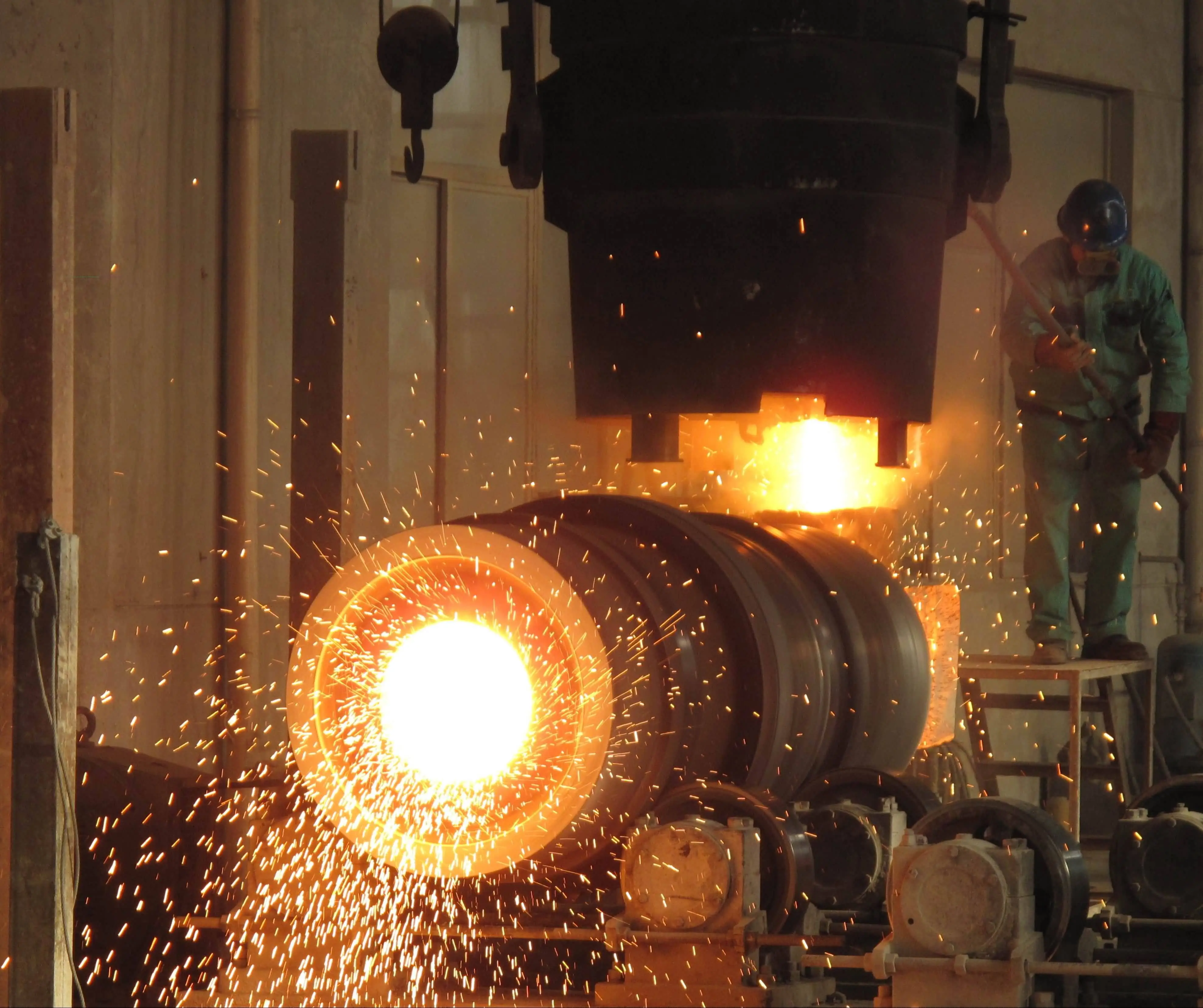
After applying the ceramic slurry, dipping and drying several times makes a strong shell around the wax assembly. This shell needs to get thick enough to handle the pressure of liquid metal while staying stable at room temperature. The dewaxing stage uses controlled burning to remove pattern material, leaving precise holes ready for the metal filling stage. Shell firing at high temperatures gets rid of any remaining water and organic matter, making a mold that is chemically solid and doesn't mix with metal. When shells are heated up ahead of time, molten metal runs into them and fills every hole. The casting is then solidified by controlled cooling. The metal parts can be seen after the shell is taken off, which is usually done by breaking it mechanically or chemically. Gates and shafts are split, and any flaws are smoothed out on the surface. This produces parts that meet strict requirements.
Material Selection and Performance
The choice of material has a huge effect on the success of casting and the performance of the parts. Stainless steel types don't rust, which is important for medical devices and food processing equipment, and they keep their mechanical power over a wide range of temperatures. Carbon steel versions offer cost-effective options where corrosion resistance is not as important, providing dependable performance in industry and vehicle settings. When it comes to aircraft parts, aluminum alloys' lightweight qualities are very important. Less weight directly affects fuel economy and payload capacity. Specialized alloys, like nickel- and cobalt-based superalloys, work well in harsh settings like turbine engines and oil drilling tools. They can handle temperatures and stresses that would break down regular materials.
Precision Casting vs. Alternative Manufacturing Methods: Making the Right ChoiceComparative Analysis of Manufacturing Options
When procurement managers choose industrial processes, they have to make tough choices because each one has its own pros and cons. By understanding these trade-offs, you can make smart sourcing choices that meet the needs of the project and help the business reach its goals.
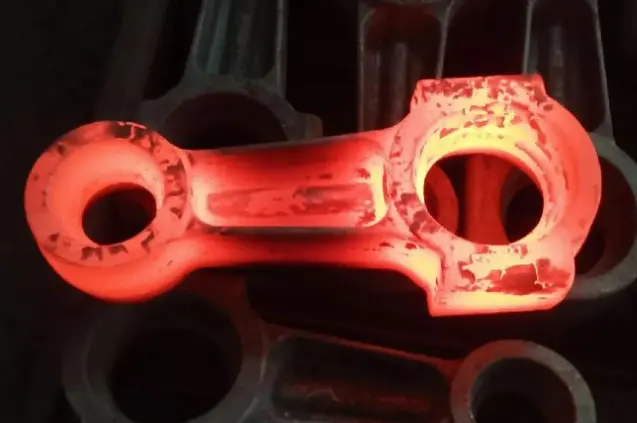
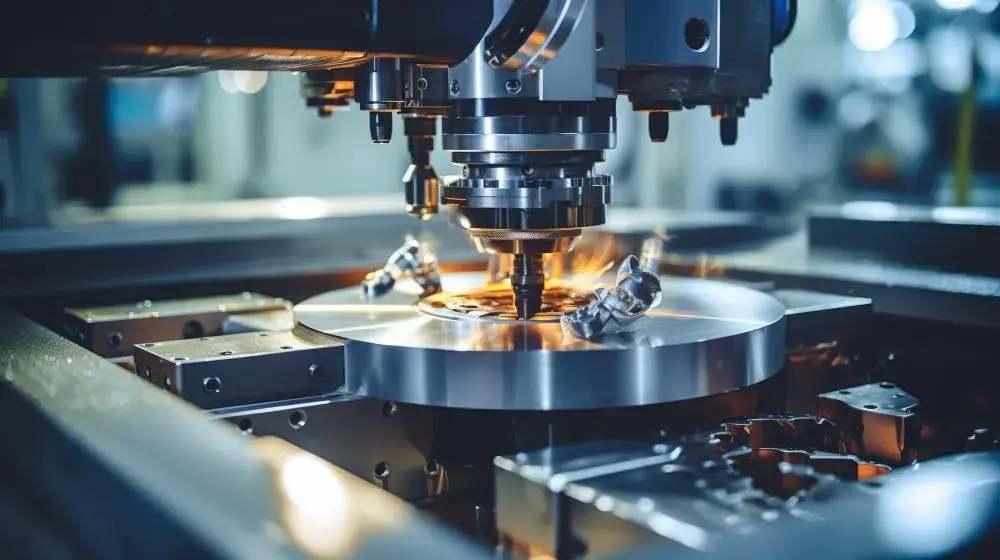
Forging gives better mechanical properties by finetuning the grain structure. This makes it better for high-stress uses like aircraft structural parts and car drivetrain parts. Complex shapes need expensive, multi-stage tools, which makes this process better for easier forms. CNC cutting from solid stock gives you the most precise control over dimensions and lets you make changes to the design without having to change the tools. Wasted materials and long cycle times raise costs, especially for complicated shapes that need a lot of material to be removed.
Strategic Selection Criteria
Component difficulty is one of the main decision factors. Precision casting makes near-net forms that don't need much machining afterward, which is great for designs with internal openings, undercuts, or complicated external features. Forging and cutting have trouble with these shapes, so they need to be done more than once, or the plan has to be changed. The amount of production has a big effect on the choice of method. The low cost of tools for investment casting makes it a good choice for medium to large production runs, which usually range from 50 to 10,000 units or more per year, based on the size and complexity of the parts.
Process choice is often based on the surface finish needs. Investment casting naturally makes surfaces that are smooth enough for many uses without a lot of finishing. Sand casting, on the other hand, needs a lot of finishing to get to the same quality levels. When special alloy qualities are needed, the ability of the material to be used in many ways is very important. Precision casting works with the widest range of materials, even high-temperature superalloys that can't be die cast. It's also less expensive than making solid billets for a long time.
Key Design and Quality Considerations in Precision CastingOptimizing Design for Castability
For Precision casting to work, the design needs to be optimized so that performance needs are met while manufacturing facts are taken into account. Uneven wall thickness stops different cooling rates that cause stress inside the wall and could lead to cracking. Designers usually keep the differences in width between parts to about 20 to 30 percent, and they use smooth shifts instead of sudden changes. Draft angles help get rid of patterns and make mold filling better. Depending on the length and direction of the surface, the best draft angles are between 0.5 and 3 degrees. Specifications for tolerances must take into account both functional needs and economic facts. Under ideal conditions, precision casting can get limits of about ±0.005 inches (±0.127 mm). However, such tight requirements raise costs by requiring more quality control and higher failure rates. Engineering teams should set tolerances that are technically necessary rather than arbitrarily tight. They should save key dimensions for areas that affect performance or assembly.
Quality Control Protocols
To avoid defects, output must be carefully watched over the whole process. Porosity, which happens when gas gets trapped or when the material shrinks during solidification, weakens its mechanical qualities and ability to hold pressure. Porosity is less likely to happen when the gates are designed correctly, mold leakage is controlled, and the metal is degassed. Incomplete filling can happen when the metal isn't smooth enough, the dumping temperature isn't high enough, or the gates are too tight. Simulation software used for process optimization finds possible filling problems before they happen during production. Good metal chemistry and temperature control make sure the fluidity is good.
Establishing Supplier Quality Partnerships
Effective quality assurance includes more than just random checks; it also includes working together with suppliers in a planned way. Misunderstandings that lead to expensive rework or refusal can be avoided by communicating specifications clearly. Before production starts, there should be an official agreement on detailed plans, material certifications, inspection criteria, and acceptance standards. Regular checks of suppliers make sure that the process can be done and that the quality system is working well. ISO 9001:2015 certification is a good starting point for quality assurance, but buying teams should also look at how things are done on the shop floor, records of how often equipment is calibrated, and the skills of the staff.
Procurement Insights: Engaging with Precision Casting SuppliersEvaluating Manufacturer Capabilities
To find skilled Precision casting providers, you need to do more than just compare prices. The technical skills of producers show whether they can actually meet the requirements. The complexity of equipment, such as systems for making shells, controlling furnace capacity and temperature, and checking gear, has a direct effect on the quality and lead times that can be achieved. When design improvement or problem-solving is needed, having access to engineering help is very important. Suppliers who give CAD/CAM, modeling tools, and skilled metallurgical knowledge add value beyond just making things. Certification and quality processes show how mature a company is. Getting ISO 9001:2015 approval shows that you are dedicated to managing quality in a structured way, keeping track of documents, and always making things better. Certifications that are specific to a field, like AS9100 for aerospace or ISO 13485 for medical devices, show that a company has the skills and is ready to meet the strict standards of that field. Location affects the difficulty of planning, the speed of contact, and the total cost of landing. When you combine strong quality systems with skilled supply chain management, China-based makers offer very low prices.
Managing Procurement Variables Effectively
Managing lead times starts with setting realistic goals based on the difficulty of the parts and the size of the order. Precision casting rounds usually last between 4 and 8 weeks, from the time an order is placed to the time it is delivered. However, for complex designs or first-time production, extra time may be needed for tooling approval and process optimization. Options for prototyping let you test your idea before committing to full production. Rapid prototyping using 3D-printed models shortens the time it takes to make something, which lets you try its functionality and make changes to the design with little cost. To get a quote, you should be able to see all of the costs, such as the amortization of tools, the price per unit across different volume levels, finishing and secondary operations, inspection and paperwork, and shipping to the delivery point. Volume savings usually become important after the minimum economic amounts are met. As volumes rise from 100 to 1,000 or more pieces, unit costs often drop by 15 to 30 percent. Working capital needs and exchange rate risk are both affected by payment terms and currency issues. Established suppliers with experience doing business in more than one country can usually work with agreed payment plans and deals in more than one currency, which makes the financial process smoother.
Building Strategic Supplier Relationships
Long-term relationship value goes far beyond the savings that each person makes on their own transactions. As a preferred seller, you may be able to get your capacity prioritized during times of high demand, work with other suppliers to lower costs, and get early access to new materials or process improvements. Communication standards make it clear what is expected for things like acknowledging an order, keeping people up to date on the state of production, reporting quality problems, and managing engineering changes. Businesses hold regular reviews to look at their success, make plans for growth, and make sure their strategies are aligned. Strategies for reducing risk protect against problems with supplies and poor quality. Even though dual-sourcing for important parts makes management more difficult, it protects against single-source dependencies. Carrying costs and stock-out risks should be balanced in inventory plans that take into account unpredictable demand and changes in lead times. Protections in contracts, like quality guarantees, intellectual property protections, and responsibility allocations, make promises and solutions official for both parties.
Future Trends and Innovations in Precision Casting and MachiningEmerging Technology Integration
When standard casting and additive production come together, they make hybrid methods that use the best parts of both technologies. 3D-printed models cut down on the time and money needed for molding, which makes low-volume production possible. Runs of 10 to 50 pieces are now cost-effective, which wasn't possible before. Direct metal printing of shell molds makes it possible to create internal shapes that can't be achieved through normal pattern removal. This lets designers create cooling lines that fit the shape of the mold and add functionality that works with the cast itself.
Automation and Quality Enhancement
Robotic shell building systems make ceramic application thickness and cooling processes more consistent than ever before. This is because they don't depend on human error, which used to be a problem for controlling the quality of Precision casting. Automated sequences of dipping, rotating, and stuccoing make shells that are all the same, freeing up trained workers to do more important work that requires them to use their senses and solve problems. In-line checking tools give you feedback on quality in real time, so you can fix the process right away. Automated dimensional scanning systems compare casts to CAD models and make variation reports that show regular patterns that need to be looked at.
Sustainability Considerations
As companies set higher and higher sustainability goals, environmental duty plays a bigger role in their buying choices. When compared to subtractive cutting, precision casting naturally wastes less material due to its near-net shape nature. Closed-loop metal recycling devices take in gates, risers, and failed castings and melt them down again so that the material can be used again with little loss in quality. By insulating the furnace, recovering waste heat, and optimizing firing cycles, energy economy can be improved. This lowers carbon footprints and running costs.
Conclusion
Precision casting is a great option for companies that need to make complicated metal parts with tight specs and high-quality surfaces. Understanding the basics of the process, how it compares to other methods, and important design factors helps you make smart buying choices that improve quality, cost, and lead time. Effective seller involvement based on clear communication, systematic capacity evaluation, and strategic relationship development changes buying from a one-time purchase to a partnership that drives competitive advantage. New technologies will likely keep improving precision casting, which will make this way of making things more useful for tough jobs in the aircraft, automobile, medical device, and industrial equipment sectors.
FAQWhat materials work best for precision casting applications?
The range of materials that can be used for Precision casting is extremely broad. 304, 316, and 17-4PH types of stainless steel are resistant to corrosion, which is important for medical devices, food processing equipment, and naval uses. Different types of carbon steel can be used to make inexpensive parts for cars and factories that don't need to be exposed to the environment. Aluminum alloys are lightweight, which is important for aircraft use. Specialty superalloys, like Inconel and Hastelloy, are used in jet engines and petrochemical processing equipment to handle high temperatures.
How does precision casting compare cost-wise to CNC machining?
Comparing costs varies a lot depending on how complicated the parts are and how much is being made. When removing a lot of material to get to the end form, especially for complex shapes, CNC machining from solid stock wastes a lot of material. Longer run times and more than one setup add up to more labor costs. Between 50 and 200 pieces, based on complexity, precision casting's modest tooling investment usually hits breakeven. After this point, the cost of casting each unit stays pretty much the same, while the cost of cutting stays the same. This means that as the number goes up, the economic benefits grow.
What lead times should procurement teams expect?
Most precision casting jobs take between 4 and 8 weeks from the time the order is confirmed until the parts are delivered. This schedule includes making the patterns, building the shells, filling the metal, ending the work, and inspecting it. To allow for tooling approval and process improvement, timelines may need to be extended for first orders or complicated new designs. 3D-printed models can shorten development processes to two to three weeks, which lets you test designs more quickly before committing to making the actual tools.
Partner with a Trusted Precision Casting Supplier
Welong has been handling China's Precision casting supply chain for global players in aircraft, automobile, oil drilling, and medical device production for more than twenty years. Our ISO 9001:2015-certified operations make sure that quality is strictly controlled at all stages of production, from optimizing the initial design to final review and foreign shipping. We make unique metal parts from your sketches or samples, and we can help with engineering by working with AutoCAD, Pro-Engineering, and SolidWorks. Our partners who make precision castings work with more than 100 companies in Europe, North America, and the Asia-Pacific region. They provide procurement managers with the technical know-how, open communication, and on-time deliveries they need. Talk to our team atmetal@welongpost.com about your precision casting needs and find out how a smart supply chain relationship can lower your sourcing risk and give you access to low-cost, high-precision manufacturing.
References
1. Campbell, John. "Complete Casting Handbook: Metal Casting Processes, Metallurgy, Techniques and Design." Butterworth-Heinemann, 2015.
2. Beeley, Peter R. "Foundry Technology." Butterworth-Heinemann, 2001.
3. Jones, Scott, and Yuan, Cheng. "Advances in Investment Casting Technology." Materials Science Forum, Vol. 783-786, 2014.
4. ASM International Handbook Committee. "ASM Handbook Volume 15: Casting." ASM International, 2008.
5. Ravi, B. "Metal Casting: Computer-Aided Design and Analysis." PHI Learning Private Limited, 2005.
6. Pattabhi Raman, R. and Sharma, C.P. "Investment Casting Handbook." Institute of Indian Foundrymen, 2016.

Share your inquiry, get the quotation accordingly!
China WELONG- Your Reliable Partner in Metal Solutions