What is Precision Casting and How Does it Work?
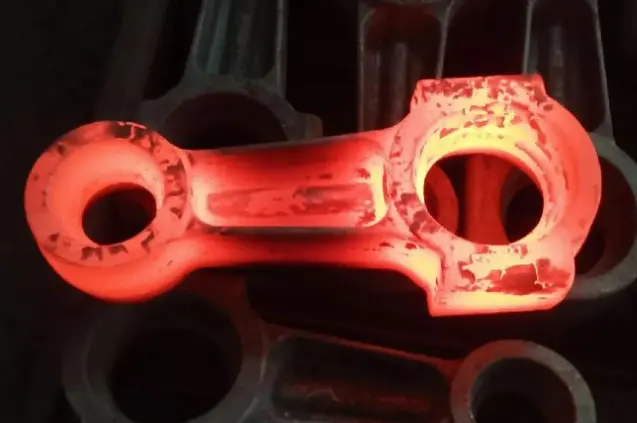
Precision casting is a production technique that produces metal parts with extremely accurate dimensions and fine details. A ceramic shell mold is made around a wax design that melts away when heated, leaving a hole that liquid metal can flow into. This method is commonly known as investment casting or lost wax casting. As a result, the final part needs very little cutting and is usually within ±0.005 inches of its exact size. This method is used in many fields, from aircraft to medical devices, because it can handle complicated shapes that are hard to do cheaply with other methods.
Understanding Precision Casting: Definition and Process
From the idea to the finished part, there is a set process that makes sure that both technical accuracy and industrial speed are met. Each step is very important for deciding the quality, surface features, and size consistency of the finished part.
The Evolution of Investment Casting Technology
Expertise in metal casting goes back more than 5,000 years, to when the first copper was poured into simple molds by skilled workers. In China and Europe in the Middle Ages, artists improved these methods to make very detailed weapons and items used in ceremonies. The Industrial Revolution sped up progress a great deal because the car and airplane industries needed parts that traditional sand casting couldn't always make. Investment casting was used by aircraft companies by the middle of the 20th century for rotor blades and structural parts that had to be strong and light at the same time. Even though computer-aided design, automatic dipping systems, and vacuum-assisted filling are used today, the basic ideas are still the same as they were in the past. These days, factories can make surfaces as smooth as 125 micro-inches and keep tolerances that mean extra processes aren't needed for many tasks.
Step-by-Step Process Breakdown
The whole process starts with making a wax figure. Toolmakers use wax or other low-melting-point materials to inject into precise metal dies. This makes sure that every thread, slot, and shape shown on engineering models is captured. Pattern precision has a direct effect on the quality of the end part, so maintaining tools is still very important.
Material Selection and Capabilities
One of the best things about investment casting is that it can be used with a lot of different materials. 304, 316, and 17-4 PH types of stainless steel are good for chemical handling equipment and marine uses because they don't rust and are strong. Carbon steels are a cost-effective choice when weather contact needs to be limited. Aluminum alloys make lightweight parts for the car and aircraft industries, and titanium is used in harsh settings that need high strength-to-weight ratios and biocompatibility. Inconel, Hastelloy, and cobalt-chrome are some examples of specialty metals that are used when high temperatures, corrosion, or wear resistance are needed. Choosing the right alloy means finding a balance between its mechanical qualities, the surroundings, following the rules, and the cost. This is where technical help is very helpful.
Key Benefits and Limitations of Precision Casting
Every way of making something has pros and cons that depend on the method, the cost, and the limitations of the real world. Procurement professionals can make smart buying choices that help projects reach their goals when they know where Precision casting works best and where other options might be better.
Primary Advantages for B2B Manufacturing
The level of accuracy in measurements is higher than with sand casting or fixed molds. With positional accuracy even better than linear limits of ±0.005 inches per inch, secondary machining processes are often not needed. When it comes to uses with mating surfaces or flow lines, this level of accuracy directly affects how quickly and well the parts are put together. The efficiency of using materials is higher than the methods that make parts from bar stock or plate. Near-net shape casting reduces the amount of trash that is made, which is becoming a more important factor as metal prices change and environmental goals are met. Being able to cast expensive metals like titanium or Inconel without making a lot of trash makes projects possible that would not have been possible before.
Practical Limitations and Considerations
Lead times for initial manufacturing and first articles are usually several weeks long because pattern dies need to be machined with great accuracy, and shell process proof needs close attention. Because of this initial cost, the process is most cost-effective for production runs of more than a few hundred pieces. However, the exact break-even points rely on the complexity of the part and the metal chosen. Even though process control helps reduce casting flaws, they can still be a problem. It's possible for there to be holes from trapped gases, shrinkage spaces in heavy parts, inclusions from clay erosion, and surface flaws. Suppliers with a good reputation use strict quality systems like X-ray checking, measurement verification, and metallurgical testing to find and fix problems before they are shipped.
Comparison with Alternative Casting Methods
It's cheaper to make sand molds for sand casting, and the parts it can hold are much bigger, but the surface finish and accuracy of investment casting are better. It's great for pump housings, valve bodies, and structural parts that will be machined after casting because it can handle part weights of up to tons. Investment casting is in the middle. It gives you a lot of design freedom and a lot of different materials to choose from, which means that you only need to spend a modest amount of money on tools for medium to high production rates, where precision and complexity add real value.
Precision Casting Applications Across Industries
Precision casting is used in many fields where part reliability, weight optimization, and geometry complexity all come together. Applications in the real world show how this way of making things solves certain tech problems.
Aerospace and Defense Systems
Jet engine turbine blades are a good example of what investment casting can do. When these parts are spinning at thousands of RPM and temperatures above 2,000°F, they need to be made of superalloy materials that are cast with cooling channels inside and precise aerodynamic shapes down to the thousandths of an inch. Similarly, investment casting helps reduce the weight of structural frames, actuator housings, and fuel system parts. It also makes design unification possible. A standard regional jet has hundreds of investment-cast parts, and each one helps the plane's total performance, fuel economy, and safety. The process is essential for aircraft makers around the world because it lets them make parts with uniform metallurgical qualities and dimensional conformity.
Automotive and Industrial Equipment
Engine parts like turbocharger housings, exhaust manifolds, and rocker arms show how investment casting is used by car engineers to balance efficiency with cost-effective production. Complex internal pathways improve the flow of exhaust gas, and built-in mounting features get rid of the need for welded parts. The process is also good for parts of the transmission, chassis, and steering system. Similar ideas are used by companies that make industrial equipment to make pump impellers, valve bodies, and parts of hydraulic systems. These parts need to have precise geometry and stable material properties throughout the production run to keep pressure and flow routes inside the system contained.
Medical and Dental Devices
One of the most difficult things to make with investment casting is orthopedic implants. Hip and knee replacement components require biocompatible alloys, precise dimensions for proper fit, and surface characteristics that promote bone integration. The complicated geometries of surgical tools make them more useful while still keeping them sterilizable. When making dental prosthetics, both good looks and long-lasting functionality are important. Choosing the right provider is very important because of rules like FDA approval and ISO 13485 compliance. Traceability, process validation, and quality documentation are all part of the business partnership.
Industrial OEM Production
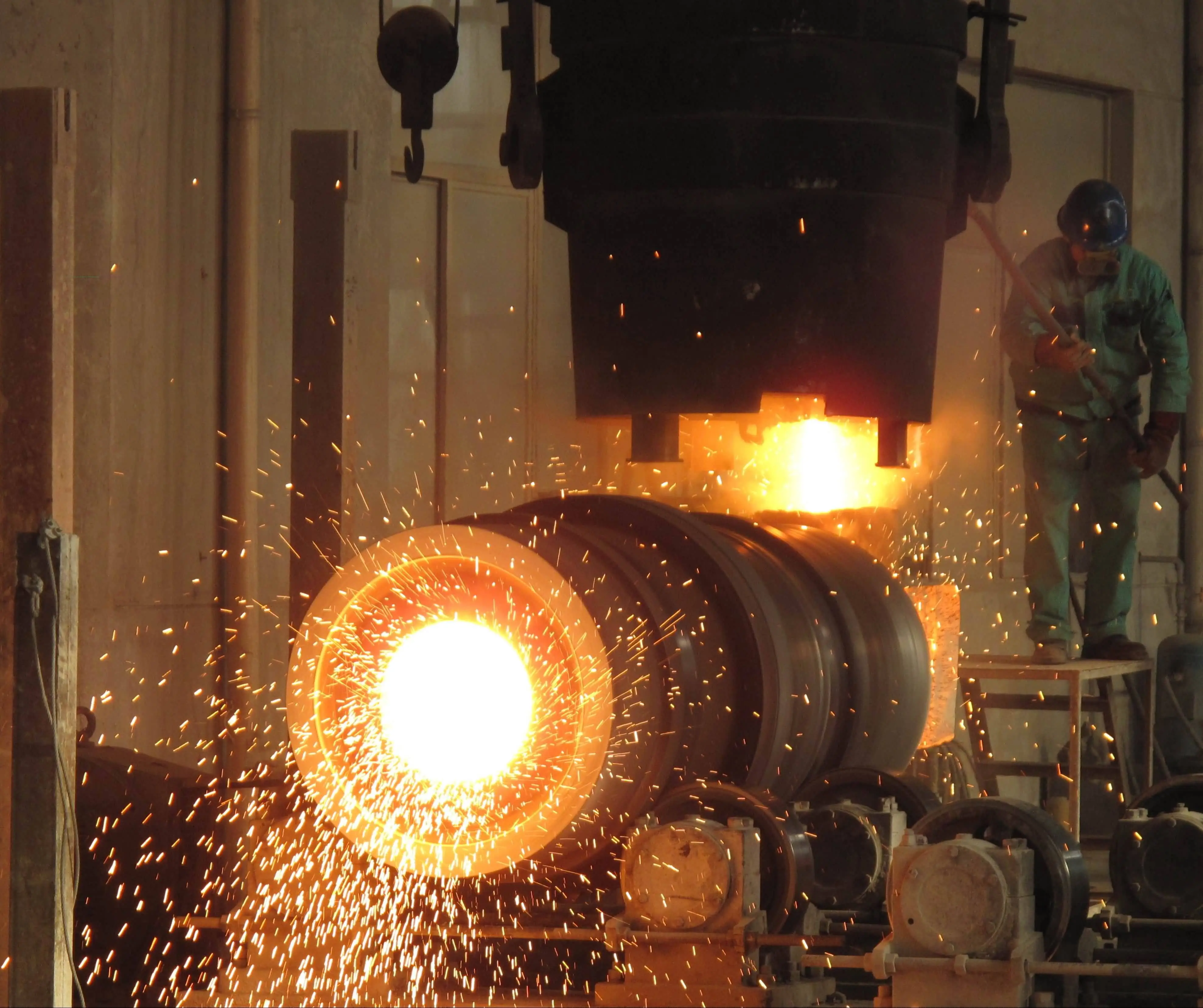
Investment casting is used by original equipment makers in the processing, energy generation, and fluid handling industries to make unique parts that can't be found in a catalog. The process works well at any size, making it possible to make 500 custom valve bodies for a chemical plant growth or 5,000 pump impellers for a business HVAC line without changing the quality of any one part. With prototyping, you can test your idea before investing in high-volume tools. This lowers the risk of development and speeds up time-to-market.
Quality Control and Technical Considerations
To keep quality the same from one production run to the next, checking, process tracking, and working together with suppliers need to be done in a planned way. People who work in procurement can benefit from learning how top foundries handle quality assurance and what kinds of paperwork help with tracking for Precision casting.
Industry Standards and Certifications
ISO 9001:2015 certification sets the standard for quality management systems that include control over designs, validation of processes, testing methods, and ongoing growth. A lot of aerospace providers are certified to AS9100 standards, which adds industry-specific rules to risk management and setup control. ASTM International puts out material standards that list the alloys' chemical makeup, mechanical qualities, and ways to test them. Accreditation by NADCAP checks that a process can do certain things, like heat treatment and non-destructive testing. When looking for investment castings for important uses, making sure that these certificates are valid gives you peace of mind that the supplier's systems are in line with best practices around the world.
Inspection Methods and Defect Mitigation
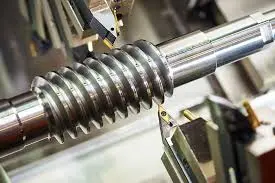
Coordinate measuring tools are used for dimension verification, which collect hundreds of data points by comparing the real shape to CAD models. With statistical process control, trends are watched before parts get out of range. X-ray radiography can find internal porosity, liquid penetrant analysis can find surface cracks, and ultrasound examination can find material discontinuities. Tensile testing and microstructural study are used in metallurgical research to check the grain structure, hardness, and mechanical properties. Suppliers with a good reputation give thorough reports on the first article review and keep detailed records for each production lot. This makes it possible to find problems in the field if they happen.
Optimizing Lead Times and Costs
Production plans rely on a number of factors, such as the complexity of the part, the amount of the order, the availability of the alloy, and the current capacity of the facility. Simple parts made of common metals could be shipped in four weeks, but complicated titanium parts that need to be inspected carefully could take twelve weeks. Clear conversation during the quote process sets realistic goals and finds ways to change designs so they can be manufactured without sacrificing function. Tiered pricing is often possible with volume agreements because setup costs are spread out over bigger runs. Blanket purchase orders with planned releases keep inventory costs in check by balancing per-unit prices. This works especially well for parts that are used at regular rates.
Selecting the Right Precision Casting Supplier
Comparing prices isn't the only thing that goes into sourcing choices; technical ability, quality systems, communication efficiency, and the possibility of a long-term partnership are also important. Tough evaluation of suppliers lowers risk and sets the stage for successful programs involving Precision casting.
Critical Evaluation Criteria
How well a seller can meet your wants depends on how much they can produce. Facilities equipped with multiple furnaces, redundant dipping lines, and adequate finishing departments demonstrate the capability to handle production surges without compromising delivery commitments. Investing in technology like robotic dipping, automatic wax injection, and vacuum pouring systems shows that the company is looking to the future and is focused on quality and speed. Lead times, logistics costs, and the way people talk to each other are all affected by where they are. Domestic providers are closer and make it easier to follow trade rules, but they may charge more per unit. Asian providers, especially those in China, offer low prices and a huge amount of capacity, but it takes organized processes to deal with different time zones, language differences, and quality control. European foundries find a good mix between high-level technical skill and practical shipping across the Atlantic. What you should do depends on how much risk you are willing to take, how much you care about cost, and how long you need to wait.
Quality paperwork and certifications show how seriously a provider takes systematic quality management. In addition to ISO 9001:2015, you should look for credentials unique to the business, a history of customer audits, and a willingness to provide thorough process documentation. Suppliers who work with the medical and aircraft industries often have strict rules that help all of their customers.
Partnership Considerations
When two people trust each other and build a long-term friendship, it's good for both of them. Suppliers who know your applications, standards, and preferred ways of communicating with you work more efficiently, making fewer mistakes and solving problems faster. As you look into ways to improve designs, replace materials, or cut costs, engineering help becomes more and more useful. A seller who cares about your success will suggest ways to make things better instead of just finishing orders. Client comments and relationships with original equipment manufacturers (OEMs) show that a company is capable and reliable to others. Suppliers that work with difficult industries and get return business show that they consistently do a good job and keep customers happy. When making important choices about where to get things or for important applications, don't be afraid to ask for references and visit the site.
Conclusion
Investment casting is the best way to go when you need complicated shapes, tight standards, and a wide range of materials. By learning the basics of the process, figuring out where it works better than other methods, and carefully checking out a supplier's skills, procurement pros can find parts that meet technical needs while minimizing risk and cost. As production technology keeps getting better, Precision casting will still be useful in many fields because it allows for freedom in design, accuracy in measurements, and efficient use of materials. Strategic relationships with suppliers based on technical know-how, dedication to quality, and open communication change buying from a one-time transaction to a team effort to solve problems that gives the company a competitive edge.
FAQWhat tolerances can investment casting achieve?
Linear margins for Precision casting are usually between ±0.005 and ±0.010 inches per inch, but this can change based on the size, shape, and metal of the part. Tighter tolerances are possible with careful process control, but they might need more checking or selective cutting. Positional limits for important features often reach ±0.003 inches, which means the process can be used for tasks that need exact alignment or surfaces that need to fit together without any other steps.
How does alloy selection impact casting feasibility?
The success of casting depends on how flexible the material is, how it solidifies, and how much it expands when heated. Alloys made of aluminum flow easily and harden in a predictable way, so they can be used for thin walls and detailed features. Stainless steels need to be poured at higher temperatures and have carefully designed gates. Titanium needs to be poured under a vacuum to keep it from getting dirty. When it comes to reactivity and shrinking, specialty metals like Inconel pose extra problems. When quoting, experienced providers give design-for-manufacturing comments to address material-specific issues before investing in tools.
What minimum order quantities are involved in casting economically?
For tooling amortization to work best, you should make more than 500 pieces. However, the exact break-even points rely on the complexity of the part and the cutting options available. When practical needs support the expense or when designs need to be tested before high-volume commitments, prototypes and low-volume runs are possible. Talking to suppliers about your overall program number and how often you plan to reorder helps them set prices that work with your business model.
Partner with Welong for Reliable Investment Casting Solutions
Supply chain leaders and procurement managers looking for a reliable Precision casting maker will find Welong's 20 years of experience a great way to lower the risk of sourcing while still using China's manufacturing capabilities. Our ISO 9001:2015-certified methods make sure that the quality is the same in uses like aerospace, automotive, oil and gas, and medical devices. We work straight from your samples or plans, and we have engineering help available through AutoCAD, Pro-Engineering, and Solidworks to make sure the design is as good as it can be. We know what global OEMs want when it comes to tight standards and paperwork because we've shipped customized metal parts to over 100 customers in Europe, North America, and the Asia-Pacific region. Our expert team works with you from the first quote to the final delivery, whether you need parts for a rotor, a hydraulic system, or a specific medical device. Contact us at metal@welongpost.com to talk about your unique needs and find out how our knowledge of the China supply chain can help you find the right precision casting provider for your projects.
References
1. Brown, J. R. (2018). Foseco Ferrous Foundryman's Handbook (11th ed.). Butterworth-Heinemann.
2. Campbell, J. (2015). Complete Casting Handbook: Metal Casting Processes, Techniques and Design (2nd ed.). Butterworth-Heinemann.
3. Investment Casting Institute. (2020). Investment Casting Design Guidelines and Process Capabilities. Investment Casting Institute Technical Committee.
4. Beeley, P. R., & Smart, R. F. (2016). Investment Casting: Proceedings of the Edward F. Bradley Memorial Symposium. The Minerals, Metals & Materials Society.
5. ASM International Handbook Committee. (2017). ASM Handbook Volume 15: Casting. ASM International.
6. Clegg, A. J., & Das, A. A. (2019). Precision Casting Processes: Technology and Applications for High-Integrity Components. William Andrew Publishing.

Share your inquiry, get the quotation accordingly!
China WELONG- Your Reliable Partner in Metal Solutions