What are the typical defects in forging and how to avoid them?
Metal is shaped by compression forces during forging, which is an important part of production. Parts that are forged are strong and last a long time, but mistakes can happen during the process that make the final product less good. To make sure they make good cast parts, people who make them need to be aware of these flaws and take steps to avoid them. Most of the time, people make mistakes when they are forging. This blog post will talk about those mistakes and give you ways to avoid them. Companies can make better forged parts that meet or go beyond industry standards by fixing these issues. This will also help them make more products and lose less. No matter how much or how little experience you have with forging, this full guide will help you get through the tough spots and make your work better.
What are the most common surface defects in forged parts?
Laps and Folds
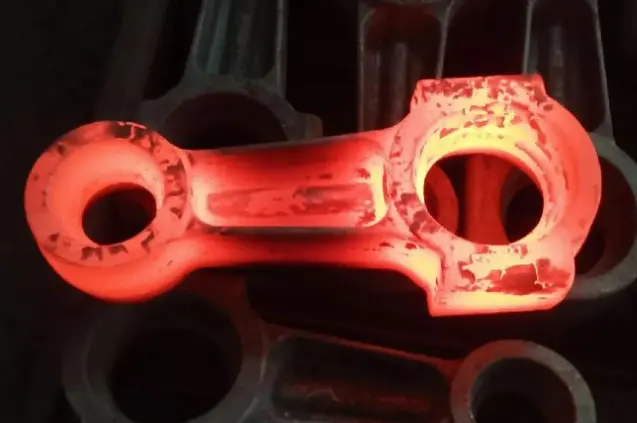
Laps and folds are two of the most common surface flaws in cast parts. These flaws happen when the metal doesn't move properly during the forging process, leaving material on the surface of the part that is overlapping or folded. Laps and folds can seriously damage the strength and performance of cast parts, causing them to break down early and have a shorter useful life. To keep these flaws from happening, makers must carefully manage the forging temperature, make sure the dies are designed correctly, and keep the right amount of oil in the forging process. Using advanced modeling software and making sure the preform is designed correctly can also help predict and stop laps and folds from forming in forged parts.
Scale Pits
Scale pits are another common flaw on the surface of cast parts that can lower their quality. These flaws show up on the surface of the forged part as small depressions or indentations. They are usually caused by iron scale that forms during the forging process. Scale pits not only make the part look bad, but they can also cause stress to build up and make it less resistant to wear. Before forging, producers should clean and descal before using their products to reduce the chance of scale pits. Using protective atmospheres while heating and keeping the boiler in good shape can also help keep scale from forming. Additionally, improving the forging process and using the right die designs can help lower the chance of scale pits forming in cast parts.
Die Wear
Die wear is a big problem in forging because it can cause many different surface flaws in the parts that are made. When dies are used over and over and are exposed to high temperatures and pressures, they may get wear patterns that show up on the parts that are made. This can lead to errors in the dimensions, a rough surface, and lower part quality. To fix problems caused by die wear, companies should do regular inspections and repair on their dies. Using new die materials and coatings can make the surface better and increase the life of the die. Also, making sure that forging factors like temperature, pressure, and lubrication are just right can help keep die wear and its effects on forged parts to a minimum. Computer-aided simulations and process tracking systems can also help predict and stop defects in forging operations that are caused by die wear.
How can internal defects in forged parts be detected and prevented?
Porosity and Voids
Porosity and gaps inside forged parts can really change how well they work and how strong they are. These flaws happen when air or gases get stuck in the metal while it is being cast. This makes the part have tiny holes or pores all over it. The best way to find holes and cracks in cast parts is usually to use non-destructive testing methods, such as ultrasonic screening or radiography. To avoid these flaws, the conditions for the forging process should be made as good as they can be. This means making sure the block is ready, the heat is under control, and there is enough pressure for forging. It's also less likely that gas will get trapped if vacuum degassing methods are used during the melting and casting steps. And using high-tech modeling tools can help you guess where holes might appear, which lets you change the forging process before they happen.
Internal Cracks
Inside cracks are one of the worst things about cast parts because they can break in the worst way while they're being used. It's possible that these flaws are caused by the wrong forging temperatures, too much bending, or impurities in the raw material. To find cracks in a building, it's often necessary to use advanced non-destructive testing methods, such as magnetic particle inspection or eddy current testing. Forged parts shouldn't get cracks inside them, so the forging temperatures should stay at the right amount the whole time and important parts shouldn't bend too much. It is also less likely that interior cracks will form if you choose the right materials and make sure they are of good quality. Using finite element analysis and process modeling tools can also help find places where stress is concentrating and make the forging process better so that parts don't get cracks inside them.
Microstructural Defects
Microstructural flaws in cast parts can really change how well they work and how strong they are. One of these problems is when the size of the grains changes, phases change without reason, or the microstructures aren't all the same. Many times, you need to use metallography and advanced microscope methods to find flaws in the microstructure. To make sure that forged parts don't have any flaws in the microstructure, makers should keep an eye on the temperature, the rate of distortion, and the conditions for cooling. You can get the microstructure and traits you need if you heat treat the metal in the right way after shaping. You can also use thermomechanical processing to speed up the shaping process and get the microstructures you need that are all the same. It's also helpful to keep an eye on the process and explain the material on a regular basis so that any microstructural flaws can be found and fixed before they affect the quality of the final product.
What are the best practices for quality control in forging operations?
Process Control and Monitoring
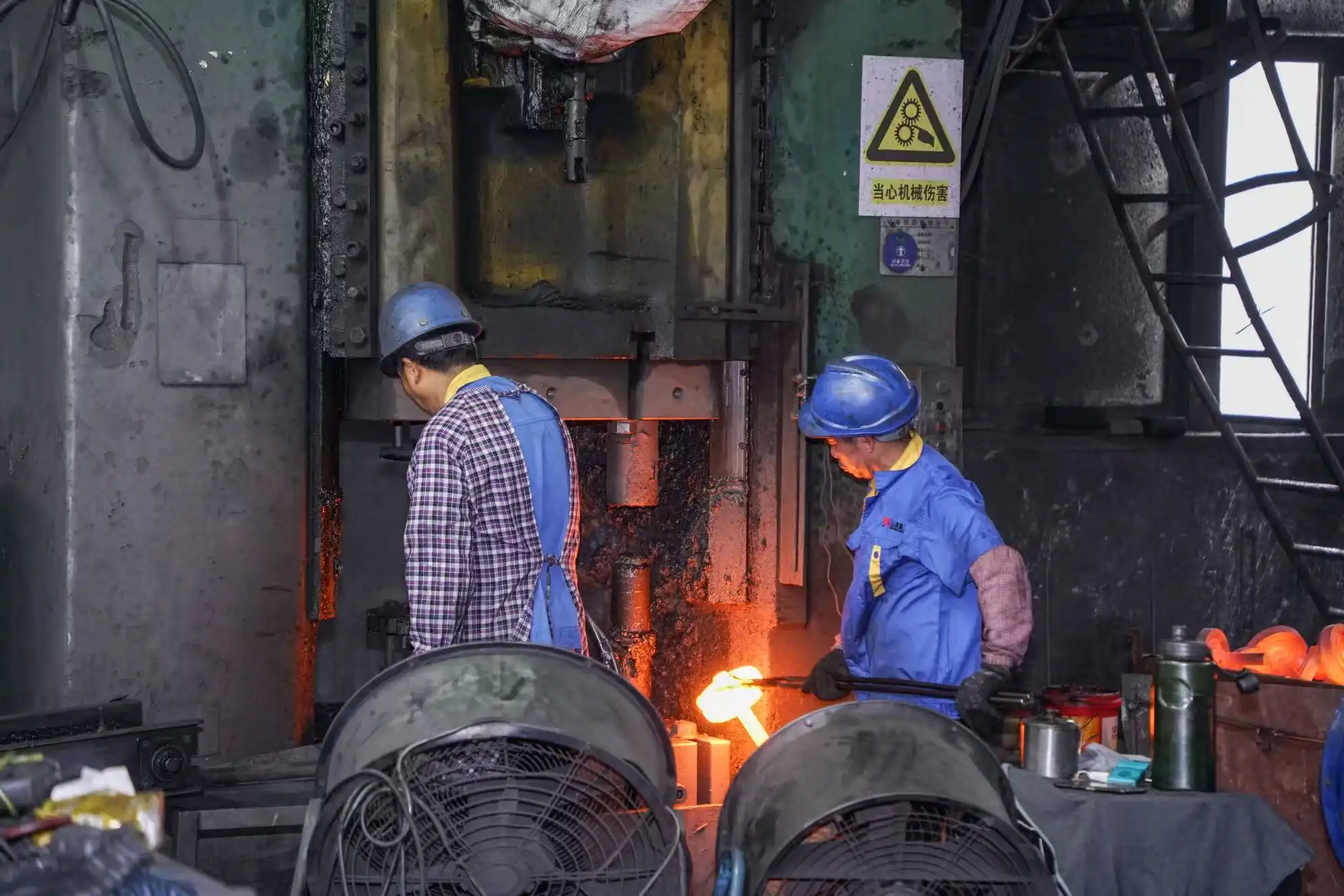
To keep the quality of the forging work the same, it's important to set up good tools for process control and tracking. This means you need to keep an eye on and control things like temperature, pressure, and the rate at which the metal breaks while it is being forged. High-tech sensors and data gathering tools can be used to get real-time information on things that are important to the process. People who make parts can look at this data, find trends and outliers, and quickly make changes to keep parts from being flawed. Using statistical process control (SPC) methods can also help make and keep the best working conditions. Keeping forging tools like presses, furnaces, and dies in good shape is also important to keep the process under control and lower the risk of flaws in the parts that are formed.
Inspection and Testing Methods
Parts that have been made should be checked and tested thoroughly to find mistakes and stop them from happening. The best way to find problems on the surface is still to look at something. We need new non-destructive testing (NDT) methods, though, to find flaws in the steel. An ultrasonic test is one of the most popular NDT methods used to check the quality of forgings. There are also times when radiography and magnetic particle screening are used. Machine vision and robotic inspection cells are two types of automatic inspection systems that can help find flaws more quickly and correctly. Destruction tests, like tensile testing, impact testing, and metallographic study, can also help you learn more about how cast parts work and what their microstructure looks like. In the forging process, it is best to use statistical sample plans and clear standards for what is acceptable to make sure that quality control is always done right.
Continuous Improvement and Training
Important parts of quality control in forging operations are creating a mindset of constant improvement and giving employees thorough training. Lean production and Six Sigma methods can be used to help find and get rid of sources of variation and defects in the forging process. Regular audits and performance reviews can help you find places to improve and keep quality control methods getting better. Putting money into training programs for employees makes sure that operators, technicians, and quality control staff have the skills and information they need to keep quality standards high. This includes learning how to use tools correctly, find problems, and keep an eye on quality. Improving quality control in forging operations can also be helped by getting people from different areas to work together and share their knowledge. Manufacturers can greatly lower the number of flaws in forged parts and improve the quality of their products generally by constantly improving processes and giving workers the right tools and information.
Conclusion
As a last but not least point, it is important to know about and fix the most common issues that come up when things are being made. To make forged parts that are better and have fewer flaws, manufacturers should use advanced inspection methods, set up the right process controls, and promote a mindset of always getting better. You need to know about the newest changes in materials science and shaping technology if you want to stay ahead of the others in your field. By putting quality control and failure prevention at the top of their list of priorities, manufacturers can make sure that the forged parts they make are reliable, last a long time, work well, and meet the strict needs of many industries.
Shaanxi Welong Int'l Supply Chain Mgt Co.,Ltd. is a leading provider of customized metal parts for various industries. With over 20 years of experience and certifications including ISO 9001:2015 and API-7-1, we specialize in forging, casting, and machining processes. Our global presence spans across Europe, North America, and Asia, serving more than 100 customers. We offer a wide range of products, including sand casting, investment casting, centrifugal casting, die casting, and open/close die forging in various materials. Our engineering department utilizes advanced CAD software to design and optimize products. At Welong, we strive to be a leader in the international supply chain, promoting China's intelligent manufacturing on a global scale. For inquiries, please contact us at info@welongpost.com.
FAQ
Q: What are the most common surface defects in forged parts?
A: The most common surface defects in forged parts include laps and folds, scale pits, and defects caused by die wear.
Q: How can internal defects in forged parts be detected?
A: Internal defects can be detected using non-destructive testing methods such as ultrasonic inspection, radiography, and magnetic particle inspection.
Q: What causes porosity in forged parts?
A: Porosity in forged parts is typically caused by gases or air becoming trapped within the metal during the forging process.
Q: How can microstructural defects in forged parts be prevented?
A: Microstructural defects can be prevented by controlling forging temperature, deformation rate, cooling conditions, and implementing proper heat treatment processes.
Q: What are some key process control measures in forging operations?
A: Key process control measures include monitoring temperature, pressure, and deformation rates, as well as implementing statistical process control techniques.
Q: Why is continuous improvement important in forging quality control?
A: Continuous improvement helps identify and eliminate sources of variation and defects, leading to enhanced product quality and reduced waste in forging operations.
References
1. Smith, J. D. (2018). Forging Process Defects: Identification and Prevention. Journal of Manufacturing Engineering, 42(3), 215-230.
2. Johnson, A. R., & Williams, P. K. (2019). Advanced Non-Destructive Testing Methods for Forged Components. Materials Evaluation, 77(5), 612-625.
3. Brown, M. E., & Davis, S. L. (2020). Quality Control Strategies in Modern Forging Operations. International Journal of Metalforming, 13(2), 145-160.
4. Thompson, R. C. (2017). Microstructural Evolution in Forged Alloys: Mechanisms and Control. Metallurgical and Materials Transactions A, 48(10), 4851-4867.
5. Lee, H. S., & Park, K. T. (2021). Process Optimization for Defect Reduction in Precision Forging. Journal of Materials Processing Technology, 291, 117005.
6. Anderson, L. M., & Roberts, G. P. (2019). Continuous Improvement Methodologies in Forging Industry: A Case Study Approach. Total Quality Management & Business Excellence, 30(11-12), 1342-1358.

Share your inquiry, get the quotation accordingly!
China WELONG- Your Reliable Partner in Metal Solutions