What are precision machined parts?
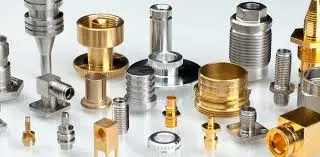
Precision-machined parts are parts that are made with very tight tolerances and very accurate measurements, usually within ±0.001 to ±0.0001 inches. Excess metal or plastic is cut off these parts using special cutting tools as part of controlled material removal processes. The result is exact specs that meet strict engineering requirements. Machined parts are better at controlling their dimensions than cast or forged parts because they are made using subtractive manufacturing methods that make sure the same thing happens over and over again during production runs. Precision machining gives procurement workers the dependability and regularity they need in important fields like aircraft, automotive, medical devices, and industrial gear. Knowing about these parts helps B2B buyers choose providers that can meet strict quality standards, make assembly easier, support long-term operating performance, and keep costs low in global supply chains.
Overview of Machined Parts and Their Types
There are different types of machining for Machined parts, and each type is best for a certain set of performance needs and application settings. Knowing these differences helps buying teams make smart decisions about where to source things that meet the needs of the project.
CNC Machining vs. Conventional Machining
When compared to hand machining, CNC machining is a big step forward. In traditional machining, the skill of the user guides the cutting tools. In CNC systems, on the other hand, computer software controls the moves of the machine down to the micron level. This technology makes sure that the quality of thousands of parts is the same, gets rid of human mistakes, and makes it possible to do complicated designs that would be impossible to do by hand. These days, CNC technology is the standard for precise work, especially when margins of less than ±0.005 inches are needed. The technology allows for quick changes to the setup, which means it can be used for both small trial runs and large production runs.
Custom Precision Parts vs. Standard Components
Custom precision parts are made from plans or samples given by the customer, which gives the designer full freedom to meet the specific needs of the application. When off-the-shelf parts can't meet specific goals in terms of fit, function, or performance, these parts are used instead. Standard components, on the other hand, are easy to find and follow set standards, but they can't be changed to fit unique needs. Precision machining is the best way to make things because many procurement workers in the aircraft, oil drilling, and medical device industries need unique solutions that meet exact engineering specs.
Material Selection for Machined Components
Material choice has a big impact on how well a part works, how long it lasts, and how much it costs to make. Some common metals are steel alloys, which are strong and don't wear down easily, aluminum, which is easy to work with and has a good strength-to-weight ratio, titanium, which is resistant to corrosion and works well in harsh environments; and brass, which is easy to work with and looks good. Engineering plastics, such as PEEK and Delrin, are used in places where chemical protection or electrical insulation is needed.
Precision Machining Process Explained
To turn raw materials into finished Machined parts that meet exact specs, the precise machining workflow combines cutting-edge technology, skilled work, and strict quality standards.
CNC Technology and CAD/CAM Integration
CAD (Computer-Aided Design) software like AutoCAD, Pro-Engineering, or SolidWorks is used to make digital design files that are the starting point for modern, precise cutting. The CAM (Computer-Aided Manufacturing) program then works on these digital models to make toolpaths and machine directions. This smooth connection between designing and making makes sure that complicated shapes are turned into real parts without any mistakes in interpretation. CAM software figures out the best way to cut, picks the right tools, and adjusts passes and speeds to get the job done quickly and well. The digital approach also lets designers make changes to designs quickly, which lets engineering teams make parts better during the development process.
Key Machinery and Manufacturing Techniques
Precision machining shops use a wide range of specialized tools to make parts with different shapes and requirements. Multi-axis CNC mills move up to five axes at the same time to make complicated forms, slots, and contoured surfaces by cutting away material from fixed workpieces with spinning cutting tools. With perfect concentricity, CNC lathes turn the object while cutting tools shape circular parts like shafts, bushings, and threaded parts. Abrasive wheels are used in grinding tools to get very smooth surfaces and hold tolerances as small as ±0.0001 inches. This is especially useful for bearing surfaces and sealing contacts. Electrical discharge machining (EDM) uses controlled electrical sparks instead of mechanical cutting to make complex shapes in tough materials.
Quality Assurance and ISO Compliance
To keep standards tight, production must follow strict quality control procedures at all times. Coordinate measuring machines (CMMs) are used for dimensional inspection to make sure that finished parts match the design specs within the allowed ranges. Testing the surface roughness makes sure that finishes meet the practical needs for resistance to wear and assembly fit. Material verification makes sure that the stock that was sent fits the grades and qualities that were asked for. Before full runs start, the first article review checks that the production setup is correct, and in-process tracking finds mistakes before they affect many parts. International buyers look for ISO 9001:2015 approval as a quality management system.
Advantages of Precision-Machined Parts for B2B Procurement
Precision machining delivers clear benefits that directly address the priorities of procurement managers, supply chain directors, and engineering teams managing international sourcing programs for Machined parts.
High Accuracy and Tight Tolerances
When parts are made to tolerances of ±0.001 inches or smaller, they fit together correctly during assembly, which saves money on repair and lowers the number of parts that are rejected. This level of accuracy is very important in situations where the size of the part directly affects how well it works, like when hydraulic valves need exact gaps or when medical tools need to be perfectly aligned. Tight standards also make it possible for parts to be interchangeable between batches of production, which makes managing inventory easier and supports the concepts of lean manufacturing. When buying from foreign sellers, proof that they can meet certain tolerances becomes an important selection factor that separates trustworthy partners from unreliable vendors.
Superior Surface Finishes and Material Efficiency
With today's advanced grinding methods, surface finishes can be as fine as 8 Ra (microinches) for important contacts or as coarse as 32 Ra for general use. These smooth areas make things look better, stop rust better, and reduce friction. Material economy is another big benefit. This is because efficient toolpaths reduce waste compared to processes like stamping that make a lot of scrap. Because of this, costs are cut directly, especially when working with expensive metals like titanium or specialty stainless steels. Purchasing teams that are in charge of cutting costs, like how precision drilling matches the need for quality with the need to use materials efficiently.
Comparison with Alternative Manufacturing Methods
To make good buying choices, you need to know when precision machining is better than other methods. Machining has better mechanical qualities, better surface finishes, and a wider range of materials than 3D printing. However, additive manufacturing is better for making parts with very complex internal shapes. Unlike pressing and forming, machining doesn't need expensive tools. This makes it cost-effective for quantities below a few thousand pieces and lets you make quick changes to the design without having to change the tools. When cutting instead of casting, tolerances are tighter and porosity issues are eliminated. However, casting may be cheaper for large or complicated forms that need to be made in large quantities.
Design Tips and Best Practices for Machined Parts
Effective component design has a big effect on how well, how much, and how well the Machined parts are made. When the engineering and procurement teams work together around these ideas, the products are better.
Design for Manufacturability Principles
Manufacturing costs go down, production time goes down, and tool wear goes down when parts are made to be machined. Balanced wall thickness stops vibration and movement while cutting. For example, metals need walls that are at least 0.8 mm thick, while plastics need walls that are at least 1.5 mm thick to be stiff. If you don't make undercuts that aren't necessary, you won't need special tools or extra sets that cost more. If you need to make undercuts for practical reasons, keep their depth and sizes between 3 mm and 40 mm so that they can be made with standard tools. Instead of calling for sharp internal corners that can't be machined, corner radii inside holes should match the sizes of the cutting tools that are available.
Specifying Appropriate Tolerances and Finishes
Tighter tolerances and finer finishes make manufacturing harder and cost more, so specs should match practical needs instead of putting too many strict standards on every part of a component. Tolerances of ±0.001 inch may be needed for critical contact surfaces, but ±0.005 inch or more is fine for non-functional areas. In the same way, bearing surfaces might need 16 Ra finishing, but standard 63 Ra machining marks can be used on hidden sides. When you work with skilled sources to go over tolerance and finish requirements, you can often find places where the requirements can be loosened. This can save you money without affecting performance.
Custom Machining vs. Standard Parts Decision Framework
People who work in procurement often have to decide when it's worth it to pay more for special parts and wait longer for them to arrive, versus changing designs to fit standard parts. Custom machining is useful when standard parts don't meet performance needs, when volumes aren't high enough to justify custom tooling for other processes, when design freedom lets products stand out, or when combining several standard parts into a single custom part makes assembly easier. On the other hand, standard parts are better for uses that aren't very important, when risk is low because of established supply lines, or when numbers are very high.
Procurement and Supplier Guide for Precision Machined Parts
To find your way around global source networks for Machined parts, you need to use methodical evaluation methods that find qualified partners and effectively handle buying risks.
Evaluating Supplier Capabilities and Certifications
When choosing precision machining suppliers, buying teams should look for a few key traits that all qualified suppliers should have. ISO 9001:2015 approval means that quality management systems have been in place for a while and have clear, written steps for controlling processes and making improvements all the time. A production capacity review makes sure that suppliers can handle the needed amounts within the time frames and without using up too many resources. The technical skills review looks at the machines that are available, the biggest parts that can be made, the tightest limits that can be reached, and the material knowledge that is needed for the project. Lead time promises need to work with inventory plans and production dates.
Global vs. Regional Supplier Considerations
When choosing between local sellers in the US and Europe and foreign partners in Asia, there are more factors to consider than just price. Regional suppliers have faster lead times, making it easier to communicate across time zones that are similar, making operations easier, and worrying less about intellectual property. International providers, especially well-known Chinese makers, offer big price cuts, a lot of production capacity, and often invest in high-tech equipment that is on par with or better than what Western facilities have. To manage foreign buying well, you need partners with quality systems that have been used before, clear ways of communicating, and established export logistics skills.
Rapid Prototyping and Sample Ordering Procedures
To build a good relationship with a seller, you should start by making prototypes and samples to see how well they work before committing to large orders. Reliable precision machining partners can make small quantities or even just one sample part without a minimum order size. This makes the design proof more cost-effective. Usually, the first step is to send in technical models in forms like AutoCAD, SolidWorks, or Pro-Engineering files, along with details about the materials and quality standards that must be met. An engineering study finds any problems with making the product and may offer ways to improve the design. Quotes include prices, wait times, and any detailed questions that need to be answered.
Conclusion
Precision-machined parts are essential for making products work in tough industry settings where precision in measurements, quality of materials, and regularity in production all have a direct effect on how well the operations go. When procurement workers know the differences between different machining methods, material choices, and design factors, they can make smart sourcing choices that balance quality needs with cost goals. To successfully source goods from other countries, you need to find sellers with strong technical skills, quality systems that meet global standards like ISO 9001:2015, and open communication methods that help people trust each other across long distances. As global supply lines get more complicated, working with experienced precision machining providers can give you a competitive edge through on-time delivery, engineering support, and regular quality that lowers your total cost of ownership beyond initial piece prices alone.
FAQWhich materials work best for precision-machined components in industrial applications?
The choice of material is based on the needs of the product, such as mechanical loads, weather exposure, and government rules. For high-stress situations, steel metals are very strong and don't wear down easily. Aluminum is great for aircraft parts because it has a good strength-to-weight ratio and is easy to machine. Titanium is very resistant to rust, which makes it a great material for medical devices and chemical handling equipment. Brass is easy to work with and looks good for Machined parts that will be seen. Engineering plastics are used in situations where they need to be electrically insulated or chemically compatible. Suppliers with a lot of experience look at the needs of the application and suggest the best materials based on performance tests and their knowledge of the business.
What lead times should procurement teams expect for custom precision parts?
Lead times depend on the complexity, amount, and how the product is scheduled to be made. It usually takes two to three weeks from the time the picture is approved until the prototypes are shipped. Normal complexity production orders take four to six weeks on average, but orders with very complicated parts or big quantities can take eight weeks or more. When you need something quickly, rush services can cut these times down. Depending on the mode of transport and the time needed for customs handling, international shipping can take longer. Suppliers can agree to schedules that work with the needs of the project if they are made aware of the timing requirements during the quote process.
How can buyers ensure supplier quality when sourcing internationally?
To make sure of quality, choose providers that have ISO 9001:2015 certification, which shows that they have built quality management systems. To make sure of their skills, ask for measurement inspection reports and material certifications along with sample orders. In buy orders, make sure that inspection requirements are clearly stated. This should include limits, surface finish standards, and acceptance criteria. Think about using third-party inspection services for important projects or to get to know a seller for the first time. Set up clear ways for people to talk to each other, such as engineering friends who can answer technical questions. Long-term relationships with suppliers that have a history of success give more trust than sources that haven't been tested, no matter where they are.
Partner with Welong for Reliable Precision Machining Solutions
Getting precision-machined parts from a dependable source turns problems with buying into benefits in the market. Welong has been a professional foreign supply chain partner since 2001. They make custom metal parts for aircraft, high-end medical devices, oil and gas drilling, and industrial manufacturing. Our quality management system, which is ISO 9001:2015 approved, makes sure that we always deliver parts that meet world standards. Our experienced engineering team uses AutoCAD, Pro-Engineering, and SolidWorks to help with design optimization. We make precision-made parts based on your plans or samples. To make sure stable delivery performance, we handle everything from developing new suppliers to quality control. We know exactly what foreign procurement workers need because we've worked with more than 100 clients from the UK, Germany, France, Italy, Poland, the USA, Canada, Holland, Sweden, Australia, New Zealand, Singapore, and India over the past twenty years. Contact our team at metal@welongpost.com to talk about your needs for precision-machined parts with a provider who is dedicated to helping you succeed by using China's best production skills.
References
1. Brown, Michael J. "Precision Machining: Processes and Procedures for Modern Manufacturing." Industrial Engineering Press, 2019.
2. Schmidt, Robert, and Williams, Patricia. "CNC Machining Handbook: Comprehensive Guide to Computer Numerical Control." Manufacturing Technology Publications, 2020.
3. Anderson, David K. "Quality Control in Precision Manufacturing: ISO Standards and Best Practices." Global Engineering Standards Institute, 2021.
4. Thompson, Laura M. "Material Selection for Machined Components: Engineering Properties and Application Guide." Materials Science Quarterly, Vol. 45, 2022.
5. Chen, Wei, and Johnson, Steven. "Supply Chain Management for Global Procurement: Strategies for International Manufacturing Partnerships." International Business Review, 2021.
6. Martinez, Carlos R. "Design for Manufacturability in Precision Machining: Optimizing Components for Production Efficiency." Journal of Manufacturing Processes, Vol. 38, 2023.

Share your inquiry, get the quotation accordingly!
China WELONG- Your Reliable Partner in Metal Solutions