Understanding NDT Testing of Forgings for Industrial Safety
Understanding NDT Testing of Forgings for Industrial Safety is a very important skill for buying workers who need to find reliable parts. With non-destructive testing, forged parts are made sure to meet strict quality standards without affecting their structural integrity. This thorough testing method covers important uses in the aerospace, automobile, and industrial sectors, where loss of a component poses big risks to safety and money. Implementing NDT correctly protects the stability of the supply chain while keeping costs low.
What is NDT Testing and Why It Matters for Forged Parts
Non-Destructive Testing is the most important part of quality control in modern manufacturing, especially for forged parts that need to be completely reliable. This advanced testing method checks the qualities of forged parts and finds flaws without hurting the parts themselves. This makes it very useful for high-stakes situations where a broken forged part could have terrible results.
Essential NDT Methods for Forged Components
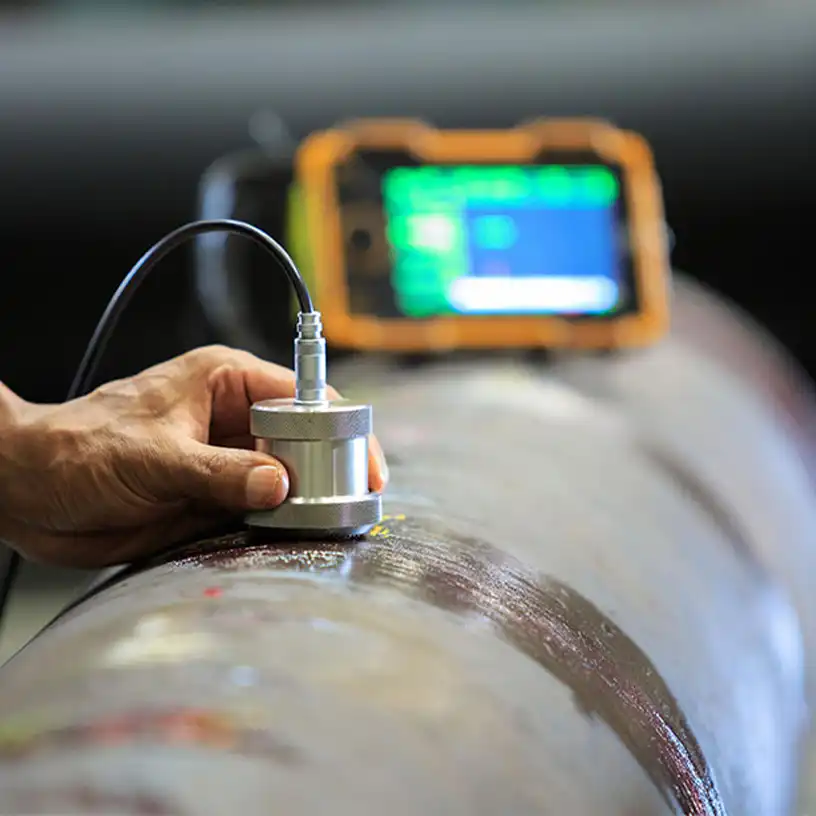
The wide range of NDT methods available today covers a wide range of flaw types and material compositions. Because ultrasonic testing goes deep into materials, it finds interior cracks that could weaken the structure. Magnetic particle screening is great for finding cracks on the surface and close to the surface of ferromagnetic materials. Dye penetrant testing, on the other hand, is very good at finding surface flaws in all kinds of materials. Radiographic testing gives inspectors detailed images of the inside, which lets them see gaps, holes, and other problems below the surface. When used in automated production settings, eddy current testing is especially useful because it quickly evaluates surface conditions and material qualities. Each way has its own benefits that work well with other, more thorough quality control plans.
Critical Importance for Industrial Applications
Industries that make things, like aircraft, automobiles, and heavy machinery, depend on the integrity of their parts a lot for practical safety. In an airplane engine or car transmission system, a single broken part can cause breakdowns with very bad results. NDT testing gives you the peace of mind you need to put parts in these tough settings, making sure they meet strict performance standards for the whole time they're in use. The effects on the economy go beyond direct worries about safety. Early flaw discovery stops expensive failures in the field, cuts down on warranty claims, and protects the image of the brand. Companies that follow strict NDT procedures show that they are dedicated to high excellence, which makes them more competitive in global markets.
The Forged Parts Manufacturing Process and Points of NDT Application
When you understand how forging works, you can see why planned NDT adoption is so important for quality control. The process of turning raw materials into finished parts has many steps where mistakes can happen, so strict testing and tracking rules are needed.
Hot and Cold Forging Considerations
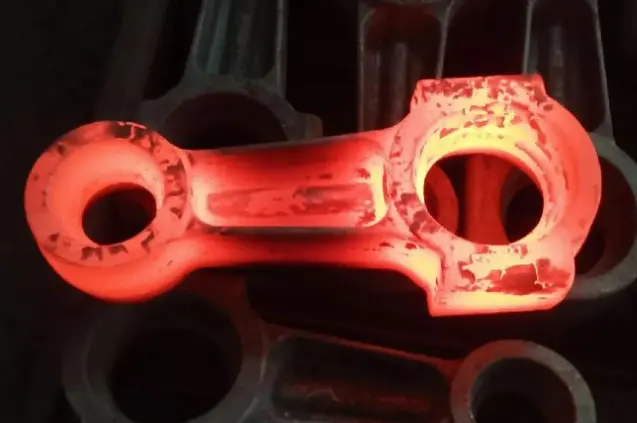
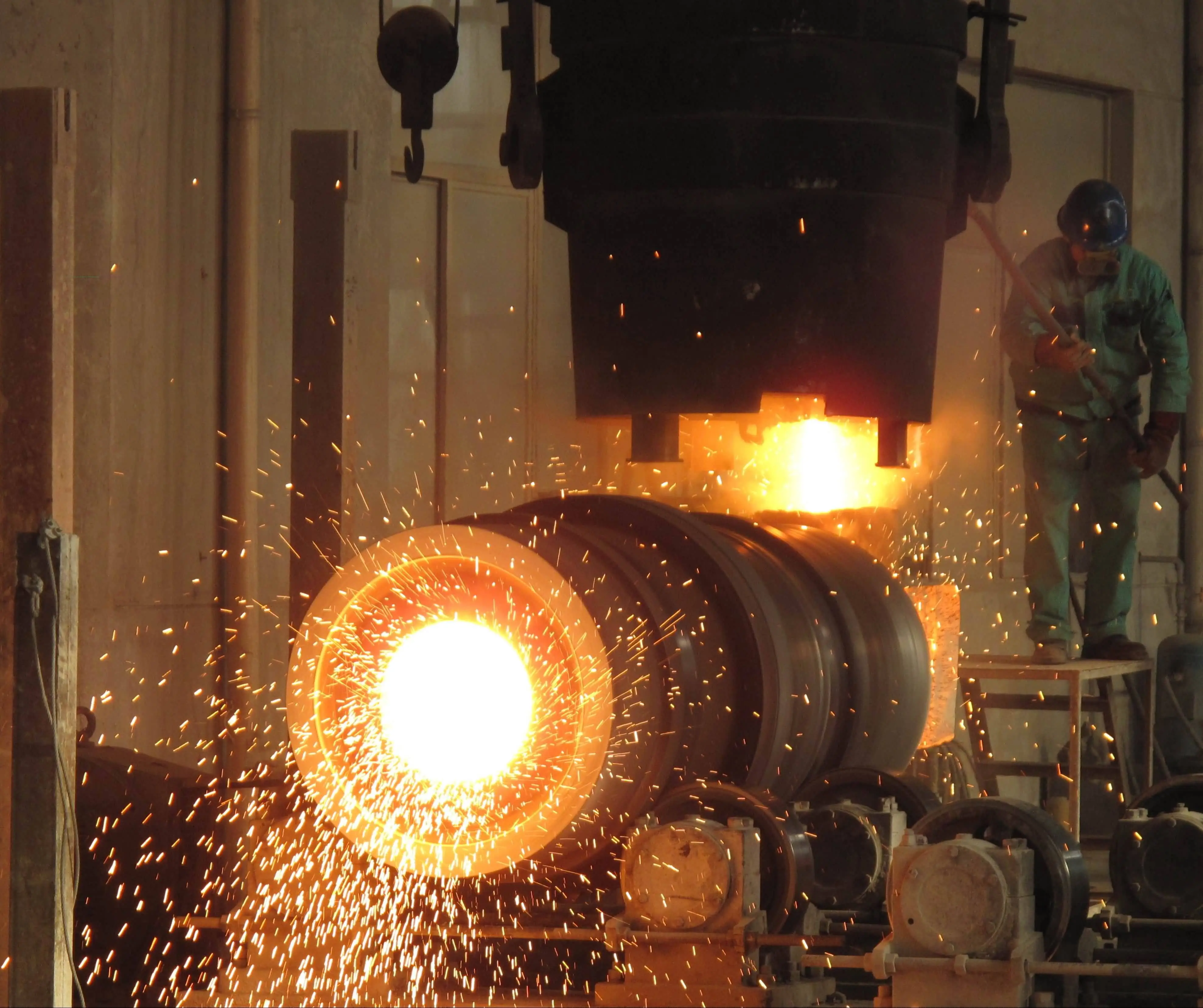
Hot forging usually takes place between 950°C and 1250°C, which is a temperature range at which metals become very flexible and can be made into complicated shapes. This high temperature setting can cause several flaws, such as scale inclusions, decarburization, and patterns of thermal stress. When NDT is used right after hot forging, it focuses on finding these temperature-related problems while the materials still have the best testing properties. When it comes to quality control, cold forging brings about new problems and chances. When this process is done at temperatures close to room temperature, it produces great surface finishes and accurate measurements, but it may also cause work-hardening effects and leftover stress concentrations. Because of the friction, the process can hit temperatures of up to 250°C, which makes testing standards very different from those for hot-forged parts.
Strategic Inspection Points Throughout Manufacturing
Using NDT at the right time during the manufacturing process helps find defects more quickly and cheaply. Before adding value, pre-forging material checking sets the baseline conditions and finds flaws in the raw material. Post-forging checking finds flaws that were created during the forming process, such as cold shuts, missing fills, and forging laps. During the different steps of heat treatment, there are important inspection times when thermal cycling can show hidden flaws or create new ones. Machining operations may reveal flaws below the surface that were hidden in the made structure, which calls for more testing procedures. Knowing these review points helps people who buy things figure out how skilled the seller is at quality control.
How to Choose the Right NDT Method for Your Forged Parts
Choosing the right NDT methods requires careful thought about the qualities of the material, the shape of the part, the types of defects that could be present, and the needs of the application. This choice has a direct effect on how well testing works, how well output works, and how well quality assurance works generally.
Material-Specific Testing Strategies
Forgings made of steel need different NDT methods than parts made of aluminum or titanium. Because they are ferromagnetic, carbon steel parts work well with magnetic particle inspection. On the other hand, aluminum parts need to be checked using different methods, like dye penetrant or eddy current testing. Ultrasonic tests may be needed on high-strength alloys to find flaws inside them that could affect how well they handle wear. The quality of the surface finish has a big impact on the choice of method. Some NDT methods might not work well on rough-forged surfaces until they are ground or machined. On the other hand, sensitive testing methods can be used directly on precision-forged parts with smooth surfaces, without any extra steps needed for preparation.
Application-Driven Method Selection
Aerospace parts usually need the strictest testing methods, which usually include more than one NDT method to make sure that all defects are found. Automotive parts may put a high value on fast testing methods that work well with high-volume production needs. Industrial machinery parts often have to find a balance between being thorough and being cost-effective. They do this by choosing methods that provide enough safety gaps without putting too much stress on the testing process. By matching testing rigor with failure effects, component criticality classification helps choose the best method. Safety-critical parts need thorough multi-method methods, while less important parts might only need basic screening tests. This risk-based method makes the best use of testing resources while still making sure that safety standards are met.
Common Challenges and Solutions in NDT Testing of Forged Parts
There are many technical and practical problems with implementing NDT that can make testing less effective if they are not properly dealt with. Knowing about these problems and how to fix them helps when evaluating suppliers and planning for quality control.
Complex Defect Detection Challenges
Laps in the forging process are especially difficult flaws that can be missed with normal methods. When metal folds over during the casting process, these linear breaks appear. This makes tight surfaces that might look good under some testing conditions. These small flaws can be found more easily with advanced ultrasound methods that use phased array technology. Cold shuts happen when two lines of metal don't join properly during forging, leaving weak spots that might not be obvious at first glance. To consistently find these flaws, you need to carefully use angle beam ultrasonic analysis or specific eddy current methods. Knowing how the casting process works helps you guess where these kinds of flaws might appear, which lets you plan more focused inspections.
Overcoming Testing Limitations
Differences in the properties of materials in made parts can give false signals or hide real flaws. Changes in the grain structure caused by forging processes affect the propagation of ultrasonic waves, which requires changes to the calibration and special analysis skills. Reliable test results are guaranteed when you work with NDT providers who have a lot of experience and know about these important effects. Access problems caused by complex shapes may limit the testing methods that can be used. To get a good inspection coverage, you need to use special methods or make changes to your tools for deep holes, sharp corners, and uneven surfaces. New probe designs and robotic scanning systems help get around these geometric problems while keeping the repeatability of tests high.
Optimizing Procurement of Forged Parts with Reliable NDT Testing
NDT factors are used in successful buying strategies all the way through the seller selection and management process. This all-around method makes sure that the quality standards are met by the provider while keeping costs low and delivery times high.
Supplier Evaluation and Certification Requirements
ISO 9001:2015 approval is a basic way to make sure that a quality management system works, but some NDT skills need to be looked at in more detail. To make sure the NDT program is working, supplier checks should look at records of testing equipment calibration, expert certifications, and process documents. Suppliers can keep their customers' trust by regularly checking the correctness of their tests through witness testing or association studies. Creating testing requirements and acceptance standards together is good for long-term relationships. Working closely with providers to improve NDT methods can cut costs and make it easier to find defects. This method of working together leads to constant growth and new technology, which is good for everyone.
Cost-Benefit Analysis and Supply Chain Integration
A full cost study must look at not only the direct costs of testing, but also the possible failure costs and the benefits of lowering risk. Components that have been properly NDT-tested may be worth the extra cost because they last longer and work more reliably. The best way to decide where to buy something is to weigh the original costs of acquisition against the long-term costs of operations. When sellers include full NDT services in their manufacturing packages, they open up chances to connect the supply chain. This unified method makes it easier to get things, makes it easier to track them, and often saves money compared to different testing plans. Detailed paperwork and certifications are easily transferred through supply lines that are all connected.
Conclusion
NDT testing is an important part of getting current forged parts because it makes sure that the parts are reliable and prevents major breakdowns. Using the right testing methods in the right way throughout the whole manufacturing process makes sure that the quality meets high standards in the industry. Procurement pros who are good at their jobs know that spending money on strong NDT practices pays off in the long run by making things safer, lowering warranty costs, and building better relationships with suppliers. As industrial technologies keep getting better, NDT skills will also get better, making it easier to find defects and more efficient to run.
FAQ
Q: What NDT methods work best for automotive forged parts?
A: In the automotive industry, magnetic particle testing is often used to find cracks on the surface, ultrasound testing to find problems inside the part, and dye penetrant testing for materials that aren't magnetic. Because cars are made in large numbers, automated testing methods that give quick, uniform results without lowering quality standards work best.
Q: How does NDT testing affect procurement lead times and costs?
A: Depending on the complexity of the part and the testing needs, NDT testing usually adds one to three days to the production plan. Testing adds 5–15% to the initial cost, but it saves a lot of money in the long run by preventing expensive mistakes in the field and insurance claims that often cost more than the testing costs.
Q: Can NDT detect all possible defects in steel and aluminum forgings?
A: NDT is very good at finding most forging flaws, but it can't promise to find all of them because of physical limits and differences in material properties. Using more than one testing method together greatly raises the chance of finding a problem. When programs are set up correctly, they can achieve 95% or higher reliability for important flaws.
Partner with Welong for Superior Forged Parts Manufacturing and NDT Testing Services
Procurement managers who care about quality and want to find trusted forged parts sellers can use Welong, which can do a lot of different kinds of manufacturing and tests, which makes the supply chain safer. Our methods are ISO 9001:2015 certified and use advanced NDT techniques all the way through production. This makes sure that all of our parts meet the highest international standards. Welong has more than 100 global relationships and has been working with aircraft, automotive, and industrial clients for more than 20 years. They can give your projects the technical know-how and quality certification they need. Get in touch with metal@welongpost.com right away to talk about your forged parts needs and find out how our integrated production solutions can help you get the best quality and lowest cost for your buying strategy.
References
1. Smith, J.R. and Anderson, P.K. "Advanced Non-Destructive Testing Methods for Forged Steel Components." Journal of Materials Engineering and Performance, Vol. 28, 2019.
2. International Organization for Standardization. "ISO 9712:2012 Non-destructive testing - Qualification and certification of NDT personnel." Geneva: ISO Press, 2012.
3. Williams, D.M. "Forging Process Optimization and Quality Control in Industrial Manufacturing." Manufacturing Technology Review, Vol. 15, No. 3, 2020.
4. Thompson, L.A. and Garcia, R.S. "Economic Analysis of NDT Implementation in Automotive Supply Chains." Supply Chain Management Quarterly, Vol. 22, 2021.
5. European Committee for Standardization. "EN 10228-3:2016 Non-destructive testing of steel forgings - Part 3: Ultrasonic testing of ferritic or martensitic steel forgings." Brussels: CEN, 2016.
6. Chen, H.W. and Kumar, A. "Risk Assessment and Failure Prevention in Critical Forged Components Through Advanced NDT Techniques." International Journal of Quality Assurance, Vol. 31, No. 2, 2022.

Share your inquiry, get the quotation accordingly!
China WELONG- Your Reliable Partner in Metal Solutions