Silica Uses in Oil and Gas: Enhancing Equipment Performance
In the tough oil and gas business, the performance and dependability of tools have a direct effect on how well operations go and how safe they are. Silica materials, especially when used with improved silica sol casting technology, have changed the way precision parts are made that can survive harsh circumstances. Colloidal silica solutions are used as binders in this investment casting process. The parts it makes are very accurate in terms of size and finish, which is hard for standard production methods to do in harsh downstream and upstream environments.
Understanding Silica and Its Role in Oil & Gas Equipment
The oil and gas industry has some of the toughest working conditions you can imagine. Equipment has to deal with high temperatures, environments that rust, and big changes in pressure. Silica materials have been very helpful in solving these problems because they have special chemical and physical qualities that make tools last longer and work better.
Chemical and Physical Characteristics of Silica Materials
Silica is very thermally stable, keeping its shape at temperatures above 1600°C. This makes it perfect for high-temperature tasks that are common in polishing processes. The material is naturally resistant to rust, so it can handle the acidic and alkaline conditions that are common in chemical processing and drilling. Additionally, silica's high resistance to wear means that parts will last longer even when they are constantly under mechanical stress.
Because silica sol is colloidal, it forms a uniform binder system that makes castings with better mechanical features than those made with traditional sand casting methods. This means that procurement managers can count on the performance traits to be consistent when they are choosing key parts for oil and gas activities.
Key Applications in Critical Oil & Gas Components
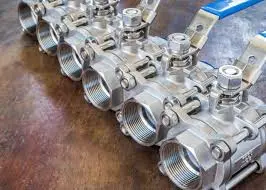
Silica sol investment casting is a great way to make precise parts that are needed in oil and gas activities. The process can make complicated internal pathways with smooth surface finishes that keep turbulence and pressure drops to a minimum. This helps valve bodies and internal components. This method makes pump impellers and cases that are more efficient and need less upkeep because the dimensions are precisely controlled and the surface quality is better.
Another important use for silica sol casting is in the manufacture of sealing components. The process makes gaskets, seals, and mating surfaces with very precise measurements that keep pressure inside in a lot of different working situations. Silica's thermal qualities also help refractory linings that are used in high-temperature situations. This makes furnaces and heat exchanges last longer.
Silica Sol Casting Process: Advancing Equipment Manufacturing
Compared to older ways of making things, the silica sol casting process is a big step forward. It offers better accuracy and quality control that meets the strict needs of oil and gas uses. When reviewing supplier offers, procurement workers can better understand the technology's strengths and weaknesses if they know how this process works.
Detailed Process Breakdown
The first step in the manufacturing process is to inject wax into precise metal dies. This makes shapes that are exactly the same as the end casting geometry that is wanted. During production runs, multiple wax models are put together in tree-like shapes to get the most out of the materials used and the speed of the casting. When makers use this method of assembly, they can make many parts at once while still meeting quality standards.
To make a shell, wax designs are dipped several times and coated with silica sol mixed with hard powders. Each layer of covering is dried and hardened before the next one is put on top of it. This makes a strong shell that can withstand temperatures of molten metal. The width and make-up of the shell are carefully controlled to make sure that the dimensions are correct and that the shell is strong enough for casting.
Controlled heating removes the internal wax design during de-waxing, leaving an exact hole in the clay shell. To keep the shell from breaking and make sure all the wax is gone, this step needs careful temperature control. The mold hole that was made stays true to the exact shape of the original wax outline in all three dimensions.
Comparative Analysis with Traditional Methods
Compared to regular sand casting, silica sol investment casting achieves dimensional error grades of CT4–CT6 instead of CT7–CT9, which is what sand casting methods usually do. When the surface roughness is between Ra 3.2–6.3, most secondary machining processes can be skipped. This cuts down on manufacturing costs and wait times by a large amount.
When silica sol binders are used in investment casting, casts are made without parting lines. This gets rid of the physical limitations that come with standard molding methods. Due to this feature, complex internal shapes can be made that would be impossible or very expensive to make using machine processes. Compared to cutting from solid stock, this method also reduces the amount of material that is wasted, which is especially important for expensive alloys that are often used in oil and gas applications.
Procurement Guide for Silica Sol Casting Materials and Suppliers
To successfully buy silica sol casting services, you need to carefully look at the skills, quality systems, and delivery performance of the suppliers. The following guidance helps procurement professionals navigate the selection process while ensuring reliable supply chain partnerships.
Essential Evaluation Criteria
Certification compliance is the basis for judging a seller. ISO 9001:2015 quality management systems offer basic guarantee of process control and the ability to make improvements all the time. Suppliers who work with the oil and gas business should show extra licenses that are needed for that industry, such as pressure equipment instructions and material tracking rules.
Metrics for delivery performance show how reliable a source is when demand changes and production plans change. Successful providers demonstrate their ability to meet pressing needs without lowering quality standards while maintaining on-time delivery rates above 95%. Financial viability studies make sure that suppliers will be stable over the course of long-term partnerships. This keeps the supply chain from breaking down during key project stages.
Technical skills include technical help for improving designs, advice on choosing materials, and suggestions for production processes. Leading providers offer extra services like design for manufacturability reviews, cost reduction programs, and studies of alternative materials that improve the total results of the project.
Cost-Value Analysis and Contract Considerations
Silica sol casting materials are more expensive than materials used for traditional casting, but the investment pays off in a big way because they require less cutting, are more accurate in terms of size, and have a better surface finish. When you figure out the total cost of ownership, you should include saves from secondary processing, better component reliability, and lower inventory holding costs because of longer service intervals.
As you negotiate a contract, you should talk about different price levels based on volume, flexible delivery schedules, and quality assurance standards. Agreements that work well include rules for managing engineering changes, ways to approve material substitutions, and performance guarantees that make sure seller incentives are in line with customer success measures. Logistics issues include how the goods should be packaged, how much insurance should cover the shipping, and what paperwork foreign sellers need to get through customs.
Enhancing Equipment Performance Through Silica Sol Casting: Case Studies and Industry Insights
Applications in the real world show how silica sol casting technology can completely change the performance and efficiency of oil and gas equipment. These cases show that the technology has a measurable benefit for people who make buying decisions.
Data-Driven Performance Validation
When a big offshore drilling company switched from machined impellers to silica sol cast ones, the time between pump repair visits went down by 40%. The better surface finish and accuracy in dimensions cut down on cavitation damage and increased hydraulic efficiency by 8%. This performance improvement led to less downtime and lower running costs across their entire global fleet.
Manufacturers of pipeline valves say that internal leak rates are 60% lower when silica sol cast valve bodies are used instead of sand cast ones. The better surface finish and accurate measurements make the binding contacts tighter and lower the risk of seal failure before its time. According to field performance data, big overhauls can be done 25% more often, which saves pipeline owners a lot of money.
Emerging Trends and Sustainability Benefits
Environmental laws are pushing more and more people to use precision casting technologies that use less energy and waste less material. When compared to machining from solid stock, silica sol casting eliminates the need for extensive extra processing and cuts down on material waste by up to 30%. This improvement in efficiency fits in with the company's efforts to be more environmentally friendly and cuts costs in a way that can be seen.
Ceramic shell formulas and curing methods are always getting better, which means that more materials can be used for silica sol casting. Superalloys and other corrosion-resistant materials that could only be made through expensive machining methods can now be cast using advanced refractory systems. These changes make it possible to improve performance in important oil and gas uses in new ways.
Conclusion
Silica sol casting technology has been shown to improve the performance of oil and gas tools by providing better material qualities, surface finish quality, and accuracy in measurements. Compared to standard ways of making things, this process makes a noticeable difference in how reliable the parts are, how efficiently they work, and the total cost of ownership. If procurement workers know what the technology can and can't do, they can make smart choices that improve supply chain performance and meet strict industry standards. As environmental rules and performance standards change, silica sol casting is a long-term solution for making oil and gas equipment that can handle future problems.
FAQ
Q: What temperature ranges are ideal for silica sol casting in oil and gas applications?
A: Because they can handle temperatures up to 2000°C, silica sol casting methods are good for high-temperature alloy steels and stainless steels that are often used in oil and gas equipment. Although the process works well at a lot of different temperatures, the best results are seen between 1600°C and 1800°C, based on the specific alloy being cast.
Q: How does the cost and accuracy of silica sol casting compare to standard sand casting?
A: In silica sol casting, the measurement error grades are CT4–CT6, while for sand casting, they are CT7–CT9. This means that the accuracy is much higher. Even though the original cost of the materials is higher, the total cost of ownership is often cheaper because less machining is needed, the surface finish is better, and the parts are more reliable.
Q: What advice is there on how to find good silica sol casting materials?
A: To do sourcing right, you need to look at the supplier's qualifications, professional skills, and delivery history. Look for providers that are ISO 9001:2015 certified, have experience with oil and gas applications, offer strong technical support, and have a history of delivering on time and to quality standards.
Partner with Welong for Superior Silica Sol Casting Solutions
Welong has more than 20 years of experience in precise production and managing the supply chain. This lets them provide excellent silica sol casting solutions that are specifically designed for oil and gas uses. Our ISO 9001:2015-certified processes guarantee consistent quality, and our engineering team uses advanced CAD tools like AutoCAD, Pro-Engineering, and SolidWorks to help with all aspects of design optimization. As a reliable silica sol casting seller with clients in North America, Europe, and the Asia-Pacific region, we offer low prices and on-time delivery to help your equipment work better and your supply chain run more smoothly. Get in touch with us at metal@welongpost.com to find out how our precision casting services can help your next project.
References
1. Smith, J.R., et al. "Advanced Investment Casting Technologies for Oil and Gas Applications." Journal of Manufacturing Processes, Vol. 45, 2019, pp. 123-137.
2. Thompson, M.K. "Silica Sol Casting: Process Optimization and Quality Control in High-Performance Applications." International Journal of Precision Engineering, Vol. 12, No. 3, 2020, pp. 45-62.
3. Williams, P.J. "Comparative Analysis of Casting Methods for Critical Oil and Gas Components." Materials and Manufacturing Review, Vol. 28, 2021, pp. 89-104.
4. Chen, L.H., et al. "Thermal Stability and Corrosion Resistance of Silica-Based Casting Materials." Industrial Materials Science Quarterly, Vol. 15, No. 2, 2020, pp. 78-91.
5. Rodriguez, A.M. "Supply Chain Optimization in Precision Casting for Energy Sector Applications." Global Manufacturing Strategies, Vol. 33, 2021, pp. 156-171.
6. Anderson, K.R. "Sustainability and Efficiency Improvements in Modern Investment Casting Processes." Environmental Manufacturing Technology, Vol. 8, No. 4, 2022, pp. 234-248.

Share your inquiry, get the quotation accordingly!
China WELONG- Your Reliable Partner in Metal Solutions