Machined Parts to Aerospace Standards: Meeting Strict Specs
When it comes to precision making
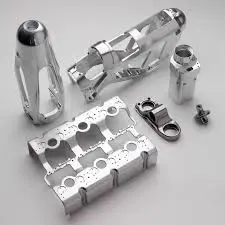
are the best. Even the smallest error in aerospace machined components can have disastrous results. These important aerospace machined components have to meet very strict requirements that are far above normal manufacturing standards. This means they need special materials, advanced production methods, and strict quality control rules. Aerospace machined components used in the aircraft industry need to be able to resist high temperatures, strong vibrations, and corrosive conditions while still keeping their structural integrity over time. People who work in procurement need to know about these requirements in order to find trusted sellers who can supply aerospace machined components that meet or exceed aerospace certification standards.
Understanding Aerospace Machined Components and Their Strict Specifications
A wide range of machined parts are used in the aerospace business. Each one is made to do a specific job in tough circumstances. Some of these parts are structural elements that support the frames of airplanes, and others are complex engine parts that work in very hot and pressurized conditions.
cess. The National Aerospace and Defense Contractors Accreditation Program (NADCAP) gives extra control to processes like welding, surface finishing, and heat treatment.
Tight margins, often greater than ±0.001 inches, are required by these standards for aerospace machined components. This calls for advanced measuring methods and statistical process control. For important uses, the surface finish of aerospace machined components needs to meet certain roughness factors to make sure it fits and works right. Material tracking for aerospace machined components is very important, and full paperwork is needed from the time the raw materials are certified until the final review.
Aerospace Machining Manufacturing Process: From Raw Material to Finished Part
From raw materials to finished aircraft parts, there are many steps that need to be carefully planned, carried out precisely, and checked over and over again. This thorough process makes sure that every part meets the very high standards needed for aircraft uses.
Raw Material Qualification and Sourcing
Before they are used in production, aerospace-grade materials go through a lot of testing and approval. Suppliers of raw materials must show that their products meet aircraft standards by analyzing chemicals, testing them mechanically, and looking closely at their microstructures. Material papers show where the materials came from, what they are made of, and what their qualities are. This makes it possible to fully track them.
Incoming inspection methods check that materials meet certain standards by measuring them, checking their hardness, and looking at them visually. Any change from the specs needs to be quarantined and looked into right away so that non-conforming materials don't get into production. This strict method makes sure that only good materials get to the stage where they are machined.
Precision CNC Machining Capabilities
CNC (computer numerical control) machining is a big part of modern aircraft manufacturing because it makes it possible to make important parts with the accuracy and consistency that are needed. Multi-axis machining centers can make complicated shapes that aren't possible with other types of machines. Five-axis features let you machine multiple areas at the same time, which cuts down on setup time and improves accuracy.
High-tech machines and advanced tooling technologies work together to produce amazing results. Carbide and ceramic cutting tools are good for working with aircraft materials because they are hard and don't wear down easily. Tool tracking systems find wear and breakage in real time, which keeps the quality of the work uniform and stops damage to the pieces being worked on. Adaptive machining techniques change the cutting settings based on the state of the material and how well the tool works.
Secondary Processing and Surface Treatments
A lot of aircraft parts need to go through secondary processing to get them to their final specs and performance levels. The qualities of a material are changed by heat treatment to meet strength and hardness needs. Controlled oxygen kilns make sure that products are always the same and stop pollution or oxidation from happening.
Surface treatments for aerospace machined components make things less likely to rust and work better after being worn down. Anodizing adds protective oxide layers to aluminum aerospace machined components, and different coating methods give them specific qualities for different uses. Shot peening adds compressive forces that make aerospace machined components that are under a lot of stress last longer.
Comparing Aerospace Machined Components Suppliers and Manufacturing Options
When looking for a provider for aerospace parts, you need to carefully consider a number of factors that have an effect on quality, cost, and shipping performance. In order to make the choice, technical skills, certifications, and managerial excellence must be evaluated.
Supplier Certification and Quality Credentials
Suppliers to the aerospace business must keep their certifications up to date to show that they can meet industry standards. Quality management systems are based on ISO 9001:2015, and AS9100 adds standards for risk management and configuration control that are special to aerospace. Accreditation by NADCAP makes sure that certain methods meet quality and consistency standards in the business.
In addition to certificates, providers should show that they have completed great aerospace projects and kept customers happy in the past. References from current customers are a great way to learn about how well and reliably a company does their job. Site visits let buying teams check out the facility's features, the state of its tools, and the skills of its workers.
CNC versus Traditional Machining Approaches
Choosing between CNC and traditional cutting has a big effect on the cost, wait time, and quality of the parts. CNC machining is the best way to get precise and consistent results, which is important for aircraft uses that need to stick to very tight tolerances. Controls that can be programmed make sure that the results are the same for all parts and production runs.
Also, CNC systems make it easier to make changes to designs and work with difficult shapes. Engineering changes can be made to programs without having to retool, which cuts down on development time and costs. Changing tools and moving workpieces automatically increases speed and lowers the chance of making a mistake.
For simple shapes or prototypes where setup costs are higher than the benefits of accuracy, traditional cutting may still be the best option. But the aerospace industry is becoming more and more interested in CNC systems because they can regularly meet strict quality standards.
Custom Parts versus Standard Component Solutions
When choosing between unique and standard components, you have to weigh the efficiency needs against the costs and availability of the parts. Custom parts have designs that are designed to get the best performance while keeping the weight and complexity to a minimum. Design for manufacturability concepts make sure that unique parts can be made quickly and well without lowering the quality.
Standard parts are cheaper because they take less work to design and make, which is called economies of scale. Standard parts, on the other hand, might not work best in some situations, and this could lead to answers that are too complicated. Standard parts usually have faster lead times because the tools and methods are already in place.
Cost, Lead Time, and Logistics: What Procurement Managers Need to Know
To effectively buy aircraft parts, you need to know the different factors that affect cost, schedule, and shipping performance. This information helps with planning and managing relationships with suppliers.
Cost Structure Analysis for Aerospace Components
Material prices make up a big part of the total cost of a component, especially when it comes to exotic metals used in aircraft. Titanium and superalloy materials are very expensive because they have unique qualities and are hard to get. Managing contracts carefully and thinking about possible trading strategies are needed when the prices of raw materials change a lot.
The cost of making aircraft parts is related to how complicated and precise they need to be. Processing costs are higher than in industrial uses because of multi-axis machining, specialized tools, and longer cycle times. Inspection and quality control standards add to the costs that need to be thought about when buying something.
The costs of certification and compliance include the costs of keeping aircraft quality systems and special process skills up to date. Because these set costs are spread out over a bigger amount of production, larger orders are cheaper per piece.
Lead Time Management and Planning Strategies
Lead times for aircraft parts are very different depending on how complicated they are, how readily available the materials are, and how busy the seller is. Because of engineering, tooling, and setup needs, custom parts usually have longer wait times. Standard items that can be made with current tools can usually be sent out more quickly, as long as the materials are available.
Getting materials is an important part of many projects' key paths. Delivery times for aerospace-grade materials are often longer, especially for specialty metals or sizes that aren't standard. Planning ahead and using material exchange programs can help cut down on these delays.
When planning production of aerospace machined components, you have to take into account things like quality control needs and possible redo. Inspection methods for aerospace machined components, especially ones that need to be checked by a third party, can take a lot of extra time. Adding enough time to the project schedule to account for these needs in aerospace machined component production without affecting the overall performance promises helps.
Ensuring Quality and Reliability in Aerospace Machined Parts
In aircraft manufacturing, quality assurance is more than just regular inspections. It includes full systems that make sure that performance and dependability stay the same throughout the span of a component.
Advanced Inspection and Testing Technologies
Modern quality control relies on advanced measuring tools that make sure that part standards are met in great detail. Coordinate measuring machines (CMM) are more accurate than other ways of measuring because they can check dimensions precisely. Automated inspection processes make sure that measurement rules are always followed and cut down on mistakes made by people.
Laser scanning technologies record full surface shapes, which lets you compare them to standard designs and find small differences. This method of measuring without touching works especially well for complicated shapes that can't be probed with standard methods.
Non-destructive testing methods check the quality of parts without breaking them. Ultrasonic testing finds holes or other things inside a structure that could affect how well it works. Penetrant testing finds cracks or breaks in the surface that you might not be able to see by looking at it.
Documentation and Traceability Systems
Full paperwork systems keep track of every step of the process of making a component, from getting the raw materials to delivering the finished product. Material papers show that each lot of raw materials has the right chemical and mechanical properties. Process records keep track of the factors used for machining, the changes made to the tools, and any deviations from normal processes.
Inspection records include all measurements and test results in great depth, giving solid proof that the product meets the requirements. Digital documentation systems make it easy to find and analyze old data quickly, which helps with corrective actions and efforts for ongoing growth.
Serialization and marking methods give each part a permanent ID number that lets you keep track of its lifecycle and plan for repair. Barcoding or laser marking (laser writing) makes sure that the identification can be read for as long as the part is in use.
Supplier Partnership and Continuous Improvement
Long-term relationships with reliable providers offer security and allow people to work together to make things better. Quality metrics, service performance, and cost competitiveness are all looked at in regular performance reports. Shared improvement projects can find ways to make processes better while also cutting costs.
Supplier growth programs help both the buyer and the seller get better at what they do. Technical training, upgrades to tools, and efforts to make processes more efficient all help to improve the supply base and boost total performance. These investments help both parties, which is good for long-term relationships.
Conclusion
Precision, quality, and dependability are very important when making aerospace machined components, which is one of the most difficult types of production work. To be successful in this area, you need to understand the complicated standards for aerospace machined components, choose qualified suppliers, and set up strong quality systems. Professionals in procurement have to make sure that the technical needs of aerospace machined components are met while also keeping costs and schedules in mind and making sure that aircraft standards are followed. Spending money on quality and accuracy in aerospace machined components pays off in the form of better efficiency, lower upkeep costs, and higher safety. As flight technology keeps getting better, the need for more complex aerospace machined components will only grow. This makes it more important than ever for suppliers to work together and improve their skills.
FAQ
Q: What certifications are required for aerospace machined components?
A: Most aircraft-made parts need to be certified to AS9100 standards, which are based on ISO 9001 standards but add aerospace-specific requirements. For some methods, like heat treatment or surface finishing, NADCAP certification may also be needed. These licenses make sure that companies keep up quality control systems and process checks that are right for use in flight.
Q: How do tolerances for aerospace parts differ from standard machining?
A: For aerospace uses, tolerances are much tighter than for other types of cutting, and accuracy of at least ±0.001 inches is common. Depending on what the part does, critical measurements may need even tighter limits. There are also stricter standards for the surface finish, with certain roughness levels needed for proper fit and function.
Q: What materials are commonly used for aerospace machined components?
A: Advanced materials like titanium alloys, aluminum alloys, stainless steels, and superalloys with nickel or cobalt are used in aerospace uses. The type of material used is determined by its strength, weight, ability to withstand high temperatures, and ability to fight rust. All parts must meet aerospace standards and come with full paperwork that shows where they came from.
Q: How long do aerospace machined components typically take to manufacture?
A: Lead times are very different depending on how complicated the parts are, how much material is needed, and how busy the provider is. Simple parts made from common materials could be finished in 4 to 6 weeks, but complicated parts that need special materials or a lot of work could take 12 to 16 weeks or longer. Lead times can be pushed back even more if custom tools are needed.
Q: What documentation is required for aerospace machined parts?
A: Aerospace parts need a lot of paperwork, like material certificates, inspection reports, process records, and paperwork that shows how the parts can be tracked. First article inspection reports make sure that new parts or methods meet the requirements. Throughout the lifetime of a component, all documentation must be kept up to date and ready for review by customers.
Partner with Welong for Your Aerospace Machined Components Manufacturing Needs
Precision aerospace machined components that meet the strictest standards of the industry are delivered by Welong, a company with over 20 years of experience. Our plant is ISO 9001:2015 approved and specializes in making custom parts from your plans and samples, making sure they meet all aerospace standards. Our engineering team uses AutoCAD, Pro-Engineering, and SolidWorks to make sure that plans are as easy to make as possible while still keeping the strength of the structure. Because we've worked with customers in Europe, North America, and the Asia-Pacific region before, we know how important quality, traceability, and on-time delivery are in aircraft uses. Get in touch with our team at info@welongpost.com to talk about how our skills as an aerospace machined components seller can help your next project with dependable, low-cost manufacturing options.
References
1. Society of Automotive Engineers. "AS9100 Quality Management Systems - Requirements for Aviation, Space and Defense Organizations." SAE International Standards, 2018.
2. National Institute of Standards and Technology. "Precision Machining Guidelines for Aerospace Applications." NIST Manufacturing Engineering Laboratory Technical Publication, 2019.
3. American Society for Testing and Materials. "Standard Specifications for Aerospace Materials and Testing Procedures." ASTM International Aerospace Standards, 2020.
4. Federal Aviation Administration. "Advisory Circular: Quality Assurance Requirements for Aerospace Manufacturing." FAA Aircraft Certification Service Guidelines, 2021.
5. International Organization for Standardization. "ISO 9001:2015 Quality Management Systems - Requirements and Implementation in Aerospace Manufacturing." ISO Technical Committee Documentation, 2019.
6. National Aerospace and Defense Contractors Accreditation Program. "Special Process Requirements and Audit Criteria for Aerospace Manufacturing." NADCAP Industry Guidelines, 2022.

Share your inquiry, get the quotation accordingly!
China WELONG- Your Reliable Partner in Metal Solutions