Avoiding Sand Inclusion in Large-Scale Sand Casting Projects
Sand casting is still one of the most flexible and cost-effective ways to make complex metal parts for a wide range of businesses. Large-scale sand casting projects, on the other hand, have to deal with sand inclusion flaws, which can lower the quality of the finished product and raise the cost of production. These flaws happen when small pieces of free sand get stuck in the hot metal during the casting process. This makes weak spots that can cause the metal to break before it's supposed to. For procurement managers and engineers who need reliable, high-quality castings for important uses in aircraft, automotive, oil and gas, and medical device production, it's important to understand and stop sand inclusion.
Understanding Sand Inclusion in Sand Casting
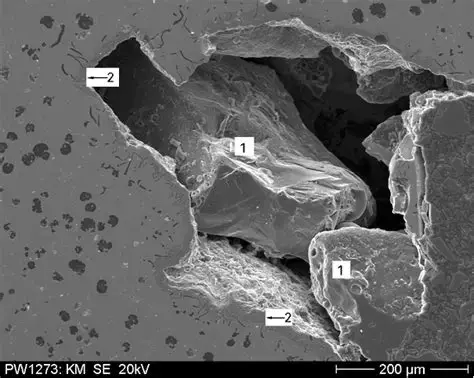
One of the most common problems that happen in metal casting is sand getting inside the metal. The problem happens when sand particles from the mold surface break off and get stuck in the hardening metal. This makes gaps in the metal that make the casting's structure and surface finish very bad.
The Science Behind Sand Inclusion Formation
Inclusions of sand are made when liquid metal flows in complicated ways, the mold surface stays stable, and there are differences in temperature as the metal solidifies. When melting metal hits the sand mold, thermal shock can separate the sand grains from the mold's surface. This is especially likely to happen where too much heat or moisture has damaged the binder system. This problem is made worse by turbulent metal flow, which creates erosive forces that remove more sand particles from the mold walls and bring them into the casting space.
Large casting projects have higher risks than smaller ones because of a number of things that make them different. Large parts need longer filling times, which means that the metal and mold are in touch for longer, giving sand erosion more chances to happen. Also, the larger amounts of metal create higher hydraulic forces that can make mold surfaces that aren't properly prepared unstable. Large casts often have complicated shapes that make it hard for fluids to flow and create turbulent zones where sand particles are more likely to get stuck than to float to the surface and be removed.
Impact on Mechanical Properties and Performance
The mechanical qualities of the casting are greatly diminished by the presence of sand inclusions, which concentrate stress within the metal core. The American Foundry Society's research shows that even small sand inclusions can shorten the wear life of casts by up to 60% compared to castings that don't have any inclusions. These flaws make it easy for cracks to start spreading when the load changes, which makes them especially bad for parts that are under dynamic pressures.
Sand inclusions in sand casting also change the way that things are machined, wearing down tools and lowering the quality of the finish. In precise applications like medical devices or aircraft parts made by sand casting, these flaws can make whole casts useless, which wastes a lot of material and causes production delays.
Root Causes of Sand Inclusion in Large-Scale Sand Casting
To find the causes of sand inclusion and fix them, you need to know everything that affects the structure of the mold and how the metal flows during the casting process.
Molding Material Characteristics
The qualities and make-up of molding sand are very important in determining how likely it is to have sand inclusion flaws. The spread of sand grains' sizes affects both mold permeability and surface stability. For example, fine sands give the surface a better finish, but they may cause problems with mold permeability that cause flaws connected to gas. On the other hand, loose sands are very permeable but might not have the stable surface needed for complex shapes.
The amount of moisture in the sand mixture has a big effect on how the glue works and how strong the mold gets. Too much water can weaken the binding system, which can cause sand to wear away while the metal is being poured. If there isn't enough wetness, the glue can't work right, which makes the mold surfaces fragile and easy to shed particles. For green sand systems, the best wetness range is usually between 2% and 5%, but this can change depending on the type of sand and the binding used.
The choice of binder and how it is distributed have a big effect on the stability of the mold surface. The most common binding for green sand systems is bentonite clay. To get uniform mold strength, it needs to be mixed well and reacted properly. When you don't mix the concrete well enough, it forms areas of different strengths that are more likely to wear away during casting.
Process Parameter Optimization
Controlling the rate and temperature of pouring are important factors in keeping sand out of the mix. When filling temps are too high, the mold surfaces are hit with more thermal shock, which makes sand grains loosen and wear away. If temperatures are too low, on the other hand, cold shuts and partial filling can happen, which causes chaos as metal flow becomes unpredictable. Depending on the metal and the complexity of the casting, the best temperature for pouring is usually between 50 and 100°C above the liquidus temperature.
Managing the pouring rate becomes more important in big operations where long fill times are necessary. Keeping flow rates steady and under control reduces turbulence and makes sure that the mold is fully filled before too much heat is lost. Modern pouring systems that automatically control the flow help keep conditions at their best during the long pouring cycle that is common for big casts.
Ventilation system design in sand casting doesn't get enough attention, even though it's a key part of keeping sand out. Back-pressure from not enough air in sand casting can make metal flow rough and cause mold surface wear. When exit systems are built correctly for sand casting, they let gases escape smoothly while keeping sand from getting into the metal stream.
Principles and Best Practices to Avoid Sand Inclusion
To use sand inclusion prevention methods that work, you need a planned approach that includes mold design, material choice, process control, and quality assurance all the way through the casting process.
Advanced Mold Design Strategies
Smooth metal flow patterns that eliminate turbulence and erosive forces working on mold surfaces are important in modern mold design. One of the most important parts of reaching these goals is optimizing the gating system. Good gates send metal flow in a lateral direction into the mold hole. This keeps the metal from hitting the mold walls directly, which can wear them down with sand. The gate's size and shape must strike a balance between filling speed and flow stability to make sure the mold is fully filled without creating too much turbulent flow.
Placement and size of the risers help keep inclusions from forming by directing solidification in the right direction, which helps float inclusions to the top where they can be contained within the riser volume. Strategically placing risers also keeps positive pressure gradients that stop overflow and the noise that comes with it.
Mold coating processes add another protection against sand erosion and make the quality of the surface finish better. Coatings that are resistant to high temperatures make a protective shell that stays steady when exposed to thermal shock. Depending on the needs of the casting, finishes that are alcohol or water-based have different ways of being used and better performance.
Material Selection and Preparation
When picking the right sand materials, you have to balance a lot of different performance factors, such as how refractory they are, how chemically neutral they are, how much they expand and contract when heated, and how much they cost. Silica sand is still the most common shaping material because it is easy to get and has been shown to work well. However, specialty sands like chromite or zircon have better qualities for more demanding uses.
Sand preparation methods must make sure that the qualities of the material stay the same during the molding process. This includes keeping an eye on the clay content, wetness levels, grain size spread, and the ability to pack down. Automated sand preparation systems help keep these important factors within certain levels while also cutting down on work and making things more consistent.
The handling of reclaimed sand is especially important for large-scale projects where the cost of materials is high. When sand is properly recycled, flammable leftovers are removed and binder activity is restored while performance qualities are kept at a satisfactory level. Regular testing of the properties of sand makes sure that recycled material meets quality standards before it is used again.
Process Control and Monitoring Technologies
Real-time tracking systems make it possible to find and fix problems before they happen that make sand inclusions more likely to form. Keeping an eye on the temperature during the pouring process helps keep the right temperature conditions and find possible problems before they cause the casts to be flawed. Modern thermal imaging devices make detailed temperature maps that show how heat moves and how fast it cools in a wide range of complicated casting shapes.
Monitoring the pressure inside gate systems gives us information about how flows and can find problems or limits that could cause turbulence to form. When things aren't working as well as they should, these tools help operators make changes to the pouring settings in real time.
To make sure the quality of the sand casting, post-casting checking procedures must include both visual and mechanical tests. Radiography or ultrasonic inspection are examples of non-destructive testing methods that can find flaws inside a sand casting that might not be obvious on its finished surface. The results of these inspections are useful information for attempts to improve quality and make sand casting processes run more smoothly.
Case Studies: Successful Sand Inclusion Prevention in Large-Scale Projects
Real-life examples show how organized methods for preventing sand inclusions can greatly enhance the quality of castings and boost production efficiency in many fields.
Automotive Component Manufacturing Success
A big car supplier had problems with sand inclusions in large transmission housings that kept happening, leading to a 15% rejection rate and a lot of trouble with cutting. For hydraulic fluid to flow through the part, it needed complicated internal passageways. This made it more likely to have inclusion flaws in areas with complicated geometry.
To fix the problem, the gating system had to be completely redesigned so that metal wouldn't touch important mold areas directly. Engineers set up a multi-gate system with carefully placed runners that made the flow patterns smooth and laminar inside the mold hole. They also switched to a better shaping sand that is more stable at high temperatures and put in place automatic moisture control systems to keep the sand in perfect condition.
After the changes were made, the number of sand inclusion flaws dropped from 15% to less than 2%, and the efficiency of cutting went up by 25% because the surface was more stable. The better casting quality also made it possible to reduce weight by making the wall sections smaller, which helped meet fuel economy goals.
Heavy Machinery Component Achievement
A company that makes parts for mining equipment had trouble with sand getting into big jaw casts for crushers that weighed more than 500 kilograms. The high-stress application required the material to be very strong, so any flaws were not acceptable from a safety or performance point of view.
The answer was based on improved ways to prepare the sand and keep the process under control. The factory put in automatic sand mixing systems that can precisely control the amount of moisture and clay in the sand. This makes sure that the mold features are the same for all production runs. They also set up a controlled cooling process that controlled the rate of solidification to help the inclusions float and stop thermal stress cracks.
Over the course of six months of tracking, quality improvements were huge, and all sand addition flaws were gone. The better casting quality let the company offer longer warranties on their goods and cut down on failures in the field that were caused by casting flaws.
Selecting Reliable Sand Casting Suppliers for Large-Scale Projects
Picking the right foundry partner is important to lower the risk of sand addition and make sure that quality and delivery performance are always the same for large-scale casting needs.
Certification and Standards Compliance
Quality management systems can be built on top of ISO 9001:2015 certification, but based on the application, other certifications specific to the business may be needed. Suppliers in the aerospace industry usually need to be AS9100 certified, while parts for cars may need to be IATF 16949 compliant. These certifications show that a provider is dedicated to systematic quality management and methods for constant growth.
Implementing statistical process control, having thorough inspection equipment, and having written methods for how to handle goods that don't meet standards should all be part of quality control. Suppliers should show that they can regularly make castings that are within certain limits by giving full process capability studies.
When quality problems happen, documentation and tracking tools make it easy to fix them quickly. Keeping detailed notes of where the materials come from, how they are processed, and the results of inspections helps with finding the root cause and taking appropriate action when needed.
Technical Capabilities and Equipment
A lot of foundries don't have the right tools and space to be able to make large amounts of metal. Case studies and customer examples should show that suppliers have worked with parts of similar shapes and levels of complexity before. The melting power, crane capabilities, and mold handling tools must be enough for the production numbers and part standards that are planned.
Engineering support services are very useful because they let people work together to improve designs and create new processes. Suppliers that offer modeling tools can guess where problems might happen and suggest design changes that make the part easier to cast while still meeting functional needs. This way of working together usually leads to better casting quality and less time spent on creation.
Rapid development makes it possible to make small changes to designs over and over again and try them thoroughly before starting full-scale production. Suppliers who can make sample castings using methods that are similar to those used in production are a better way to check the quality of the end product.
Partnership Approach and Communication
Protocols for clear communication make sure that any problems are quickly found and fixed. Regular reviews of progress, milestones, and open conversations about technical problems help build trust and allow people to work together to solve problems. Suppliers should make it clear how to escalate problems or technical questions that need to be dealt with right away.
Being clear about costs helps you avoid surprises and makes it possible to make accurate project budgets. Quotes that are very specific should list the costs of tools, the prices of each piece, and any other services that are needed. Long-term price deals help budgets stay on track and allow suppliers to make process changes that are good for everyone.
As it gets harder to source goods around the world, supply chain management skills become more important. Suppliers should show that they are good at finding materials, managing supplies, and transportation in a way that makes sure they are always available and deliver on time.
Conclusion
To stop sand from getting into large-scale sand casting projects, you need a complete plan that includes choosing the right materials, making the process run more smoothly, and working with suppliers to form partnerships. Figuring out why sand gets mixed in during sand casting helps you make smart choices about process factors and quality control measures. Using best practices for mold design, material preparation, and process tracking in sand casting cuts down on defects by a large amount and improves the quality of the casting. Systematic methods can almost completely get rid of sand addition issues in sand casting while also making production more efficient overall, as shown by successful case studies. Long-term success in large-scale sand casting processes depends on choosing suppliers who are qualified and have the right certifications, technical skills, and partnership methods.
FAQ
Q: What are the obvious clues that sand is mixed in with castings?
A: Inclusions of sand usually show up on finished surfaces as dark, wavy spots or lines. They may also show up as rough spots on surfaces that have already been cast where sand particles have been exposed during finishing steps. Inclusions usually have a different color than the metal material around them, and they might have holes or other surface flaws.
Q: How can the mold permeability be improved to lower the risk of sand inclusion?
A: For mold permeability optimization to work, the amount of binder, the level of compression, and the spread of sand grains must all be just right. The transparency is better with coarser sand grains, but the quality of the surface finish may suffer. The right amount of compression gives the mold enough strength without making it too dense, which would stop gas flow. Choosing the right material and opening design go hand in hand to make sure that enough gas can escape during casting.
Q: What kinds of alloys are less likely to have trouble with sand inclusion?
A: In general, alloys that have lower filling temperatures and better fluidity properties are less likely to include sand. When compared to steel or iron casts, aluminum metals tend to cause less thermal shock to form surfaces. Good deoxidation practices for alloy mixtures help stop chemical processes between molten metal and sand that can lead to the formation of inclusions.
Q: What are some good ways to check big casts for sand inclusions?
A: Radiographic analysis is a great way to find internal inclusions in the whole casting volume. Ultrasonic testing is more sensitive for small spots close to the surface and cheaper for big parts. Magnetic particle analysis can find parts of ferromagnetic materials that break the surface. Visual analysis after cutting shows flaws that were exposed when the material was removed.
Partner with Welong for Superior Sand Casting Solutions
Welong has more than 20 years of experience helping big industry projects with sand casting that doesn't have any flaws. Our advanced quality control systems and methods that are ISO 9001:2015 certified make sure that sand inclusion is avoided from the planning stage through delivery. We make custom metal parts for uses in aircraft, cars, oil and gas, and medical devices. We work straight from your plans or samples. Contact our engineering team at metal@welongpost.com to talk about your sand casting needs and find out how our years of experience can help you avoid quality problems and improve the performance of your supply chain as a reliable sand casting supplier.
References
1. Campbell, J. "Complete Casting Handbook: Metal Casting Processes, Metallurgy, Techniques and Design." Butterworth-Heinemann, 2015.
2. Brown, J.R. "Foseco Foundryman's Handbook: Facts, Figures and Formulae." Elsevier Science & Technology, 2000.
3. American Foundry Society. "Sand Inclusion Defects in Steel Castings: Causes and Prevention Strategies." AFS Transactions, Vol. 128, 2020.
4. Beeley, P.R. "Foundry Technology." Newnes-Butterworths, 2001.
5. Stefanescu, D.M. "Science and Engineering of Casting Solidification." Springer International Publishing, 2015.
6. Heine, R.W., Loper, C.R., and Rosenthal, P.C. "Principles of Metal Casting." McGraw-Hill Education, 1967.

Share your inquiry, get the quotation accordingly!
China WELONG- Your Reliable Partner in Metal Solutions