Forging Quality Assurance: Ensuring Zero-Defect Components
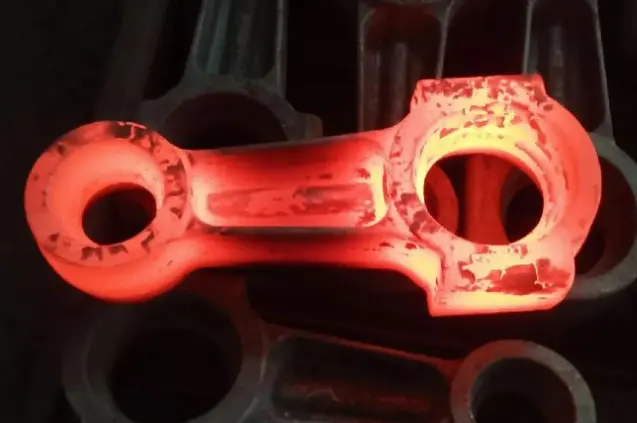
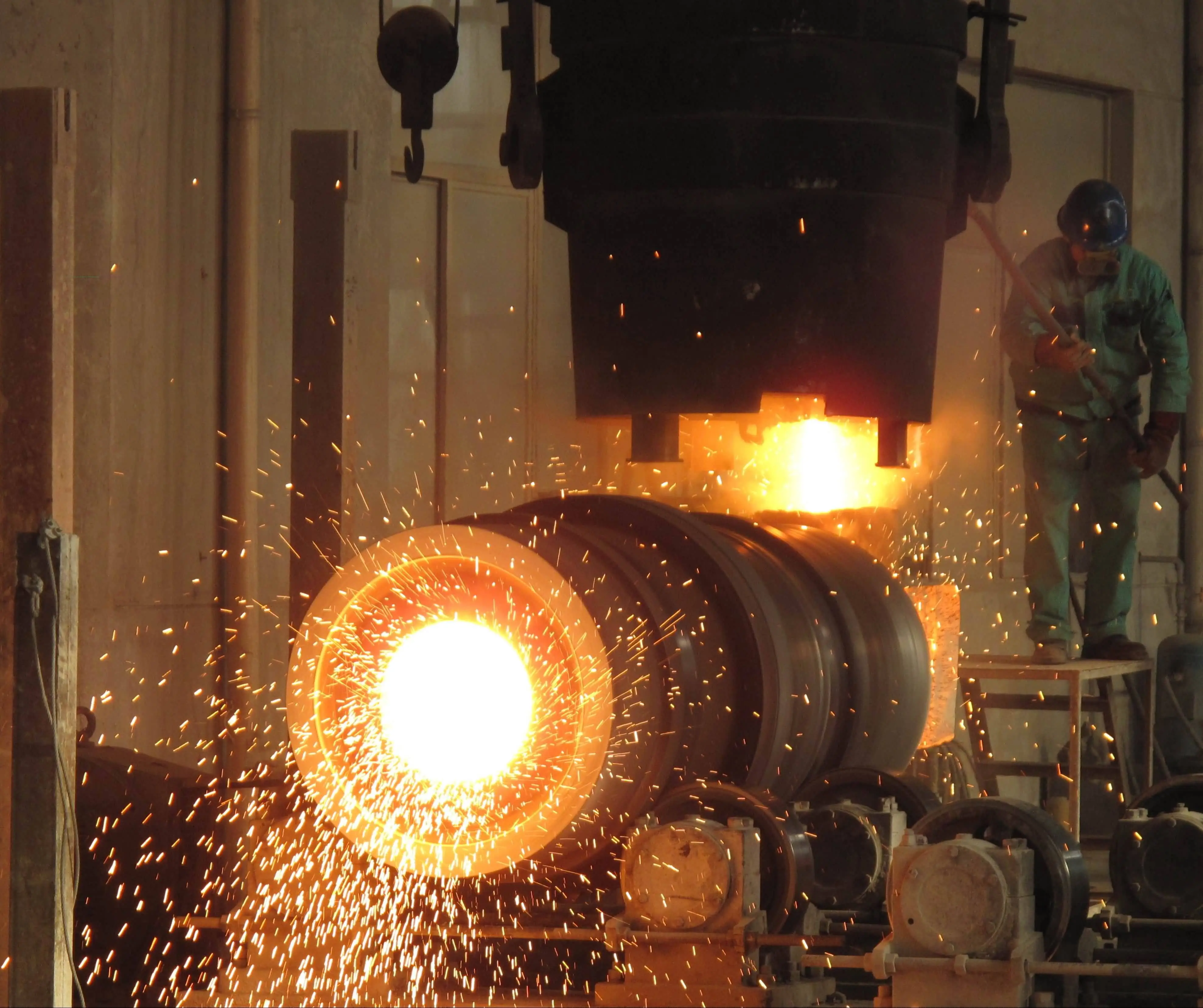
Forging quality assurance is a crucial manufacturing practice that aims to get rid of flaws all the way through the manufacturing process of forged components. To reach zero-defect manufacturing standards, this all-encompassing method includes careful selection of materials, precise process control, advanced inspection methods, and methods for ongoing growth. Forged components are mechanically deformed under controlled pressure and temperature, as opposed to casting components, which depend on molten material being poured into molds. This gives forged components better grain structure and improved mechanical properties that meet the tough needs of commercial applications.
Understanding the Quality Challenges in Forged Components Manufacturing
In order to achieve zero-defect manufacturing in forged components, there are many difficult issues that need to be carefully identified and dealt with. Quality assurance is an important part of forging processes because modern industrial applications need metal parts to be more reliable and work better than ever before.
Material Inconsistencies and Their Impact
Variations in raw materials make it very hard to make sure that the quality of cast parts is always the same. Changes in the steel's makeup, amounts of impurities, and grain structure can spread during the forging process, causing parts to lose their integrity. These differences in the materials show up as changes in their mechanical properties, differences in their dimensions, and possible breakdown places when they are put under operational stress.
Forging activities that are of high quality start with choosing the best raw materials. To meet strict quality standards, suppliers must show that their chemicals are always the same, that impurity levels are kept under control, and that materials can be tracked back to their original sources. Advanced testing methods, like spectrographic analysis and checking the material's dynamic properties, make sure that only good materials get into the production process.
Process Limitations and Control Requirements
The factors of the forging process have a big effect on the quality of the finished part, so they need to be carefully controlled and watched over during the whole manufacturing process. Temperature changes, uneven pressure, and time changes can cause flaws like uneven surfaces, partial filling, and high stress levels inside the material. These problems with the process need complex control systems and trained workers who can keep things running at their best.
Modern forging shops have real-time tracking systems that keep an eye on important factors like die temperature, material flow rates, and deformation forces. Statistical process control methods help find patterns and differences before they lead to broken parts, so changes can be made ahead of time to keep quality standards high.
Common Defects and Prevention Strategies
Forged parts may have flaws that make them less reliable and performance-deficient in tough situations. Understanding these possible problems lets you come up with focused ways to stop them and make sure the quality of the work is good.
Surface flaws like scale, cracks, and laps are often caused by incorrect heating, dirty dies, or not enough greasing during the casting process. Problems with the material or bad making methods can lead to internal flaws like gaps, inclusions, and uneven grain flow. Dimensional errors can happen because of die wear, changes in temperature expansion, or poor process control.
Effective defect avoidance needs a diverse approach that includes properly preparing the material, making sure that the process parameters are optimized, maintaining the die on a regular basis, and giving operators full training. Quality management systems make it possible to use these tactics for prevention reliably in all production tasks.
Core Steps in Forging Quality Assurance Process
To set up a strong quality assurance system, you need to pay careful attention to every step of the forging process, from getting the raw materials to delivering the finished part. This all-around method makes sure that quality results are uniform and lowers the chance that customers will get broken parts.
Raw Material Qualification and Inspection
The process of quality assurance starts with a careful review of the raw materials that are brought in. A lot of tests must be done on steel bars, aluminum billets, and unique alloys to make sure they are chemically correct, have the right mechanical qualities, and are the right size. Material approval papers help quality management systems keep track of things and make sure they are being used correctly.
Ultrasonic testing and magnetic particle inspection are two advanced inspection methods that can find internal flaws and material inconsistencies before they are processed. This quality control early on stops bad materials from going through expensive manufacturing steps. This cuts down on trash and makes the whole process more efficient.
Process Parameter Monitoring and Control
To keep quality results uniform, important forging factors need to be constantly watched and managed. During the forming process, temperature tracking tools keep an eye on the material and die temperatures to make sure they are at the right levels for metal flow and grain structure development. Pressure tracking systems make sure that the right amount of forming forces are used to completely bend the material and get rid of any possible holes.
Forging operations today use complex control systems that change settings automatically based on feedback from sensors and tracking equipment in real time. Tough tolerances are kept on key factors by these systems, which also log a lot of data for quality documentation and process improvement.
Advanced Forging Techniques for Quality Enhancement
Precision casting techniques are better than traditional methods for getting accurate measurements and a smooth surface. When using closed-die forging methods, you can get more out of your materials and do less machining while still getting great mechanical qualities. Near-net-shape forging cuts down on wasteful processes and wasted materials, making manufacturing more efficient overall.
Hot forging improves the flow of materials and the formation of grain structures. This is especially helpful for high-strength alloys used in aircraft and automotive uses. Cold forging methods give parts that need tight specs and little post-processing very accurate measurements and finishes on the outside.
Post-Forging Treatment and Inspection
The desired mechanical qualities and stress reduction in forged components are both achieved through heat treatment processes. Controlled heating and cooling processes improve the structure of the grains, get rid of any residual stresses, and make sure that the material qualities are the same all the way through the component. Proper recording of heat treatment allows for tracking and makes sure that quality control systems are following the rules.
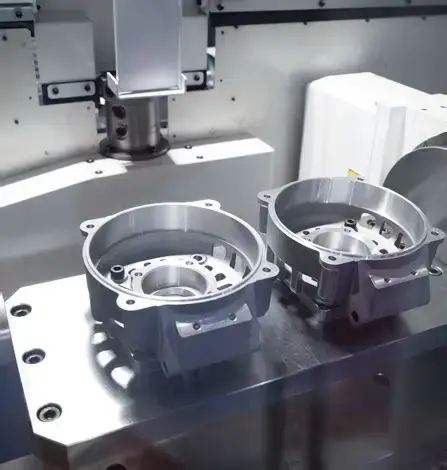
Comprehensive inspection procedures check that finished parts are the right size, have a good surface, and have the right material qualities. Coordinate measuring tools make sure that the dimensions are correct, and hardness testing makes sure that the heat treatment worked right. Ultrasonic and magnetic particle screening are two examples of non-destructive testing methods that can find possible internal flaws without hurting finished parts.
Comparative Analysis: Forging Quality vs. Other Manufacturing Methods
Learning about the quality benefits of forging compared to other ways of making things helps buying workers make smart choices about how to source parts. Quality, efficiency, and cost are all affected by the different features of each manufacturing method.
Forging vs. Casting Quality Comparison
Due to the grain refinement and directed strength traits that are created during the forming process, forged parts have better mechanical properties than cast options. For casting, parts are made by pouring liquid metal into molds. Forging, on the other hand, involves mechanical distortion that gets rid of holes and lines up grain flow patterns with stress directions.
Forged parts are much better at resisting wear and impact because they don't have any shrinkage flaws, gas porosity, or inclusion groups. These quality advantages mean that high-stress areas like aerospace landing gear, automobile crankshafts, and oil drilling tools are more reliable and last longer.
Structural Integrity and Performance Benefits
Forged parts are more structurally sound because the grain flow patterns are designed to fit the shape of the part and the pressure conditions. This good microstructure makes the parts more resistant to wear and less likely to break than parts made by cutting from bar stock or plate materials.
By getting rid of the weld joints and brazed connections that come with fabricated assemblies, possible failure spots are cut down, and the total reliability of the component is increased. Forged parts can handle higher amounts of stress and wide ranges of temperatures while keeping their shape over long periods of time.
Economic Considerations and Total Cost Analysis
Compared to some other ways, forged components may have higher original tooling costs, but the benefits over the long term are usually worth it. In demanding uses, lower lifecycle costs are caused by less upkeep, longer service life, and higher dependability.
The ability to make parts that are close to their net shape cuts down on waste and unnecessary extra cutting. This increase in productivity is especially important for specialty alloys that are expensive and are used in aircraft and medical devices, where material costs make up a big part of the total cost of production.
Implementing Industry Quality Standards and Certifications
Following quality standards that are known all over the world makes it possible for industrial processes to be uniform and for quality management systems to be well-documented. These standards set the base requirements for tasks like quality control, paperwork, and ongoing growth.
ISO 9001 Quality Management Systems
Getting ISO 9001:2015 certification shows that a company cares about quality control and customer happiness. This standard sets requirements for processes that are written down, management accountability, resource management, and activities that promote constant improvement to guarantee consistent quality results.
Regular management reviews and internal checks make sure that the quality management system standards are still being met. Customer comments and corrective action methods are ways to deal with quality problems and stop them from happening again.
Industry-Specific Certification Requirements
For aerospace uses, you need AS9100 approval, which goes beyond ISO 9001 standards and adds more controls for managing configurations, evaluating risks, and making sure products are safe. Automotive providers must show that they follow IATF 16949, which focuses on methods for preventing defects and managing the supply chain.
Medical device makers need to be certified with ISO 13485, which has specific rules for tracking products, checking designs, and following rules set by regulators. These standards are special to each business and make sure that parts meet the strict quality and safety standards of important applications.
Supplier Qualification and Audit Processes
Comprehensive seller qualification programs check the technical skills, quality management systems, and financial security of possible business partners. On-site tests check that quality standards are being met and see how well factory processes and control systems are working.
Monitoring a supplier's performance on a regular basis keeps an eye on quality measures, delivery performance, and how quickly problems with quality are fixed. This ongoing review makes sure that providers keep up acceptable levels of performance and lets people know early on about problems that might happen and affect the quality of the parts.
Practical Solutions to Ensure Zero-Defect Forged Components
To achieve zero-defect manufacturing, you need to use a wide range of techniques, including modern technology, skilled workers, and strong quality control systems. Multiple levels of quality control are used in modern forging processes to keep parts from being flawed and to make sure they always work well.
Advanced Inspection and Testing Methods
Non-destructive testing methods give a full picture of the quality of a component without harming the end product. Ultrasonic testing finds flaws inside a component, like holes, inclusions, and cracks that could affect how well it works. Magnetic particle screening finds flaws on the surface and close to the surface of ferrous materials.
With more accuracy than traditional checking methods, coordinate measuring tools check the sizes and shapes of things. Automated inspection systems make measurements more accurate and provide a lot of information for quality records and data analysis.
Real-Time Process Monitoring Technology
Internet of Things sensors and data acquisition tools make it possible to keep an eye on important process factors at all times during the forging process. Temperature sensors keep an eye on the conditions of the material and the die, and pressure detectors keep an eye on the forming forces and the hydraulic system.
Process data is recorded by automated data logging systems so that it can be analyzed statistically and trends can be found. Machine learning programs can find trends that can tell you about possible quality problems. This lets you make changes ahead of time to stop problems before they happen.
Quality, Culture, and Continuous Improvement
For quality improvement to last, a company must be dedicated to greatness and learning all the time. Training programs for employees make sure that workers know how important quality control is and have the skills they need to keep process standards.
At regular quality meetings, performance data are looked at, ways to improve are discussed, and best practices are shared between production teams. Partnering with suppliers to improve quality leads to cooperative relationships that help everyone by making parts work better and be more reliable.
When lean production concepts are used, they get rid of waste, make the process more efficient, and keep quality standards high. Value stream planning finds ways to make things better and helps decide which quality improvement projects will have the biggest effect on customer happiness.
Conclusion
Forging quality assurance is an important skill for companies that make parts for tough industrial uses, where loss of a part is not an option. Through thorough quality control systems, advanced inspection methods, and practices for ongoing growth, the above-mentioned systematic technique can help manufacturers reach their goal of zero defects. Manufacturers can deliver forged components that meet the strict needs of aircraft, automotive, medical devices, and other important uses by applying these strategies, all while establishing trusting, long-term customer relationships based on performance excellence.
FAQ
Q: What are the most common defects in forged components, and how can they be prevented?
A: Common flaws include surface cracks from dies that were contaminated or cooled too quickly, internal gaps from bad material flow, and mismatched dimensions caused by die wear or temperature changes. Controlled heating and cooling cycles, good die maintenance, high-quality raw materials, and close tracking of process parameters during the whole forging process are all part of prevention tactics.
Q: How does forging quality compare to casting in terms of durability and performance?
A: Forged parts last longer than cast parts because the grain structure is more uniform, and there are no holes like there are in casting parts. The mechanical deformation process makes directed grain flow, which makes the material stronger against wear and tear and contact. Forging makes parts with uniform material qualities and better structural integrity, while casting uses liquid metal that can have flaws like inclusions and faults caused by shrinkage.
Q: What certifications should I look for when selecting a forging supplier?
A: For quality management systems, ISO 9001:2015 is an important certification. Other standards that are specific to a business include AS9100 for aircraft, IATF 16949 for automotive, or ISO 13485 for medical devices. These certifications show that the provider is dedicated to quality control methods, good documentation, and ongoing improvement projects that make sure parts always work well.
Q: How do modern inspection methods ensure zero-defect manufacturing?
A: Modern inspection methods use both nondestructive testing methods, such as ultrasound and magnetic particle inspection, and precise measuring tools, such as coordinate measuring machines. Real-time process tracking with IoT sensors keeps an eye on important factors during production, and automated inspection systems offer thorough documentation and statistical analysis tools that allow for proactive quality control.
Partner with Welong for Premium Forged Components Manufacturing
To produce zero-defect forged components for demanding industrial uses, Welong combines more than 20 years of manufacturing experience with ISO 9001:2015 certified quality management systems. Our engineering team uses AutoCAD, Pro-Engineering, and SolidWorks to make sure that designs are optimized from customer samples and plans, so they work well and can be made easily. We offer comprehensive supply chain management and quality control services that lower sourcing risks while maintaining global quality standards. We are a trusted supplier of forged components to the oil drilling, aerospace, automotive, and medical device industries in Europe, North America, and the Asia-Pacific region. Get in touch with us at metal@welongpost.com to talk about your custom forging needs and see how committed we are to technical excellence and open communication.
References
1. Smith, Robert J. "Quality Control in Metal Forging: Principles and Practices." Journal of Manufacturing Engineering, vol. 45, no. 3, 2023, pp. 78-92.
2. Anderson, Maria K. "Defect Prevention in Hot Forging Operations." International Forging Research, vol. 28, no. 2, 2022, pp. 134-148.
3. Johnson, David L. "Comparative Analysis of Manufacturing Methods for Critical Components." Aerospace Manufacturing Quarterly, vol. 67, no. 4, 2023, pp. 23-37.
4. Wilson, Sarah M. "ISO Standards Implementation in Metal Forming Industries." Quality Management Review, vol. 19, no. 1, 2022, pp. 56-71.
5. Brown, Michael P. "Advanced Inspection Technologies for Zero-Defect Manufacturing." Industrial Quality Control, vol. 41, no. 3, 2023, pp. 112-125.
6. Chen, Lisa R. "Supply Chain Quality Management in Global Manufacturing." International Manufacturing Review, vol. 33, no. 2, 2022, pp. 89-103.

Share your inquiry, get the quotation accordingly!
China WELONG- Your Reliable Partner in Metal Solutions