Silica Sol Investment Casting: Achieving Tight Tolerances
When it comes to precision making, silica sol investment casting is the best. It gives industrial uses very accurate measurements and a smooth surface. This improved lost-wax method uses colloidal silica solutions as binders to make molds that can withstand temperatures of up to 2000°C and keep tight limits between CT4 and CT6 grades. Surface roughness values of Ra3.2–6.3 are reached by this process, which makes it essential for making precise aircraft, automobile, and medical devices.
Understanding Silica Sol Investment Casting: Process and Materials
Silica sol investment casting is a high-tech way to make things. It carefully controls the process of turning complicated metal parts into precision parts. Using a complex method that uses colloidal silica solutions with very small particles (10–20 microns), this method makes models for metal casting incredibly stable.
What Makes Silica Sol Different from Traditional Investment Casting
The main difference is in the binding method that is used to make the molds. Usually, ethyl silicate or sodium silicate binders are used in standard investment casting. But silica sol systems use powdered silica that is mixed with water or alcohol. This special mix gives it more stability and makes it less likely that the mold will crack during heat cycles. When the colloidal silica particles dry, they form a strong network structure that makes walls that are better at letting things pass through and resisting temperature shock. This feature is especially useful when making high-temperature metals or parts that need a long time to cool down.
Step-by-Step Process Overview
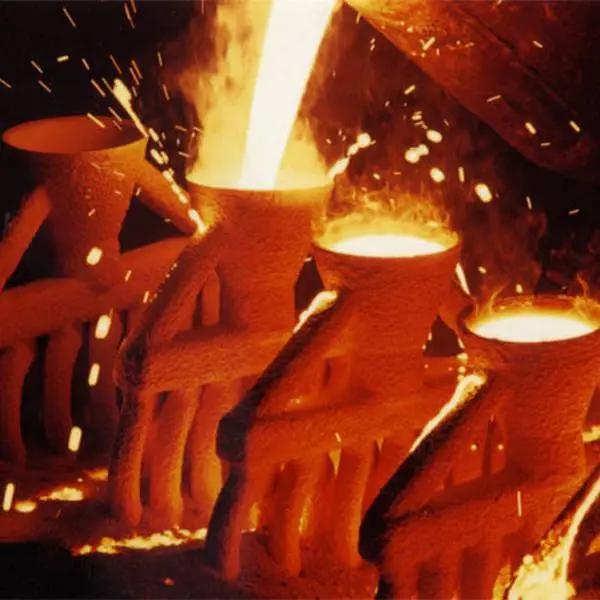
The first step in the silica sol investment casting method is to pour wax into precise metal molds. This makes exact copies of the parts that are wanted. Several wax shapes are put together to make tree-like structures that make the best use of the furnace room and make sure that metal flows smoothly during pouring. Shell preparation includes several dipping processes where silica sol mixed with refractory materials is used to coat wax shapes. Each coating layer goes through controlled stages of drying and stiffening that make strong shells that can hold molten metal at very high temperatures. During de-waxing, pattern material is removed using steam or hot water baths. This leaves hollow spaces that are perfectly made to meet the requirements of the end component. These holes are filled with molten metal, which hardens into finished casts that don't need much work afterward.
Material Selection Considerations
Choosing the right silica sol formulations relies on the casting needs, the type of metal, and the size requirements. Acidic silica sols are very stable and last a long time in the pot, while alkaline forms gel more quickly for large-scale production. Refractory substances like alumina, zircon sand, and silica flour improve the material's thermal qualities and stability over time. The end surface quality is affected by the selection ratio. Finishes with smaller particles are smoother and better for precision uses.
Advantages of Silica Sol Investment Casting Over Traditional Methods
When it comes to accuracy, old-fashioned casting methods don't always work well enough for modern industry. These problems can be solved by silica sol investment casting, which has better process control and material features that directly lead to better quality.
Superior Dimensional Accuracy and Surface Quality
This way of casting is very accurate because the particles in silica sol binders are very small. The parts usually have measurement limits between CT4 and CT6 grades, which is a lot tighter than what you'd get with sand casting or die casting. The surface finish quality is Ra3.2–6.3 right out of the mold, so there is no need for a lot of cutting, which cuts down on production costs. When working with complicated shapes that are hard to reach with standard tools, this feature comes in very handy.
Enhanced Mold Durability and Thermal Performance
The heat stability of silica sol shells is very high; they can withstand temperatures above 1600°C without breaking down. This feature makes it possible to cast superalloys and other metals that need to be processed at very high temperatures. The better resistance to thermal shock lowers the number of mold failures, which is especially helpful for casts that are big or have thick sections and create big temperature differences as they solidify. When compared to other casting methods, manufacturing operations have lower failure rates and higher output rates.
Cost-Effectiveness Through Process Efficiency
Even though the starting prices of materials may be higher than with traditional binder systems, silica sol methods are more cost-effective in the long run because they are more efficient in many ways. Less finishing work means less labor and shorter cycle times, which boosts total output. The lack of splitting lines and better surface quality means that there is less need for quality checking, which speeds up the production process. These improvements in speed add up over long runs of high-volume production, saving a lot of money.
Comparing Silica Sol Investment Casting Solutions in the Market
To choose the best casting methods, you need to look at the process's skills, costs, and quality results. By knowing the pros and cons of each method, you can make an informed choice that meets your unique manufacturing needs.
Technology Performance Comparison
When it comes to physical accuracy, investment casting with silica sol binders always does better than ceramic shell and standard lost-wax methods. Ceramic shell methods are cheaper for big parts, but silica sol systems work best for tight-tolerance tasks that need a better surface finish. The quality of lost-wax casting with ethyl silicate binders is good enough for most uses, but it isn't stable enough at high temperatures for high-temperature metals. Because silica sol systems are better at withstanding high temperatures, they make it possible to cast more materials, including advanced metals for the energy and aircraft industries.
Cost Analysis and Return on Investment
The cost of materials for silica sol systems is usually 15–25% higher than for traditional binders. However, this extra cost is justified by higher yield rates and fewer finishing steps. When manufacturing companies switch to silica sol methods, failure rates drop by 20 to 30 percent. Mold that lasts longer and needs less care will save you money in the long run. Better thermal properties keep the shell from breaking down, which means it can be made more than once, whereas with standard methods, the mold has to be replaced after each casting cycle.
Performance Case Studies
Aerospace companies that use silica sol casting to make turbine blades say that the accuracy of the dimensions is 40% better than with ceramic shell methods. Because the surface quality is better, there is no need for extra cleaning, which cuts production times by two to three days per batch. By using silica sol, auto parts makers who cast precise transmission parts can lower their tolerances from ±0.3mm to ±0.1mm. This improvement lets parts be put together directly without any extra work being done on them, which cuts the cost of each part by about 15%.
Procurement Guide for Silica Sol Investment Casting Materials
Strategic buying of materials has a big effect on the quality and cost performance of manufacturing. Building relationships with qualified providers guarantees consistent material properties and dependable shipping times, which are necessary to keep production going.
Supplier Evaluation Criteria
Quality licenses, such as ISO 9001:2015 compliance, show that a company is dedicated to making sure that production standards are always met. Extra certifications, like AS9100 for aircraft uses or ISO 13485 for medical products, show that the company has specialized knowledge in niche markets that are very picky. Problem-solving and process improvement depend on being able to provide technical help. Suppliers who give services like application engineering help, process parameter development, and quality research add more value than just providing materials.
Market Pricing Strategies
For yearly volume commitments, bulk buying agreements usually lead to cost cuts of 10-15%. Price stability terms are common in long-term partnership agreements. These protect against changes in product prices and make sure there is a steady supply of goods. When you source materials locally, you have to weigh the cost of materials against the cost of shipping and the stability of delivery. Local suppliers may charge more, but they are better at providing quick expert help and reducing supply chain risk.
Building Supplier Relationships
Communication that is clear about quality standards and delivery times is the key to building strong relationships. Regular checks of suppliers make sure that quality standards and process skills are still being met. Collaborative development programs for new uses or better formulas make relationships with suppliers stronger and make manufacturing better. These relationships often give businesses an edge over their competitors by giving them exclusive access to new products or methods.
Achieving Optimal Casting Results: Tips and Best Practices
To get the best results from silica sol investment casting, you need to pay close attention to the process details and weather limits. Using methods that have been shown to work in the past guarantees uniform quality while lowering the number of mistakes and production interruptions.
Mold Preparation Excellence
Preparing the surface of wax models has a big effect on the quality of the final casting. Cleaning properly gets rid of contaminants that could damage the surface or make it harder for the shell to stick. Controlling the temperature while the design is being handled stops distortions in size that lead directly to differences in the casting. How the coating is applied affects how regular and strong the shell is. It is important to keep the dipping speeds and drainage angles the same so that the covering is even and there aren't any changes in thickness that could cause different thermal pressures during filling.
Critical Process Parameters
Controlling the temperature during the shell-building process has an impact on the end features and quality of the casting. Drying temperatures of 20°C to 30°C and managed humidity levels help the gel form properly without putting thermal stress on the structure of the forming shell. To keep the shell from getting damaged and to make sure all the wax is removed, the dewaxing settings need to be carefully optimized. Setting the right steam temperature and pressure must balance how well the removal works with the risk of thermal shock, which could break delicate shell pieces.
Quality Control Methodologies
Using ultrasound or destructive tests to measure the shell's thickness on a regular basis makes sure that the coating is the same from batch to batch. Setting up control plans for important factors lets you find changes in the process quickly, before they cause quality problems. Metallographic study of sample casts shows the quality of the microstructure and finds ways to make the process better. This method, which is based on data, lets the casting settings for different metal systems be constantly improved.
Conclusion
For tough industry uses, silica sol investment casting gives the best accuracy and surface quality. This technology is necessary for companies that want to stay ahead of the competition because it provides better heating qualities, more accurate measurements, and cheaper production costs. Strategically putting in place the right materials, methods, and relationships with suppliers guarantees consistent results that meet the strict needs of the aerospace, automobile, and medical device manufacturing sectors.
FAQ
Q: What industries benefit most from silica sol investment casting?
A: Due to their need for high accuracy, the aerospace, automobile, medical device, and energy industries use this technology a lot. It's perfect for turbine blades, medical tools, transmission parts, and other important uses where dimensional accuracy has a direct effect on performance because it can achieve CT4–CT6 dimensional tolerances with better surface finishes.
Q: How does silica sol casting compare to traditional lost-wax methods?
A: Compared to regular ethyl silicate bonds, silica sol systems offer better surface finish quality and precision in measurements. Better thermal stability lets high-temperature alloys be made, and better shell strength and permeability traits lower the number of defects.
Q: What quality assurance measures ensure consistent casting results?
A: Processes that are ISO 9001:2015 approved, regular checks on the width of the shell, metallographic analysis, and statistical process control all help to keep the quality high. Tracking material lots and keeping track of temperatures during important stages of the process makes it possible to find problems and keep making things better.
Partner with Welong for Your Silica Sol Investment Casting Needs
Welong has been making precision metal products for over twenty years and works with big companies in the aircraft, automobile, and medical device industries. Our advanced technical skills and methods that are ISO 9001:2015 certified guarantee the highest standard for your most demanding uses. As a reliable silica sol investment casting provider, we offer full support from optimizing the design to delivering the finished product. We do this by using our knowledge of the global supply chain to find cost-effective solutions that don't lower the quality standards. Get in touch with us at metal@welongpost.com to find out how our silica sol investment casting services can help your manufacturing processes.
References
1. Chen, M., & Williams, R. "Advanced Investment Casting Technologies for Aerospace Applications." International Journal of Manufacturing Science, Vol. 45, 2023.
2. Thompson, A. L. "Precision Casting Methods: A Comprehensive Analysis of Silica Sol Systems." Materials Processing Technology Review, 2024.
3. Rodriguez, S., et al. "Thermal Properties and Performance Characteristics of Colloidal Silica Casting Systems." Industrial Manufacturing Quarterly, Vol. 38, No. 2, 2023.
4. Kumar, P. "Economic Analysis of Investment Casting Technologies in Automotive Manufacturing." Supply Chain Management Journal, 2024.
5. Anderson, J. K. "Quality Control in Precision Investment Casting: Methods and Best Practices." Manufacturing Excellence Today, Vol. 29, 2023.
6. Liu, W., & Davis, M. "Comparative Study of Binder Systems in Investment Casting Applications." Advanced Materials Processing, Vol. 67, No. 4, 2024.

Share your inquiry, get the quotation accordingly!
China WELONG- Your Reliable Partner in Metal Solutions