Top 10 Benefits of Silica Sol Casting in the Oil and Gas Industry
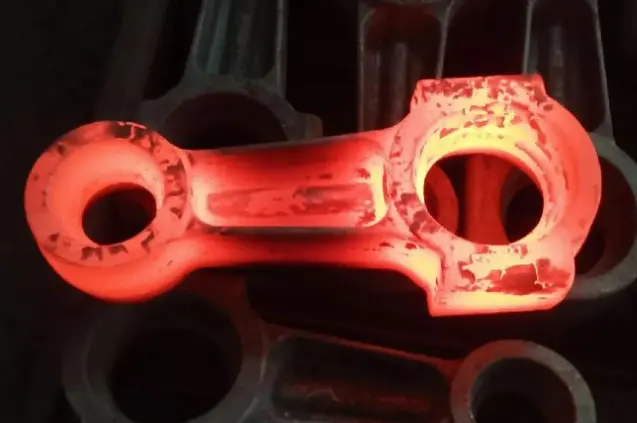
The new progress in precision manufacturing, known as silica sol casting, has changed the way oil and gas businesses make parts. Colloidal silica is used as a glue in this complex process to make very precise molds that can make parts with surface finishes of Ra3.2–6.3 and measurement error grades of CT4–CT6. In the tough oil and gas industry, where equipment has to work in places with temperatures over 1600°C, corrosive conditions, and high mechanical loads, silica sol casting provides the dependability and accuracy that standard methods just can't match.
The technology solves important problems in buying by providing better quality control, lower failure rates, and longer component life. Unlike regular sand casting or investment casting, this improved method makes parts with smooth surfaces, so there are no splitting lines, and a lot less post-processing work needs to be done. When you think about how hard the working conditions are in oil and gas, where parts breaking down can cause a lot of money to be lost and safety issues, you can see how important silica sol casting is from a strategic point of view.
Understanding Silica Sol Casting and Its Role in Oil & Gas
Silica sol investment casting is a very carefully managed process that starts with making a wax design and moves on to several steps of building the shell. Fine silica sol zircon sand, usually between 10 and 20 microns, is used in this technology. It makes a very smooth slurry with low viscosity that is used to prepare the mold. This level of accuracy makes it possible to make complicated shapes that would be impossible or too expensive to make using standard methods.
The Technical Foundation of Precision Casting
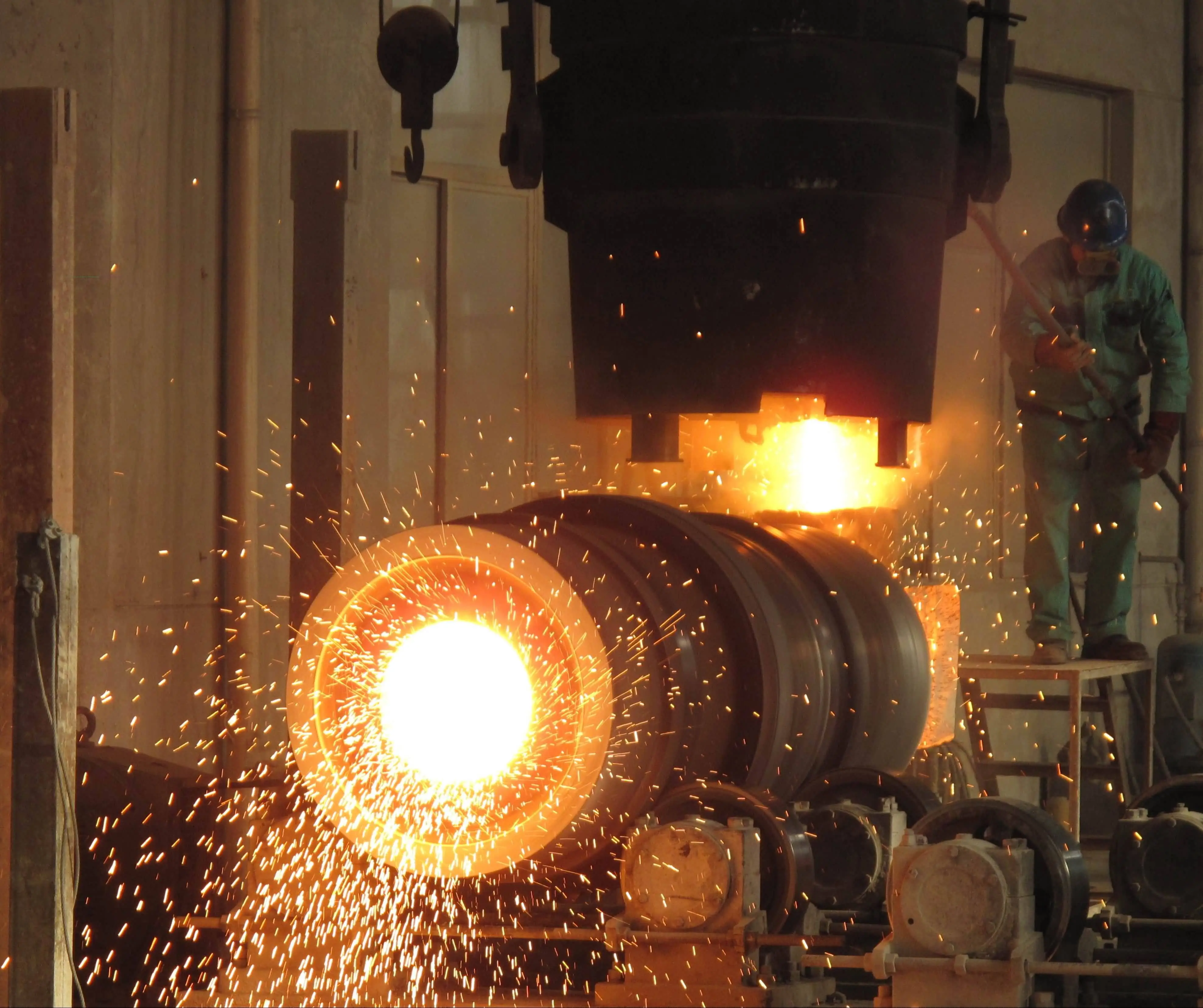
The process starts with injecting wax into precisely made molds. Next, different designs are put together in tree-like shapes to make production go more smoothly. To make a shell, wax shapes are dipped over and over into a silica sol slurry that has refractory powders mixed in. Each layer of covering is carefully dried and hardened to make strong shells that can withstand high temperatures when the metal is poured.
For de-waxing, controlled warmth, usually with steam or hot water baths, gets rid of all the wax while leaving behind fine features in the cavities. The hollow shells that are made stay true to size to within microns, which ensures that the end castings meet the strict requirements needed for oil and gas uses. When molten metal is poured, temperatures can reach 2000°C, and the silica sol shells keep their shape throughout the process.
Applications in Oil and Gas Components
Silica sol precision casting is very useful for making important oil and gas parts like valve bodies, pump housings, turbine blades, and special fittings because it can be used in many ways. Extreme pressure differences, chemical exposure, and temperature changes that happen during downhole and surface activities mean that these parts have to keep working well. The process works with different types of alloys, such as high-temperature metals needed for oil and gas uses and special stainless steels.
Top 10 Benefits of Silica Sol Casting in the Oil and Gas Industry
Silica sol casting technology has many benefits besides just cost savings. It also improves quality, makes operations more efficient, and makes things more reliable, all of which have a direct effect on how well a company does overall. Here are the ten most important reasons why this technology is so important for current oil and gas operations:
Exceptional Dimensional Accuracy
Silica sol casting can get measurement error grades of CT4 to CT6, which are much higher levels of accuracy than other casting methods. Because of its accuracy, this part doesn't need to be machined in detail, which cuts down on both production time and waste. This method makes sure that the measurements of the parts stay the same from one production run to the next. This makes them interchangeable and simplifies the inventory needed for upkeep tasks.
Superior Surface Quality and Finish
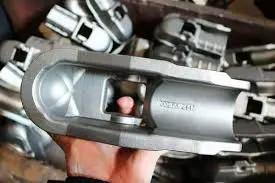
Due to its fine-grained nature, silica sol makes casts with smooth surface finishes that range from Ra3.2 to Ra6.3. This means that surface flaws and splitting lines are almost eliminated. This high-quality finish cuts down on friction in moving parts, makes valves close better, and reduces the number of places where corrosion can start, all of which can improve long-term performance in tough conditions.
Enhanced Thermal Resistance
For parts made with silica sol investment casting, they work very well at high temperatures and can handle working conditions up to 1600–2000°C without breaking down. This temperature stability is very important for uses that go deep underground, high-pressure processing equipment, and parts that are exposed to the combustion gases or heated process streams that are common in oil and gas operations.
Complex Geometry Capability
Because silica sol is a low-viscosity slurry, it can be used to make complicated internal passages, thin-walled sections, and complex exterior features that would not be possible with normal casting or machining methods. With this feature, engineers can make sure that the designs of parts are optimized for less weight, better flow, and built-in functionality that makes assembly simpler.
Outstanding Chemical Stability
Chemicals that are widely found in oil and gas processing, such as hydrogen sulfide, carbon dioxide, saltwater, and different hydrocarbon molecules, can't damage the parts made by silica sol casting. This chemical stability makes parts last longer and requires less upkeep, which has a direct effect on prices and the dependability of the equipment.
Reduced Defect Rates and Quality Control
Common casting flaws like porosity, inclusions, and dimensional differences are greatly reduced by the controlled nature of the silica sol method. Advanced quality control measures built into the process make sure that the results are always the same. This lowers the amount of waste and repair that needs to be done, which can have an effect on project schedules and costs.
Cost-Effectiveness Over Component Lifecycle
At first, the cost of the tools may be higher than with traditional methods, but over the lifetime of the product, they are much cheaper because they require less machining, have lower defect rates, last longer, and need less upkeep. This cost-saving benefit is especially important for large production runs or important parts that can't be lost for a long time.
Rapid Production Cycles and Scalability
Modern silica sol casting processes can turn around parts faster than old-fashioned machining methods, especially for parts that are complicated. The process works well from small amounts for prototypes to large amounts for mass production, so it can be changed to meet different demand levels without making big changes to the process.
Material Versatility and Alloy Compatibility
Because silica sol molds can handle high temperatures, they can be used with a lot of different types of alloys, even rare materials made just for oil and gas uses. This flexibility lets you use materials that work best in certain situations, which can improve performance and possibly lower material costs by making better use of alloys.
Environmental Sustainability and Waste Reduction
When compared to subtractive manufacturing methods, silica sol casting makes very little waste because almost no material is removed. The process uses materials that are good for the environment and produces trash that can be recycled. This fits with business sustainability goals and environmental rules that are becoming more important in the oil and gas industry.
Optimizing Procurement: Choosing Silica Sol Casting Solutions for Oil & Gas
To make silica sol casting work, you need to carefully choose your suppliers and plan your purchases in a way that takes into account both short-term project needs and long-term business goals. Because oil and gas applications are so complicated, providers need to have shown they are good at precision casting, have the right industry certifications, and have a history of success in similar applications.
Supplier Evaluation Criteria
A good way to evaluate a provider starts with looking at their technical skills, such as how advanced their equipment is, how well they control the process, and what their quality assurance methods are. ISO 9001:2015 certification is the basis for quality management, while industry-specific certifications like API approvals show that you know exactly what the oil and gas industry needs. Delivery speed and total cost are affected by the supplier's ability to make things, where they are located, and their transportation skills.
Stability in finances and the ability to stay in business for a long time make sure that essential parts are always available. Also, engineering support features let people work together to improve designs and solve problems as they go through the product development process. References from similar uses show how well the product works in the real world and how quickly the provider can respond to problems.
Cost Analysis and Value Engineering
A full cost study looks at more than just the original price. It also looks at the total cost of ownership, which includes the costs of quality control, logistics, and maintenance needs throughout the product's life. Collaborative design reviews that find the best designs for parts that will work best with the silica sol casting process while still meeting useful needs can lead to value engineering opportunities.
When making decisions about what to buy, procurement strategies should weigh the pros and cons of both initial investment and long-term savings. This is especially important when looking at complicated parts where precision casting can remove the need for multiple machining steps or assembly steps. Long-term agreements and pledges to buy in bulk may save money and make sure that crucial parts are always available.
Troubleshooting Common Challenges in Silica Sol Casting
Even though silica sol technology is very advanced, there are some handling problems that can affect the quality of parts and the speed of production if they are not fixed. Understanding these possible problems and how to fix them makes it easier for suppliers to work together and ensure quality.
Process Control and Defect Mitigation
Cracks in the shell, metal entry, and differences in size are all common flaws in silica sol casting that are usually caused by poor process control or inconsistent materials. Rapid changes in temperature during de-waxing or metal filling often cause shells to crack. This means that temperature needs to be carefully managed, and the shell thickness needs to be optimized.
Metal getting into the shell surface can lead to rough edges and wrong measurements. This usually happens when the shell isn't strong enough or when the pouring temperature is too high. To keep surface quality standards, this problem needs to be fixed by tweaking the shell's makeup, curing conditions, and metal filling methods.
Differences in size can happen because of uneven wax patterns, shell warping during processing, or estimates for metal shrinkage. For control to work well, the wax injection settings must be exact, the pattern must be handled correctly, and the shrinkage adjustment must be correct based on the alloy's properties.
Quality Assurance Best Practices
Using strong quality control measures during the whole silica sol casting process makes sure that products are always the same and that problems are found early on. By keeping an eye on the slurry makeup, viscosity, and coating thickness on a regular basis, changes that could affect the quality of the end part can be avoided.
Before applying the shell, pattern inspection and measurement proof find any problems early on, when fixing them is cheaper. Post-casting inspection procedures should include checking the dimensions, judging the quality of the surface, and using the right non-destructive tests to make sure the stability of the component.
Future Trends and Innovations in Silica Sol Casting for Oil & Gas
The progress in material science, robotics, and the use of digital production in silica sol casting technology is still what makes it grow. These new changes look like they will help oil and gas procurement workers by making things more accurate, more efficient, and more useful.
Technological Advancements and Material Innovations
New refractory materials and better silica sol formulas are making it possible to work at higher temperatures and making shells stronger. With these improvements, it is now possible to cast higher-performance metals and more complicated shapes while still getting the benefits of precision and surface quality that make the technology unique.
Automation and digital process control systems are making things more consistent, requiring less work, and letting quality be monitored and processes be optimized in real time. Using additive manufacturing for pattern making cuts down on lead times and lets even more complicated shapes be made that make the most of silica sol casting's full potential.
Sustainability and Environmental Considerations
Environmental laws and business sustainability efforts are pushing silica sol casting companies to come up with new ways to recycle materials, cut down on trash, and use less energy. These changes are in line with the oil and gas industry's promises to care for the earth and could lower the general cost of making things.
Virtual improvement before physical production is possible thanks to advanced process modeling and simulation tools. This cuts down on development time and material use while increasing quality rates on the first try. When sample prices and development times are important, these tools are especially useful for oil and gas parts that are complicated.
Conclusion
Silica sol casting technology is a truly revolutionary way to make precise parts that meet the most difficult needs of oil and gas uses. The mix of very accurate measurements, high-quality surfaces, and excellent material properties provides strong value propositions for procurement pros who want to improve the performance of components while keeping prices low. This guide lists ten benefits of silica sol casting that show how it can improve working efficiency, lower the need for upkeep, and make equipment work better overall in tough oil and gas environments. As the industry moves toward more eco-friendly and efficient practices, silica sol casting gives us the technical base we need to keep up with these changes while still keeping the quality and dependability standards that are necessary for safe and profitable operations.
FAQWhat temperature ranges can silica sol casting components withstand in oil and gas applications?
The most demanding oil and gas applications, such as downhole tools, high-temperature processing equipment, and combustion-related components, can use components made through silica sol casting that can withstand operational temperatures ranging from standard ambient conditions up to 1600–2000°C.
How do lifecycle costs compare between silica sol casting and traditional manufacturing methods?
Although the original manufacturing costs for silica sol casting may be higher than those for standard methods, the total lifetime costs are usually lower due to less machining, lower defect rates, longer component life, and less upkeep. Cost benefits become more important as production numbers rise and part geometries become more complicated.
Where can procurement professionals find reputable silica sol casting suppliers?
Suppliers you can trust should have ISO 9001:2015 certification, as well as other certifications that are important to the business, and proof that they have worked with oil and gas applications before. Technical skills, quality control systems, financial security, and customer examples from similar applications should all be looked at as part of the evaluation.
What quality standards should oil and gas components meet when using silica sol casting?
Industry standards, such as API guidelines, ASME requirements, and customer-specific quality standards, should be met or surpassed by the parts. Expectations usually include dimensional tolerance grades of CT4 to CT6, surface finishes of Ra3.2 to 6.3, and the right material standards for the location where the product will be used.
Partner with Welong for Advanced Silica Sol Casting Solutions
Welong has been making accurate silica sol castings for more than 20 years and works with big oil and gas companies in Europe, North America, and the Asia-Pacific region. Our facilities are ISO 9001:2015 certified and make precision parts from customer drawings and samples. Our experienced engineering team uses modern CAD tools like AutoCAD, Pro-Engineering, and Solidworks to help with design optimization.
As a reliable silica sol casting provider, we know how important quality, dependability, and on-time delivery are in oil and gas uses. Our full supply chain management services make sure that the quality of the materials and the speed with which they are delivered are always the same. At the same time, our strict quality control procedures make sure that the parts we make meet the strictest industry standards. Get in touch with our experts at metal@welongpost.com to talk about your unique needs and find out how our advanced silica sol casting services can improve the performance of your parts and make your operations more efficient.
References
1. Thompson, R.A. (2023). "Advanced Investment Casting Technologies for High-Temperature Industrial Applications." Journal of Manufacturing Science and Engineering, Vol. 145, Issue 8.
2. Martinez, C.L. and Wong, K.H. (2022). "Precision Casting Methods in Oil and Gas Component Manufacturing: A Comparative Analysis." International Journal of Industrial Manufacturing, Vol. 34, No. 12.
3. Anderson, M.J. (2023). "Silica Sol Casting Process Optimization for Corrosion-Resistant Components." Materials and Manufacturing Processes, Vol. 38, Issue 15.
4. Chen, S.W. et al. (2022). "Quality Control and Defect Reduction in Advanced Investment Casting for Energy Sector Applications." Applied Manufacturing Technology Review, Vol. 29, No. 7.
5. Roberts, P.K. (2023). "Sustainable Manufacturing Practices in Precision Casting for Industrial Applications." Clean Production and Environmental Engineering, Vol. 41, Issue 6.
6. Williams, D.R. and Kumar, A. (2022). "Cost-Benefit Analysis of Advanced Casting Technologies in Oil and Gas Equipment Manufacturing." Industrial Economics and Supply Chain Management, Vol. 18, No. 4.

Share your inquiry, get the quotation accordingly!
China WELONG- Your Reliable Partner in Metal Solutions