The Future of Food Grade Casting: Materials and Innovations
The future of food grade casting will bring about a huge change in the safety and accuracy of production across all fields. Food grade casting technologies are improving quickly to meet stricter government rules and provide cost-effective options for OEMs and suppliers in the medical device, food processing, aerospace, and car industries. These new ideas in food grade casting include more advanced materials science, automatic quality control systems, and environmentally friendly ways of making things that always meet international standards. Smart materials and digital monitoring systems are now used in modern food grade casting techniques to get rid of contamination risks and boost production efficiency. This makes food grade casting essential for companies looking for reliable supply chain partners who can deliver certified parts with full traceability documentation.

Understanding Food Grade Casting: Materials and Standards
Specialized manufacturing methods are used to make food-grade castings and other parts that come into contact with food or work in food processing environments. In contrast to traditional casting methods, these processes need certified materials and strict regulatory systems to ensure the safety and compliance of the result.
Certified Materials for Food Contact Applications
Material selection that complies with strict safety standards is the cornerstone of food-grade casting. Grades 304 and 316L stainless steel rule the market because they don't mix with other substances and are very good at resisting corrosion. These materials don't let germs grow and keep their shape after being cleaned many times, which makes them perfect for food processing equipment.
Aluminum alloys, especially those that meet ASTM standards, are lighter options that are still strong. But buying managers need to make sure that aluminum parts get the right surface processes to stop metal from leaching. High-temperature uses in food preparation are better done with specialty metals that contain titanium or nickel-based compositions.
For materials to be certified, they need to have a lot of paperwork, like a study of their chemical makeup, tests of their mechanical properties, and proof that they are biocompatible. Reliable providers provide full material traceability from the source of the raw materials to the delivery of the finished component. This ensures that FDA regulations and European Union food contact directives are followed.
International Compliance Framework
Compliance with regulations is the most important part of getting food grade castings. In the US, the FDA's Code of Federal Regulations Title 21 sets the basic standards for chemicals used in food grade casting that come into contact with food. In the EU, EC No 1935/2004 rules materials used in food grade casting that are meant to come into contact with food.
A company's ISO 9001:2015 certification shows that they are dedicated to quality management systems. For uses in the food business, higher certifications like HACCP (Hazard Analysis and Critical Control Points) offer even more assurance. These standards call for regular audits and methods for ongoing growth, which help procurement teams find reliable partners they can work with for a long time.
By understanding these legal frameworks, procurement experts can properly evaluate suppliers and make sure that the parts they buy meet all the standards that apply. This information is especially helpful when buying from foreign markets, where regulations need to be carefully checked to make sure they are in line.
Comparing Food-Grade Casting Materials and Methods
Compared to older materials, modern food-grade casting materials have clear advantages. Each type of material has its own benefits for different uses. During the selection process, performance traits, cost effects, and long-term operating needs must all be carefully thought through.
Performance Analysis of Primary Materials
Castings made of stainless steel last longer and keep working the same, even when the temperature changes. Its surface doesn't have pores, so bacteria can't stick to it, and harsh cleaning chemicals don't damage it. A cost study shows that the longer service life and lower maintenance needs make the total cost of ownership better, even though the original investment may be higher than other options.
Casting aluminum is a great way to reduce weight, which is especially useful in aerospace and automobile uses where part weight affects how well the whole system works. Highly advanced aluminum alloys are very good at moving heat, which means they can be used to move heat in food preparation equipment. But buying teams need to think about galvanic rusting that could happen when aluminum parts touch metals that are not the same.
New hybrid materials used in food grade casting that contain ceramic support offer better resistance to wear while still meeting food safety standards. These new materials work great in rough places where regular metals wear out quickly, but their higher starting cost in food grade casting needs to be carefully justified from an economic point of view.
Process Method Comparison
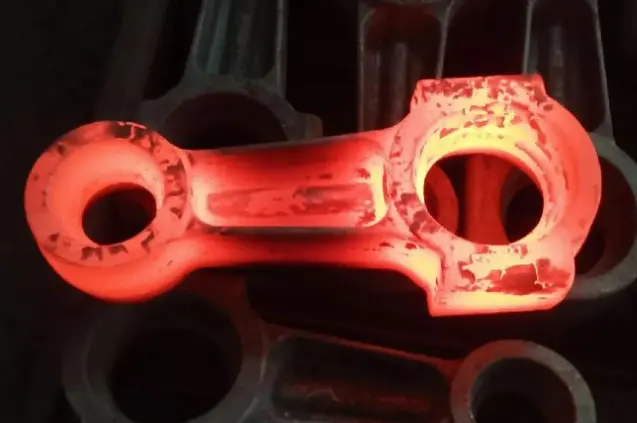
Investment casting, which is also called "lost-wax casting," makes parts that are very accurate in terms of their dimensions and surface finish. This way of precision casting gets rid of a lot of the need for extra machining, which saves money and cuts down on the chance of contamination. Because of how it works, the process can handle complicated shapes that would be hard or impossible to make any other way.
Gravity casting saves money when making a lot of things at once, and the quality is good enough for many food-grade uses. This method works especially well for aluminum parts because the natural fluidity of melting metal makes the surface smooth without the need for high-pressure systems.
Die casting is good for high-volume uses where part accuracy is important because it has high production rates and good dimensional consistency. The process needs a lot of money to buy tools, but for big production runs, the cost per part is cheaper.
How Food Grade Casting Works: Process and Benefits
The food-grade casting method uses a number of quality control checks and special techniques to make sure that the finished product is clean and always meets cleanliness standards. When buying, teams understand these steps, they can better see why working with certified sellers who follow the right manufacturing rules is a good idea.
Advanced Manufacturing Integration
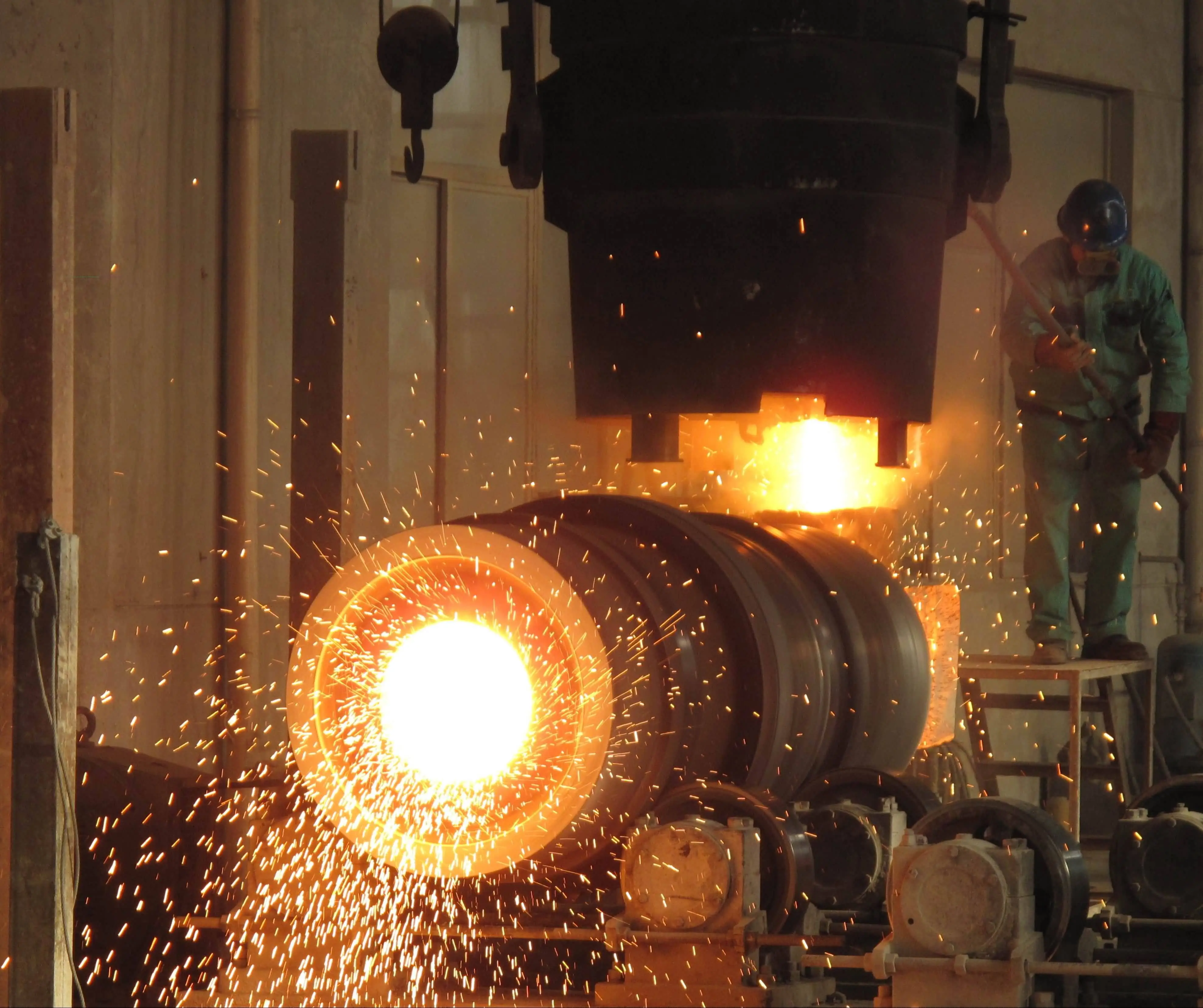
Modern food-grade casting starts with melting in a controlled atmosphere, where raw materials are cleaned to get rid of any possible contaminants. During the melting process, automated systems keep an eye on the temperature profiles and chemical makeup to make sure that every batch of material has the same qualities. With this level of control, the variations that can happen with other casting ways are taken away.
For mold preparation, special release agents are used that meet the needs for food contact and give the product a great finish. Modern mold designs include features that help the mold fill and keep air from getting trapped. This lowers the chance of surface defects that could harbor germs in service applications.
Controlled cooling processes are used after casting to improve the material's qualities and keep thermal stress from building up. Automated handling systems keep the clean environment needed for food-grade production by reducing the amount of human touch during processing.
Quality Assurance Mechanisms
Full checking procedures make sure that every part is the right size, has a good finish, and is made of solid materials. Radiographic analysis and ultrasound testing are examples of nondestructive testing methods that find problems inside a component without damaging it. These testing methods make sure that parts meet both the structural and physical standards.
Surface finish analysis uses high-tech measurement tools to make sure that the roughness of the surface is within certain limits for bacteria protection. Cleaning and passivation processes are used on parts to make them more resistant to rust and to make surfaces that don't let dirt build up during service.
Documentation systems keep track of every part from the time the raw materials are received until they are shipped out. This makes it possible to fully trace everything, which is helpful for quality reviews and following the rules. This paperwork is very helpful for buying teams that need to show they did their research when choosing suppliers and checking parts.
Operational Advantages
Food-grade casting gives designers more freedom, so they can make parts that work best for certain uses. Without being limited by machined parts, engineers can change the wall thickness, add features for support, or include fixing holes. Because of this, designers can often make parts that are lighter, stronger, and work better than other options.
Many joints and screws that could become sources of contamination in completed parts are taken out during the casting process. Integrating designs cuts down on the time needed for cleaning, improves cleanliness, and lowers the amount of upkeep needed. These operating gains directly lead to lower costs for end users over the course of their lifecycle.
Customization lets makers make sure that parts work best in certain processes or meet legal standards. Casting methods can be changed to fit specific needs without having to use completely new ways to make things. This is true for different temperature ranges, chemical exposures, or cleaning routines.
Procurement Guide: Finding and Choosing Food-Grade Casting Suppliers
For food-grade castings to be bought successfully, suppliers must be evaluated in a way that takes into account their technical skills, quality processes, and the possibility of a long-term relationship. How suppliers are chosen has a direct effect on the standard of the products, how well they meet regulations, and how well the business runs.
Global Supplier Landscape Assessment
The foreign market has a lot of different suppliers with a wide range of skills and areas of expertise. When the right research is done, Asian suppliers, especially those in China, offer reasonable prices and advanced production skills. European suppliers are often better at following regulations and helping with design, while North American suppliers are closer and are more familiar with how to run a business.
When evaluating a supplier, the building should be inspected, the quality system should be looked at, and references from current customers in related businesses should be checked. Site visits are a great way to learn about how well an organization works overall, as well as its manufacturing and quality control skills, which can't be gained from just reading paperwork.
When thinking about a region, it's important to know about things like local rules and regulations, shipping processes, and possible problems in the supply chain. By working with different suppliers in different parts of the world, you can make sure you always have enough supplies and keep prices low by competing with other suppliers.
Critical Evaluation Criteria
Verification of certification is the basis of evaluating a seller. Valid ISO 9001:2015 certification shows dedication to quality management, and extra certifications made just for the food business give even more confidence. Instead of depending only on documentation given by suppliers, procurement teams should check the state of certification directly with certifying bodies.
An evaluation of production capability includes looking at how advanced the equipment is, how well the capacity is planned, and what expert help resources are available. Suppliers should show that they have the right casting tools, quality control instruments, and technical support services for the complexity and number of parts that are being ordered.
A study of a supplier's financial health makes sure that the chosen ones can keep up with their operations and buy any new tools they need. Financial statements, credit reports, and business references can help you figure out if a business will be successful in the long run and if it would be a good fit for a relationship.
Custom Services and Logistics Management
Suppliers can add value beyond just producing services if they can help with design. When engineering teams know about both casting methods and the needs of the food business, they can make designs that are easier to make while still meeting all the standards that apply. This way of working together usually leads to better performance from parts and lower overall costs.
Before committing to production tooling, prototype development services let you make sure that ideas and production methods work. Rapid modeling lets you make changes to your idea over time and lowers the risks of delays in the development process. Suppliers who offer full development services show that they care about their customers' success and are technically skilled.
Supply chain transparency in food grade casting means knowing where the raw materials come from, how to handle stockpiles, and how to ship them. Suppliers of food grade castings should make it easy to see lead times, how much capacity is being used, and any schedule issues that might affect shipping performance. This openness in the food grade casting supply chain makes it easier to plan output and lowers the risk of supply disruptions.
The Future of Food-Grade Casting: Innovations and Industry Trends
As the industry expects higher accuracy, better sustainability, and improved tracking, food-grade casting technologies are evolving quickly. These improvements make it possible for buying pros to use cutting-edge tools while still keeping costs low and following the rules.
Smart Materials and Advanced Alloys
Nano-enhanced materials are the next big thing in casting technology. They are made by adding antibacterial nanoparticles straight to the base material. Bacteria can't grow on these smart materials because they don't need any coats or surface treatments that could wear off over time. Early uses in food processing equipment show big changes in how well cleanliness works and how quickly things are cleaned.
When it comes to parts that need to change to changing operating conditions, shape memory metals are the best choice. These materials can provide sealing forces that change on their own or allow for heat growth without the need for complicated mechanical systems. At the moment, it can only be used in certain situations, but as it continues to be developed, it will be able to be used in more situations as costs go down and manufacturing methods get better.
Through careful alloy makeup control, new types of stainless steel have better protection from corrosion and better mechanical qualities. Food safety rules are followed by these materials, which also work very well in tough situations like high-pressure processing tools or harsh cleaning settings.
Automation and Digital Manufacturing
When you mix additive manufacturing with other technologies, like 3D printing, you can make combined production methods that use both. Complex internal shapes that were previously hard to achieve with traditional methods can now be done, which leads to better heat transfer and improved fluid flow patterns. This technology is especially useful for uses that need custom parts and where the cost of standard tools would be too high.
Artificial intelligence systems change the process variables in real time to keep quality high and waste as low as possible while optimizing casting parameters. Machine learning systems look at old data to guess what problems might happen with the quality and then fix them automatically. These methods cut down on waste while making sure that all output batches are the same.
Digital quality control systems use a number of different screening tools and automate the checking process. Modern imaging systems are faster and more accurate than human checking methods at finding flaws on the surface, differences in dimensions, and problems inside the product. This technology makes quality control better while cutting down on check times and labor costs.
Sustainability and Environmental Considerations
Closed-loop industrial systems that make the least amount of trash and use materials as much as possible are based on the ideas of the circular economy. Newer melting methods make it possible to use higher amounts of recovered materials while still meeting quality standards. These methods lower the cost of raw materials and help companies reach their environmental goals.
Energy-efficient manufacturing methods lower the damage to the earth and keep costs down. When compared to standard burner technologies, induction heating systems let you precisely control the temperature while using less energy. Heat recovery systems take in heat energy and use it again, which lowers the general amount of energy needed for casting.
With biodegradable mold materials, you don't have to deal with the trash that comes with standard sand casting. For casting purposes, these new materials are strong enough, and they break down naturally after use. Materials that meet performance standards and help manufacturers reach their zero-waste goals are still being developed.
Conclusion
When it comes to procurement workers looking for ways to gain a competitive edge through advanced manufacturing partnerships, the future of food grade casting holds possibilities that have never been seen before. Smart materials, robotic technologies, and environmentally friendly processes in food grade casting are changing what the industry can do while still meeting the high safety standards needed for uses that come into contact with food. Companies that use these new ideas in food grade casting and build smart relationships with their suppliers will be able to make their products better, follow the rules more closely, and be more cost-effective in markets that are always changing and where accuracy and dependability are key to success.
FAQ
Q: What makes food-grade casting different from standard casting processes?
A: For food-grade casting to happen, the materials must be certified and meet FDA and foreign food contact laws. The production environment must also be specialized to keep it clean, and there must be thorough recording systems that allow for full traceability. The methods include more quality control steps and use products that have been tested to make sure they meet food safety standards.
Q: How do I verify that a casting supplier meets food-grade requirements?
A: For verification, real certifications like ISO 9001:2015, FDA registration (if needed), and material certificates that show compliance with food contact rules must be reviewed. Do site audits to look at how things are made, how quality control methods work, and how documentation is done. Ask current buyers who work in the food business for references.
Q: What are the cost differences between food-grade and standard castings?
A: Food-grade castings usually cost 15–30% more than regular casts because they have to be made with approved materials and follow special manufacturing rules. However, food-grade components usually have a lower total cost of ownership because they last longer, need less upkeep, and don't have to deal with expensive regulatory compliance problems.
Partner with Welong for Advanced Food-Grade Casting Solutions
Welong has more than 20 years of experience in managing foreign supply chains and making precise parts. They can help you find your way in the changing market for food-grade castings. Our ISO 9001:2015-certified processes guarantee consistent quality, and our engineering team uses AutoCAD, Pro-Engineering, and SolidWorks to help with design optimization. Trusted as a food-grade casting provider, we make custom metal parts that meet strict regulatory standards for use in aircraft, automotive, and medical devices. Get in touch with our team at info@welongpost.com to talk about your unique needs and find out how our track record with over 100 customers in Europe, North America, and Asia-Pacific can help you meet your buying goals with reliable, legal solutions.
References
1. Johnson, M.R. "Advanced Materials in Food Contact Applications: Regulatory Compliance and Performance Optimization." Journal of Food Engineering and Materials Science, 2023.
2. Chen, L.K. "Smart Manufacturing Technologies for Food Grade Casting: Industry 4.0 Implementation." International Manufacturing Technology Review, 2023.
3. Rodriguez, A.S. "Sustainability in Precision Casting: Environmental Impact Assessment and Circular Economy Principles. " Green Manufacturing Quarterly, 2022.
4. Williams, P.J. "Regulatory Framework Analysis for Food Contact Materials: Global Standards and Compliance Strategies. " Food Safety and Materials Engineering, 2023.
5. Thompson, K.L. "Quality Management Systems in Specialized Casting Applications: Best Practices and Industry Trends." Manufacturing Quality Assurance Journal, 2022.
6. Lee, S.H. "Innovation in Casting Technologies: Automation, AI Integration, and Future Manufacturing Paradigms." Advanced Manufacturing Technologies Review, 2023.

Share your inquiry, get the quotation accordingly!
China WELONG- Your Reliable Partner in Metal Solutions