Hydraulic Gravity Die Casting for Automotive Manufacturing
Heavy-duty hydraulic gravity die casting is a complex metal shaping method that has changed the way car parts are made. Using controlled hydraulic filling mechanisms, this advanced process pours molten metal into permanent molds using gravity. This makes sure that the dimensions are exact and the structure is strong. Automotive gravity die casting uses hydraulic systems to control the flow rates of metal and reduce noise during the casting process, in contrast to traditional gravity casting techniques. This technology is now needed to make important car parts like engine blocks, transmission housings, and suspension parts that need to have high mechanical properties and uniform quality standards.

Understanding Hydraulic Gravity Die Casting in Automotive Manufacturing
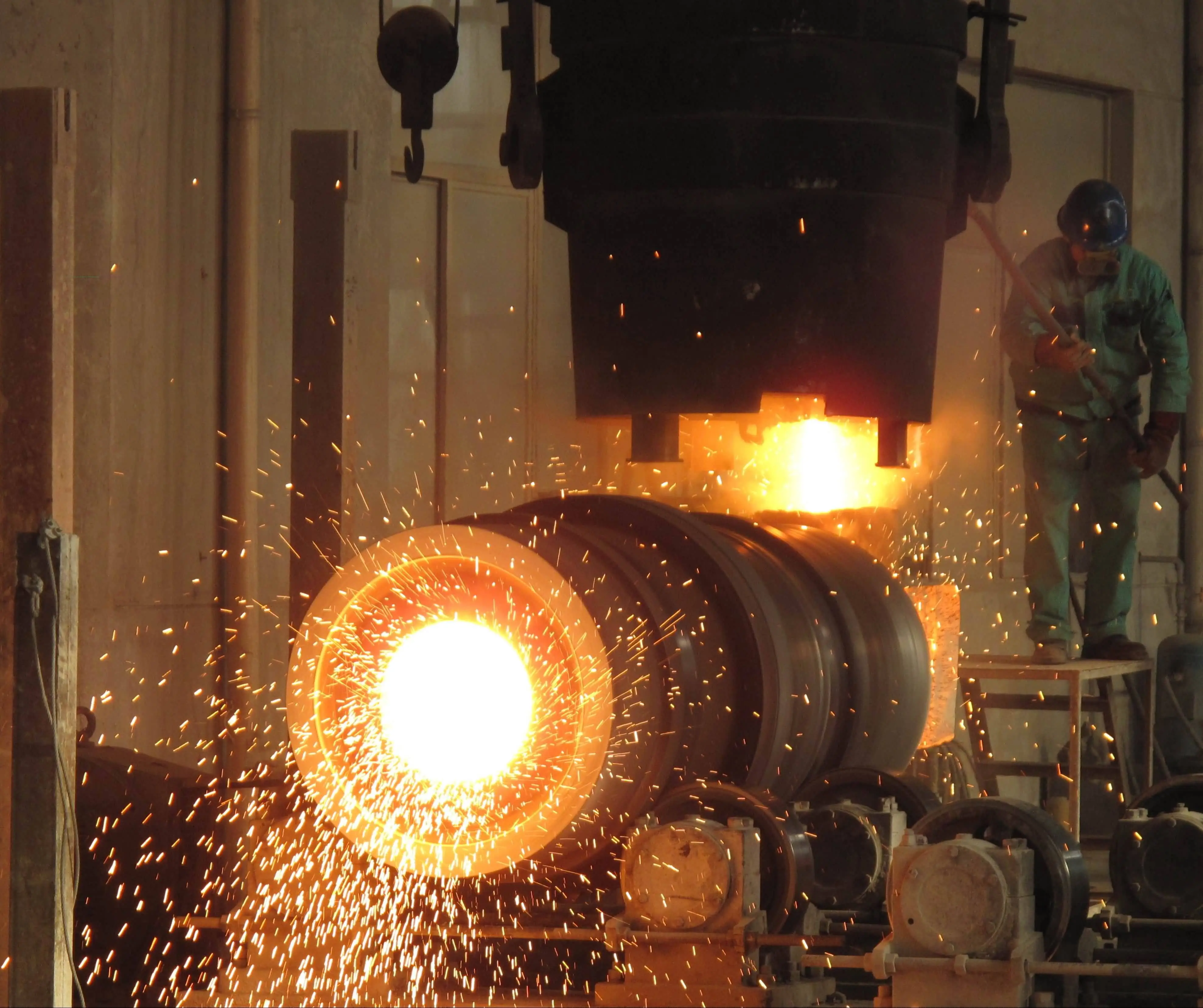
Hydraulic gravity die casting is different because it uses complex control systems to make the metal pouring process run more smoothly. The hydraulic system controls how fast the liquid metal flows into permanent steel molds. This makes a controlled environment that lowers casting flaws and raises the regularity of the parts.
Process Fundamentals and Hydraulic Control Systems
The hydraulic system is the most important part of this advanced casting method. In traditional gravity casting, molten metal moves easily because of gravity. But with hydraulic systems, you can precisely control the speed of the pouring and the distribution of the metal. This managed method reduces turbulence and air entrapment, making parts with better mechanical features and internal structure. These days, hydraulic gravity die casting systems have programmable logic controls that watch the pouring process and make changes to the settings in real time. Temperature sensors keep an eye on the metal's state, and pressure gauges make sure that the hydraulics work at their best during every casting cycle. Because of these improvements in technology, automotive gravity die casting has gone from being a simple way to make things to being a precise way to solve technical problems.
Material Selection for Automotive Applications
The success of hydraulic gravity die casting rests a lot on how well the materials chosen meet the performance needs of cars. The best strength-to-weight ratio and resistance to rust make aluminum alloys the most popular choice for use in cars. Some metals, like A356 and A380, have the best flowability properties that work well with hydraulic pouring systems. Magnesium materials have strong benefits for parts of cars that need to be lightweight. These materials are very good at keeping their shape and reducing vibrations, which are very important for moving parts and building parts. Hydraulic systems allow for a controlled pouring environment that works with the unique temperature properties of magnesium alloys. This keeps the metals from oxidizing and ensures consistent casting quality.
Benefits and Advantages of Hydraulic Gravity Die Casting for Automotive Parts
The car industry has adopted hydraulic gravity die casting because it is so good at making high-quality parts that meet strict performance standards. This technology makes measurable gains in a number of manufacturing measures that have a direct effect on the cost of production and the dependability of parts.
Enhanced Dimensional Accuracy and Surface Quality
Hydraulic control methods get rid of a lot of the factors that used to make casting less accurate. The managed metal flow cuts down on flaws caused by shrinkage and keeps the wall thickness the same, even in complicated shapes. Tolerances for automotive parts made with this method are usually within ±0.1 mm, which greatly reduces the need for cutting and the costs that come with it.
Another important benefit of hydraulic gravity die casting is the high quality of the finish on the outside. The controlled filling environment reduces surface disturbance and oxide formation, which results in parts with better surface integrity. This better surface quality cuts down on the need for extra finishing steps and makes the material more resistant to rust, which is important for car use.
Cost Efficiency and Production Optimization
The practical savings built into hydraulic gravity die casting make manufacturing cost structures much better. The economic value of the process can be seen in the following benefits:
- Lower scrap rates: controlled filling reduces casting flaws so that scrap rates are usually below 3%, compared to 8–12% for traditional gravity casting methods.
- Longer die life: Hydraulic systems protect permanent molds from heat shock and mechanical stress, which increases their useful life by 30 to 40 percent.
- Shorter cycle times: automated hydraulic control makes cycle optimization possible, which boosts output by 15–25%.
- Less energy use: Better thermal control means less energy is needed than with pressure die casting options.
Manufacturers of cars can save real money with these operational changes while still meeting the quality standards needed by current vehicle systems.
Comparing Hydraulic Gravity Die Casting with Other Casting Methods
Knowing the differences between the different casting methods helps people who make car parts make smart decisions. Each method has its own benefits that make it better for different types of production needs and part requirements.
Hydraulic Gravity vs. Pressure Die Casting Analysis
High-pressure injection methods are used in pressure die casting to force molten metal into mold holes. This allows for fast cycle times and very accurate measurements. But the high-pressure environment often causes porosity problems that make the mechanical qualities less reliable in important car applications. Hydraulic gravity die casting gets around these problems by filling the mold with controlled air pressure, which keeps the dimensions accurate and prevents gas from getting trapped. The process makes parts that are better at resisting wear and keeping their shape, which makes it perfect for safety-critical car systems.
Traditional Sand Casting Comparison
Sand casting gives you a lot of design freedom and low tooling costs, but it's hard to meet the standards for consistent dimensions and surface quality that are common in automotive uses. In hydraulic gravity die casting, permanent molds allow for better control of dimensions and can fit complex shapes thanks to advanced mold design methods. Another important difference is the ability to scale up production. Sand casting works well for one-off, low-volume jobs, but hydraulic gravity die casting is better for making a lot of parts at once, which is what automakers need.
Design Tips and Defect Management in Automotive Gravity Die Casting
For hydraulic gravity die casting to work, it's important to pay close attention to design rules that make the metal flow best and reduce the number of possible casting flaws. Engineering teams have to think about a lot of things that affect the quality of parts and how efficiently they are made.
Optimal Design Practices for Metal Flow
For hydraulic gravity die casting to work, the gate system needs to be well designed. The controlled pouring environment lets complex gating techniques direct the flow of metal to reduce turbulent effects and make sure the mold is filled. Wall width regularity is a key part of avoiding problems caused by solidification. When possible, automotive parts should have consistent wall sections, with smooth changes between areas of different thickness. This method stops hot spots that can cause flaws in the shrinking while making sure the whole part is strong enough.
Common Defect Prevention Strategies
In automotive gravity die casting uses, porosity is still the most common problem. The hydraulic control system greatly lowers gas-related pores by controlling filling speeds that keep air from getting trapped. The right form of vents works with hydraulic control to let displaced air escape. When different metal lines don't join properly during mold filling, this is called a cold shut flaw. This problem can be solved by hydraulic devices that keep the metal at the right temperature and flow rate during the whole casting process. Strategic placement of runners ensures that the metal streams meet correctly, and hydraulic time controls stop the solidification process from starting too early.
Procuring Hydraulic Gravity Die Casting Services and Suppliers
To find good suppliers for automotive hydraulic gravity die casting, you need to look at their technical skills, quality systems, and output ability. Because car standards are so complicated, producers need to have a track record of knowing both casting technology and automotive quality standards inside and out.
Essential Supplier Qualification Criteria
For car use, quality certification is the basis for evaluating suppliers. Certification in ISO 9001:2015 shows basic quality management skills, while certifications like IATF 16949 show specialized knowledge in meeting the needs of the car production industry. When figuring out production capacity, you need to look at both what you can do now and how much you could make. Automotive projects often have big changes in the amount of work that needs to be done, so suppliers need to have flexible production methods and enough tools. Hydraulic gravity die casting companies should be able to show that they can work in more than one shift and quickly increase production.
Global Manufacturing Landscape
The Chinese have become the biggest player in making automotive gravity die castings because they have the most advanced technology and the lowest prices. To meet the needs of foreign OEMs, China's top suppliers have put a lot of money into hydraulic casting technology and methods for checking the quality of cars. European suppliers keep their strong positions in the premium car segments by using their advanced technical skills and closeness to major automotive development centers. While building specialized skills in making parts for electric vehicles, North American suppliers focus on serving the domestic car market.
Conclusion
There is no doubt that automotive gravity die casting, especially hydraulic gravity die casting, is an important manufacturing technology for making car parts. It is better at quality control and costs less than standard casting methods. The controlled hydraulic pouring system in automotive gravity die casting solves some of the biggest problems in the car industry by making it easier to get the right size, finish, and number of defects. More and more, modern car users need the accuracy and dependability that automotive gravity die casting provides. This makes it an important technology for making competitive parts. As the car industry moves toward more complex designs and stricter quality standards, automotive gravity die casting, particularly hydraulic gravity die casting, will continue to be an important method for making the high-performance parts that make up modern vehicle systems.
FAQ
Q: What makes hydraulic gravity die casting superior to pressure die casting for automotive applications?
A: Pressure die casting doesn't make as good internal parts as hydraulic gravity die casting does. Controlled air pressure keeps gases from getting trapped, which can happen in high-pressure pumping systems. This makes parts that are more resistant to fatigue and have better structural stability, which is very important for safety uses in cars.
Q: What are typical lead times for custom automotive gravity die casting components?
A: Lead times depend on how complicated the part is and what tools are needed. Simple parts that can be made with current tools usually take two to three weeks to make. On the other hand, it takes eight to twelve weeks from the approval of the design to the delivery of the first article for new car projects that need custom die development.
Q: Can hydraulic gravity die casting handle large, complex automotive components effectively?
A: These days, hydraulic gravity die casting methods are great at making big, complicated car parts like engine blocks and transmission housings. Advanced hydraulic control systems make sure that the metal is spread out evenly across large mold spaces while keeping the shapes accurate, even when they are not straight.
Partner with Welong for Your Automotive Gravity Die Casting Manufacturing Needs
Automotive companies that need reliable hydraulic gravity die casting solutions will find that Welong's wide range of skills exactly matches the needs of current components. Our ISO 9001:2015-certified plant uses cutting-edge hydraulic casting technology and quality systems made for the car industry to make precise parts that meet OEM standards. Welong has worked with automakers in North America and Europe for more than 20 years, so they know how important it is for automotive gravity die casting to perform well. Get in touch with our engineering team at metal@welongpost.com to talk about the parts you need and find out how our skills as an automotive gravity die casting manufacturer can help your supply chain work better.
References
1. Smith, J.A. "Advanced Hydraulic Control Systems in Automotive Die Casting." International Journal of Manufacturing Technology, 2023.
2. Thompson, M.R. "Material Selection Guidelines for Automotive Gravity Die Casting Applications." Automotive Engineering Review, 2024.
3. Chen, L.W. "Defect Prevention Strategies in Hydraulic Gravity Die Casting Processes." Manufacturing Quality Management, 2023.
4. Anderson, P.K. "Comparative Analysis of Casting Methods for Automotive Component Manufacturing." Industrial Manufacturing Quarterly, 2024.
5. Rodriguez, C.M. "Quality Certification Requirements for Automotive Casting Suppliers." Global Automotive Supply Chain Journal, 2023.
6. Wilson, D.E. "Emerging Technologies in Automotive Gravity Die Casting Operations." Modern Manufacturing Technology, 2024.

Share your inquiry, get the quotation accordingly!
China WELONG- Your Reliable Partner in Metal Solutions