Corrosion-Resistant Forged Parts for Marine and Chemical Use
Standard parts can't handle the harsh conditions that come up in sea and chemical settings, where corrosion is a constant problem for businesses. Corrosion-resistant forgings are clearly the best option because they last a very long time and are reliable when other materials fail. Advanced metals and precise forging methods are used to make these specialized, corrosion-resistant forgings that can withstand saltwater, acids, and other harsh chemicals. Corrosion-resistant forgings provide the strength and durability needed for important industrial applications by using carefully chosen materials and proven manufacturing techniques.
Understanding Corrosion-Resistant Forgings
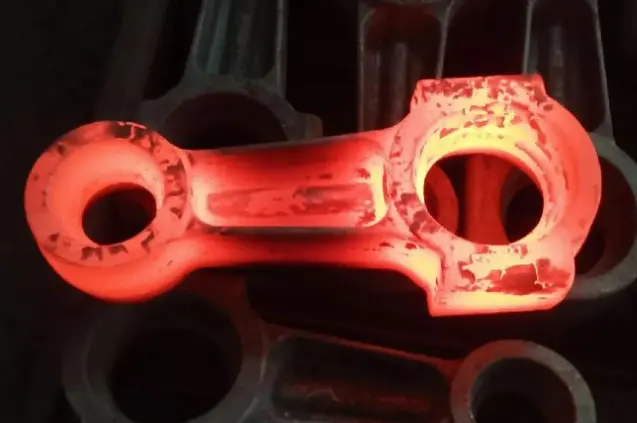
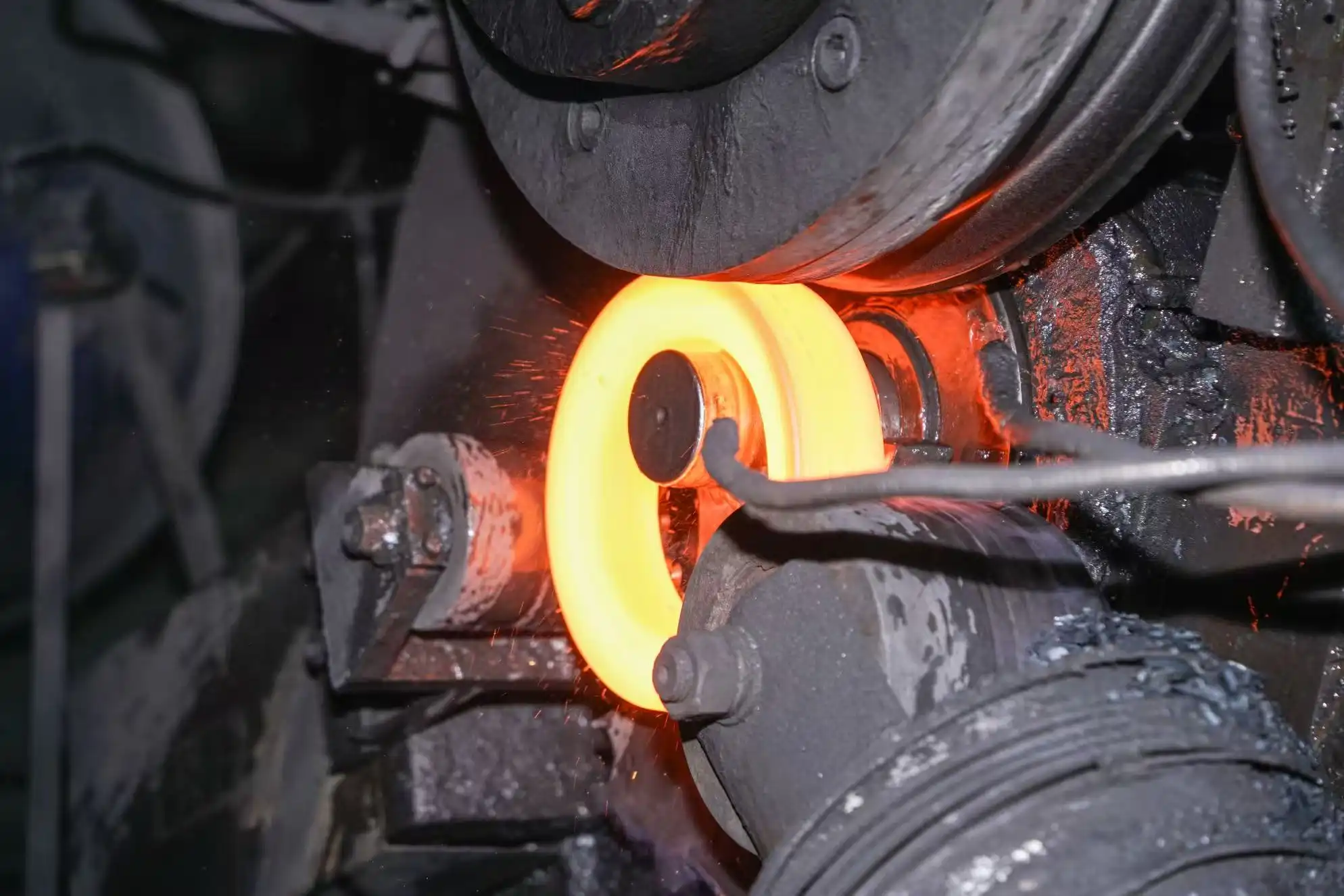
As far as metallurgical engineering goes, corrosion-resistant forging components are the best because they are made to last in the harshest industrial settings. Instead of being cast or machined, these parts go through a controlled deformation process that improves their chemical structure. This gives them better dynamic traits and resistance to rust. Forging gets rid of internal holes and smooths out the grain structure, which makes the material much better at resisting chemical attack and stress-corrosion cracking.
Materials and Alloy Selection
Strategic material choice is the key to making anti-corrosion forged parts that work well. 316L and other types of stainless steel are very good at resisting chloride conditions, which makes them perfect for use in the sea environment. For better strength and better protection from corrosion in both sea and chemical processing settings, duplex stainless steels like 2205 are used. The right amount of chromium, nickel, and molybdenum is carefully balanced in these materials. They make a protective oxide layer that stops further rusting and chemical breakdown. Nickel-based metals, like Inconel and Hastelloy, are the best materials for resisting rust. These superalloys keep their properties even at high temperatures and can withstand harsh acids like sulfuric acid, hydrochloric acid, and many organic substances. Titanium forgings have a very high ratio of strength to weight and are very resistant to rust, especially in saltwater and chlorinated settings.
The Forging Process and Quality Assurance
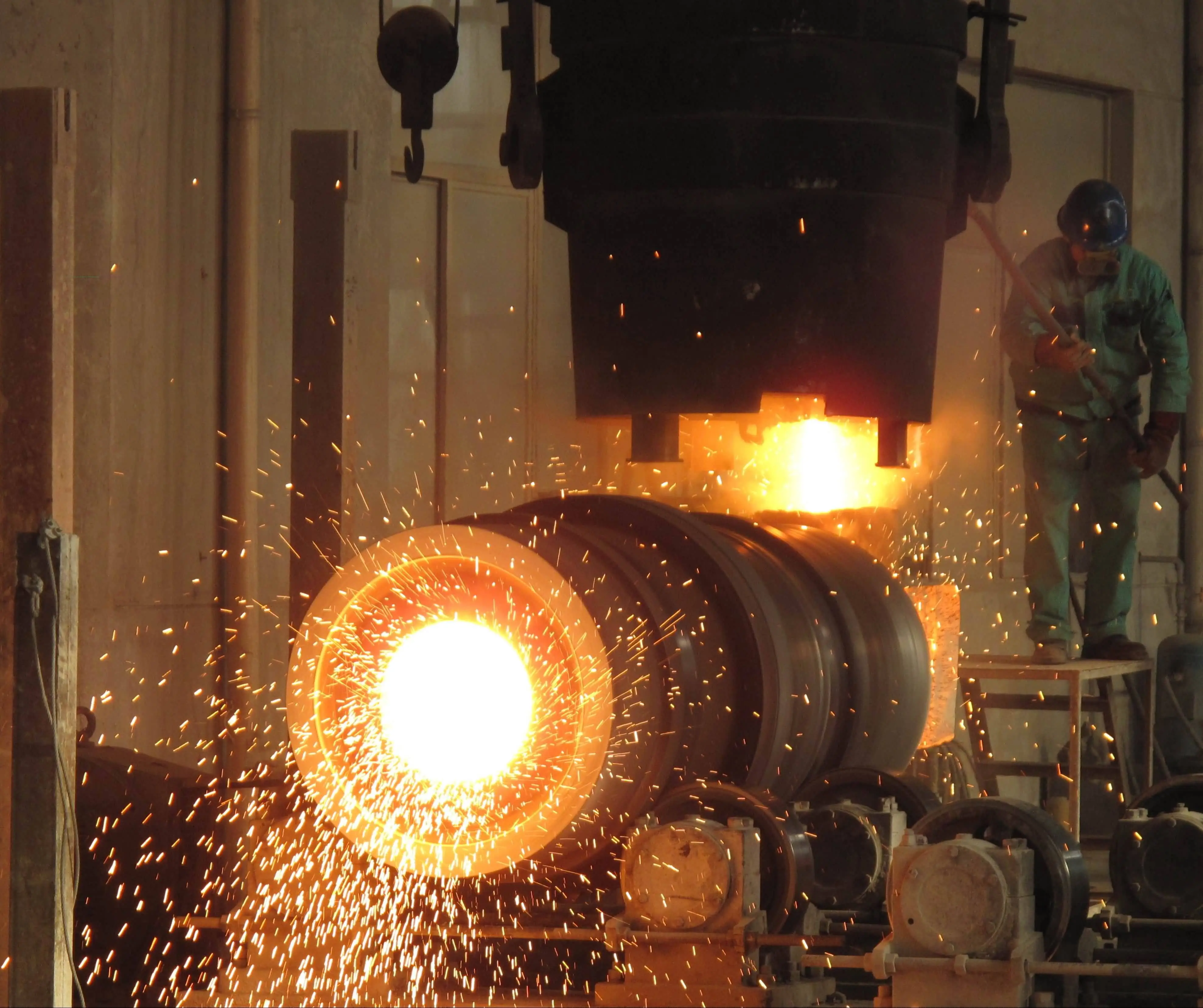
To make corrosion-resistant forged parts, the material must first be carefully prepared and heated to the right forging temperatures. The controlled bending process lines up the metal's grain structure, getting rid of weak spots and making the features of the whole part the same. When compared to cast options, this process makes parts that are stronger and less likely to wear down over time. Throughout the forging process, quality control methods make sure that the material's traits and dimensions stay the same, especially for corrosion-resistant forgings. Ultrasonic screening and magnetic particle testing are two non-destructive testing (NDT) methods that make sure each corrosion-resistant forging is solid. Processes that use heat to change the microstructure make these forgings more resistant to rust while keeping the necessary mechanical qualities. The ISO 9001:2015 certification makes sure that the manufacturing processes for corrosion-resistant forgings meet international quality standards. This gives procurement workers faith in the dependability of the parts they buy.
Selecting the Right Corrosion-Resistant Forged Parts for Marine and Chemical Applications
To choose the right material, you need to know a lot about the environmental problems that each application brings up. Parts in marine settings are exposed to saltwater, changing temperatures, and loading situations that happen over and over again. Parts are put through harsh acids, bases, and organic solvents at high temperatures and pressures in chemical processing plants. During the choosing process, these things must be taken into account along with technical needs and rules for following the law.
Marine Environment Considerations
Materials used in marine settings need to be able to fight stress-corrosion cracking, pitting corrosion, and crevice corrosion. The Pitting Resistance Equivalent Number (PREN) of possible materials is checked as part of the selection process to make sure they will work well in seawater. For long-term dependability, parts like propeller shafts, valve bodies, and pump housings need materials with PREN values higher than 35. Galvanic rust happens when metals that are not the same type touch each other, which is made harder by the changing nature of marine settings. When choosing materials, you need to think about the galvanic series and possible changes to keep connection points from rusting faster. By choosing the right alloy, these risks can be kept to a minimum while still keeping the mechanical qualities needed for tough naval uses.
Chemical Industry Requirements
Chemical production settings have their own problems that need special material answers. Corrosion rate tests and chemical resistance charts must be used to see if forged parts can be used with certain chemicals. Hastelloy C-276 and Inconel 625 are two materials that work really well in reducing environments and oxidizing environments, respectively. Following the rules makes choosing materials for chemistry use even more difficult. Corrosion-resistant forgings must meet ASME, ASTM, and industry-specific standards and keep paperwork that shows how they were made. When choosing corrosion-resistant forgings, the process takes into account the effects of long-term exposure, changes in temperature, and possible chemical interactions that could weaken parts over time.
Procurement Guide for Corrosion-Resistant Forged Parts
It takes a strategic method that combines technical needs, shipping times, and cost concerns in order to successfully purchase high-quality forged components. Because these parts are so complicated, they need to be made by companies that have both technical know-how and a history of success in tough environments. The certifications, quality systems, and ability to provide full professional help throughout the project lifecycle are some of the things that procurement teams must look at when choosing providers.
Supplier Evaluation and Certification
The first step in the review process is to check the quality control systems and supplier certifications. ISO 9001:2015 certification guarantees consistent quality processes, while certifications specific to a business, like API or ASME, show knowledge in important uses. Suppliers should keep full material tracking systems that keep track of parts from the time they buy the raw materials to the time they are delivered. When you do a manufacturing capability review, you look at things like the capacity of the forging tools, the heat treatment facilities, and the testing capabilities. Being able to try things in-house cuts down on wait times and makes sure that quality is maintained throughout production. Suppliers who offer technical help can make design optimization suggestions that raise the performance of parts while lowering their costs.
Pricing Models and Lead Time Factors
Knowing how prices are set helps procurement teams make correct budgets and negotiate good deals. Volume-based pricing usually gives big discounts for bigger orders, while pilot and small-batch pricing takes into account the unique setup needs of custom parts. Long-term deals are good for both parties because material costs change depending on the alloy percentage and the state of the market. Custom-forged, corrosion-resistant forgings usually have lead times between 8 and 16 weeks, but this depends on how complicated they are and how quickly the materials can be sourced. The shaping process for corrosion-resistant forgings needs to be carefully planned around rounds of heat treatment and quality checks. Suppliers who plan their ability well can offer more reliable arrival times for corrosion-resistant forgings and handle rush orders when they're needed.
Case Studies and Industry Applications
Applications in the real world show that corrosion-resistant forged parts are very useful in many different types of industries. These examples show how choosing the right materials and making sure the product is well-made can have a direct effect on how reliable it is and how much it costs to own. The performance data from these uses helps with future purchases and proves that the money spent on high-quality forged parts was well spent.
Marine Industry Success Stories
In their ballast water treatment systems, a big shipping company switched from cast stainless steel valve bodies to forged Duplex 2205 parts. The original cast parts often broke down due to pitting rust and had to be replaced every 18 months. After three years of use, the forged versions showed no signs of rust. This cut down on repair costs by 65% and made the system more reliable. Forged Inconel 625 parts have been successfully used in vital seawater handling systems on offshore drilling platforms. These parts work in high-pressure, high-temperature environments while keeping their structure strong against rust and dynamic stress. The better wear resistance of forged parts has gotten rid of the problems with cyclic loading that used to happen with cast options.
Chemical Processing Applications
Forged Hastelloy C-276 pump parts were used to improve a petrochemical plant's system for handling sulfuric acid. The old stainless steel parts had to be replaced every six months because chemicals attacked them so quickly. The forged Hastelloy parts have been used for more than four years without being replaced. This has cut down on downtime by 80% and made the process more reliable overall. A study of the differences in performance between forged and cast chemical service parts shows big differences. Forged parts regularly show better resistance to stress-corrosion cracking and keep their mechanical features longer when exposed to harsh chemicals. Better dependability means lower upkeep costs, fewer unplanned shutdowns, and better safety performance.
Conclusion
For naval and chemical uses, corrosion-resistant forgings are an important investment in making sure operations work reliably. Controlled forging methods give corrosion-resistant forgings better properties that make them work better, which justifies the higher cost at first. When purchasing managers know about the technical benefits and selection factors of corrosion-resistant forgings, they can make smart choices that improve both performance and total cost of ownership. When experienced sellers work with knowledgeable buying teams, it's easy to get corrosion-resistant forgings that meet the strictest industry standards and keep operations running smoothly for a long time.
FAQ
Q: What makes corrosion-resistant forgings different from cast alternatives?
A: Forged parts are deformed in a controlled way that smooths out the grain structure and gets rid of the hollow spaces that are common in casts. This process makes materials with better mechanical qualities, better resistance to wear, and better resistance to corrosion. Forgings don't have crack-starting spots because their structure is dense and regular. This keeps corrosion from speeding up in harsh settings.
Q: How long does it usually take to get specially made parts?
A: Custom forged parts that are resistant to rust usually take 8 to 16 weeks to make, based on how complicated they are and what materials are needed. The schedule includes getting the materials, forging, heat treating, cutting, and testing the quality. Standard metals often have faster lead times when the supplier has a steady supply of materials and enough production capacity.
Q: Can forged parts stand up to very acidic chemical conditions?
A: Hastelloy C-276 and Inconel 686 are two high-performance metals that work really well in very acidic settings, like those with concentrated sulfuric acid, hydrochloric acid, and a mix of the two. The important thing is to choose the right material for the job based on the temperature, content, and conditions of chemical contact. Testing for corrosion rate shows that it is suitable for certain uses.
Partner with Welong for Premium Corrosion-Resistant Forging Solutions
Welong has more than 20 years of experience supplying marine and chemical businesses around the world with high-quality corrosion-resistant forgings. Our ISO 9001:2015-certified manufacturing methods guarantee uniform quality, and our engineering team uses AutoCAD, Pro-Engineering, and SolidWorks to help with design optimization. With over 100 customers in the automobile, aircraft, and industrial manufacturing sectors, we are a reliable provider of corrosion-resistant forgings and specialize in custom solutions based on your drawings and samples. Get in touch with us at metal@welongpost.com to talk about your unique needs and find out how our proven supply chain management can help you get the best deals.
References
1. Davis, J.R. "Corrosion of Weldments in Marine and Chemical Processing Environments." ASM International Handbook of Corrosion Engineering, 2018.
2. Fontana, M.G. "Corrosion Engineering: Principles and Solved Problems for Marine Applications." McGraw-Hill Professional Engineering Series, 2019.
3. Rebak, R.B. "Advances in Corrosion-Resistant Alloys for Chemical Processing Industries." NACE International Corrosion Conference Proceedings, 2020.
4. Smith, L.M. "Forging Technology and Materials Science in Corrosive Environments." Journal of Materials Engineering and Performance, Vol. 29, 2021.
5. Thompson, K.A. "Quality Assurance in Specialty Alloy Forging for Critical Applications." American Society for Testing and Materials Standards Manual, 2020.
6. Wilson, P.R. "Economic Analysis of Corrosion-Resistant Materials in Industrial Applications." Corrosion Science and Engineering Quarterly, Vol. 45, 2021.

Share your inquiry, get the quotation accordingly!
China WELONG- Your Reliable Partner in Metal Solutions