Cast Iron vs Forged Steel: Which is Best for Heavy Duty Parts?
When selecting materials for heavy-duty industrial applications, the choice between cast iron and forged steel parts significantly impacts performance, durability, and cost-effectiveness. While both materials serve critical roles in manufacturing, forged steel components generally offer superior strength, fatigue resistance, and reliability for demanding applications in aerospace, automotive, oil & gas drilling, and high-end medical devices. The steel forging process creates a refined grain structure that delivers exceptional mechanical properties, making forged steel manufacturing the preferred choice for mission-critical components where failure isn't an option.

Understanding the Manufacturing Processes
Cast Iron Production Methods
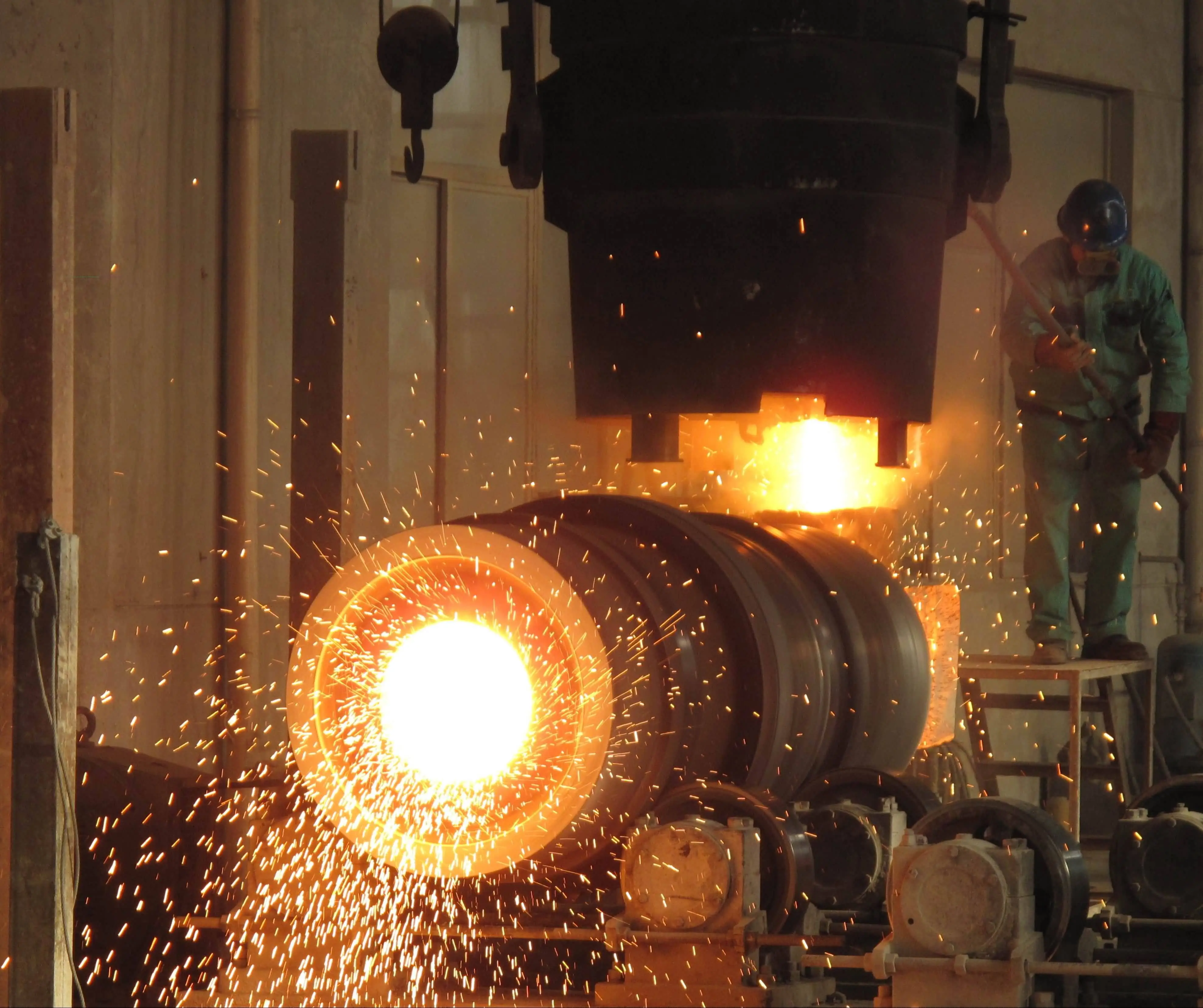
Cast iron manufacturing involves melting iron with high carbon content (2-4%) and pouring it into molds. The casting process creates parts with complex geometries efficiently. However, the cooling process results in a coarse-grained structure with graphite formations that can act as stress concentrators. The casting technique allows manufacturers to produce intricate shapes without extensive machining. This advantage makes cast iron suitable for engine blocks, pump housings, and structural components where complex internal passages are required.
Steel Forging Process Excellence
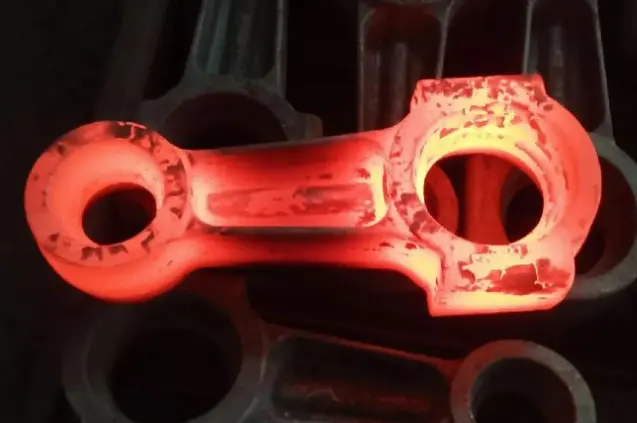
Forged steel manufacturing transforms heated steel billets through controlled deformation using hammers, presses, or specialized forging equipment. This process refines the grain structure, eliminates internal voids, and creates directional strength properties.
The steel forging process offers three main techniques:
- Open die forging - Suitable for large, custom components
- Closed die forging - Ideal for high-volume precision parts
- Ring rolling - Perfect for seamless circular components
Heat-treated forged steel undergoes additional thermal processing to optimize hardness, toughness, and stress relief. This combination produces high-strength forged steel components with predictable performance characteristics.
Mechanical Property Analysis
Strength and Durability Comparison
Custom forged steel parts demonstrate superior tensile strength compared to cast iron alternatives. Test data from industrial applications shows:
- Forged steel tensile strength: 80,000-200,000 PSI
- Cast iron tensile strength: 20,000-60,000 PSI
- Forged steel impact resistance: 15-50 ft-lbs (Charpy V-notch)
- Cast iron impact resistance: 2-5 ft-lbs (Charpy V-notch)
The refined grain structure in precision forged steel eliminates the porosity and inclusions common in castings. This metallurgical advantage translates to consistent mechanical properties throughout the component.
Fatigue Performance Under Stress
Cyclic loading reveals dramatic differences between these materials. Industrial forged steel components withstand millions of stress cycles, while cast iron typically fails after thousands of cycles under similar conditions. Laboratory testing demonstrates that forged steel components maintain 70-80% of their ultimate strength at the fatigue limit. Cast iron components typically exhibit fatigue limits around 40-50% of ultimate strength. If you need components subjected to repetitive loading cycles, forged steel parts provide significantly longer service life and reduced maintenance costs.
Application-Specific Performance
Automotive Industry Applications
Automotive forged steel parts dominate critical drivetrain components, including crankshafts, connecting rods, and transmission gears. The automotive sector demands components that withstand extreme temperatures, vibration, and stress variations. Forged steel gears offer superior wear resistance compared to cast iron alternatives. Surface hardness testing shows forged steel maintains 58-62 HRC after proper heat treatment, while cast iron typically achieves 45-50 HRC maximum hardness. Modern vehicles require lightweight yet strong components. Carbon steel forgings provide excellent strength-to-weight ratios essential for fuel efficiency and performance optimization.
Oil & Gas Drilling Equipment
Drilling operations subject equipment to extreme pressures, corrosive environments, and temperature fluctuations. Forged steel valves and forged steel flanges provide reliable sealing and pressure containment under these harsh conditions. Alloy steel forged parts incorporate chromium, molybdenum, and nickel additions for enhanced corrosion resistance. These specialized forgings outperform cast iron in sour gas environments and high-pressure applications. If you need equipment for offshore or deep-well drilling operations, forged steel components offer superior reliability and extended service intervals.
Aerospace Component Requirements
Aerospace applications demand the highest material standards and traceability. Precision forged steel components undergo rigorous testing, including ultrasonic inspection, magnetic particle testing, and chemical analysis verification. Forged steel shafts in aircraft engines must maintain dimensional stability across temperature ranges from -65°F to 1,200°F. The homogeneous grain structure achieved through forging ensures predictable thermal expansion properties.
Medical Device Manufacturing
High-end medical devices require biocompatible materials with exceptional surface finish capabilities. Forged steel tools used in surgical applications demand precise dimensions and corrosion resistance. The steel forging process eliminates surface defects that could harbor bacteria or cause tissue damage. Custom forged steel parts for medical implants undergo specialized heat treatment cycles to optimize biocompatibility.
Cost Analysis and Economic Considerations
Initial Investment Comparison
Cast iron components typically require lower initial tooling costs due to simpler mold fabrication. However, forged steel manufacturing offers long-term economic advantages through extended component life and reduced replacement frequency.
Production volume significantly impacts cost structures:
- Low volume (1-100 pieces) - Forged steel competitive through reduced machining
- Medium volume (100-1,000 pieces) - Both processes are viable depending on complexity
- High volume (1,000+ pieces) - Forged steel components are often more economical
Lifecycle Cost Benefits
Heat-treated forged steel components demonstrate 3-5 times longer service life in demanding applications. This extended durability reduces:
- Maintenance downtime costs
- Inventory carrying costs
- Emergency replacement expenses
- Production scheduling disruptions
If you need to minimize the total cost of ownership, forged steel parts typically provide superior value despite higher initial costs.
Quality Control and Manufacturing Standards
ISO 9001:2015 Compliance Requirements
Modern manufacturing demands rigorous quality systems throughout the supply chain. Forged steel forgings production requires comprehensive process control, including:
- Raw material certification and traceability
- Process parameter monitoring and documentation
- Dimensional inspection and testing protocols
- Statistical process control implementation
Leading manufacturers maintain ISO 9001:2015 certification to ensure consistent quality delivery. This standard provides confidence for procurement managers sourcing critical components globally.
Inspection and Testing Protocols
Industrial forged steel components undergo multiple inspection stages:
- Incoming material verification - Chemical composition and mechanical properties
- In-process monitoring - Temperature control and deformation parameters
- Final inspection - Dimensional accuracy and surface quality verification
- Performance testing - Mechanical properties and specialized testing as required
Forged steel machinery parts for critical applications may require additional non-destructive testing, including radiographic inspection, dye penetrant testing, or ultrasonic examination.
Material Selection Guidelines
Engineering Design Considerations
Component design influences material selection decisions. Forged steel blanks offer flexibility for machined features while maintaining superior mechanical properties in load-bearing areas.
Design optimization opportunities include:
- Grain flow orientation for maximum strength
- Heat treatment zones for localized properties
- Surface treatments for wear resistance
- Weight reduction through strategic material placement
Application-Specific Recommendations
Forged steel fittings excel in high-pressure fluid systems where leak prevention is critical. The wrought structure provides superior pressure containment compared to cast alternatives.
If you need components for safety-critical applications, forged steel parts offer enhanced reliability through consistent material properties and reduced failure probability.
For applications requiring complex internal geometries with moderate stress levels, cast iron may provide acceptable performance at reduced cost.
Welong's Forged Steel Parts Advantages
Welong has delivered exceptional forged steel manufacturing solutions since 2001, serving over 100 customers across automotive, aerospace, oil & gas, and medical device industries. Our comprehensive capabilities include:
- ISO 9001:2015 certified quality management ensuring consistent production standards and traceability throughout the manufacturing process
- Advanced engineering support utilizing AutoCAD, Pro-Engineering, and SolidWorks for design optimization and manufacturing feasibility analysis
- Comprehensive material expertise covering carbon steel forgings, alloy steel forged parts, and specialized heat treatment processes for demanding applications
- Global supply chain management with proven delivery performance to the UK, Germany, France, Italy, Poland, the USA, Canada, and the Asia-Pacific markets
- Custom forged steel parts production from incoming drawings and samples, with complete dimensional and material property verification
Our experienced engineering team works closely with procurement managers and supply chain directors to develop optimized forged steel components that meet exact specifications while reducing the total cost of ownership.
Performance Data Summary
| Property | Forged Steel | Cast Iron |
|---|---|---|
| Tensile Strength | 80,000-200,000 PSI | 20,000-60,000 PSI |
| Impact Resistance | 15-50 ft-lbs | 2-5 ft-lbs |
| Fatigue Limit | 70-80% of the ultimate | 40-50% of the ultimate |
| Surface Hardness | 58-62 HRC | 45-50 HRC |
| Service Life Factor | 3-5x longer | Baseline |
Partner With a Leading Forged Steel Parts Manufacturer
Welong combines two decades of forged steel manufacturing expertise with ISO 9001:2015 quality standards to deliver reliable solutions for your most demanding applications. Our engineering team collaborates with your design requirements to optimize custom forged steel parts for performance and manufacturability. Contact our technical specialists at metal@welongpost.com to discuss your specific component requirements and experience the advantages of working with a trusted forged steel parts supplier committed to excellence in quality, delivery, and technical support.
References
1. Davis, J.R. (2005). ASM Specialty Handbook: Cast Irons. ASM International Materials Park.
2. Altan, T., Ngaile, G., & Shen, G. (2004). Cold and Hot Forging: Fundamentals and Applications. ASM International Materials Park.
3. Campbell, J. (2003). Castings: The New Metallurgy of Cast Metals. Butterworth-Heinemann Publishing.
4. Beddoes, J., & Bibby, M.J. (1999). Principles of Metal Manufacturing Processes. Arnold Publishers, London.
5. Roberts, G., Krauss, G., & Kennedy, R. (1998). Tool Steels: Properties and Performance. ASM International Materials Park.
6. Bramfitt, B.L., & Benscoter, A.O. (2002). Metallographer's Guide: Practices and Procedures for Irons and Steels. ASM International Materials Park.

Share your inquiry, get the quotation accordingly!
China WELONG- Your Reliable Partner in Metal Solutions