Forged Steel Materials: Selecting the Right Grade for Your Job
To choose the correct type of forged steel for your industrial project, you need to carefully think about its mechanical features, the needs of the application, and the performance standards. Forging changes raw steel by carefully stretching it, making better grain structures that make it stronger, last longer, and be more reliable than other ways of making things. This detailed guide helps purchasing managers, engineers, and supply chain directors choose the best steel grades for mission-critical applications in the aerospace, automotive, oil and gas, and medical device industries. It does this by balancing performance, cost-effectiveness, and project specifications.
Understanding Forged Steel: Properties and Manufacturing Process
Forged steel is the highest level of industrial engineering. It is made by changing raw steel through controlled deformation processes that change its internal structure in a basic way. Instead of casting or milling, forging presses and forms hot steel under a lot of pressure, which smooths out the grain structure, gets rid of holes, and improves the metal's mechanical properties.
The Forging Process Advantage
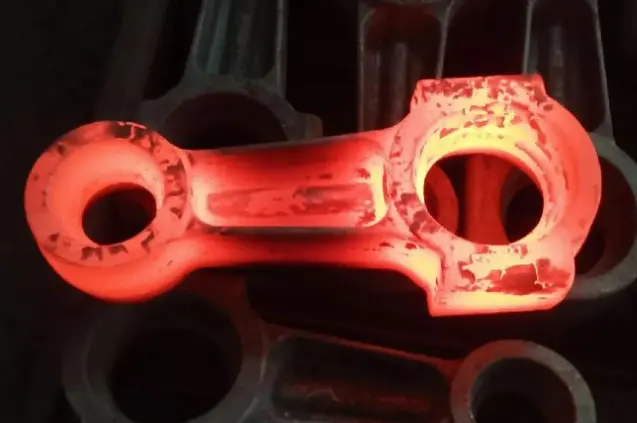
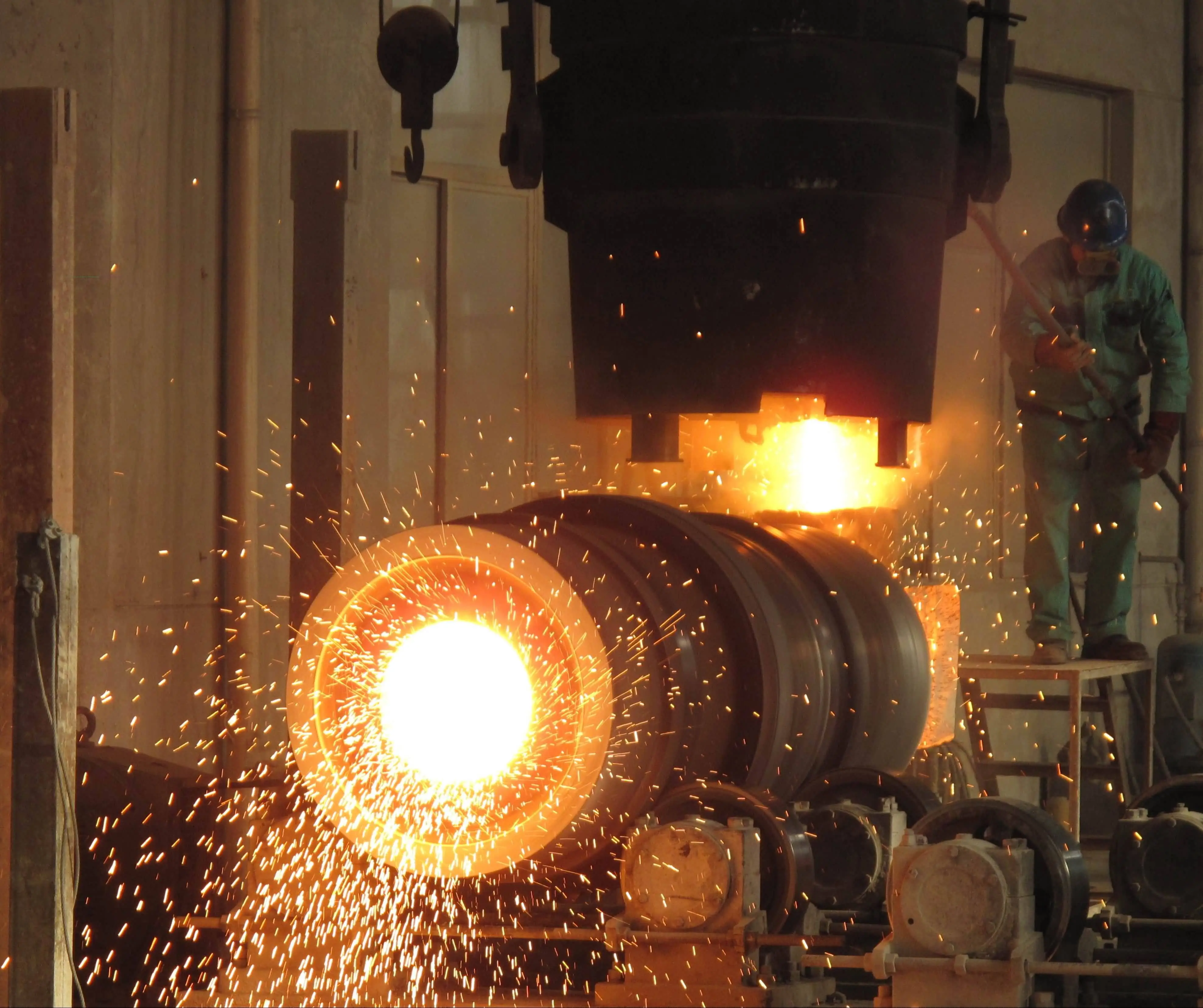
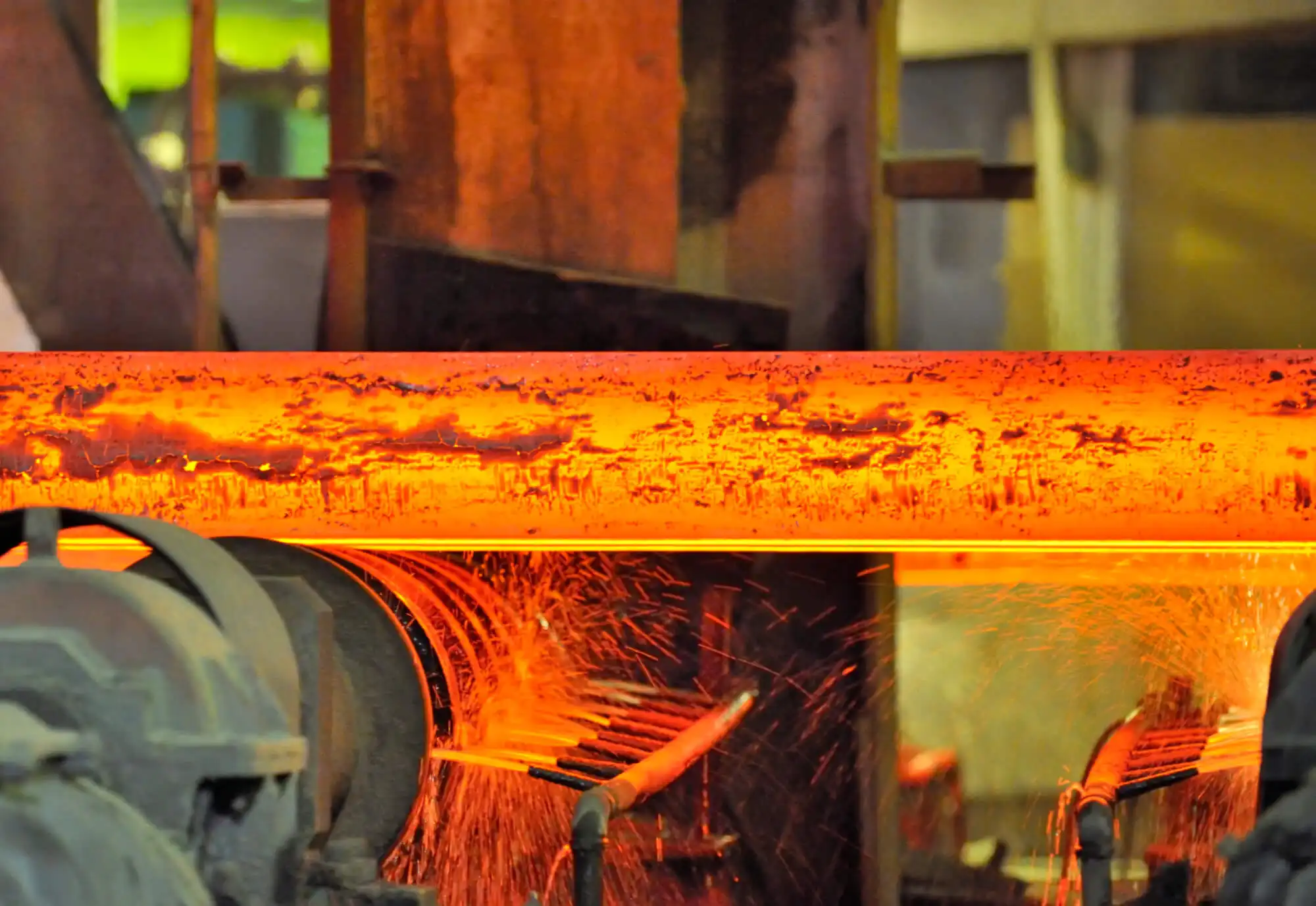
To start the forging process, steel billets are heated to temperatures between 1800°F and 2300°F, based on the type of metal. During this melting step, the steel keeps its crystalline structure but can be shaped. Then, skilled workers use hammering, pressing, or rolling to apply compressive forces. This breaks up the original grain borders and makes the structure more regular and thick. This managed deformation process has a number of important benefits over other ways of making things. Compression gets rid of the holes and other things that usually show up inside cast materials, and directed grain flow follows the shape of the finished part. Because of these traits, the material has higher tensile strength, better resistance to wear, and higher impact hardness.
Heat Treatment and Grade Variations
Heat treatment is a key part of making the qualities of forged steel fit the needs of a specific purpose. Metallurgists can precisely control the hardness, ductility, and rust resistance of metals by carefully controlling the rates at which they cool, the temperatures at which they temper, and the ways they use to quench them. Most types of carbon steel have between 0.05% and 1.5% carbon content, which makes them great for structural uses because they are strong for the price. Alloy steel has extra elements like chromium, molybdenum, and nickel added to it to make certain qualities better, like its ability to fight heat or corrosion. Different types of tool steel have different amounts of carbon and alloying elements that make them better for cutting and resisting wear. Stainless steels have chromium contents that are higher than 10.5% and other alloying elements that make them very resistant to corrosion in tough settings.
Comparison of Forged Steel with Other Materials: Making the Right Choice
When you know how forged steel performs differently from other materials, you can make smart decisions that balance technical needs with price limitations. Each type of material has its own pros and cons that must be taken into account when the application calls for them.
Forged Steel versus Cast Steel
Pouring liquid metal into molds is how cast steel is made. This lets complex shapes be made with relatively low making costs. However, the casting method naturally makes materials with lower mechanical qualities because the grains are not all arranged in the same way. Forged steel always has 20–30% higher tensile strength and a lot better protection against pressure than cast steel of the same grade. The grain flow properties of forged steel follow the stress patterns in the part, making sure that the part's power is spread out evenly. Random grain orientation in cast steel makes it possible for weak spots and load peaks to form. Casting lets you make complicated internal passages and complicated forms, but forged steel is better for jobs that need the most strength, dependability, and resistance to wear.
Strength and Reliability Comparisons
When you compare forged steel to other materials, it clearly performs better in difficult situations based on several key performance measures. Forged carbon steel usually has tensile strengths between 60,000 and 200,000 PSI, though this can change based on the grade and how it was heated. In the same conditions, the same cast materials can only reach 50,000 to 150,000 PSI. Fatigue resistance is another important benefit. Forged parts usually last 3–5 times longer than cast ones when loaded and unloaded many times. This longer service life directly leads to lower maintenance costs, higher safety margins in important uses, and more reliable systems. When you test the impact toughness of forged and cast materials, especially at low temperatures, you can see big differences. Forged steel stays flexible and able to absorb energy over a bigger range of temperatures. This makes it perfect for use in the energy, aircraft, and automobile industries, where extreme temperatures are common.
How to Select the Right Forged Steel Grade for Your Job
To choose the right grade, you need to carefully look at the application factors, the surroundings, and the performance needs. This way of analyzing makes sure that the material has the best qualities while avoiding over-specification, which raises costs for no reason.
Load Conditions and Mechanical Requirements
The first step in choosing a grade is to do a full study of the mechanical loads that the part will be subjected to while it is in service. When a material is under static load, it needs different qualities than when it is under dynamic or cyclic loading conditions. For high-stress situations, alloy steel grades with better yield strength and wear protection are best. For moderate-stress situations, carbon steel grades that are cheaper may work. The grade you choose is directly based on your tensile strength needs. Carbon steels can handle 60,000 to 100,000 PSI, while alloy steels can handle 150,000 to 300,000 PSI, depending on their makeup and heat treatment. It's important to think about yield strength when maximum design loads are present and lasting distortion is not allowed.
Environmental and Industry-Specific Considerations
Conditions of environmental contact have a big effect on choices about what materials to use. In corrosive environments, stainless steel types need to have the right amount of chromium and nickel to protect against rust and chemical attack. For uses at high temperatures, special steels with better resistance to creep and thermal stability are needed. Different businesses have their own problems that affect the best grade to use. In automotive uses, reducing weight and making the material easy to work with are often top priorities. Grades of carbon steel that are good at forming are often preferred. For aerospace parts that need to be strong for their weight and not wear down easily, special alloy steels with precise makeup control are usually used. For oil and gas drilling, the materials need to be able to handle high temperatures, high pressures, and corrosive conditions. They often ask for special metal types with better toughness qualities.
Medical devices have strict biocompatibility requirements as well as strict mechanical property requirements. 316L and other types of stainless steel are very good at resisting corrosion and being compatible with living things. They are also strong enough to be used for medical tools and implantable devices.
Procuring Forged Steel: Best Practices for B2B Clients
Procurement strategies that work well combine quality, cost, service, and risk management while making sure that they follow industry standards and guidelines. When you evaluate and handle your relationships with suppliers well, you can gain a competitive edge by getting reliable materials and technical help.
Supplier Evaluation and Certification Requirements
Quality-focused buying starts with a full review of the supplier's technical knowledge, manufacturing skills, and quality processes. For example, ISO 9001:2015 certification confirms the basic quality management system, while AS9100 certification for aircraft or ISO/TS 16949 certification for cars show more specific skills. Material certificates and tracking paperwork make sure that specifications are followed and that materials can be identified correctly throughout the supply chain. The chemical makeup, mechanical properties, and heat treatment of mill test certificates are all confirmed. Third-party inspection services provide an extra quality guarantee for important tasks that need more supervision.
Global Sourcing Strategies and Risk Management
International buying gives you more sourcing choices, but it also makes transportation, communication, and quality control more difficult. To do global sourcing right, you need to carefully look at the skills of suppliers, cultural issues, and risk factors in the supply chain. When it comes to cost, technology, and capacity, leading suppliers in key production areas have clear benefits. Established providers show steady quality performance through track records that are written down and customer references. In addition to providing basic materials, technical support services like engineering help and design improvement add a lot of value.
Some ways to lower the risk in the supply chain are to use a variety of suppliers, keep track of goods, and plan for what could go wrong. Long-term relationships with qualified providers are good for both parties because they improve communication, lower transaction costs, and allow both parties to work together to solve problems.
Building Trust: Why Choose Welong for Forged Steel Procurement
Welong has been managing foreign supply chains for 20 years, which makes us a reliable partner for tough manufacturing tasks. We have been making custom metal goods since 2001 and have worked with big companies in the automotive, aerospace, oil drilling, and medical device industries. We are dedicated to quality and dependability at all times.
Comprehensive Manufacturing Capabilities and Quality Assurance
Our processes are ISO 9001:2015 certified, which means they always meet or beat international quality standards. We make precision-made parts from sketches and samples that you send us, and our engineering department uses AutoCAD, Pro-Engineering, and SolidWorks to help you improve your designs. Quality control methods cover every step of the manufacturing process, from checking the raw materials to testing and inspecting the finished product. Advanced metallurgical testing includes chemical analysis, validating mechanical properties, and non-destructive testing (NDT) methods that make sure the product meets all the requirements of the standard.
The following capabilities distinguish our forged steel manufacturing services:
- Advanced Forging Technologies: Cutting-edge tools make it possible to work with complicated shapes and close specs, all while keeping the right grain flow patterns that make parts stronger and last longer.
- Comprehensive Heat Treatment: Accurate temperature control and atmosphere management make sure that the mechanical properties stay the same across large production runs, providing stable performance in tough situations.
- Rigorous Quality Control: Multiple inspection steps make sure that the dimensions are correct, the surface meets the standards for a smooth finish, and the mechanical properties are met. These tests are recorded and can be fully tracked back to their source.
- Engineering Support: Technical knowledge in choosing the right materials, making designs work better, and creating new ways to make things helps customers get the best performance at the lowest cost and with the shortest wait times.
These wide-ranging skills allow projects to be completed successfully in many different industries, from making a lot of parts for cars to working on complex aircraft projects that need a lot of accuracy and dependability.
Proven Track Record and Global Reach
In the last twenty years, our goods have been bought by people in the USA, Canada, the UK, Germany, France, Italy, Poland, New Zealand, Singapore, and India. We have served more than 100 car clients alone. This experience working in different countries has helped us fully grasp the needs of different markets, quality standards, and legal requirements. Our approach to open communication and fluid order management lets us work on projects of all sizes, from making prototypes to mass production runs. Dedicated project management makes sure that deliveries happen on time and that customers are kept up to date on the manufacturing process through open lines of contact.
Conclusion
To choose the right forged steel types, you have to carefully weigh the mechanical features, environmental standards, and cost factors. When compared to other ways of making things, the forging process is stronger, more reliable, and better at what it does. This makes it necessary for tough industry uses. For procurement to go well, suppliers must be carefully evaluated, specifications must be made clear, and quality control methods must be in place. The project will be successful, and risks will be kept to a minimum if you work with experienced providers who understand both technical needs and the complexity of the global supply chain. Welong's track record, wide range of industrial skills, and dedication to quality standards make it possible for long-term partnerships to work well when buying forged steel.
FAQ
Q: What makes forged steel stronger than cast alternatives?
A: Controlled compression during the forging process produces fine-grain structures by getting rid of porosity and directing grain flow that follows the stress patterns of the component. This makes the tensile strength 20–30% higher and the fatigue resistance much better than in cast materials, where the grains are randomly arranged and there may be empty spaces inside.
Q: How do I select steel grades for high-temperature applications?
A: For uses at high temperatures, special steels with better resistance to creep and thermal stability are needed. For temperatures up to 1000°F, chromium-molybdenum alloys are a good choice. For temperatures above 1500°F, special heat-resistant alloys are better. Check the strength and expansion qualities of the material over a short period of time at the working temperature.
Q: What certification requirements should I expect from suppliers?
A: As a minimum, good sources keep ISO 9001:2015 certification. For example, AS9100 certification is for aerospace applications, and ISO/TS 16949 certification is for car applications. Certifications for materials should include mill test reports that confirm the chemical makeup, mechanical properties, and heat treatment parameters, along with full documents of how the materials were made.
Q: How can I minimize procurement risks when sourcing internationally?
A: Set up thorough evaluation methods for suppliers that check their professional know-how, ability to make things, and quality control systems. Set clear requirements, keep lines of communication open, and for important projects, think about using third-party inspection services. Build ties with several skilled suppliers to keep the supply chain running smoothly.
Partner with Welong for Superior Forged Steel Solutions
Are you ready to improve the way you buy forged steel? Welong uses ISO 9001:2015 quality standards and 20 years of experience making things in other countries to make precision-forged parts that work better than expected. Our full engineering help, from the first concept to the final delivery, makes sure that you get the best materials and most cost-effective solutions for your purpose.
To talk about your needs for making forged steel, please email our expert team at metal@welongpost.com. As a reliable source of forged steel with experience in the aerospace, automotive, and industrial sectors, we offer unique solutions that lower sourcing risks while keeping the highest quality standards. Let us show you how our technical know-how and ability to handle the global supply chain can help your next project succeed.
References
1. American Society for Testing and Materials. "Standard Specification for Carbon and Alloy Steel Forgings for General Industrial Use." ASTM A788/A788M-19.
2. Davis, Joseph R. "ASM Specialty Handbook: Carbon and Alloy Steels." ASM International Materials Engineering, 2018.
3. International Organization for Standardization. "Quality Management Systems - Requirements for Aviation, Space and Defense Organizations." ISO 9100:2016 Standards.
4. Metals Handbook Committee. "Forging and Heat Treatment Processes for High-Performance Steel Components." ASM Metals Handbook Volume 4, 2019.
5. Roberts, Gary A. "Tool Steels: Properties and Selection Guidelines for Modern Manufacturing." Industrial Press Technical Publications, 2017.
6. Society of Automotive Engineers. "Steel Products Manual: Alloy Steels for Automotive Applications." SAE International Standards Manual J404, 2020.

Share your inquiry, get the quotation accordingly!
China WELONG- Your Reliable Partner in Metal Solutions