The Complete Guide To Machined Components
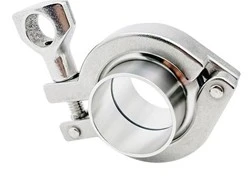
Machined parts are precisely engineered parts made through subtractive production, in which specialized cutting tools remove extra material from solid workpieces to meet precise specs. These parts are better at maintaining their shape and surface finish than cast or molded options. This makes them essential in the aircraft, automotive, oil and gas, and medical device industries. Modern industrial uses require parts that meet the highest standards of performance and tolerances. Manufacturers make these parts using both advanced CNC machining and traditional cutting methods.
Understanding Machined Components: Definition, Types, and Manufacturing Processes
What Defines a Precision-Machined Component
A machined part is the result of subtractive production, in which certain shapes, sizes, and surface properties are made by taking away material. Tight tolerances (often as low as ±0.005 mm), complex mathematical features, and the ability to be made the same way over and over again make these parts stand out. The process starts with raw materials, such as metal blanks, bar stock, or forged preforms. Material is slowly taken away until the end standard is met. Modern CNC machining has changed this field by automating output while keeping the level of accuracy that was possible with hand milling decades ago.
Common Component Types Across Industries
Parts for engine housings, structural fittings, and landing gear that need to be strong while also being light are needed for aerospace uses. Engine blocks, gearbox parts, and precise brackets that can handle harsh working conditions are used in the automotive industry. Corrosion-resistant alloys are used to make valve bodies, connector kits, and downhole tool parts for oil and gas drills.
Key Machining Techniques Explained
During turning operations, the workpiece is rotated around a cutting tool that stays in place. This makes circular parts like shafts, bushings, and threaded connections. Lathes can work with both outside and inside sizes, making parts where accuracy and smoothness of the surface are very important.
Material Selection and Performance Impact
The efficiency, machinability, and cost of a component are all directly affected by the materials used. Aluminum alloys are commonly used in aircraft and car parts because they are strong for their weight and can transfer heat well. Medical devices and food handling tools made of certain grades of stainless steel don't rust. Tool steels are hard for uses that need to be immune to wear, and titanium alloys are strong and biocompatible, making them good for medical devices that are implanted.
Comparing Machined Parts to Other Manufacturing Methods: Making Informed ChoicesMachining Versus Casting and Forging
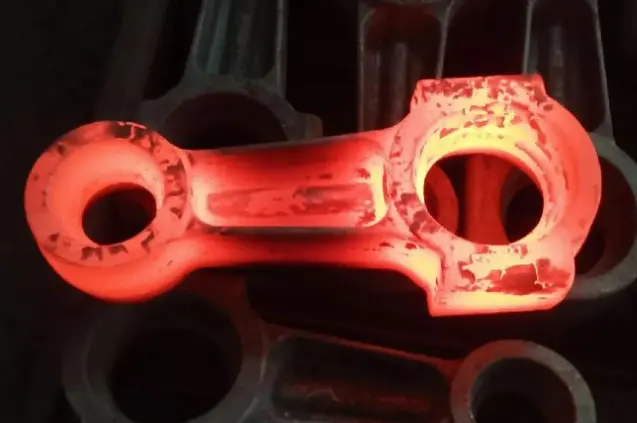
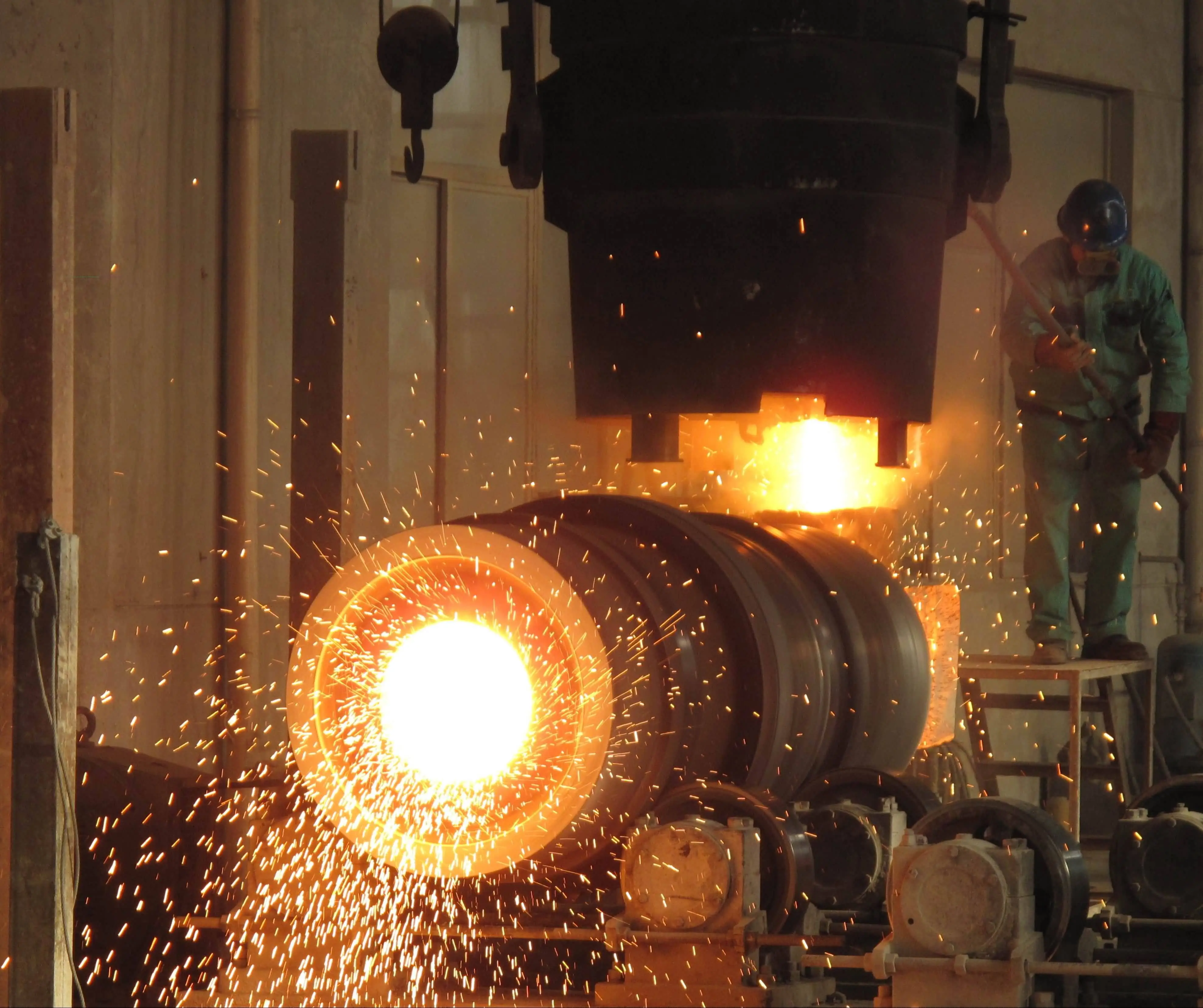
Casting makes parts by putting liquid metal into molds. It's a cheaper way to make a lot of parts with complicated internal shapes. However, because of differences in porosity and grain structure, cast parts usually have lower dynamic values. The material qualities of Machined parts are better because they come from cast or forged stock, where grain flow makes the material stronger. When material is compressed during forging, it is shaped into parts that have good mechanical properties but not a lot of visual complexity. Forging near-net forms and then precision machining to get the final measurements and surface features are used together in many important situations.
CNC Machined Parts Versus 3D Printing
Additive manufacturing builds things layer by layer, which makes it possible to make shapes that would not be possible with subtractive methods. For testing and small-scale output where the cost of tools would be too high, this technology works great. However, compared to made parts, 3D printed metal parts usually have worse mechanical qualities, rougher surface finishes, and shape restrictions. In additive manufacturing, you can't use as many materials, and as the size of the part gets bigger, production speeds slow down. When making more than prototypes, machining still has benefits in terms of surface finish, dimensional accuracy, stability of material properties, and production speed. Instead of using just one method, strategic buying teams look at both platforms based on the needs of the application.
Injection Molding Versus Machining for Plastic Components
When making a lot of plastic parts, injection molding is the most common method because the cost of each part goes down a lot as the number goes up. Buying tools that cost tens to hundreds of thousands of dollars makes it hard to do small production runs. When plastic parts are machined, the costs of making tools are eliminated, which makes it cheaper to make samples and small amounts. When the design changes, only the code needs to be changed, not the mold, which would be very expensive. Molded parts are limited by the width of their walls, but Machined parts are not.
Cost Considerations and Volume Thresholds
Tooling depreciation, per-part production time, material usage, and quality-related costs must all be taken into account in an economic analysis. For metal parts, machining usually has benefits below 1,000 units, and for plastic parts, it usually has advantages below 500 units. However, exact crossing points rely on the complexity and size of the part. Casting and molding, which depend on tools, become more cost-effective as production rates rise and setup costs are spread out over more items.
Precision and Quality in Machining: What Buyers Should KnowDefining Precision Machining Standards
Precision cutting can get tolerances that are even tighter than normal business grades. Depending on the size and complexity of the features, the tolerances can be as small as ±0.025 mm or even smaller. This is possible because of rigid machine tools, temperature-controlled work areas, accurate measuring tools, and trained workers who know how the properties of the material, cutting forces, and thermal expansion affect the final dimensions. Precision isn't just about meeting specs; it also includes standards for the surface finish, physical tolerances like flatness and perpendicularity, and consistency that is the same from one production batch to the next.
ISO 9001:2015 and Quality Management Systems
Getting ISO 9001:2015 approval shows that a company cares about quality management concepts like putting the customer first, involving leaders, taking a process-oriented approach, and always making things better. This standard says that there must be written processes for controlling the design, managing suppliers, overseeing production, inspecting activities, taking appropriate action, and conducting internal checks.
Understanding Machining Tolerances and Specifications
Tolerances set the accepted range of dimensions, weighing the needs of functionality against the costs of production. Tighter tolerances make production take longer, reject more often, and cost more because they need more accurate tools, slower cutting speeds, and more checking steps. Effective models set limits based on what they need to do, rather than using numbers that are too tight all the time. Geometric dimensioning and tolerancing (GD&T) is a better way to explain complex tolerance requirements than standard plus-minus dimensioning. This is especially true for features that need to be a certain way, in a certain place, or have a certain shape.
Quality Assurance Practices and Inspection Protocols
Reputable makers use multi-stage inspection processes that start with checking the material as it comes in and continue with checks while the product is being made, and end with a final inspection of the dimensions and paperwork. Coordinate measuring machines (CMMs) can measure things in three dimensions with an accuracy of more than ±0.002 mm. They can find geometric relationships that other measuring tools can't. Statistical process control keeps an eye on important factors during production runs.
Procuring Machined Components: From Supplier Selection to Order FulfillmentEvaluating Supplier Capabilities and Certifications
Supplier assessment starts with knowing production capabilities—machine tool types, size capacities, tolerance capabilities, and material knowledge. If your provider mainly does big turning jobs, they might not be able to mill the parts you need, and if they're great at machining aluminum, they might have trouble with harder materials like Inconel or titanium. In addition to looking at the tools, you can also find out how skilled the person is by talking about how to improve designs, choose materials, and plan processes.
Custom Manufacturing Services and Engineering Support
Leading providers offer more than just production capacity. They also offer technical partnerships that improve the performance and ease of manufacture of products. Before toolpaths are coded, design for manufacturability (DFM) reviews look for ways to cut costs, improve standards, or get rid of production problems. Engineering teams that know a lot about materials and methods can suggest metal replacements that work just as well but cost less or take less time to make.
Lead Times, Pricing Models, and Order Logistics
Expectations for realistic wait times take into account getting materials, programming, production, review, and shipping. Standard materials that can be bought from a distributor's stock allow for faster starts than rare alloys that need to be bought directly from the mill. Machined parts that need a lot of cutting naturally take longer to make than parts that aren't complicated. Rush services can meet pressing needs, but they usually cost more because they have to find materials faster and work around other people's schedules. Suppliers who are open and honest give quotes that include the prices of materials, setup, production of each part, and any extra fees for things like finishing, testing, or heat treatment. Volume deals take into account that setup time is spread out over bigger orders, which lowers the cost of each part even as the total value of the order goes up.
Prototyping and Small-Batch Manufacturing Advantages
Prototyping lets you test a design before making a lot of them, which can show you problems with fit, speed, or assembly that models can't show you. Because machining doesn't need expensive models or dies, it can be used for small amounts of prototypes without breaking the bank. It's now possible to make changes to designs quickly—only the code needs to be changed to make multiple test versions in a shorter amount of time. Small batch production helps with market testing, pilot production runs, or low-volume specialty uses.
Benefits of Choosing Machined Components for Your Business NeedsExceptional Precision and Performance Consistency
Machined parts are accurate in their dimensions, which directly leads to better product performance and faster assembly. Tight standards make sure that parts that fit together properly, getting rid of gaps that can damage seals, cause vibrations, or weaken the structure. Consistent surface finishes change how frictional moving parts are, how they look in visible uses, and how well glued joints stick together. When production runs are repeatable, new parts made months or years apart can still be used interchangeably. This makes field service easier and reduces the complexity of inventory.
Material and Design Adaptability
Machining lets you choose from a wide range of materials, which lets you make parts that work best in certain conditions and meet specific performance standards. For aircraft uses, aluminum alloys find a good mix between strength, weight, and resistance to corrosion. Chemicals can't damage certain types of stainless steel used in medical and food handling equipment. In oil and gas production, exotic metals like Hastelloy and Monel are used to deal with conditions with a lot of corrosion. This material flexibility also applies to design adaptability.
Scalability Supporting Business Growth
Manufacturing relationships should help a business grow from the launch of its first product to the growth of its market. Machining can handle this growth path by making the first samples, moving on to trial production, and then scaling up to continuous production without having to make changes to the process that could affect quality or cause delays. Suppliers with a wide range of equipment can change the way they make things based on the volume that is needed. For example, manual tools are used for trials, CNC machining equipment is used for medium volumes, and automatic cells are used for large volumes.
Strategic Supply Chain Advantages
Working with skilled machining providers improves the reliability of the supply chain and your place in the market. Just-in-time inventory tactics lower holding costs and improve cash flow when deliveries are reliable. Consistency in quality cuts down on the number of inspections that need to be done on inbound parts and stops production interruptions caused by faulty parts. Technical teamwork speeds up the creation of new products and lets ideas keep getting better. Geographic diversity in supply networks makes it less likely that natural disasters, political unrest, or transport problems will cause problems in a certain area.
Conclusion
Machined parts are an important part of modern manufacturing because they provide the accuracy, material flexibility, and consistent performance that are needed in many industrial settings. Buyers can make choices that are best for cost, quality, and delivery when they know about manufacturing methods, quality standards, and best practices for buying. Whether you're looking for oil field equipment, aircraft fittings, medical device components, or car assemblies, working with skilled providers turns buying into a strategic partnership that improves product performance and standing in the market. Modern supply lines are global, so they need suppliers who are good at technology, communicate clearly, and have quality processes that have been proven to work. The basics of good machining—skilled craftsmanship, strict quality control, and a relationship with the customer—are still as important as ever as industrial manufacturing moves toward more accuracy and global integration.
FAQHow do I choose between machined and 3D printed parts?
Make your choice based on practical needs, output volume, and time limits. When you need better mechanical qualities, a smooth surface, tight limits, or proven material performance, machining is the best way to do it. You should use 3D printing for internal shapes that are hard to understand, for very small quantities where the setup costs of cutting are too high, or when the speed of design iteration is more important than anything else. A lot of development programs use 3D printing to make rough ideas before moving on to finished samples that are a better representation of the production material and how it is made.
What lead times should I expect for CNC-machined orders?
Lead times usually range from one to six weeks, but they depend on how complicated the part is, how many you buy, how much material is available, and how busy your supplier is. Simple parts made from common materials could be shipped within days, but it could take up to eight weeks for complicated systems that need rare alloys, special processing, and a lot of checking. Tell the seller about your deadlines right away. Often, they can meet your urgent needs by speeding up the processing, but there are usually extra costs. By making predictions and framework deals, sellers can stock materials and divide up capacity, which cuts down on lead times for repeat orders.
Which certifications verify supplier credibility?
ISO 9001:2015 is a standard for quality management systems that can be used in any industry. AS9100 adds standards for aircraft to ISO 9001:2015, such as configuration control and traceability. ISO 13485 talks about quality systems for medical devices, with a focus on risk management and following the rules. As a service to car suppliers, IATF 16949 sets standards for the approval processes for production parts and for ongoing growth. You can check someone's professional skills without just looking at their certifications by doing capability studies, sample parts, and facility exams. We keep our ISO 9001:2015 certification and welcome checks from clients. We know that trust is built through openness and performance, not just diplomas.
Partner with Welong for Your Precision-Machined Parts Requirements
Welong is ready to help you improve your supply chain by making parts that are precisely designed and meet foreign standards. We have been a major seller of Machined parts to companies in the aircraft, oil drilling, automobile, and medical device industries since 2001. We are an ISO 9001:2015 qualified company. Our engineering team works together to improve designs using AutoCAD, Pro-Engineering, and SolidWorks, and they work from your plans or samples to make sure the best manufacturing possible. We've been sending to more than 100 customers in North America, Europe, and the Asia-Pacific region for 20 years, so we know what quality standards and ways of communicating are needed for foreign partnerships to work. Email us at info@welongpost.com to talk about the details of your project, get thorough quotes, and find out how our technical skills and supply chain knowledge can lower your sourcing risk while making sure that your important parts are delivered on time and of good quality.
References
1. Brown, J. (2021). Precision Machining Technology: Processes, Materials, and Quality Standards. Industrial Press Inc.
2. Chen, L. & Martinez, R. (2022). "Comparative Analysis of Subtractive and Additive Manufacturing for Industrial Components." Journal of Manufacturing Science and Engineering, 144(8), 081002.
3. International Organization for Standardization. (2015). ISO 9001:2015 Quality Management Systems — Requirements. Geneva: ISO.
4. Smith, P. K. (2020). Supply Chain Management for Precision Components: Strategic Sourcing and Supplier Development. McGraw-Hill Education.
5. Wang, H., Thompson, D., & Rodriguez, M. (2023). "Design for Manufacturability in CNC Machining: Tolerance Optimization and Cost Reduction." International Journal of Production Research, 61(4), 1123-1138.
6. Wilson, T. A. (2022). Materials Selection for Machined Components: Engineering Properties and Manufacturing Considerations. ASM International.

Share your inquiry, get the quotation accordingly!
China WELONG- Your Reliable Partner in Metal Solutions