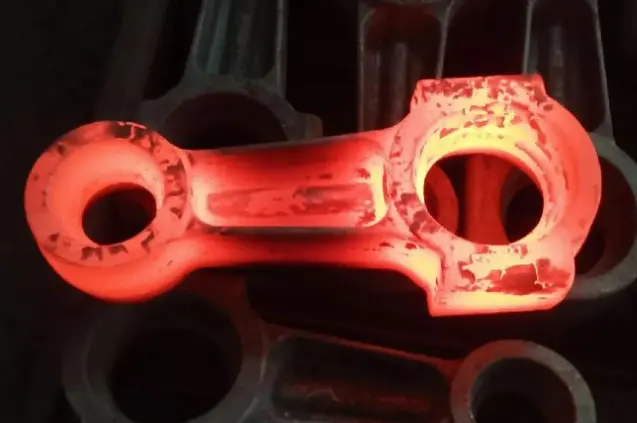
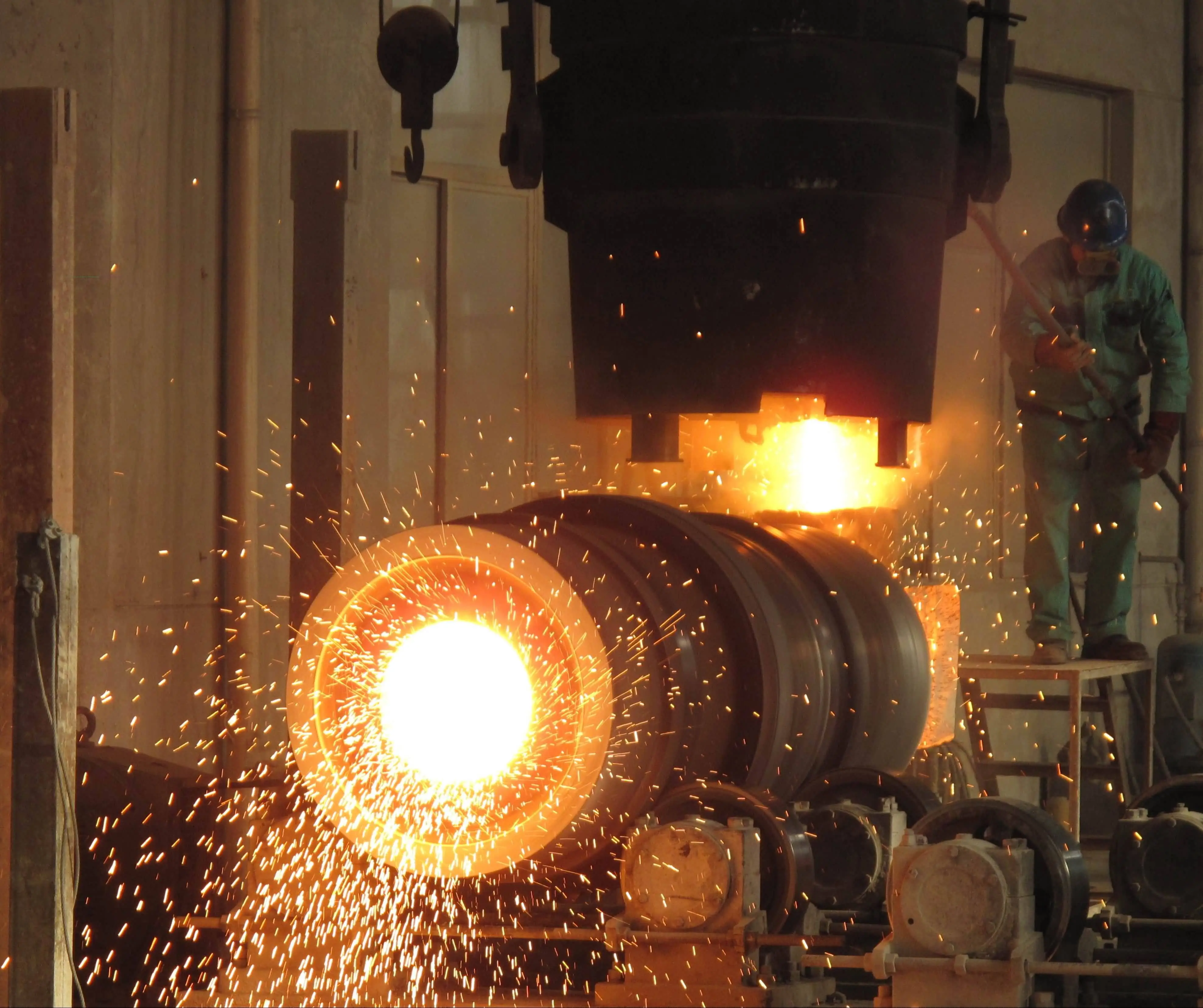
Precision Machining Services: Finishing Your Cast and Forged Parts
As far as production goes, precision machining is the best way to finish cast and forged parts in important fields like aircraft, automotive, and medical devices. This high-tech way of making things turns rough castings and forgings into parts with exact measurements that meet the strictest requirements. Modern cutting can achieve tolerances of less than a micrometer and keep the quality of the surfaces very high, thanks to advanced CNC technologies and strict quality control routines. Adding precision machining to your supply chain guarantees uniform quality, lowers the risks of manufacturing, and improves the performance of your products.
Understanding Precision Machining in Finishing Cast and Forged Parts
When turning raw cast and forged materials into final parts, modern production demands perfection that can't be matched. Because precision machining is so complicated, it goes far beyond traditional ways of making things. It uses cutting-edge methods that take into account the unique properties of cast and made metals.
Advanced Manufacturing Techniques for Superior Accuracy
Multi-axis CNC systems are used in modern machining processes that can achieve measurement tolerances as close as ±0.0001 inches. During the whole grinding process, these high-tech machines have adaptable control systems that keep an eye on cutting forces, tool wear, and the accuracy of the dimensions. Using high-frequency spindles that spin at speeds above 20,000 RPM makes it possible to get better surface finishes on tough materials like titanium alloys, hardened steels, and special superalloys that are often used in aircraft applications.
Material preparation practices are very important for getting the best results from cutting. It's important to know how to handle cast parts properly because they often have gaps and internal stress patterns. Before cutting, heat treatment normalization methods get rid of any remaining stresses. This keeps the parts from distorting during later operations. Similarly, stress relief annealing is helpful for cast parts because it keeps the dimensions stable during the finishing process.
Material-Specific Machining Characteristics
When machining, different metal systems show different problems that need specific solutions. Changes in the amount of silicon in aluminum casts need to be carefully watched because they affect the tool life and quality of the surface. Forgings made of steel have sides that are work-hardened and need specific cutting settings and tool shapes. To keep titanium parts from getting thermal damage that could change their qualities, they need special cooling systems and cutting speeds.
Machining techniques are directly affected by the mechanical structure of both cast and forged materials. Castings with dendritic grain structures have different hardness levels that need to be adjusted when they are machined. Forgings, on the other hand, have a more polished grain structure that makes them easier to machine, but they may have directional features that affect the quality of the surface finish.
Benefits of Precision Machining for Cast and Forged Components
When you smartly use precision machining technologies, you get benefits that can be measured and seen across your entire supply chain. These benefits directly help procurement workers who are looking for solid, low-cost manufacturing solutions to their business problems.
Superior Dimensional Accuracy and Functional Performance
Precision machining regularly gets better tolerances on dimensions than more standard ways of production by large amounts. Tolerances in regular cutting are usually kept to within ±0.005 inches, but tolerances in precision methods are often ±0.001 inches or smaller. This higher level of accuracy directly leads to better part fit and assembly speed, which cuts down on expensive warranty claims and changes made in the field.
The better surface finishing that can be achieved with precision machining makes a big difference in how well the part works. Surface roughness values below 16 microinches Ra make moving parts less likely to wear out and increase their resistance to friction. These changes make the product last longer and require less maintenance. This is especially important in aerospace and medical gadget uses where dependability can't be compromised.
Cost Efficiency Through Optimized Manufacturing
Precision cutting gets rid of a lot of the extra steps that are usually needed to meet final standards. Being able to machine complicated shapes in a single setup cuts down on handling costs and mistakes caused by stacking dimensions. This consolidated method often cuts lead times by 20 to 30 percent, which speeds up the time it takes to market for crucial parts.
Cost savings linked to quality come from a huge drop in reject rates and rework needs. Implementing statistical process control makes sure that the quality of the parts stays the same and meets the requirements on the first cutting cycle. This dependability gets rid of the expensive review delays and faster shipping costs that come with replacing parts.
Versatile Customization Capabilities
These days, precision machining centers can make parts with a wide range of shapes and materials all at the same time. Five-axis cutting makes it possible to make complexly shaped surfaces that weren't possible or cost-effective before. Because it's so flexible, OEMs can make part designs that focus on performance instead of manufacturing limits. This makes products work better and gives them a competitive edge.
Comparing Precision Machining with Alternative Finishing Methods
Informed decision-making that maximizes both quality and cost is possible when you know the relative benefits of different finishing methods. Depending on the needs of the application and the amount of product being made, each producing method has its own benefits.
Precision Machining Versus Conventional CNC Operations
Precision machining is different from regular machining because it takes a planned approach to accuracy and consistency. Environmental controls used in precision cutting keep the temperature stable within ±1°F. This stops thermal expansion effects that affect the accuracy of measurements. Vibration isolation systems and base designs keep the position of the cutting tool fixed to the level of the micron.
In precision processes, real-time tracking is used by tool management systems to predict tool wear and make adjustments automatically for changes in size. Unlike traditional methods that require manual changes every so often, this proactive technique makes sure that the quality of the parts stays the same throughout production runs. The result is better stability from part to part and less statistical difference.
Alternative Finishing Method Comparisons
Laser cutting can speed up the process, but it can't match the level of accuracy that can be achieved with precision machining. Laser operations often leave areas of the surface that are hot and need extra work to finish them off, which adds to the total cost. Grinding processes are great at making surfaces look great, but they can only work with simple shapes and can't easily make complex three-dimensional contours.
While electrical discharge machining (EDM) is very accurate on hardened materials, it works much more slowly than precision machining. Because EDM methods are thermal, they can change the composition of materials in serious situations. Investment casting can make complicated shapes, but it costs a lot to make the tools needed and can't afford to make changes to the design while it's being developed.
ROI Analysis and Decision Factors
Total lifecycle costs, not just beginning handling costs, must be taken into account when figuring out how cost-effective something is. Precision machining often offers better value because it cuts down on extra processes, improves quality consistency, and makes products work better. Cost research that includes quality-related costs, inventory carrying costs, and customer happiness measures is helpful for procurement teams.
How to Choose the Right Precision Machining Service Provider?
To find the best manufacturing partner, you need to carefully look at their skills, quality processes, and ability to keep things running smoothly. The choice has a big effect on the standard of the product, how well it is delivered, and the company's long-term ability to compete.
Critical Certification and Equipment Requirements
The lowest quality level that can be met for precision machining is ISO 9001:2015 approval. However, based on the needs of your product, you may need industry-specific certifications like AS9100 for aerospace or ISO 13485 for medical devices. These standards make sure that quality methods are written down and that there are processes for continuous growth that support consistent performance.
The powers of the equipment must match your exact needs for dimensions and surface finish. Precision is maintained in a wide range of environmental situations by multi-axis machining machines with temperature compensation systems. Coordinate measuring machines (CMMs) that boast accuracy levels at least ten times higher than part limits are a reliable way to check the quality of a product. Automatic tool changes and systems that pre-set tools reduce setup differences that could affect the accuracy of parts.
Quality Assurance and Communication Protocols
Strong quality systems include more than just basic checking steps. They also include statistical process control and predictive quality management. Suppliers should show that they can watch processes in real time and stop errors before they happen instead of just finding them after the fact. Documentation tools must allow full tracking from raw materials to final inspection, backing any necessary checks for compliance.
When working with foreign suppliers, communication methods are even more important. Clear communication about needs and goals is maintained through regular video calls, shared digital platforms, and standard reporting formats. Communicating ahead of time about possible problems allows everyone to work together to solve them before supply plans are thrown off.
Structured Quoting and Supplier Assessment
Standardized evaluation factors that measure skills and performance in an unbiased way are needed for effective supplier evaluation. Technical specs should include exact size requirements, standards for the finish on the surface, and proof of the materials used. Before committing to production volumes, sample approval methods make sure that the possibility is known.
When evaluating a quote, the total cost must be taken into account, which includes shipping, taxes, and any possible extra fees. Lead time promises should be based on actual production plans that allow enough time for quality checks. Payment terms and currencies affect the total cost of the job and should be taken into account when choosing a contractor.
Optimizing Precision Machining Performance for Your Cast and Forged Parts
To get the best results from precision machining, you need to know how to deal with the unique problems that cast and forged materials offer. Strategies that are proactive reduce common problems while increasing quality and efficiency.
Addressing Material-Specific Machining Challenges
Cast materials often have holes and other things mixed in with them, which can change the quality of the finish and shorten the life of the tool. Using ultrasound or radiographic methods for pre-machining checking finds internal flaws that could weaken the final part's integrity. Different castings have different amounts of hardness, so machining techniques need cutting parameters that can change based on real-time conditions.
When it comes to work hardening and leftover stress patterns, forged parts pose different problems. Forgings have a fibrous grain structure that can make cutting go in certain directions, which can change the regularity of the surface finish. Fixturing that is properly designed can allow for stress release moves during machining while still keeping the accuracy of the dimensions. When choosing a cutting tool, it's important to think about how rough-formed surfaces are and how work hardening might happen during interrupted cuts.
Advanced Process Optimization Techniques
Tool path optimization software looks at the shape of the part and the features of the material to come up with effective cutting plans that cut down on cycle time without sacrificing quality. Light cuts are made at high cutting speeds in high-speed machining methods to lower cutting forces and improve surface finishes. Adaptive machining systems change the cutting settings automatically based on real-time force feedback. This makes sure that the system works the same way no matter what the material is like.
Optimizing the coolant system is a key part of keeping the tool's life and part quality high. High-pressure water supply systems help chips get rid of faster and lower cutting temperatures that might change the way a material works. When used correctly, minimum quantity lubrication (MQL) methods are good for the environment and keep machining speed high.
Technology Integration and Continuous Improvement
Through combined sensor systems and data analytics platforms, Industry 4.0 technologies give us a view of machining processes that have never been possible before. Algorithms that use machine learning find trends in process data that let you know about quality problems before they happen. This predictive method lets you make changes ahead of time that keep part quality stable while reducing the number of production stops.
When applied to precision machining, lean production concepts get rid of waste and boost productivity. Single-minute exchange of dies (SMED) techniques reduce setup times and enable economical small-batch production. Just-in-time delivery systems keep production flexible so that it can adapt to changing demand trends while lowering the cost of holding stockpiles.
Conclusion
Precision machining is an important part of manufacturing that turns cast and formed parts into finished products that meet the strictest industry standards. A methodical approach to accuracy, surface finish, and measurement control has real benefits, such as better product performance, lower manufacturing costs, and more reliable supply chains. Procurement workers can gain big competitive advantages by carefully choosing suppliers and strategically using new machining technologies. They can also keep quality standards high, which is good for long-term business success.
FAQ
What tolerances can precision machining achieve on forged parts?
Forged parts can usually be machined to within 0.001 inches of accuracy, and key dimensions can be machined to within 0.0005 inches with certain processes. The real tolerance that can be used varies on the shape of the part, the properties of the material, and the size needed. Because the structure of forged parts is more regular and there are fewer holes in them, they can usually be machined to tighter standards than castings.
How does precision machining cost compare to alternative finishing methods?
Precision machining may have higher start-up costs, but in the end, it usually ends up being less expensive because it gets rid of unnecessary steps and quality problems. When large or complicated shapes need to be made, precision machining can be 20 to 30 percent cheaper than grinding. The higher level of accuracy lowers the cost of assembly and guarantees claims, which adds value beyond the direct cost of production.
What are typical lead times for precision machining of cast components?
Depending on how complicated the part is and how much work is being done at the moment, lead times for precision machining cast parts are usually between two and four weeks. Most of the time, simple shapes with standard specs can be finished in 10 to 14 days. It could take 4 to 6 weeks for complex aircraft or medical parts that need a lot of review. Sometimes, rush orders can be filled with faster timing for an extra fee.
Partner with Welong for Expert Precision Machining Solutions
Welong has been precision machining for more than 20 years and has ISO 9001:2015 approved quality systems that allow them to give your cast and forged parts the best finishing services possible. Our advanced CNC capabilities and experienced engineering team make sure that your parts meet the strictest requirements while keeping prices low and delivery times consistent. As a reliable precision machining supplier to aircraft, automotive, and medical device companies in North America and Europe, we know how important quality and communication are to building strong relationships. Get in touch with our team at info@welongpost.com to talk about your unique needs and find out how our precision machining services can help your supply chain work better.
References
1. American Society of Mechanical Engineers. "Precision Machining Standards and Practices for Cast and Forged Components." ASME Manufacturing Guidelines, 2023.
2. International Journal of Advanced Manufacturing Technology. "Comparative Analysis of Finishing Methods for Aerospace Forgings." Manufacturing Research Institute, 2022.
3. Society of Manufacturing Engineers. "Best Practices in Precision CNC Machining for Industrial Applications." SME Technical Publication, 2023.
4. Materials Science and Engineering Research. "Metallurgical Considerations in Precision Machining of Cast Alloys." Academic Press Manufacturing Series, 2022.
5. Industrial Procurement Management Review. "Supply Chain Risk Mitigation Through Advanced Manufacturing Partnerships." Global Manufacturing Association, 2023.
6. Precision Manufacturing Technology Handbook. "Quality Control Systems and Statistical Process Methods in Modern Machining Operations." Technical Publishing International, 2022.

Share your inquiry, get the quotation accordingly!
China WELONG- Your Reliable Partner in Metal Solutions