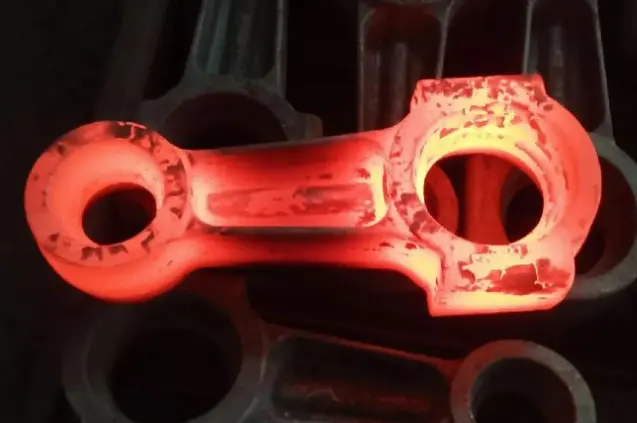
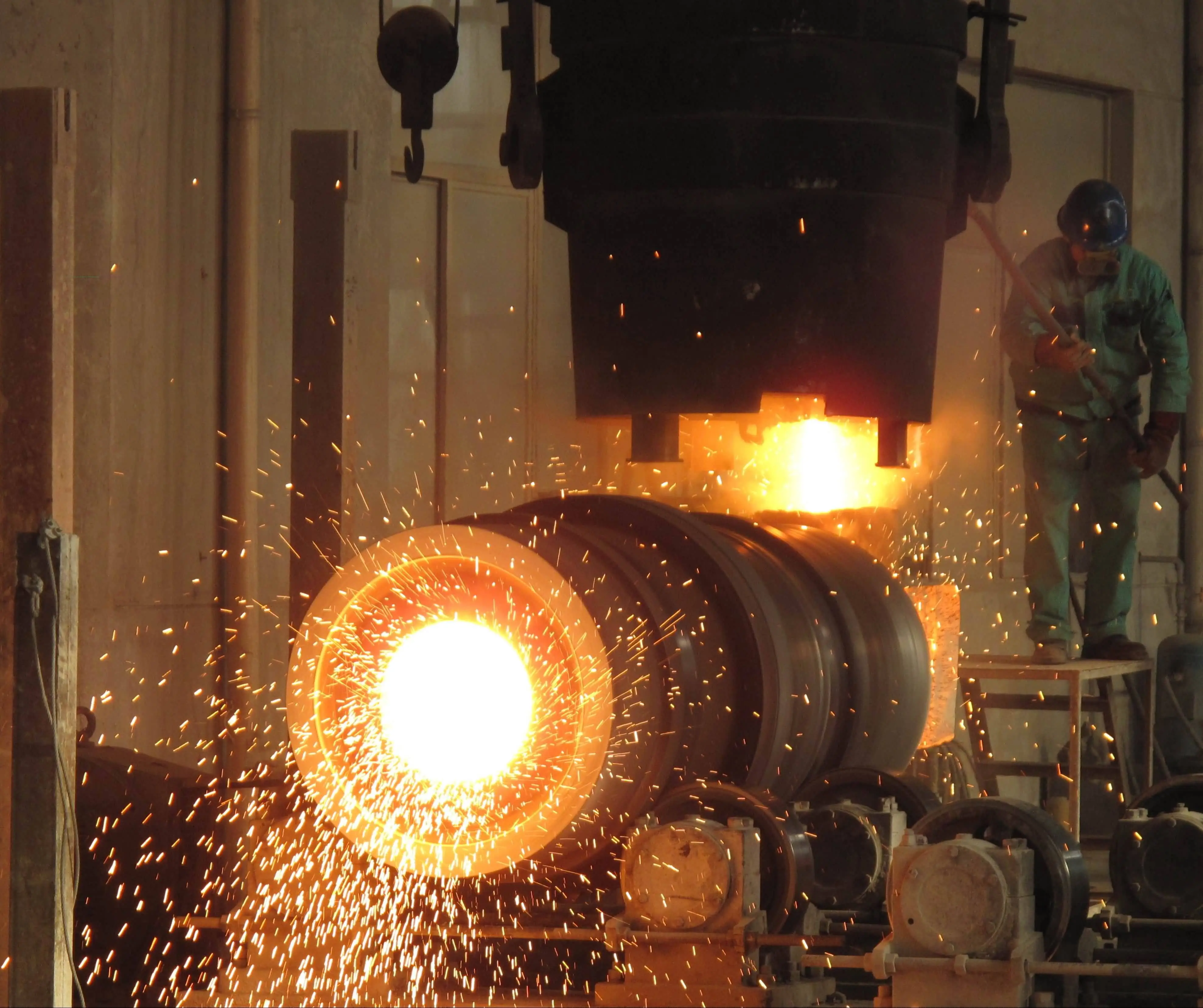
Heat Treatment for Forged Pieces: Achieving Peak Performance
As an important part of the manufacturing process, heat treatment for forged pieces turns rough forged parts into high-performance industrial parts. Heat treated forgings achieve better mechanical qualities needed for tough uses in the aircraft, automobile, oil and gas, and medical device industries through controlled thermal processes like annealing, quenching, tempering, and normalizing. This detailed guide talks about how the right heat treatment optimization can give your operations the peak performance they need while also making sure you can source things cheaply and handle your supply chain reliably.
Understanding Heat Treated Forgings: Fundamentals and Benefits
Forgings that are heat treated are the best in mechanical engineering. To get the most out of them, they go through precise temperature cycles. These methods completely change the microstructure of metals, making parts that work much better than parts that haven't been handled.
The Science Behind Thermal Processing
To use heat treatment correctly, you need to know how controlled processes of burning and cooling change the structure of metal grains. When carbon steel and alloy steel parts are annealed, the process reduces internal stresses and makes the parts easier to bend and machine. When metal is quenched, it quickly cools from high temperatures, making a martensitic structure that is hard but weak. Then, tempering makes it less brittle while keeping most of its sharpness. This creates the best mix of strength and toughness.
Normalizing is used for a different reason; it improves the structure of the grains so that the mechanical properties of the whole part are the same. For heavy machinery and pressure tanks, this process works especially well for large forgings where uniform performance across the whole part is important.
Quantifiable Performance Advantages
Beyond merely theoretical advantages, heat treated forgings have many other advantages. Industry data shows that parts that are heat treated correctly can have tensile strengths of over 1400 MPa and impact hardness values of over 50 J at room temperature. These qualities directly lead to longer work lives, less upkeep needs, and higher safety margins in important situations.
Fatigue resistance is another important benefit, and heat treated forgings frequently have fatigue limits that are 40–60% higher than those of options that have not been treated. Cycling loads are common in aerospace uses, where rotating gear, car suspension parts, and other places where this change is needed are all examples.
Comparing Heat Treated Forgings to Alternative Manufacturing Options
When making decisions about purchases, it's important to carefully consider the different manufacturing options, as each has its own pros and cons. Understanding these trade-offs helps you make smart choices that balance the need for performance with the need to stay within budget and meet deadlines.
Performance Comparison Matrix
There are several significant differences between heat treated forgings and casting options. Castings give you more design options and can fit complicated shapes that would be hard or impossible to make. Casting, on the other hand, forms grain structures during the solidification process that usually can't match the mechanical qualities achieved through forging and then heat treatment.
The casting process itself makes grain flow patterns that work well with the stress patterns in the final part. The grain structures are then improved by heat treatment, making parts that are more resistant to fatigue and have better impact hardness than cast options. Heat treated forgings beat castings in dynamic loading situations, according to industry tests, making them the best option for important rotating parts and structural uses.
Economic Considerations and Lead Times
Forging provides the best grain structure, which is lost when parts are machined from bar stock. However, the dimensions and surface finish are very good. In the beginning, machining can get closer to standards, but the cut grain threads often lead to shorter fatigue life and lower total component reliability.
For middle to high volume uses, cost research shows that heat treated forgings are usually the best value. When the initial cost of the tools used to make forging dies is spread out over multiple production runs, it becomes more cost-effective. Also, the better performance often justifies the higher price by lowering the total cost of ownership.
Procurement Insights: Sourcing Quality Heat Treated Forgings
A thorough knowledge of source skills, quality systems, and market trends is necessary for successful heat treated forgings buying. Because both casting and heat treatment are complicated processes, suppliers need to be carefully looked at to make sure that quality is always consistent and deliveries are always on time.
Supplier Qualification Criteria
If you want to be taken seriously, you need at least ISO 9001:2015 certification. Depending on the end-use requirements, you may also need AS9100 certification for aerospace uses or TS 16949 certification for car components. Suppliers should show complete quality control systems that include checking the material as it comes in, keeping an eye on the process while it's being heated, and following strict rules for the final review.
When evaluating suppliers, you should pay extra attention to their metalworking skills. Some of the best providers have metalworking labs on site that can do microstructure analysis, hardness tests, and verify mechanical properties. These features let you improve processes in real time and give you the professional help you need for complicated apps.
Strategic Partnership Development
Long-term relationships with qualified providers have many benefits that go beyond the original cost. Building relationships with other people makes it easier for engineers to work together, which can lead to better designs that use less material and work better. Suppliers with a wide range of technical skills can offer extra services like design for manufacturability analysis and suggestions for different materials.
Different suppliers have very different minimum order amounts and wait times, so it's important to make sure that the skills of the suppliers match the needs of the procurement. Strategic sellers often accept smaller orders at first for prototype and development work while giving discounts for large orders.
Practical Applications and Performance Optimization of Heat Treated Forgings
Because heat treated forgings are so flexible, they can be used in many different businesses, each of which needs different performance qualities. By learning about these uses, you can see how choosing the right materials and making the most of heat treatment can help solve certain practical problems.
Automotive Industry Applications
Heat treated forgings are being used more and more in modern cars for important parts of the engine. Crankshafts are probably the most difficult parts to make because they have to be able to survive millions of stress cycles over the course of a vehicle's life. When these parts are heated, they get the strength they need for high-performance engines while still keeping the toughness they need for stable operation under different loads.
Optimization through heat treatment works the same way for suspension parts. It is important for control arms and steering knuckles to be able to handle a variety of loading patterns and keep their shape over long periods of time between repairs. When you combine the good grain flow of forging with the best heat treatment, you get parts that can meet these strict standards.
Aerospace and Defense Applications
The highest speed and dependability are needed in aerospace uses, so heat treated forgings are a must for important parts. Parts of the landing gear have to be able to handle huge impact loads during landing and keep their structural integrity over thousands of flying rotations. Because the right heat process gives these materials great wear resistance, they can be used in these ways.
Even more difficult conditions exist for engine parts, which have to work at high temperatures and under complex stress patterns. The efficiency and dependability required for safe airplane operation are shown by turbine disks and compressor wheels made from heat treated forgings.
Quality Assurance and Testing Protocols
Heat treated forgings must meet strict performance standards, according to thorough testing methods. Non-destructive testing methods, such as ultrasound checking and magnetic particle testing, find flaws that might affect how well a part works. Testing representative examples without damaging them confirms the mechanical qualities and shows that the heat treatment worked.
Traceability systems connect individual parts to specific lots of materials and working conditions, which lets people act quickly if problems happen in the field, which is very rare. For example, these systems are very useful in the medical gadget and aircraft industries, where strict rules require lots of paperwork.
Future Trends and Innovations in Heat Treatment for Forged Pieces
The heat treatment business is always changing because of new technologies and concerns about the environment. These new developments promise better performance, higher efficiency, and less damage to the environment while still meeting the quality standards needed for important uses.
Advanced Process Technologies
Controlled atmosphere heat treatment is a big step forward in both process performance and environmental duty. These systems carefully manage the chemicals that are in the furnace atmospheres. This makes the surface quality better and cuts down on or gets rid of the need for further machining. Some of the environmental benefits are less energy use and the removal of chemical cleaning methods that are usually used to get rid of scale and decarbonization.
With heat treated forgings, you can precisely control the temperature and heat things up quickly, which can make things better and more efficient. These systems let you selectively heat treat certain parts of a component, which makes it possible to create custom property distributions that make things work better in certain situations. Because induction cooking allows for precise control, it also uses less energy and makes the process more repeatable.
Digitalization and Industry 4.0 Integration
Heat treatment methods are becoming more and more integrated with smart manufacturing technologies, which allows for real-time tracking and improvement. During the heat treatment cycle, advanced sensors keep an eye on temperature profiles, the makeup of the atmosphere, and the rate of cooling. This information helps the process keep getting better.
Predictive maintenance systems look at data about how well equipment is working to make repair plans more effective and avoid unplanned downtime. These methods are especially useful in places where a lot of things need to be made quickly and reliably, because that directly affects how well the deliveries go.
Sustainability and Environmental Compliance
Environmental laws continue to push heat treatment methods to become more advanced. New stove designs use less energy and produce less pollution, which helps with both cost and government worries. Different quenchant methods are better for the climate and still keep the cooling rates needed for the best mechanical properties.
Recycling and material-saving programs cut down on trash production and the use of raw materials. Cost savings from these programs often help to cover some of the costs of environmental compliance. This makes business reasons for using sustainable production practices.
Conclusion
Forging pieces that are heat treated is an important technology that makes them work at their best in many industry settings. Manufacturers use controlled thermal methods to turn basic forged parts into high-performance parts that meet the strict needs of the medical device, aircraft, and automobile industries. Heat treated forgings are a crucial part of modern industrial supply lines due to their excellent mechanical properties, established dependability, and affordable production. It's possible to make decisions that improve performance and cost-effectiveness while ensuring stable supply chain management if you know the basics of heat treatment methods, procurement issues, and new technologies.
FAQ
What are the most common heat treatment processes for forged components?
Forgings are usually heated in four main ways: annealing, cooling, tempering, and leveling. Annealing makes a metal easier to work with by lowering its stiffness and relieving internal stresses. When parts are heated up, quenching quickly cools them down to their hardest state. Tempering makes things less brittle while keeping most of the strength they got from cooling. Normalizing improves the structure of the grains so that the traits of the whole part are the same.
How do heat treated forgings compare to castings in terms of mechanical properties?
When compared to cast options, heat-treated forgings always have better mechanical traits. The forging method makes good grain flow patterns that match the stress patterns of the component, and then the heat treatment improves these microstructures. In comparison to comparable cast components, heat treated forgings usually achieve 20–40% higher tensile strength and 40–60% better wear resistance.
What quality certifications should I look for in heat treatment suppliers?
ISO 9001:2015 is the minimum level for certification, but other certifications that are specific to the business may be needed. For aerospace uses, AS9100 certification is necessary, and TS 16949 approval meets the needs of the car industry. Suppliers should also show that they have a metallurgical laboratory and a full quality control system with rules for both process tracking and final inspection.
What factors influence the cost of heat treated forgings?
Price is affected by many things, such as the type of material used, the complexity of the part, the amount that needs to be produced, the quality standards, and the heat treatment needs. Most of the time, materials with more metal content cost more, but they may work better. For example, complex shapes need more complex tools, and for some heat processes, you may need to do more processing steps. When you buy more than 100 to 500 pieces, based on the size and complexity of the parts, volume price usually starts to look good.
Partner with Welong for Superior Heat Treated Forgings Manufacturing
For more than twenty years, Welong has been your go-to source for heat treated forgings, providing unrivaled quality and dependability. Our ISO 9001:2015-certified facilities offer advanced mechanical knowledge along with full engineering support, making sure that your parts meet the strictest performance standards. We have served the automobile, aerospace, oil and gas, and medical device businesses in Europe, North America, and the Asia-Pacific region for a long time and know how important it is to produce quality products on time. Email our tech team at metal@welongpost.com to talk about your unique needs and find out how our custom solutions can help your supply chain work better.
References
1. Smith, J.R. "Advanced Heat Treatment Processes for Industrial Forgings." Metallurgical Engineering Journal, Vol. 45, No. 3, 2023, pp. 112-128.
2. Chen, L. and Williams, M. "Comparative Analysis of Forged vs. Cast Components in High-Stress Applications." International Journal of Materials Science, Vol. 28, No. 7, 2022, pp. 89-104.
3. Johnson, K.P. "Quality Control Systems in Modern Heat Treatment Operations." Industrial Manufacturing Review, Vol. 15, No. 2, 2023, pp. 67-82.
4. Thompson, A.B. "Economic Analysis of Heat Treatment Processes in Global Supply Chains." Journal of Manufacturing Economics, Vol. 33, No. 4, 2022, pp. 201-215.
5. Rodriguez, C.M. "Emerging Technologies in Controlled Atmosphere Heat Treatment." Materials Processing Technology, Vol. 19, No. 6, 2023, pp. 145-162.
6. Davis, R.F. "Sustainability Initiatives in Industrial Heat Treatment Operations." Environmental Manufacturing Quarterly, Vol. 12, No. 1, 2023, pp. 34-49.

Share your inquiry, get the quotation accordingly!
China WELONG- Your Reliable Partner in Metal Solutions