Forged Components for Aerospace: Meeting Safety Standards
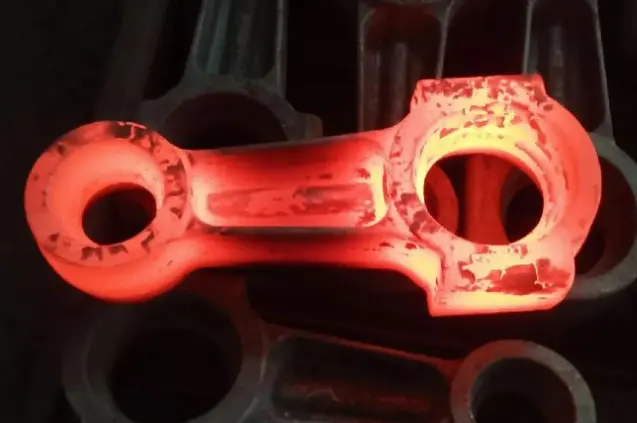
Forged components for aerospace applications represent the pinnacle of manufacturing precision and safety in the aviation industry. These critical parts undergo intense pressure and heat during production, creating aerospace forgings with superior grain structure and mechanical properties essential for flight safety. Unlike other manufacturing methods, forging eliminates internal voids and creates directional strength that aerospace engineers demand for landing gear, engine components, and structural elements that must withstand extreme operational conditions.
Understanding Aerospace Forgings and Their Safety Significance
Parts for the aircraft business need to be able to handle a lot of stress, changes in temperature, and operational cycles without breaking. Aerospace forgings meet these strict requirements by using a complex manufacturing process to turn raw materials into precisely designed parts that can support human flight.
The Science Behind Aerospace Forging Processes
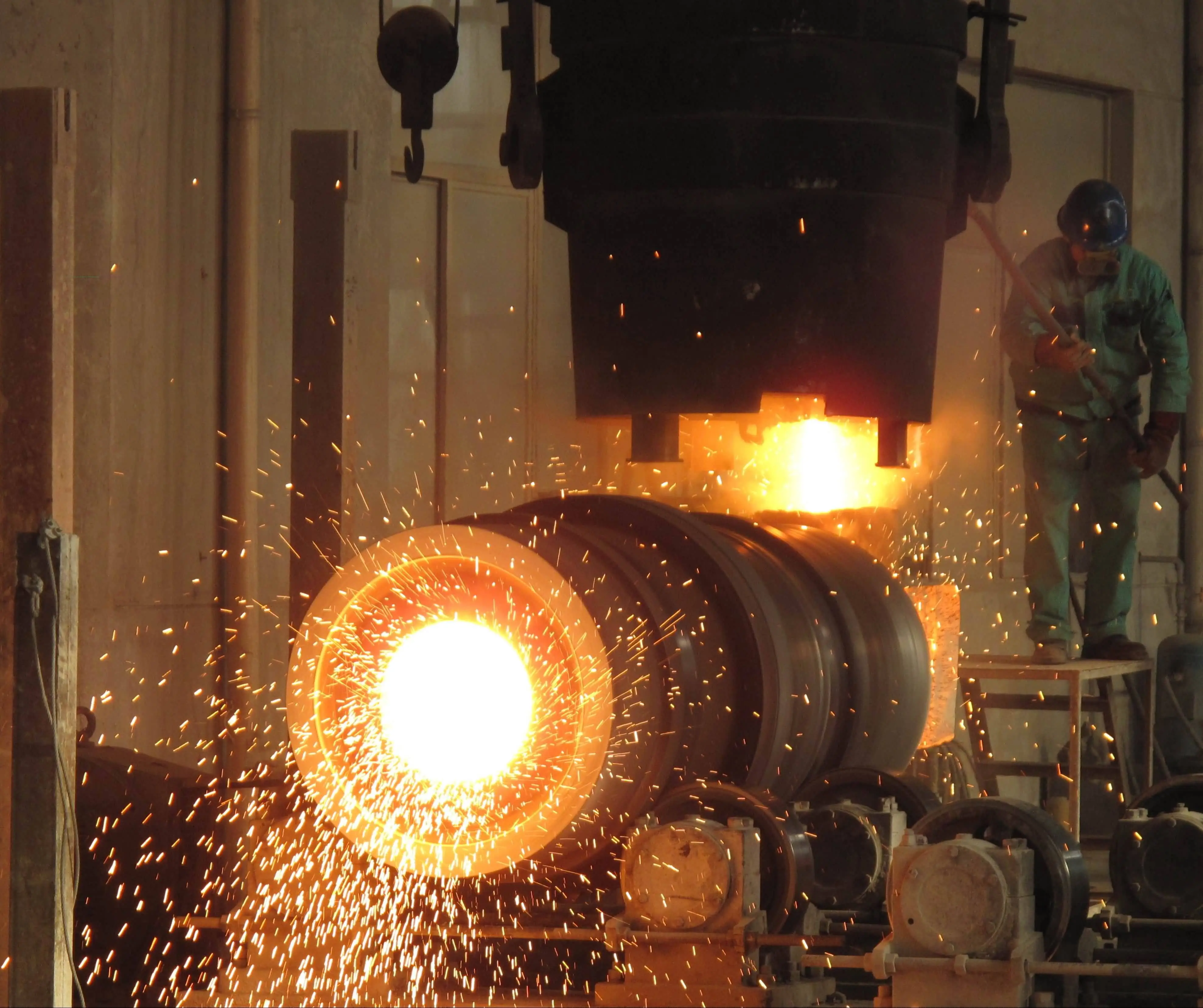
The first step in the forging process is carefully choosing the materials. These are usually high-strength metals like titanium, aluminum, and superalloys based on nickel. When these materials are forged, they go through controlled plastic distortion at controlled temperatures and pressures. This smooths out the metal's grain structure and gets rid of any flaws inside. This change makes parts that are better at resisting wear and having mechanical qualities that molds or machined parts just can't match.
Computer-controlled tools and presses that can produce pressures of more than 50,000 tons are used in modern forging. Accurate control of temperature, pressure, and cooling rates makes sure that the qualities of the material are the same in all parts. This level of control is especially important when making safety-critical parts like rotor discs, where a failure of the material could have terrible results.
Material Selection and Safety Compliance
Aerospace forging materials have to meet strict rules set by groups like the International Organization for Standardization (ISO), the Society of Automotive Engineers (SAE), and the Aerospace Material Specifications (AMS). Due to their high strength-to-weight ratio and resistance to rust, titanium alloys, especially Ti-6Al-4V, are used a lot in aircraft. For lightweight structural parts, aluminum alloys like 7075 and 2024 are good options. Nickel-based superalloys, like Inconel, are used in high-temperature engine settings.
Before it can be used in aerospace, each material goes through a lot of testing and licensing steps. Depending on what they are meant to do, these products must remain effective at temperatures ranging from -65°F to over 2000°F. Every lot of materials comes with traceability paperwork, which makes sure that everyone is responsible from the source of the raw materials to the installation of the last component.
Comparison of Aerospace Forgings with Alternative Manufacturing Methods
Learning about the pros and cons of various manufacturing methods assists buying workers in making smart choices that balance performance, cost, and delivery needs. Each way of manufacturing has its own unique features that affect how well the end product works and how well the whole project turns out.
Structural Integrity and Performance Advantages
When compared to cast or machined options, forged aerospace parts have better structural stability. When you forge something, the constant grain flow that follows the shape of the part makes it stronger along stress lines. Forged parts with this grain flow feature are better able to stop cracks from spreading and wear out over time than parts with broken grain structures.
Even though cast parts are often cheaper for complicated shapes, they have holes and other things in them that can weaken the structure. Welded parts have areas that are affected by heat that could break when they are loaded and unloaded repeatedly. Machined parts are accurate, but they remove material and stop grain flow, which makes them less strong overall than near-net-shape forgings.
Cost and Lead Time Considerations
Even though the cost of making the tools for Aerospace forgings can be high at first, the long-term value often outweighs the costs. Forged parts last longer and are more durable, which lowers the cost of upkeep and raises the efficiency of operations. When replacement rates, inspection times, and possible failure effects are taken into account, component lifetime costs usually favor forgings.
Lead times for aerospace forgings depend a lot on the supplier's capacity, the supply of materials, and the need for tools. Standard setups can take 12 to 16 weeks to deliver, while special forgings can take 20 to 24 weeks. But because cast parts are reliable and always of high quality, longer wait times are often worth it compared to other ways of making things that might need extra steps or quality checks.
Quality Control and Defect Prevention in Aerospace Forgings
To keep the quality of aerospace forging operations consistent, you need quality control tools that cover the whole manufacturing process. Because aerospace uses are so important, flaws that could threaten flying safety must be dealt with right away.
Advanced Non-Destructive Testing Methods
Modern aircraft forging plants use high-tech checking tools to make sure that parts are whole without damaging the parts themselves. Ultrasonic testing finds internal cracks using high-frequency sound waves, while radiographic analysis shows the structure inside in great detail. Magnetic particle screening finds flaws on the surface and close to the surface of ferromagnetic materials, while penetrant testing finds breaks in the surface of non-magnetic materials.
Eddy current testing is a quick way to look for surface cracks and changes in the material's properties. When these checking methods are used together, they can find all kinds of flaws. This makes sure that only good parts make it to the final stages of cutting and assembly. Automated inspection systems are often used in modern facilities. These systems give consistent, repeatable results and keep thorough inspection records for tracking purposes.
Heat Treatment and Material Property Control
To get the right material qualities in aerospace forgings, it's important to follow the right heat treatment procedures. Precise control of heating rates, hold temperatures, hold times, and cooling rates is needed during the heat treatment process to get the material qualities that are wanted. Controlling the oxygen in the furnace stops rusting and decarburization that could damage the surface.
Quality control labs keep an eye on the results of heat treatment by testing selected samples mechanically regularly. Each heat treatment batch is checked to make sure it meets the standards by tensile testing, measuring hardness, and microstructural analysis. Statistical process control methods look for patterns and possible problems before they affect the quality of the production.
Procurement Guide: Selecting and Sourcing Aerospace Forged Components
To successfully buy aircraft forged parts, you need to carefully look at the skills, licenses, and performance records of the seller. Because aerospace needs are so complicated, providers need to have a track record of handling technical, quality, and shipping problems.
Supplier Qualification and Certification Requirements
Suppliers of aerospace forgings must keep their licenses up to date, such as AS9100 quality management systems, NADCAP special process approvals, and source approvals that are specific to each customer. The provider has shown that they are dedicated to aerospace quality standards and can regularly meet strict requirements by getting these licenses.
When you examine a supplier, you should look at their manufacturing skills, quality processes, and how they handle the supply chain. Key evaluation factors include the abilities of the equipment, the management of tools, the ability to track materials, and the skills of the staff. Long-term partnership choices are also based on how stable the supplier's finances are and how well they plan for business survival.
Volume Flexibility and Customization Capabilities
Volume changes and engineering changes happen a lot in aerospace projects, which means that suppliers need to be able to adapt to these conditions. Suppliers with a wide range of customers and the ability to make things in different sizes can better handle these differences. Being able to use the same tools to make both prototypes and production numbers gives you a lot of flexibility during the development and production stages of a program.
With engineering help, providers can make sure that part designs are optimized for manufacturing while still meeting performance standards. Suppliers that have their own design teams that use AutoCAD, Pro-Engineering, and SolidWorks can work well with customer engineering teams to solve design problems and make parts work better.
Industry Trends and Innovations Shaping Aerospace Forgings
The aircraft forging business is always changing because of new technologies and shifting consumer tastes. These changes affect how companies choose suppliers and plan their long-term buying habits for businesses that want to stay ahead of the competition.
Advanced Materials and Processing Technologies
Powder metallurgy alloys and metal matrix composites are examples of next-generation aircraft materials that work better. Specialized processing and quality control methods are needed for these materials that may not be available from standard sources. Traditional forging methods can be improved with additive manufacturing technologies that allow for complex internal shapes and less material waste.
Isothermal forging methods keep the temperature steady during the deformation process, which makes it easier to control the properties of the material. With this technology, complex near-net-shape parts can be made with better accuracy in measurements and less need for cutting. In important situations, hot isostatic pressing gets rid of any remaining holes in the material and raises its density.
Digital Manufacturing and Industry 4.0 Integration
Digital technologies are used in modern aircraft forging sites to improve process control and product consistency. Real-time monitoring tools keep an eye on important process factors and let you know right away if conditions change from what was planned. Predictive analytics find problems with equipment before they affect the level of work or the time it takes to send goods.
Digital twin technology lets you optimize virtual processes and cut down on the number of real tests that need to be done when making a new product. These features shorten the time it takes to introduce a new product while still meeting strict quality standards. Blockchain technology improves traceability and supply chain openness, which is something that aircraft users want more and more.
Conclusion
For modern aircraft uses, aerospace forgings are the best way to make safety-critical parts. Forged parts are the best choice for aircraft makers because they have better material properties, are more reliable, and are structurally sound. Procurement pros can make smart choices that help programs succeed by learning about the technical aspects of forging processes, the standards for quality control, and the selection criteria for suppliers. As technology and the market change, the aircraft industry will continue to adapt. Forged parts will stay necessary to meet the strict safety standards that define excellence in the field.
FAQ
What makes aerospace forgings safer than other manufacturing methods?
Aerospace forgings are safer because the grain structure is finer and there are no internal flaws. Forging makes a continuous grain flow that tracks the shape of the part, making it more resistant to fatigue and crack spreading than cast or machined options.
How do aerospace forging quality standards differ from general industrial applications?
Forging standards in aerospace need stricter material tracking, better non-destructive tests, and more detailed records. Certifications like AS9100 and NADCAP approvals make sure that providers meet stricter standards for the aircraft industry than those used in other industries.
What factors should procurement managers consider when selecting aerospace forging suppliers?
Current flight licenses, proven technical skills, material tracking systems, and a history of on-time deliveries are all important selection factors. Suppliers should show that they can provide technical support and are flexible enough to adapt to changes in the program's number and design.
How do lead times for aerospace forgings compare to alternative manufacturing methods?
Depending on how complicated they are and how they need to be customized, aerospace forgings usually take 12 to 24 weeks. Even though the wait time is longer than some options, the better quality and dependability often make it worth it when you look at the total costs and performance needs over the lifecycle.
What role do advanced materials play in modern aerospace forging applications?
Better performance is possible with new materials like titanium alloys, nickel-based superalloys, and powder metallurgy formulas. These products need to be processed and checked for quality in a certain way, which affects the choice of provider.
Partner with Welong for Your Aerospace Forging Requirements
Welong has been a trusted aerospace forgings provider for more than 20 years. They have ISO 9001:2015 approval and a track record of making high-quality parts. Our engineering team uses AutoCAD, Pro-Engineering, and SolidWorks to make sure that plans are optimized and that they can be made while still meeting strict aircraft quality standards. We offer full supply chain management services that help OEMs and Tier 1 sellers around the world lower their buying risks and make sure they always get high-quality goods. Get in touch with our team at metal@welongpost.com to talk about your unique needs and find out how our aircraft forging services can help your program's success.
References
1. Johnson, Robert A. "Aerospace Materials and Manufacturing Processes: Safety Standards and Quality Assurance." Journal of Aerospace Engineering, 2023.
2. Martinez, Elena C. "Advanced Forging Techniques in Modern Aerospace Applications." International Journal of Manufacturing Technology, 2022.
3. Thompson, David M. "Supply Chain Management Strategies for Aerospace Component Procurement." Aerospace Manufacturing Review, 2023.
4. Chen, Wei L. "Non-Destructive Testing Methods for Aerospace Forged Components: A Comprehensive Analysis." Materials Testing Quarterly, 2022.
5. Anderson, Sarah K. "Industry 4.0 Integration in Aerospace Forging Operations: Digital Manufacturing Trends." Manufacturing Technology Today, 2023.
6. Wilson, Michael J. "Material Selection and Heat Treatment Protocols for Safety-Critical Aerospace Components." Aerospace Materials Science, 2022.

Share your inquiry, get the quotation accordingly!
China WELONG- Your Reliable Partner in Metal Solutions