Precision Casting: Meaning and How It Revolutionizes Manufacturing?
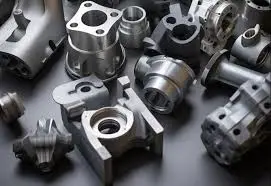
Precision casting represents a revolutionary way to make things that produces very exact metal parts with perfect surface finishes and precise specs for size. With this advanced method, which is also called investment casting or lost-wax casting, it is possible to make shapes that are very complicated and would be hard or impossible to make with normal methods. Precision casting has changed the way industries make parts by using exact mold-making methods and controlled material properties. This is especially true for industries that need high-performance parts with complicated designs and strict quality standards.
Understanding Precision Casting: Definition and Process
When it comes to modern manufacturing, investment casting is one of the most advanced ways to shape metal. By shaping a clay shell around a wax figure and then melting it away, this method makes metal parts by creating a space for molten metal. The process goes back about 7,000 years, and people in old times used similar techniques to make tools and decorations.
The Step-by-Step Manufacturing Process
The first step in the investment casting process is to make a wax sample that is the same size as the end part. This pattern has all the necessary features, like threads, internal holes, and complicated shapes. For continued use in making patterns, master designs are usually made from metals like aluminum or steel. After the wax design is finished, a clay slurry is used to cover it. In this covering method, clay materials are added one on top of the other several times, and each layer is allowed to dry completely before adding the next. It is important for the ceramic shell to get thick enough to handle the heat and pressure of dumping melted metal.
After the wax models are put together, which are usually set up in tree-like shapes to make casting easier, they are fired to get rid of all the wax. The dewaxing process takes place in special ovens where temperatures rise slowly so that all the wax is removed without hurting the clay shell. After that, the shells are heated to very high temperatures to make them as strong as possible and get rid of any biological materials that are still inside.
Material Capabilities and Control
Stainless steels, carbon steels, aluminum alloys, titanium, and superalloys are just some of the materials that can be used in modern precision casting. To get the best results, each object needs to be handled in a certain way and kept at a certain temperature. For example, to keep the mechanical qualities and corrosion resistance of stainless steel molds, the temperature must be carefully controlled during forming and cooling. Compared to subtractive manufacturing methods, this process makes very good use of materials and creates very little waste. Because of this, investment casting is a good choice for sustainable manufacturing projects because it saves money and is better for the earth.
Advantages of Precision Casting Over Traditional Methods
There are big benefits to using investment casting instead of other methods of making things, especially when complicated shapes and close tolerances are needed. The process gets rid of a lot of extra steps and produces better surface finishes and more accurate measurements.
Superior Precision and Surface Quality
Casts made with ceramic shell molding have surface finishes that are between 63 and 250 microinches Ra, which is a lot smoother than casts made with sand. By cutting down on or getting rid of the need for heavy machining, this better surface quality saves money and cuts down on wait times. The closest measurements that can be made with investment casting are usually within ±0.003 to ±0.005 inches per inch, but this depends on the metal and the shape of the part. These close standards make straight assembly possible in many situations without the need for extra machining. This speeds up production and lowers the cost of making things.
Design Flexibility and Complex Geometries
Investment casting is great for making parts with thin walls, complicated internal passageways, and complicated exterior features. The process can make parts with walls as thin as 0.040 inches and still keep their structural integrity. This feature is especially useful in aircraft uses that need to cut down on weight. Undercuts, internal cavities, and multiple planes can all be made with this method, which doesn't need complicated tools or building steps. Parts that usually need to be welded or mechanically joined can be cast as a single piece, which gets rid of possible weak spots and lowers the cost of putting the parts together.
Cost-Effectiveness in Production
Investment casting may have higher starting costs for tools than some other options, but as production rates rise, the process becomes more cost-effective. Overall cost savings come from getting rid of unnecessary secondary processes, wasting less material, and only needing minimal machining. The process is most cost-effective for parts that weigh between 0.1 and 150 pounds, but it can also be used for heavier parts. For investment casting, the most cost-effective range of uses is usually between 25 and 10,000 pieces per year.
Applications and Industry Use Cases of Precision Casting
In many fields where part dependability and accuracy are very important, investment casting plays a key role. The aircraft industry is one of the biggest buyers of precisely cast parts. Turbine blades, structural parts, and engine parts are all made using this method.
Aerospace and Defense Applications
When produced through investment casting, turbine blades work exceptionally well in harsh operating situations. These parts have to be able to handle temperatures above 2,000°F without losing their shape or becoming thermally fatigued. The process makes it possible to make complicated cooling channels inside turbine blades, which boosts their performance and increases their useful life. The ability of Precision casting to reduce weight is useful for structural aircraft parts. Parts can be made with hollow parts and better material spread, which lowers the weight of the whole airplane while still meeting the needed strength standards. This decrease in weight immediately leads to better fuel economy and more cargo space.
Medical Device Manufacturing
Investment casting is a common way for the medical device business to make surgical tools, orthopedic implants, and parts for diagnostic equipment. The process gives the precise measurements and smooth surface finish needed for these important uses, and it can work with safe metals like titanium and stainless steel. When orthopedic implants are made by investment casting, they can have complicated surface patterns and internal structures that help the bone fuse with the implant. The process makes it possible to make implants that are unique to each patient and have shapes that are best for their body.
Automotive and Industrial Applications
When efficiency and weight reduction are important, automakers use investment casting for engine parts, gearbox parts, and chassis elements. The process makes it possible to make parts with better material spread and built-in features that would normally need to be put together. In the industrial world, it is used to make pump parts, valve bodies, and specialized tools that need to be resistant to rust and accurate in size. The process works with the high-strength metals needed for these tough jobs and gives them the accuracy they need to do their job right.
How to Choose Reliable Precision Casting Suppliers and Manufacturers?
To find the right investment casting provider, you need to carefully look at a number of things, such as their technical skills, quality processes, and production capacity. A supplier's knowledge of certain metals and uses is often just as important as their ability to cast in general.
Essential Qualification Criteria
Quality certifications are a basic need for considering possible sources. Certifications like ISO 9001:2015 show that a company is dedicated to quality management systems, while certifications specific to a field, like AS9100 for aircraft or ISO 13485 for medical products, show that the company has specialized knowledge. The size ranges, number capacities, and material knowledge of the production skills must match the needs of the project. Suppliers should show that they have experience with the metals and shapes that you need for your uses. This should be backed up by case studies and customer references.
Geographic and Supply Chain Considerations
The position of a supplier affects lead times, shipping prices, and how well people can communicate. Global sourcing can save you money, but having suppliers close to your business may help with teamwork, quality control, and managing supply chain risk. Being able to communicate well and understand each other's cultures is important for long-term partnerships to work. Suppliers should be able to show that they know how to work with you and your chosen business practices and languages. They should also have set processes for working together on designs and reporting on quality.
Technical Support and Engineering Services
Leading investment casting providers offer full technical support, including services for improving designs, choosing materials, and making prototypes. These skills can have a big effect on the success of a project, especially when it comes to developing a new product. The supplier's ability to give feedback on Design for Manufacturing (DFM) helps improve the plans for parts for the investment casting process. When people work together, quality often goes up, costs go down, and development times get faster.
Future Trends and Innovations in Precision Casting
The investment casting business is always changing because of new technologies and shifting market needs. Digital tools are changing old ways of doing things, and new materials are making them more useful.
Digital Manufacturing Integration
Pattern making for Precision casting is changing a lot thanks to three-dimensional printing technology. Rapid development lets you make changes to your idea more quickly, and for low-volume uses, it lowers the cost of making tools. Some companies are looking into straight 3D printing of ceramic shells, which could get rid of the need for wax models altogether. Software that models and simulates things on a computer makes it easier to control processes and predict quality. Before the real production starts, these tools let you try casting designs virtually, find possible flaws, and make locking systems work better.
Sustainability and Environmental Considerations
Investment casting methods are always changing because of new rules about the environment and efforts by businesses to be more environmentally friendly. Recycling programs for ceramic shell materials cut down on trash, and kilns that use less energy also have less of an effect on the earth. In many situations, water-based clay slurries can be used instead of alcohol-based systems. This lowers the release of toxic organic compounds and makes the workplace safer. These changes are in line with world goals for sustainability and keep high standards for casting.
Advanced Materials and Applications
New uses in areas like advanced technology, electric cars, and green energy make it necessary for materials to have new properties. Investment casting suppliers are getting better at using specialized alloys like high-temperature superalloys, lightweight materials, and formulas that don't rust. More designs are possible now that there are additive manufacturing materials made just for investment casting. These materials make it possible to make complex internal shapes and features that are combined, which wasn't possible before.
Conclusion
Precision casting is still changing the way many businesses make things because of its precision, design freedom, and ability to work with different materials. The process makes it possible to make parts that would be difficult or too expensive to make any other way, and the parts are of higher quality and work better. Investment casting is still important for businesses that need high-performance parts with complicated shapes and strict quality standards, even though digital technologies and new materials are making more uses possible.
FAQWhat materials can be used in investment casting?
Stainless steels, carbon steels, aluminum alloys, titanium, nickel-based superalloys, cobalt alloys, and valuable metals are just some of the metals and alloys that can be cast. The choice of material is based on the needs of the product, such as the temperature, hardness, and resistance to corrosion. Titanium and superalloys are used in aircraft and medicine, while grades 316, 17-4 PH, and CF8M of stainless steel are widely used in industry.
How long does the investment casting process take?
Investment casting lead times are usually between 4 and 12 weeks, but they can be longer or shorter based on the complexity of the part, the amount of material needed, and the number of production runs. Pattern development takes two to four weeks, and casting production takes one to three weeks. Some materials and shapes have minimum processing times that must be met for quality reasons, but rush orders can be handled with faster processing.
What is the difference between precision casting and investment casting?
Investment casting and precision casting are both terms for the same production process. "Precision casting" is a more general term for the accuracy that can be achieved with investment casting. In the lost-wax method, clay shells are made around wax designs. Both words are used to describe this process. One term may be more common in some areas than others because of how people talk about things in that business, but the basic process stays the same.
Partner with Welong for Your Investment Casting Requirements
Welong has been managing foreign supply chains and making precision castings for 20 years, which makes us your reliable partner for making complicated metal parts. Our ISO 9001:2015-certified processes guarantee consistent quality, and our engineering team uses AutoCAD, Pro-Engineering, and SolidWorks to help with all aspects of design. We are experts at making custom metal parts from drawings and samples for big companies in the oil drilling, aircraft, automobile, and medical device industries. Get in touch with us at metal@welongpost.com to talk about your needs for a precision casting provider. Our team is reliable, and over 100 customers in Europe, North America, and the Asia-Pacific region trust us.
References
1. Campbell, J. "Complete Casting Handbook: Metal Casting Processes, Techniques and Design." Oxford: Butterworth-Heinemann, 2015.
2. Davis, J.R. "ASM Specialty Handbook: Cast Irons." Materials Park: ASM International, 2016.
3. Investment Casting Institute. "Investment Casting Design Guidelines and Process Specifications." Dallas: ICI Technical Publications, 2018.
4. Monroe, R.W. "Foundry Technology Sourcebook." American Foundry Society, 2017.
5. Stefanescu, D.M. "Science and Engineering of Casting Solidification." New York: Springer International Publishing, 2015.
6. Viswanathan, S. "Investment Casting Technology: Principles and Applications." Materials Research Society, 2019.

Share your inquiry, get the quotation accordingly!
China WELONG- Your Reliable Partner in Metal Solutions