Open Die vs Closed Die Forging: A Comprehensive Comparison
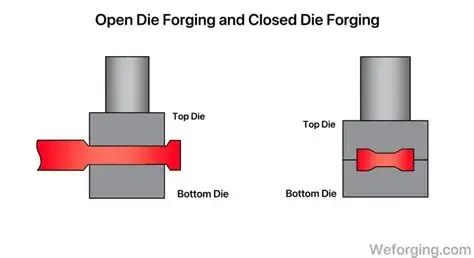
When selecting the optimal forging method for industrial applications, understanding the fundamental differences between open die forging and closed die forging becomes crucial for procurement decisions. Open die forging utilizes simple tooling without complete enclosure, allowing metal to flow freely during the shaping process. Conversely, closed die forging employs precisely machined dies that completely enclose the workpiece, creating net-shape or near-net-shape components. The choice between these metalworking techniques significantly impacts cost, quality, lead times, and manufacturing capabilities for your specific requirements.
Understanding Open Die Forging Fundamentals
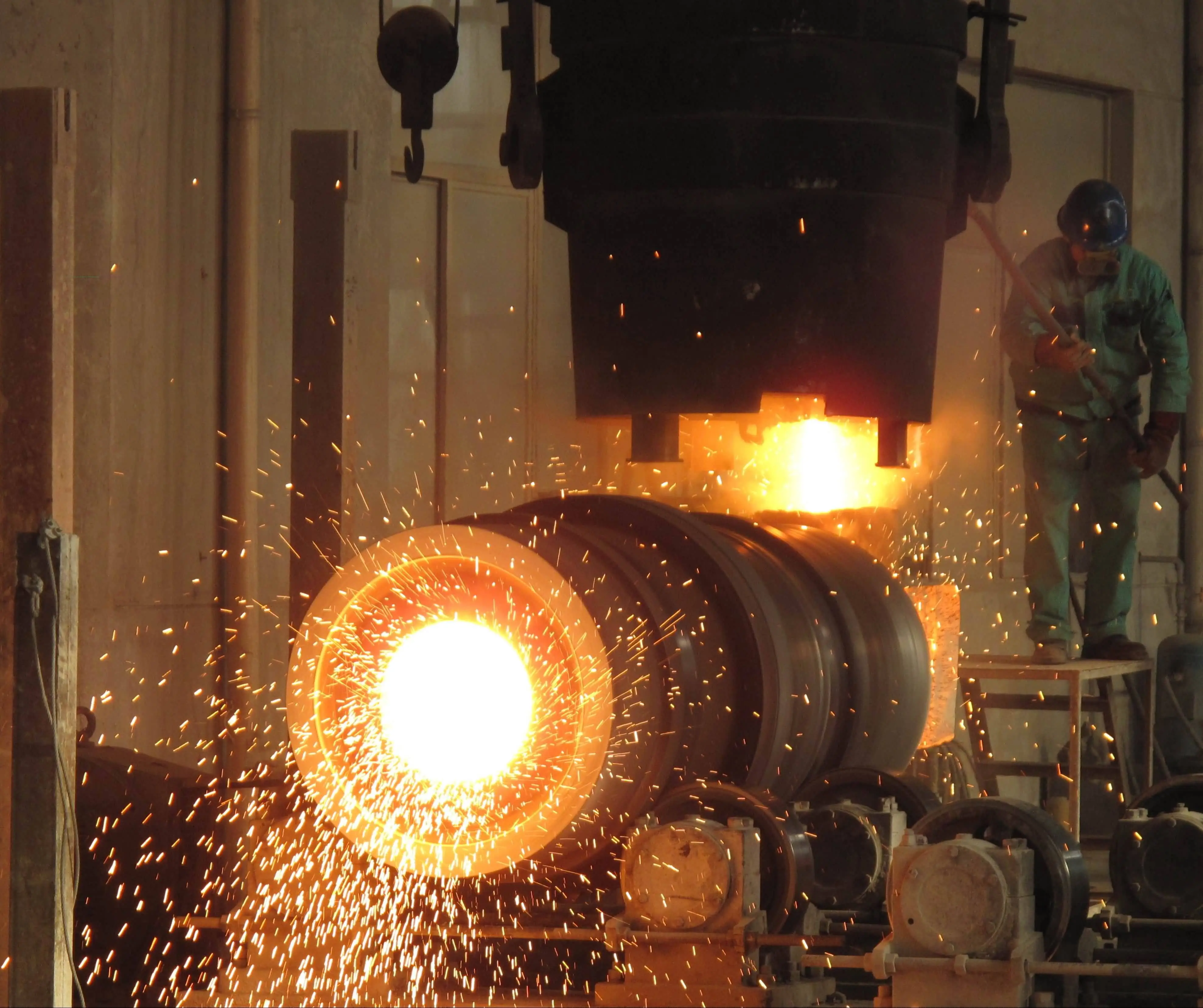
Open die forging represents one of the oldest and most versatile metal forming processes in industrial manufacturing. This technique involves placing heated metal billets between flat or simple-shaped dies, allowing the material to flow freely without complete geometric constraints.
The process begins with heating the metal billet to forging temperature, typically between 1,800°F to 2,300°F for steel alloys. The heated material undergoes controlled compression through hydraulic presses or hammer forging equipment, gradually shaping the workpiece through multiple heating and working cycles.
Key characteristics of this forging process include:
- Unlimited size capabilities - Components can range from small precision parts to massive industrial forgings exceeding 100 tons
- Flexible tooling requirements - Simple dies reduce initial investment and setup costs
- Superior grain flow - Continuous metal deformation creates excellent mechanical properties
- Customizable dimensions - Each piece can be tailored to specific engineering requirements
The hot forging environment ensures optimal metal deformation while maintaining material integrity. This approach proves particularly valuable for aerospace components, oil drilling equipment, and high-pressure vessel applications where material strength becomes paramount.
If you need large, unique components with exceptional strength characteristics, then open die forging offers unmatched flexibility and performance capabilities.
Exploring Closed Die Forging Technology
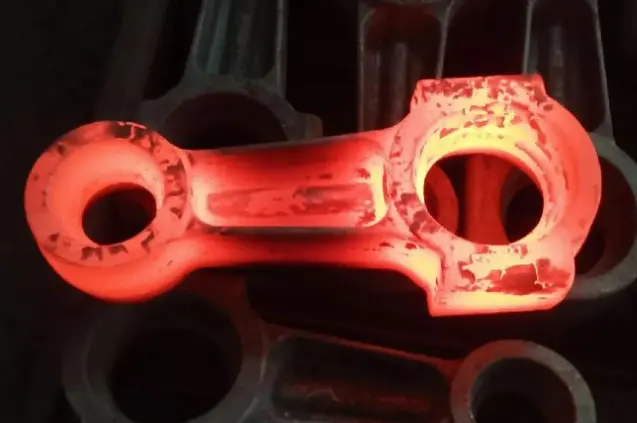
Closed die forging, also known as impression die forging, employs precisely machined dies that completely surround the workpiece during the shaping metal process. This advanced forging technique delivers exceptional dimensional accuracy and surface finish quality.
The manufacturing process involves heating metal billets to optimal forging temperature, then placing them within custom-designed die cavities. Forging presses or hammers apply tremendous force, causing the material to flow into every detail of the die design. Excess material forms flash around the parting line, which requires subsequent trimming operations.
Critical advantages of closed die technology include:
- Dimensional precision - Tolerances achievable within ±0.005 inches for many applications
- Excellent surface finish - Reduces or eliminates secondary machining requirements
- Material efficiency - Minimal waste compared to other metalworking processes
- High production rates - Automated systems enable rapid manufacturing cycles
Modern forging equipment incorporates sophisticated controls for temperature, pressure, and timing parameters. This precision ensures consistent mechanical properties across production runs while maintaining strict quality standards demanded by automotive and medical device industries.
If you need high-volume production with tight tolerances and minimal machining requirements, then closed die forging provides optimal cost-effectiveness and quality consistency.
Performance Comparison: Technical Specifications
Understanding the technical differences between these forging techniques helps procurement managers make informed sourcing decisions. Real-world performance data reveals distinct advantages for each approach across multiple criteria.
Dimensional Accuracy Analysis:
- Open die forging: ±0.125 inches typical tolerance range
- Closed die forging: ±0.005 to ±0.030 inches achievable tolerance range
- Surface finish variation: Open die (125-500 μin Ra) vs. Closed die (32-125 μin Ra)
Mechanical Properties Comparison:
Testing conducted on AISI 4140 steel forgings demonstrates measurable differences in material characteristics:
- Tensile strength: Open die forgings achieve 145,000-160,000 PSI
- Closed die forgings: 140,000-155,000 PSI tensile strength
- Impact resistance: Open die specimens show 15-25% higher Charpy V-notch values
- Fatigue life: Closed-die components demonstrate superior surface-initiated fatigue resistance
Production Efficiency Metrics:
- Setup time: Open die requires 2-4 hours vs. closed die 8-24 hours
- Tooling costs: Open die $5,000-15,000 vs. closed die $25,000-100,000+
- Lead times: Open die 4-8 weeks vs. closed die 8-16 weeks for new tooling
These performance indicators highlight the importance of matching forging process selection to specific application requirements and production volumes.
Cost Analysis and Economic Considerations
Economic factors play a decisive role in forging process selection, particularly for medium to large enterprises managing global supply chains. Understanding the total cost of ownership helps optimize procurement strategies.
Initial Investment Requirements:
Open die forging presents lower barriers to entry:
- Tooling investment: $5,000-20,000 for basic setups
- Setup costs: Minimal due to simple die requirements
- Engineering development: 40-80 hours, typical project scope
Closed die forging demands substantial upfront investment:
- Die development: $25,000-150,000 depending on complexity
- Design validation: 120-300 engineering hours
- Prototype iterations: Multiple cycles often required
Per-Unit Production Economics:
Volume thresholds significantly impact cost-effectiveness:
- Low volume (1-100 pieces): Open die advantages range from 30-60% cost savings
- Medium volume (100-1,000 pieces): Break-even typically occurs around 200-300 units
- High volume (1,000+ pieces): Closed die achieves 15-40% lower unit costs
Secondary Operations Impact:
Machining requirements substantially influence total project costs:
- Open die forgings: 40-70% material removal is typical
- Closed die forgings: 10-30% material removal required
- Labor content: Open die requires 2-4x additional machining hours
If you need prototype development or small production runs, then open die forging delivers superior economic value through reduced tooling investment and faster project initiation.
Quality Control and Compliance Standards
Quality assurance becomes paramount when sourcing customized metal parts for critical industrial applications. Both forging processes offer distinct quality characteristics that impact inspection requirements and compliance verification.
Metallurgical Properties:
Open die forging excels in achieving superior grain flow patterns through controlled metal deformation. The unrestricted material flow creates continuous grain boundaries that enhance mechanical properties, particularly impact resistance and fatigue life. Non-destructive testing reveals fewer internal discontinuities compared to alternative manufacturing methods.
Closed die forging provides consistent metallurgical properties through precise temperature and pressure control. The contained deformation environment ensures uniform material characteristics across production runs, supporting statistical process control implementation.
Inspection and Testing Protocols:
ISO 9001:2015 compliance demands rigorous quality verification:
- Dimensional inspection - Coordinate measuring machines verify geometric accuracy
- Material testing - Tensile, hardness, and impact specimens validate mechanical properties
- Non-destructive evaluation - Ultrasonic testing detects internal defects
- Chemical analysis - Spectrographic verification ensures alloy composition compliance
Documentation and Traceability:
Complete material traceability supports aerospace, medical device, and oil drilling industry requirements. Heat treatment records, chemical certifications, and mechanical test reports accompany each shipment, ensuring compliance with international quality standards.
If you need superior impact resistance and fatigue performance for critical applications, then open die forging delivers enhanced metallurgical properties through optimized grain flow characteristics.
Application-Specific Recommendations
Selecting the appropriate forging process requires careful consideration of application requirements, production volumes, and performance specifications. Industry-specific demands guide optimal technology selection.
Aerospace and Defense Applications:
Open die forging dominates large structural components where material integrity outweighs dimensional precision. Landing gear components, engine shafts, and pressure vessel applications benefit from superior grain flow and enhanced mechanical properties. The ability to produce unique configurations without expensive tooling supports prototype development and small production runs.
Automotive Industry Requirements:
Closed die forging serves high-volume automotive applications requiring dimensional consistency and minimal machining. Connecting rods, crankshafts, and suspension components leverage precise die control for cost-effective production. Automotive suppliers value the predictable quality and reduced secondary operations.
Oil and Gas Drilling Equipment:
Harsh operating environments demand exceptional material properties achievable through open die forging. Drill collars, valve bodies, and wellhead components require superior impact resistance and fatigue life. The flexibility to accommodate custom designs supports specialized drilling applications.
Medical Device Manufacturing:
Both processes serve medical applications depending on specific requirements. Surgical instruments benefit from closed die precision, while implant components may require open die forging for enhanced biocompatibility and strength characteristics.
If you need custom configurations for specialized applications, then open die forging provides unmatched design flexibility and superior material properties for critical performance requirements.
Supply Chain Considerations and Global Sourcing
Effective supply chain management becomes crucial when sourcing forged components from international suppliers. Understanding regional capabilities and quality standards helps mitigate procurement risks while accessing cost-effective manufacturing.
Manufacturing Infrastructure:
China's forging industry offers extensive capabilities across both open die and closed die technologies. Modern facilities incorporate advanced forging equipment, automated material handling, and sophisticated quality control systems. Leading suppliers maintain ISO 9001:2015 certification and implement lean manufacturing principles.
Technical Support and Engineering Collaboration:
Successful international sourcing requires robust engineering support for design optimization and manufacturing feasibility analysis. CAD file compatibility, material selection guidance, and process recommendations enhance project outcomes while reducing development timelines.
Quality Assurance and Risk Mitigation:
Comprehensive supplier qualification programs ensure consistent quality and delivery performance:
- Facility audits verify manufacturing capabilities and quality systems
- First article inspections validate dimensional and metallurgical requirements
- Ongoing monitoring tracks performance metrics and continuous improvement
Communication and Project Management:
Transparent communication protocols facilitate effective collaboration across time zones and cultural differences. Regular project updates, technical clarifications, and proactive issue resolution support successful long-term partnerships.
If you need reliable China supply chain management with strict quality control, then partnering with experienced international suppliers provides access to cost-effective, high-precision manufacturing capabilities.
Conclusion
The choice between open die forging and closed die forging depends on balancing multiple factors, including production volume, dimensional requirements, material properties, and cost considerations. Open die forging excels for low-volume, high-strength applications requiring design flexibility, while closed die forging optimizes high-volume production with dimensional precision. Understanding these fundamental differences enables procurement managers to select the optimal forging process for their specific requirements, ensuring successful project outcomes while managing supply chain risk and maintaining quality standards.
Partner with Welong for Your Open Die Forging Requirements
Welong stands as your trusted open die forging supplier with over two decades of proven experience serving global industrial manufacturing leaders. Our ISO 9001:2015 certified facilities deliver customized metal parts based on your drawings and samples, backed by comprehensive engineering support and transparent communication throughout every project phase.
Our specialized capabilities span aerospace, automotive, oil drilling, and medical device applications, ensuring your critical components meet exacting international standards. Contact our engineering team atmetal@welongpost.com to discuss your specific forging requirements and discover cost-effective solutions that reduce sourcing risk while maintaining superior quality and on-time delivery performance.
References
1. Altan, T., Ngaile, G., & Shen, G. (2004). Cold and Hot Forging: Fundamentals and Applications. ASM International, Materials Park, Ohio.
2. Beddoes, J., & Bibby, M. J. (1999). Principles of Metal Manufacturing Processes. Industrial Press, New York.
3. Dieter, G. E., Kuhn, H. A., & Semiatin, S. L. (2003). Handbook of Workability and Process Design. ASM International Handbook Committee.
4. Groover, M. P. (2010). Fundamentals of Modern Manufacturing: Materials, Processes, and Systems. John Wiley & Sons, Hoboken, New Jersey.
5. Lange, K., Cser, L., Geiger, M., & Kals, J. A. (1992). Tool Life and Tool Quality in Bulk Metal Forming. CIRP Annals - Manufacturing Technology, Volume 41, Issue 2.
6. Semiatin, S. L., & Jonas, J. J. (1984). Formability and Workability of Metals: Plastic Instability and Flow Localization. American Society for Metals, Metals Park, Ohio.

Share your inquiry, get the quotation accordingly!
China WELONG- Your Reliable Partner in Metal Solutions