Is sand casting still used?
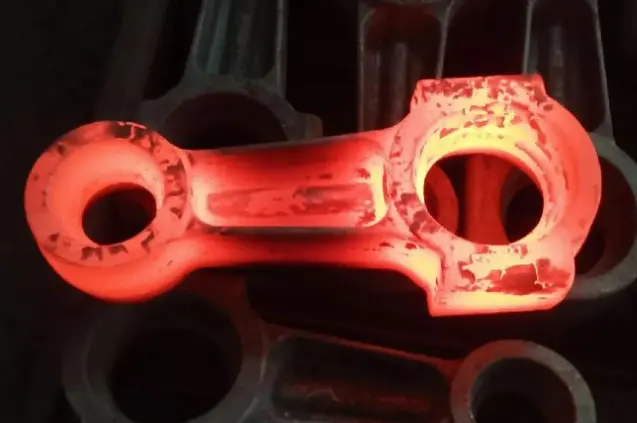
Sand casting is not only still used but remains one of the most widely adopted metal forming processes in modern manufacturing. This century-old technique continues to deliver exceptional value across industrial sectors—from automotive and aerospace to oil drilling and medical devices—because it balances cost-effectiveness with remarkable design flexibility. Its ability to produce complex geometries in various alloys, coupled with minimal tooling investment, ensures sand casting occupies a strategic position in global supply chains today.
Understanding Sand Casting: How It Works and Why It Endures
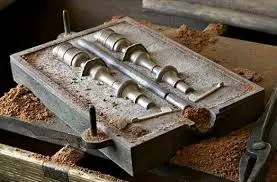
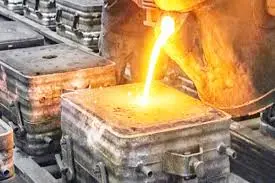
Sand casting is a technique that involves pouring liquid metal into a model made of sand to produce complex shapes. The simple way it works is what makes it so appealing: patterns are made, sand is packed down around them, the pattern is taken off to leave a hole, and liquid metal fills that hole. This process is amazing because it turns simple materials into precise parts that power important machines around the world.
Green Sand Versus Resin Sand Systems
Green sand, which is naturally wet and can be used again and again, and resin sand, which has chemical agents that make it more precise, are the two main types of sand used. What "green sand" really means is a wet mixture of high-quality silica sand, about 10 percent bentonite clay, 2 to 5 percent water, and about 5 percent sea coal that is used to improve the finish of castings. This mix makes the sand keep its shape right after it's been packed down, which makes it easy to make molds quickly for casting iron. Instead of clay, resin sand systems use dry sand bound with fast-curing glue. This makes the dimensions more accurate and the surface smoother. We've seen that buying teams choose green sand for bigger, simpler parts where cost-effectiveness is most important. On the other hand, resin sand is needed for parts with better specs and less post-casting machining.
Metal Compatibility and Material Selection
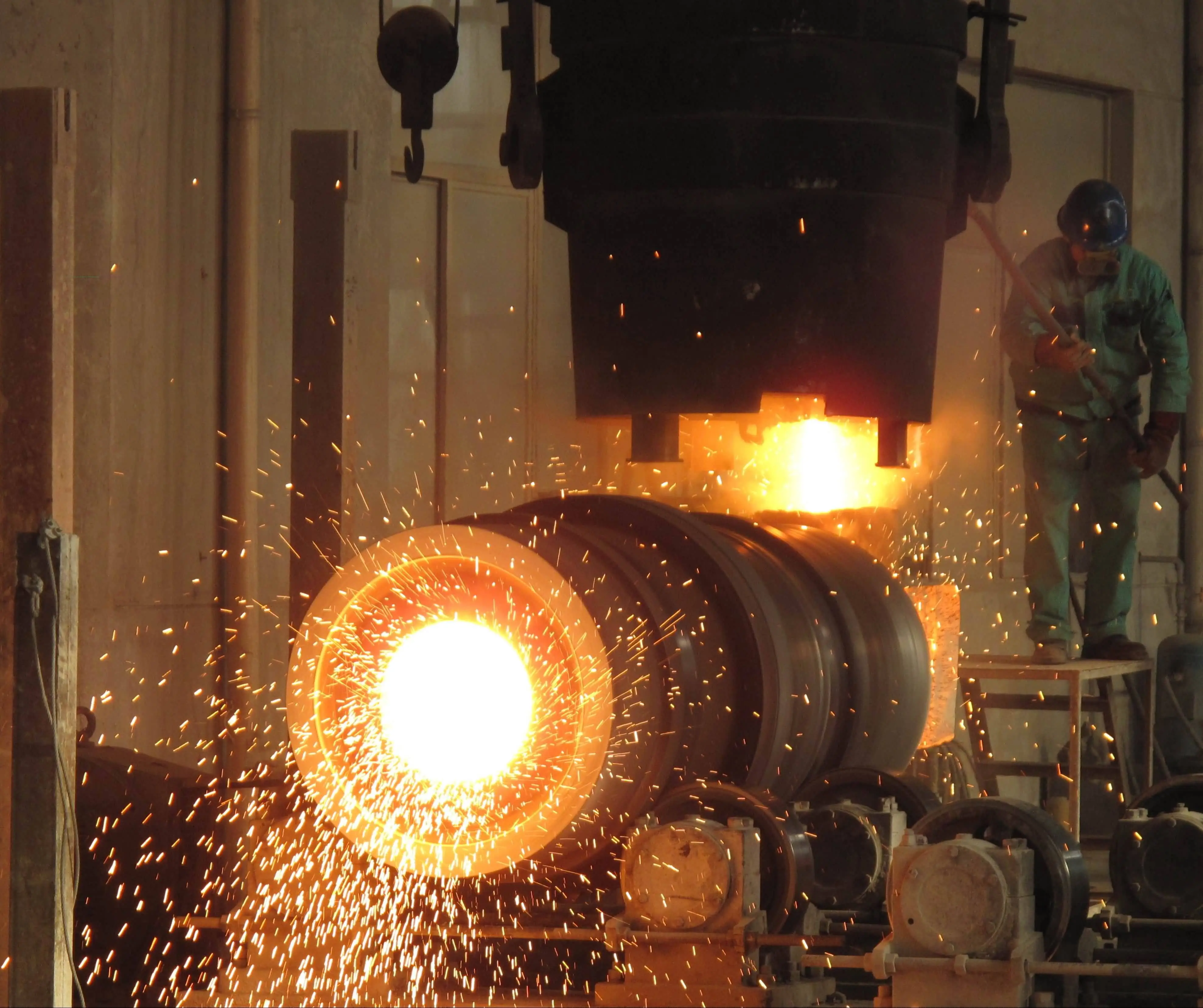
Cast iron, aluminum, brass, and steel are all common metals that are used in many industries. Because it is so fluid and damp, cast iron is perfect for engine blocks and machine bases. Aluminum alloys are very strong for how light they are, which is important for aircraft uses. Brass is good for valve bodies and parts because it doesn't rust. For big machine parts used in oil pumping, steel castings keep the structure strong. The process can handle this wide range because sand molds can handle the high temperatures needed—some metals can pour at more than 1,500 degrees Celsius. This ability to work with a wide range of temperatures is a big plus compared to methods like die casting, which can only use certain materials because of tool steel limitations.
Addressing Quality Challenges
Even though it has problems with surface finish and accuracy of dimensions, it is a popular choice because it is cheap and can be used for complicated forms. Along with quality control methods, knowing about typical flaws like porosity and misruns is important for a good implementation. Misruns happen when the metal doesn't fill the cast fully because the temperature or pouring speed wasn't high enough. Porosity is usually caused by trapped gases or shrinkage during solidification. We use strict screening procedures that include looking at something visually, checking the dimensions, and using non-destructive testing methods. Setting clear quality standards with your manufacturing partner, especially ISO 9001:2015 approval, makes everyone responsible and cuts down on rejections by a large amount.
Key Applications and Industry Insights: Why Sand Casting Remains Relevant
Due to its scalability and flexibility to technical needs like mold preparation and thermal management, sand casting plays an important role in the automobile, aircraft, and industrial equipment industries. This method is used in the car industry to make transmission housings, engine heads, and suspension parts that need to be made in large quantities with complex designs.
Industry-Specific Advantages
Sand casting is a popular way for aerospace makers to make parts out of aluminum and magnesium alloys because it reduces weight, which directly affects fuel economy. Being able to cast features as mounting bosses, cooling channels, and structural ribs into a single part gets rid of the need for assembly and possible failure spots. For oil and gas digging, you need cast steel parts that can handle high temperatures and harsh conditions. Sand casting can make thick-walled parts with consistent mechanical qualities, which is useful for making valve bodies, pump housings, and parts for drilling tools. We've worked with a lot of companies that make drilling tools that need the grain structure and integrity that good sand casting technique provides.
Comparative Process Analysis
Sand casting has lower production costs than other options like investment casting or die casting. This is especially true for small to medium quantities or big, complicated parts. Investment casting gives you a better surface finish and more accurate measurements, but it costs a lot more to make the molds and takes longer to get them to you. Die casting is great for making a lot of small parts, but it needs expensive tools that are only worth it when you make more than 5,000 to 10,000 units. The economic tipping point usually happens around 500 to 1,000 units per year, where the low cost of sand casting's tools beats the extra cost of machining to get the finished dimensions. We often tell procurement managers that while higher-volume gear is being made, sand casting could be a good option for trial runs or bridge production.
Technological Evolution
New technologies, such as 3D sand printing and advanced modeling software, are making things more accurate and efficient, and new, environmentally-friendly ways of doing things are reducing their effect. Three-dimensional printing can now make sand molds straight from CAD files, which cuts down on the time needed to make patterns and makes it possible to make shapes with more complicated shapes than were possible before. Simulation software can guess how metal will move, how it will solidify, and where defects might appear before any metal is poured. This cuts down on trial-and-error processes by a huge amount. Closed-loop sand recovery methods that get back and use up to 95% of the sand from green sand operations have made environmental care better. This changing environment keeps sand casting useful in modern supply chains and manufacturing while meeting the needs of sustainability requirements that are becoming more important to corporate purchasing policies.Looking for custom sand casting components? We can provide you with a fast quote.
Sand Casting Procurement: How to Source Quality Materials and Services
To make buying more efficient, you need to know about basic materials like sand types, mold parts, and pattern materials, and you should also look at sellers' quality and dependability. For sourcing to work, you need to do more than just compare prices; you also need to do a full review of your capabilities. If procurement workers know about these things, they can find sand casting services that meet their production goals, cost aims, and quality standards.
Material Quality Standards
The surface finish and mold porosity are directly related to the size of the sand grains. Finer grains (AFS 90–120) make surfaces smoother but make it harder for gas to escape, while coarser grains (AFS 40–60) make bigger casts more permeable. Patterns can be made from wood for prototypes or metal for mass production. Each has a different cost-to-durability ratio. In resin sand methods, binder systems have a big effect on how accurate the measurements are and how strong the mold is. Phenolic urethane, furan, and ester-cured systems all have different working times, strengths, and how they react to different environments. We suggest that you talk to possible sellers about your exact measurement tolerance needs to make sure that their material systems match your requirements.
Supplier Evaluation Criteria
When choosing a foundry, it's important to look at their licenses, their production skills, and where they are located. The best foundries are spread out across the USA, Europe, and the world's markets. ISO 9001:2015 certification is a basic way to make sure that a quality system works, while industry-specific standards like AS9100 for aerospace or IATF 16949 for cars show that the system can do specific things. An evaluation of a manufacturing capacity should look at the melting tools, mold-making systems, heat treatment facilities, and the ability to machine parts. Integrated providers that offer full services from making patterns to finished products usually have shorter lead times and make it easier to see who is responsible for what.
Pricing Structure Considerations
Prices depend on the size of the order, how complicated it is, and the level of service, such as pattern making, finishing, and review. Pattern costs are the most one-time costs. Simple wooden patterns cost a few hundred dollars, while complicated metal pattern tools cost tens of thousands of dollars. This investment is spread out over a larger number of goods, which creates economies of scale. The price of each casting depends on the type of metal used, its weight, how complicated the mold is, and what finishing steps are needed. Because they require less heating energy and materials, aluminum castings usually cost 40 to 60 percent less than steel castings of the same size.
Designing for Sand Casting: Best Practices and Technical Advice
For sand casting to work, the pattern and model must be carefully designed, taking into account allowances and the size of the sand grains to get the best surface finish and mold stability. We've looked at thousands of component designs and have seen over and over that sellers and foundries working together early on in the engineering process keeps expensive redesigns from happening later.
Pattern Design Fundamentals
Draft angles, which are usually between 1 and 3 degrees, let you remove patterns without hurting the sand mold. When there isn't enough draft, mold tears happen, which leave surface flaws on casts. Different cooling rates can cause internal pressures and cracks, but walls with the same thickness stop this from happening. We suggest that wall thickness ratios stay below 2:1 as much as possible.
Metal Selection and Thermal Management
If you match the right metal to the right casting temperature, you can reduce flaws and make sure the structure is reliable and the dimensions are correct. When poured at temperatures around 700 degrees Celsius, aluminum alloys like 356 and A380 are very easy to shape. But when poured at temperatures around 1,600 degrees Celsius, steel grades need special refractory materials and pouring skills.
Process Optimization Strategies
Process improvements, like getting the mold ready and keeping the temperature stable, are very important for getting better surface quality and fewer mistakes. To make sure the mold is strong enough to withstand the pressure of the metal during filling, it is hardness tested. Monitoring the temperature during pouring within small windows stops both cold shuts from not having enough heat and too much grain growth from being too hot.
Future Trends and Strategic Considerations for B2B Buyers
Sand casting is still changing as robotics and additive manufacturing become more integrated, not completely removing or lessening its usefulness, but rather enhancing the process. Now, automated molding lines can make uniform, high-quality molds faster than traditional human methods. This cuts down on the need for work and makes it easier to do the same thing again and again.
Technology Integration
Robotic metal pouring systems can keep temperatures and pouring rates very accurate, which is hard to do by hand. This is especially helpful for aluminum casting, where consistency directly affects the mechanical qualities. Handling harm and worker exposure to heat and dust are cut down by automated shake-out and cleaning systems.
Supply Chain Strategy
The cost-benefit analysis of sand casting can be used for different production sizes, and it can be added to flexible global supply chains by procurement pros. In bridge production plans, sand casting is used to get the product on the market for the first time, while investments are made in die casting or fixed mold tooling at the same time. This method speeds up the process of making money and gives real-world feedback before finishing plans for high-volume tools.
Sustainability and Compliance
Environmental responsibility through reclaiming sand and cutting down on waste is becoming more and more required, and operating compliance is shaped by legal frameworks. The REACH laws in the European Union and related rules around the world limit the use of certain binder chemicals and their emissions. Foundries that are on the cutting edge buy inorganic binder systems and thermal recovery tools that get rid of organic pollution and reclaim sand.
Conclusion
Due to its ongoing evolution and natural benefits that newer technologies cannot fully imitate, sand casting remains a crucial manufacturing process. Because of its unique mix of design freedom, material versatility, and low cost, it is useful in a wide range of industrial settings. If procurement workers know what sand casting can and can't do, they can use it wisely in a wider range of manufacturing processes to meet cost, quality, and time-to-market goals. The process will keep changing as new technologies are added, but it will still have the basic features that have made it useful for hundreds of years.Looking for custom sand casting components? We can provide you with a fast quote.
FAQWhich metals work best for sand casting applications?
Sand casting works well with cast iron, aluminum alloys, brass, bronze, and different types of steel. For machine frames and motor parts, cast iron is a great material for fluidity and damping. Aluminum alloys have high rates of strength to weight, which are important for parts used in aircraft and cars. Heavy equipment needs castings made of steel to keep its structure strong, while valve bodies and naval uses need castings made of brass or bronze to avoid corrosion. The choice is based on the required mechanical properties, the working conditions, and the cost.
How does green sand differ from resin sand in practical applications?
Green sand uses water and clay as binding, which makes it cheap and easy to use again and again for large-scale production. Resin sand uses chemical agents that harden quickly, giving it a better surface finish and accuracy in measurements. Green sand works best for castings that are bigger and less complicated, and only need reasonable margins. Resin sand is needed when tighter tolerances make further grinding impossible or when complex core shapes need to be stronger. We tell our clients to use green sand for jobs that need to be cheap and resin sand when the extra cost is worth it for the accuracy.
What supplier qualifications should procurement teams prioritize?
Getting ISO 9001:2015 approval shows that your quality system works at a basic level. Certifications in a certain field, like AS9100 or IATF 16949, show that you have particular knowledge. Check out the available manufacturing machinery, inspection tools, and tech help. Ask for case studies from similar programs and, if you can, do facility checks. Communication response and cultural harmony have a big effect on the success of a project, especially when working with people from other countries. Being open about quality measures and limitations on capacity builds trust, which is important for long-term relationships.
Partner with Welong for Reliable Sand Casting Solutions
Welong has been linking global industrial manufacturers with China's precision casting skills for more than twenty years. As an ISO 9001:2015-certified supply chain partner, we take care of everything, from finding new suppliers to making sure the quality of the work is high. This way, we can make sure that your sand casting needs are met to the highest standards for uses in oil drilling, aerospace, cars, and medical devices. Our engineering team uses Auto CAD, Pro-Engineering, and Solidworks to improve designs so they can be made more efficiently based on your plans or models. Over 100 satisfied buyers in the UK, Germany, the USA, Canada, and other places in Europe and the Asia-Pacific region have received handmade metal parts from us. Get in touch with us at metal@welongpost.com to talk about how our large network of sand casting suppliers can lower your buying risk while keeping quality and shipping reliability high.
References
1. Brown, J.R. (2019). Foseco Ferrous Foundryman's Handbook, 11th Edition. Butterworth-Heinemann.
2. Campbell, J. (2015). Complete Casting Handbook: Metal Casting Processes, Metallurgy, Techniques and Design, 2nd Edition. Butterworth-Heinemann.
3. American Foundry Society. (2020). Metalcasting Sustainability Report: Environmental and Economic Benefits of Modern Casting Processes. AFS Technical Publications.
4. Beeley, P.R. & Smart, R.F. (2017). Investment Casting: Precision Casting Processes Compared. The Institute of Materials, Minerals and Mining.
5. Wang, L. & Felicelli, S.D. (2018). Process Modeling in Casting: Overview of Simulation Methods and Recent Developments. International Journal of Metalcasting, Volume 12, Issue 3.
6. European Foundry Association. (2021). Sand Reclamation Technologies and Environmental Compliance in Modern Foundries. EFA Industry Guidelines.

Share your inquiry, get the quotation accordingly!
China WELONG- Your Reliable Partner in Metal Solutions