What are the primary applications of centrifugal casting?
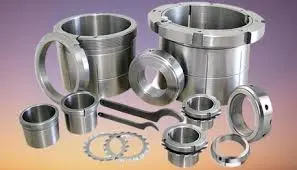
Centrifugal casting is an important process used in many fields to make high-quality circular parts like pipes, tubes, bushings, and rings. This way of making things uses rotational forces to make parts that are very dense and have a uniform structure. This makes it perfect for oil and gas drilling equipment, parts for airplane engines, parts for car transmissions, rolls for industrial machinery, and parts for power turbines. The process naturally gets rid of impurities toward the hole and gives better mechanical qualities than other casting methods. Industries that need precise measurements, metal structures that don't rust, and parts that don't have any flaws always use centrifugal casting to make parts that can work in mission-critical situations around the world under high pressures, temperatures, and mechanical loads.
Understanding Centrifugal Casting and Its Industry Significance
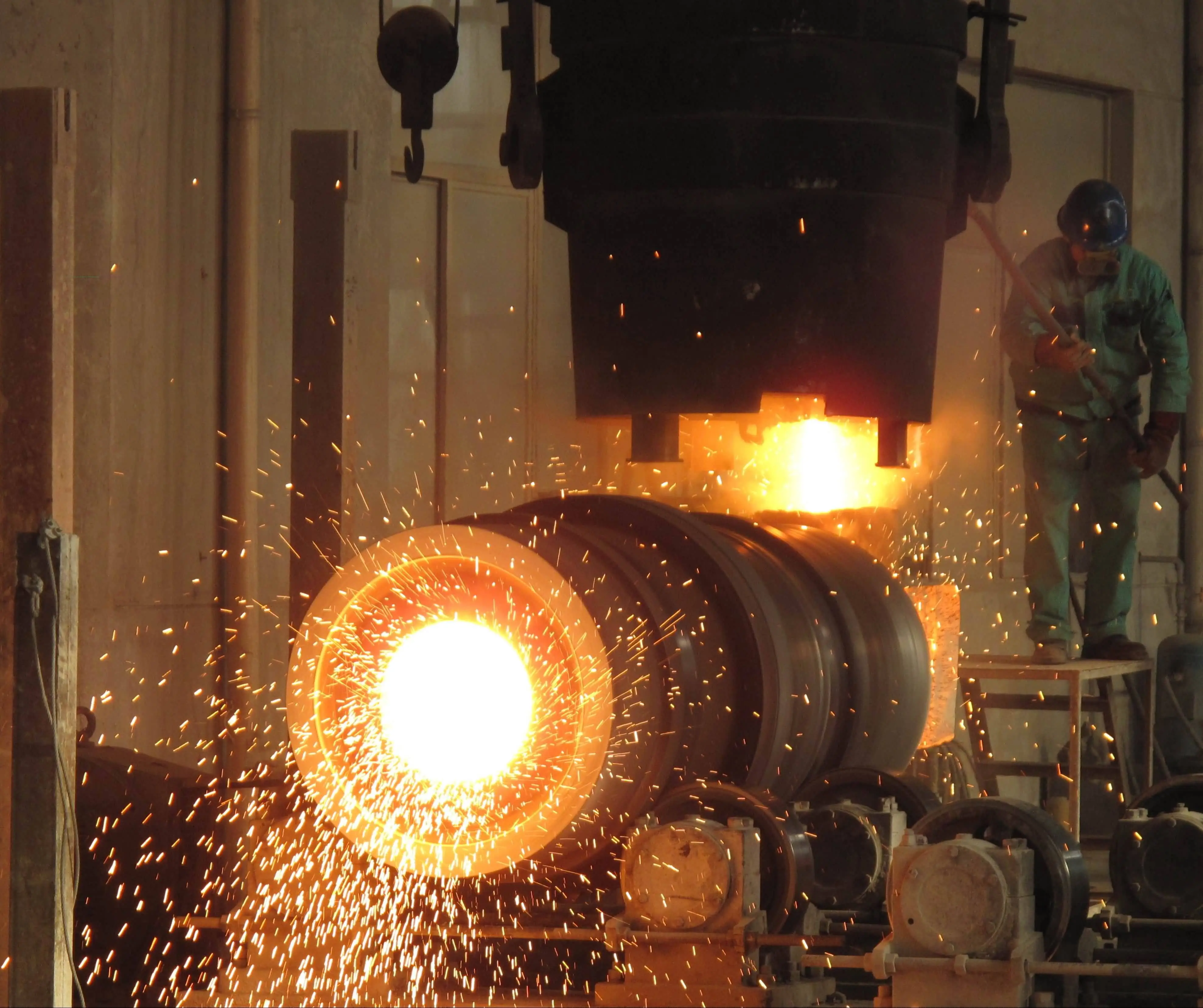
Centrifugal casting is a unique way to make things. Molten metal is poured into a spinning mold, which makes parts with better density, structural stability, and surface finish. In contrast to sand, investment, or die casting, this method uses rolling forces to push flaws inside while spreading metal evenly along the walls of the mold. The method creates pressures that are almost 100 times the force of gravity, which makes the metal have qualities that can't be achieved with static casting methods.
More and more manufacturing workers are choosing this method because it saves materials and gives them better quality control. Unlike forgings or solid castings, this method doesn't need a center core for hollow parts, so it uses less raw material. The material that is cut from the hole can be melted down and used again, which saves money and helps with environmental efforts. Because foundries make parts on-site instead of waiting for mills to send stock materials, lead times are cut down by a large amount.
Key Industrial Applications of Centrifugal Casting
This method of making things can be used in many different areas, and each one takes advantage of its own special benefits for certain part needs. When procurement managers understand these uses, they can find ways to improve the standard of products and the performance of the supply chain.
Oil and Gas Drilling Equipment
Drilling activities need parts that can handle harsh conditions downhole, such as high pressures, corrosive fluids, and rough touch. Centrifugal casting makes drill pipe, casing, and tube products that are better because the walls are all the same width, and they don't rust. The thick, defect-free structure makes it last longer in harsh settings, which cuts down on costly downtime and replacements. Manufacturers in this field like how the process can make tubes that are uniform and have the same mechanical qualities all the way along their lengths.
Aerospace Component Manufacturing
For aerospace uses, the highest standards for materials and exact measurements are needed. The better metallurgical qualities this process gives are good for engine parts like bearing housings, combustion chamber walls, and turbine cases. Aerospace quality standards are very strict, and the lack of porosity and flaws lowers the number of rejects during nondestructive testing checks.
Automotive Industry Applications
Companies that make cars use this method to make gearbox parts, brake drums, cylinder liners, and bearing covers. The improved wear resistance and dimensional stability make it possible for parts to last longer between service visits, which improves the functionality of the car and customer happiness. The ability to make a lot of parts at once fits well with the needs of the car industry for parts that are both cost-effective and of uniform quality.
Industrial Machinery and Heavy Equipment
Industries that make rolling mill equipment, paper machine rolls, and industrial bearings count on this casting method to make long-lasting parts that last a long time. The thick upper surface doesn't wear down easily and keeps its shape even when it's under heavy loads and running all the time. Machinery makers say that these casts save them a lot of money over the course of their lives compared to other ways of making things.
Energy Sector Equipment
Turbine housings, generator sleeves, and heat exchanger tubes are all made with parts that are made through rotary casting. For effective energy production, materials must be stable at high temperatures, resistant to rust, and strong mechanically. The process works well for both traditional and green energy sources because it can handle special materials that don't break down easily in different temperatures or environments.
The Centrifugal Casting Process and Quality Considerations
By understanding how the process works, buying workers can better understand the quality factors that set superior castings apart from inferior goods. For the method to work, it needs to go through several carefully controlled steps.
Process Stages and Control Parameters
The first step in getting ready is choosing the right mold material, such as metal for large production runs or clay for specific uses. Mold preheating sets up the right temperature conditions for the metal to move and solidify properly. To get the best centripetal forces without creating flaws, rotation speed estimates take into account the casting diameter, wall thickness, and alloy properties.
Addressing Common Quality Challenges
Manufacturers need to use strict process management to keep several possible flaws under control. Porosity happens when gas gets caught during solidification, leaving holes in the casting that make it less strong. Gas entrapment can be kept to a minimum by properly preparing the melt, choosing the mold covering, and optimizing the spinning speed. To keep the makeup consistent during metal segregation, where alloying elements cluster in different ways, the temperature must be carefully controlled, and the rotation parameters must be carefully chosen.If you need custom Centrifugal cast parts, feel free to contact us for a quick quotation.
Comparison of Centrifugal Casting With Other Casting Methods
When making choices about what to buy, it's helpful to know how this method of production stacks up against other methods in many performance and cost areas.
Versus Sand Casting for Cylindrical Components
While sand casting lets you be creative with your designs and doesn't cost much to make the tools, it can't match the material density and surface finish that can be achieved with rotating methods. Centrifugal casting makes much denser microstructures, has fewer inclusions, and has better dynamic qualities. This is especially true for cylinder shapes. Getting rid of sand-related flaws and making sure that dimensions are always the same cuts down on milling margins and reject rates.
Cost comparisons show that rotational casting is better for making hollow cylinder parts, even though it requires more money to buy the tools at first. In mid- to high-volume production runs, the cost of the tools is balanced out by the savings in material from getting rid of cores, less machining, and higher outputs. When it comes to lead times, spinning methods usually win out because making molds for circular shapes is easier than using sand.
Compared to Investment and Die Casting
Investment casting works best for complicated shapes and small details, but it can't handle big circular parts. Centrifugal ways can handle much larger diameters and wall thicknesses while still keeping the best qualities of the material. The spinning process can work with more alloys, even ones with high melting points that are hard for investment casting methods to handle.
Die casting is the most common way to make a lot of small parts, but it costs a lot to buy the tools and can only be used with metals with a lower freezing point. Centrifugal casting provides a solution between batch freedom and production efficiency, allowing for cost-effective mid-volume production without the high capital requirements of die casting. By making metal and high-temperature alloys, die casting can be used for more things than just casting.
Production Scale and Economic Considerations
Figuring out the best casting method helps with figuring out the right output number. Centrifugal methods are cost-effective for making anywhere from a few dozen to a few thousand parts, based on their size and complexity. Compared to fixed mold or die casting options, setup times and mold costs are still pretty low, which supports flexible production strategies.
The effects of the supply chain go beyond the direct costs of production. The lower defect rates and uniform quality keep the costs of checking and repair further down the line to a minimum. Just-in-time inventory methods work best when shipping times are known ahead of time. This means that less operating capital is needed. These things play a big role in the total cost of ownership estimates that smart buying departments use to judge the skills of potential suppliers.
Choosing the Right Centrifugal Casting Service Provider
Choosing the right manufacturing partner has a big impact on the success of a project, the quality of the results, and the security of the supply chain in the long run. When choosing a seller, it's important to pay attention to a number of important rating factors.
Technical Capabilities and Equipment
To be good at manufacturing, you need the right tools that can handle the sizes, weights, and output rates of the parts you need to make. Providers should show that they have worked with similar materials before, such as metals that are specifically made for your needs. The dependability and output performance potential of equipment can be seen by how old it is, how often it is maintained, and how much of its capacity is being used. The ability to provide engineering help is what sets exceptional providers apart from basic manufacturing sellers. Look for providers that offer services like design improvement, help with choosing materials, and developing process parameters. Accepting different CAD file formats, such as AutoCAD, Pro-Engineering, and SolidWorks, makes expert conversation easier and lowers the number of mistakes that happen when drawings are misunderstood.
Quality Systems and Compliance Certifications
Getting ISO 9001:2015 approval is a solid sign that your quality management system is mature. Aerospace companies need to be certified to AS9100, while the car industry needs to be certified to IATF 16949. Companies that make medical devices need to be registered with ISO 13485. Make sure that the certifications are still valid and that the scope includes the right materials and production methods. Inspection tools should include the right nondestructive testing gear, methods for measuring sizes, and places to do metallurgical analysis. Relationships with third parties that do testing add extra security to important applications. Systems that keep track of material approvals, process parameters, and test results throughout production make sure that everyone is responsible and help find the root cause of problems when they happen.
Supply Chain Integration and Geographic Considerations
Location affects transportation prices, lead times, and how well people can talk to each other. Cross-border shopping is easier when you buy from a company that has experience with both foreign shipping and customs. Aligning time zones makes it easier to communicate in real time during the development process and to solve problems. Suppliers who have stable ties with sources of raw materials and extra capacity lower the risk of disruptions in the supply chain. When capacity is limited or equipment breaks down, having backup plans like multi-facility operations or established partner networks is helpful. Customers in related fields can give you information about how well the product actually works compared to what the company says it will do.
Customization Capabilities and Responsive Service
Baseline standards include being able to make parts from plans and samples provided by the customer. Value engineering helps better providers offer ideas that lower costs or boost performance while still staying true to the design purpose. Prototype skills that help with development programs show a dedication to long-term partnerships over short-term deals. Responding to technical questions, requests for quotes, and changes to the plan shows that the business is operationally mature and focused on customer service. When providers treat customers like partners instead of order sources, they usually get better results in terms of quality, service, and fixing problems.
Future Trends and Innovations Impacting Centrifugal Casting Applications
Manufacturing technologies keep getting better, which makes processes more flexible, quality more consistent, and businesses more competitive. By keeping up with these changes, effective procurement choices can be made that take advantage of new possibilities.
Automation and Digital Process Control
More and more, modern foundries use automatic systems to control spinning speeds, metal pouring rates, and cooling cycles more precisely than a person could do by hand. Programmable logic controls and industrial Internet of Things monitors make tracking and adjusting possible in real time, which increases consistency and decreases variation caused by operators. Data logging systems keep detailed records of production, which helps with quality tracking and efforts to keep improving.
Material Science Advances
As new alloys are made, centrifugal casting can be used in more and more difficult settings. New nickel-based superalloys make parts for spacecraft and power plants stronger at high temperatures. In chemical processes and marine uses, newer types of stainless steel are better at resisting corrosion. Aluminum-lithium metals help aircraft structures be lighter while keeping their mechanical qualities.
Sustainability and Environmental Initiatives
Energy-efficient heating devices lower the amount of carbon dioxide released during production and also save money on running costs. When compared to traditional fuel-fired equipment, induction furnaces with better power control use less energy. Waste heat recovery systems use thermal energy to heat buildings or make electricity, which makes better use of energy generally.If you need custom Centrifugal cast parts, feel free to contact us for a quick quotation.
Conclusion
Centrifugal casting is the best way to make cylindrical metal parts for a wide range of businesses, such as oil and gas, aircraft, automotive, industrial gear, and energy. Other ways of making things are hard to beat when it comes to the process's combination of better material qualities, precise measurements, and low cost. Procurement experts can use this technology successfully in global supply chains if they know about application needs, quality issues, and supplier capabilities. As technology, material science, and efforts to be more environmentally friendly continue to improve, centrifugal casting will still be able to meet the changing needs of the industry for high-quality parts. Strategic relationships with qualified makers give businesses access to the technical know-how and reliable capacity they need to stay competitive in tough markets.
FAQWhat metals work well with centrifugal casting processes?
This way of making things works with a wide range of materials, such as carbon steels, stainless steels, nickel alloys, aluminum alloys, copper-based materials, and special superalloys. In industry, ferrous materials are used most of the time because they need to be strong, while non-ferrous metals are used when corrosion protection or weight reduction is needed. The working surroundings, the mechanical property needs, and cost all play a role in choosing the right material. Foundries with a lot of experience can help you match the properties of a metal to the needs of an application.
How does centrifugal casting improve pipe quality compared to traditional methods?
Rotational forces get rid of the holes and other things that can damage the pipe when making it the old way. The directed solidification makes grain structures that are regular and keeps the mechanical properties the same across the whole wall thickness. When impurities move toward the hole and are then machined away, what's left is very clean material that is better at resisting rust and lasting longer. In demanding pipeline uses, these quality gains directly lead to longer service intervals and lower upkeep costs.
What criteria matter most when selecting a centrifugal casting foundry?
Put technical skills that meet the needs of your components, quality certifications that are important to your business, and experience with similar applications at the top of your list. What happens depends a lot on the capacity of the equipment, the availability of technical help, and the development of the quality system. Location affects how well operations and conversation work. Ask for examples from people in similar fields and look over case studies that show you can solve problems. Strong ties with foundries are more than just business deals; they also provide professional help for the whole lifecycle of a product.
Partner With Welong for Superior Centrifugal Casting Solutions
Since 2001, Welong has provided precision-engineered metal parts to major global companies. They specialize in making parts that are specific to oil drilling, aircraft, automobiles, and high-end medical devices. Our supply chain management is ISO 9001:2015 certified and includes full quality control, technical optimization, and reliable production in China for centrifugal casting suppliers that serve demanding foreign markets. We use AutoCAD, Pro-Engineering, and SolidWorks files to make parts from your plans, and we offer engineering support to help you make the best designs. Our goods are used by people in North America, Europe, and the Asia-Pacific region, and they have been reliable in serious situations for 20 years. Get in touch with our technical team at metal@welongpost.com to talk about the parts you need and find out how our centrifugal casting knowledge can lower your sourcing risk while making sure your most difficult projects are delivered on time and to exact specifications.
References
1. Campbell, J. (2015). Complete Casting Handbook: Metal Casting Processes, Metallurgy, Techniques and Design. Butterworth-Heinemann, Oxford.
2. Beeley, P. R. & Smart, R. F. (1995). Investment Casting. The Institute of Materials, London.
3. ASM International Handbook Committee. (2008). ASM Handbook Volume 15: Casting. ASM International, Materials Park, Ohio.
4. Clegg, A. J. (1991). Precision Casting Processes. Pergamon Press, Oxford.
5. Heine, R. W., Loper, C. R. & Rosenthal, P. C. (1967). Principles of Metal Casting. McGraw-Hill, New York.
6. Brown, J. R. (2000). Foseco Non-Ferrous Foundryman's Handbook. Butterworth-Heinemann, Oxford.

Share your inquiry, get the quotation accordingly!
China WELONG- Your Reliable Partner in Metal Solutions