What is sand casting used to make?
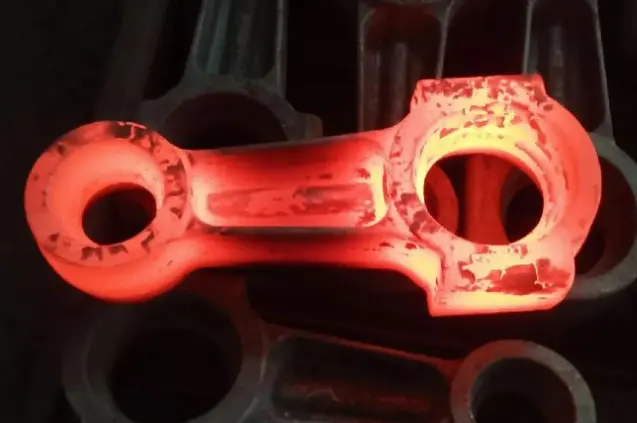
Sand casting is a way to make a wide range of metal parts that are used in many types of manufacturing, from engine blocks and transmission housings for cars to important parts for spacecraft and tools for oil drilling. Pouring liquid metal into sand molds is a flexible way to make things. It lets makers make complex shapes out of metals like bronze, cast iron, aluminum, and more. The process can be used for both small-scale prototypes and medium-scale production runs. This makes it very useful for OEMs, Tier 1/2 suppliers, and engineering firms that need to make metal parts based on plans or samples. Sand casting is flexible enough to meet the needs of a wide range of businesses, such as those that make cars, heavy tools, medical devices, and industrial equipment.
Understanding Sand Casting and Its Key UsesThe Fundamental Sand Casting Process
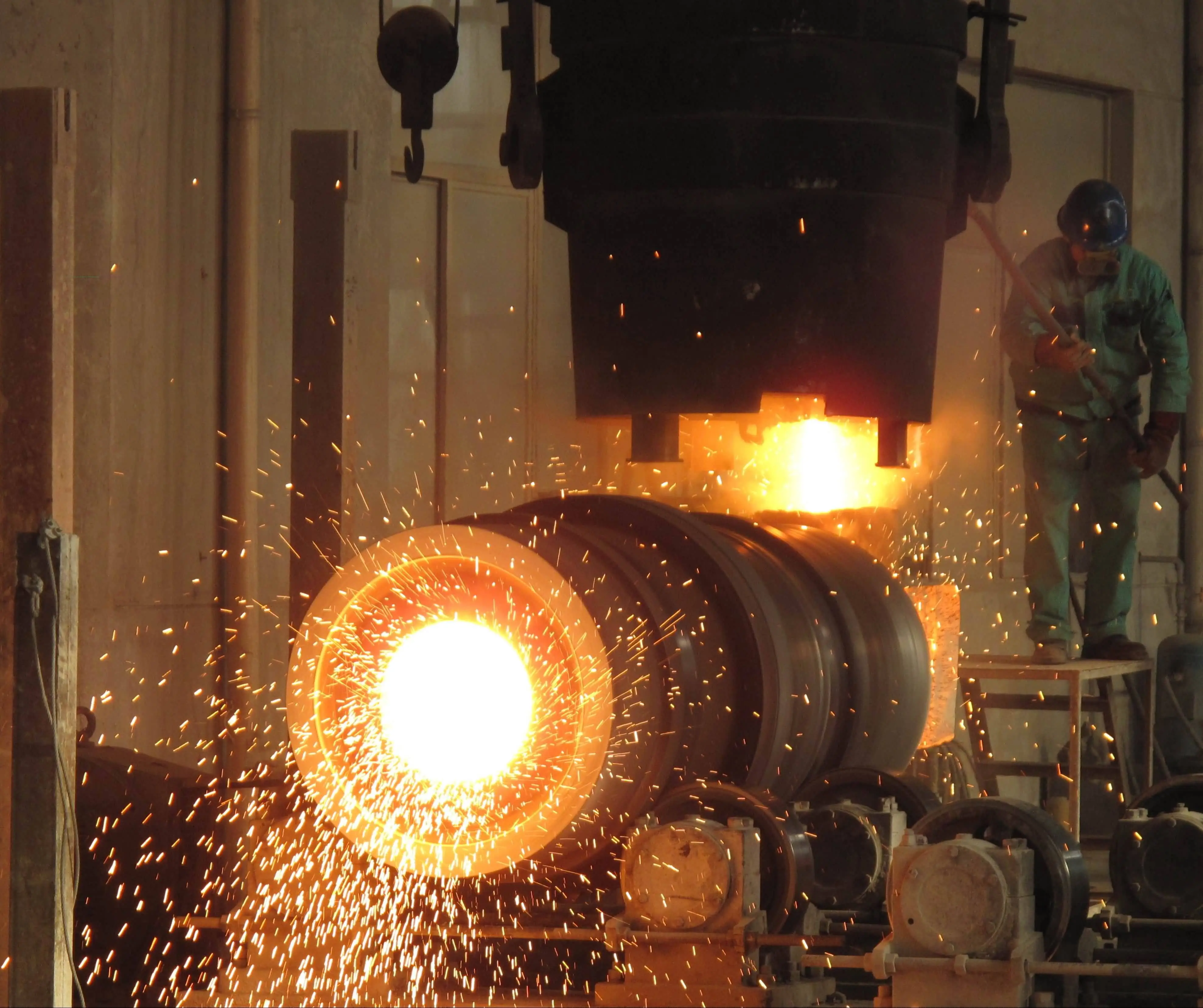
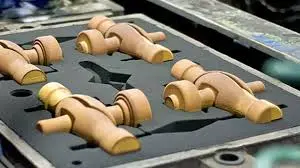
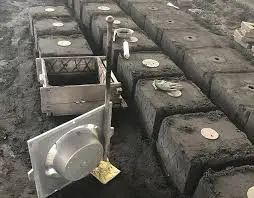
Sand casting is a way of metal forming in which producers make molds out of carefully mixed sand to form molten metal into the desired shapes. The first step is to make a plan, which will be used as a guide for making the end part. When manufacturers pack sand around this pattern, they make a hole that looks like the shape of the finished part. The metal hardens and takes the shape of the mold after the pattern is taken off and molten metal is put into the hole. When the casting is cool, the sand is broken off to show the final casting.
Types of Sand Molds and Their Applications
In industrial casting, two main types of sand molds are used. For green sand casting, a wet sand combination is used. This mixture has high-quality silica sand, about 10% bentonite clay as a glue, 2% to 5% water, and about 5% sea coal to make the surface smoother. "Green" doesn't mean the color of the sand; it means that it hasn't dried out yet and is still wet. Because clay and water have special bonding qualities, this mixture stays in its shape. This lets makers make molds that are ready to pour almost right away after placing the core.
Metal Compatibility and Material Selection
Sand casting is compatible with a wide range of metal types, giving sourcing managers the freedom to choose the right material for the job. Because they are so strong for how light they are, aluminum alloys are perfect for use in cars and spacecraft. Cast iron is used for heavy tools and industrial equipment because it is very resistant to wear and has good damping qualities. Steel castings are very strong and last a long time, making them ideal for oil drilling and building tools. Bronze and brass are used to make naval hardware, valves, and certain manufacturing parts.
Typical Products and Industrial Applications
Sand casting makes a huge variety of parts for many different industries:
Automotive sector: In the automobile sector, popular uses include engine blocks, cylinder heads, transmission housings, brake parts, suspension parts, and differential cases. Sand casting is very useful for making engines because it can be used to make complicated internal paths for oil and water flow.
Industrial machinery: Sand casting is a cost-effective way to make industrial machinery like pump housings, valve bodies, gear cases, machine bases, and structural parts. Manufacturers of heavy equipment rely on this process to make parts that last and can handle tough working circumstances.
Oil and gas industry: In the oil and gas business, sand casting is used to make strong parts from materials that can handle harsh conditions and high pressures. This is done for drilling equipment parts, valve bodies, flanges, and wellhead equipment.
Aerospace applications: Some aerospace parts are being made in investment casting more and more, but sand casting is still useful for larger structural parts, landing gear parts, and prototype development, where tooling costs need to be kept as low as possible.
Advantages and Challenges of Sand Casting in ManufacturingCore Benefits for B2B Procurement Professionals
The process works well for different amounts of production. If you need a single prototype or a few thousand parts every year, sand casting can meet your needs without forcing you to use a different production method. This ability to grow gives you more choices when it comes to buying things, so you can change the amount you order based on how much you actually need instead of the minimum amount required by equipment debt.
Quality Considerations and Defect Mitigation
To get constant quality in sand casting, you need to know what the most common flaws are and put in place the right rules. Porosity happens when gases get stuck in metal as it cools, leaving empty spaces inside that weaken its mechanical qualities. Too much water in sand molds, not enough air flow, or gas production from mold materials are some of the reasons. Controlling the amount of water in the sand, making the opening system work better, and choosing the right binders are all ways to reduce the damage.
Environmental and Sustainability Considerations
Environmental responsibility is becoming more and more important in modern industry, and sand casting companies have started to use a number of environmentally friendly methods. Sand reuse is very good for the environment because foundries can get sand back and fix it up so that it can be used for more casting processes. Reclamation devices get rid of contaminants and binders, so sand can be used again instead of going to the trash.
Sand Casting vs. Alternatives: Making the Right ChoiceComparative Analysis of Casting Methods
Before deciding on a buying strategy, procurement workers often look at more than one way to make something. Figuring out how sand casting stacks up against other options helps you choose the best method for any given job. Shell molding can get margins of about ±0.010 inches, which is in the middle of what green sand and investment casting can do.
Decision Factors for Procurement Strategy
The choosing method is based on a number of factors. The number of pieces being made has a big impact on the choice of method. For example, sand casting is a cost-effective way to make runs of a single sample or several thousand pieces. When other ways aren't possible because of the size or weight of the part, sand casting is the best option. Based on the size tolerances needed, green sand, chemically linked sand, or other methods are chosen that best meet the needs. Material needs also play a role in choices. While die casting is restricted to metals with lower melting points, sand casting can handle almost any castable metal. When project plans are tight, the shorter lead time may make sand casting more appealing because it requires fewer tools. It's important to include both the cost of the tools and the cost of each piece in the budget, taking into account how many are expected to be made.
Optimizing Sand Mold Selection
When sand casting, picking the right type of mold makes the results better. Green sand has the lowest costs per piece and the quickest processes from pattern to casting. This makes it perfect for bigger parts, higher numbers, and uses that can handle standard tolerances. The quick turnaround works well with open production schedules and supply lines that can respond quickly.
Chemically bound sand improves surface finish and accuracy of measurements without adding much to the cost. This method works well for medium-precision tasks that need tighter standards than green sand can provide without having to pay a lot of money for investment casting. Fast-curing binders used in air-set processes help with uses that need specific handling properties or production schedule freedom.Have a need for custom sand casting parts? Contact us now for quick quote service.
Procurement Guide: Sourcing Sand Casting Supplies and Services
Identifying Quality Material Suppliers
Finding good materials is the first step to making sand casting projects go well. Green sand is made up of silica sand with certain grain sizes, bentonite clay that holds things together, and additives that make the surface smoother. Suppliers you can trust will give you material approvals that list the chemicals that are in the material and its physical qualities. For process security, consistency across shipments is very important, so provider trustworthiness is a very important factor in the selection process. Core materials are made up of sand, fillers, and layers that can stand up to temperatures of molten metal and still stay stable in their shape. Suppliers of specialized cores give materials that are best for complicated internal shapes that are complicated. Setting up various suppliers for essential products can help keep the supply chain running smoothly, which is something that is becoming more and more important as the global supply chain faces problems.
Selecting Manufacturing Partners
When picking manufacturing partners, you need to look at more than just prices. If a factory can meet your needs, its technical skills will tell you. Check out their tools, how they make molds, how much they can melt, and how they keep an eye on quality. ISO 9001:2015 certification is a basic guarantee that a quality system has been put in place. Certifications specific to an industry, like AS9100 for aircraft or ISO 13485 for medical products, show that the company has more skills. Get several quotes and compare them, making sure that all of the sellers' requirements are the same. You should also look at the prices of tools, the minimum order quantity, wait times, payment terms, and quality control procedures, in addition to the unit price. Site trips or checks by a third party give people even more faith in quality systems and skills.
Budgeting and Cost Optimization
A complete budget takes into account many types of costs. Costs of materials vary depending on the type of metal, the weight of the casting, and the present prices of goods. Labor costs depend on how complicated the casting is, how much is being made, and where the business is located. The price of tools includes making the patterns and any special core boxes or fittings. Simple wood patterns cost around $500, while complicated aluminum patterns can cost $10,000 or more. Best practices for the supply chain include keeping extras of important parts on hand, getting supplies from a variety of places to lower risk, and building long-term relationships with key makers. These strategies strike a balance between lowering costs and keeping supplies going. They do this by focusing on both competitive price and operating dependability.
Case Studies and Real-World ApplicationsAutomotive Industry Success
A European automotive Tier 1 car supplier came to us and said they needed aluminum transmission housings for a new base for electric vehicles. The part had complicated internal pathways for cooling circuits and mounting holes for sensors and motors. The first die casting prices I got were more than $80,000 for tools with 12-week wait times. The schedule for making prototypes couldn't fit this timeline, and the planned output volume of 3,000 units per year wasn't high enough to support the cost of making the tools. We recommended sand casting with models that are chemically bonded for better consistency in measurements. Our engineering team improved the design so that it could be cast. They did this by moving core prints and changing the wall thickness to make the mold fill better and lower the risk of gaps. Pattern tools made of aluminum cost $8,500 and took 4 weeks to deliver. The first check of the finished product showed that all the parts met the size requirements within ±0.020 inches.
Heavy Machinery Component Manufacturing
A company in North America that makes building equipment needed cast iron counterweights for a new type of excavator. Each part weighed about 150 pounds and had a fairly simple shape, but they had to meet strict weight limits of ±2%. With only 800 units made each year, durable model casting wasn't a good investment from a business point of view. The program went off without a hitch, meeting shipping dates and weight requirements. We were able to save the customer money by managing the operations of the supply chain from China to North American assembly companies while keeping the supply reliable. The connection has grown to include more parts from more than one type of tool.
Innovation Through 3D Printing Integration
Recent improvements in technology have made sand casting better. Several foundries now use 3D printing to make patterns, which cuts down on wait times and prices for shapes with lots of angles. This technology is especially useful for making prototypes and small batches of products, where standard pattern-making would be too expensive. Some foundries have gone even further and are now 3D printing their own sand models. For some uses, this method gets rid of all patterns, which greatly shortens the time it takes to make sample casts. Even though it's not yet cost-effective to make a lot of them, the technology keeps getting better and could change the economy of sand casting in the years to come.
Strategic Guidance for Procurement Integration
These examples show how to use key ideas for incorporating sand casting into methods for buying things. Choose a manufacturing method that fits your budget, the number of items you need to make, and the tolerances for size. Get technical help early on to make sure that plans are optimized for ease of production. Look at the total cost of ownership, which includes the cost of tools, the cost of each piece, and the operations for the expected number. Set quality agreements that spell out the factors for inspection and the standards for acceptance. Form relationships with makers that can provide both technical know-how and a reliable supply chain.Have a need for custom sand casting parts? Contact us now for quick quote service.
Conclusion
Sand casting is still a very important way for procurement workers in the industrial manufacturing, automobile, aircraft, oil and gas, and medical device sectors to make things. The process makes it possible to make complicated metal parts at low costs when production numbers, size requirements, and budget limits make it the best choice. Making smart choices about where to get materials means knowing the basics of the process, the different materials that can be used, how to ensure quality, and the pros and cons of each method compared to others. For implementation to go well, you need to find skilled production partners who can meet your application's technical needs and provide reliable supply chains and quality systems.
FAQWhat metals can be sandcast?
Almost all industrial metals and alloys can be used for sand casting. Aluminum alloys, gray and ductile iron, carbon and alloy steels, stainless steels, copper, brass, and unique alloys are all materials that are used often. Which material to use depends on how strong, resistant to rust, thermally stable, and inexpensive it needs to be for the job. Managers in charge of buying things should talk to their manufacturing partners about the materials they need to make sure they work with their processes and quality systems.
How does sand casting cost compare to die casting?
Due to greatly lower tooling costs, sand casting usually has lower per-piece costs for low to medium production numbers. Die costs more than $20,000, while a pattern costs only a few hundred to several thousand dollars. But die casting gives you better control over the size and shape of the part, and it costs less per piece when you buy a lot of them. Depending on the size and complexity of the part, the economic split happens between 2,000 and 10,000 pieces per year on average. To find the best way to do things, you should look at both the tooling cost and the piece price across the expected number.
What quality control measures ensure defect-free castings?
Incoming material checking, process parameter tracking, non-destructive testing, and dimensional proof are all parts of comprehensive quality control. Radiographic or ultrasound tests can find flaws inside the material, such as porosity. Dimensional checking makes sure that the measurements match the requirements in the plan. Material qualities are confirmed by mechanical tests. When a company has ISO 9001:2015 certification, it means they have well-documented quality systems with methods for ongoing improvement. Setting clear acceptance criteria and inspection processes in buy agreements ensures that everyone has the same quality expectations.
Partner with Welong for Reliable Sand Casting Solutions
To be a great manufacturer, you need more than just low prices. You also need professional know-how, quality control, and a reliable supply chain that helps your business succeed. As an ISO 9001:2015-certified sand casting provider, Welong has worked with top companies in the automobile, oil drilling, aerospace, and medical device industries for more than 20 years. Using AutoCAD, Pro-Engineering, and Solidworks, our engineering team improves designs and turns your plans and samples into high-quality, low-cost parts. We know the problems that purchasing managers face when they buy from China, like worries about quality stability, trouble communicating, and complicated processes. To deal with these problems, our combined supply chain services offer strict quality control, clear communication, and reliable delivery to more than 100 users in North America, Europe, and the Asia-Pacific region. Whether you need to make a sample or a lot of them, Welong has the technical know-how and industrial skills that your projects need.
Get in touch with us at info@welongpost.com to talk about your sand casting needs. We'll look over your specs, suggest the best ways to make the product, and give you thorough quotes that take your cost, quality, and delivery goals into account.
References
1. Brown, J.R. (2019). Foseco Ferrous Foundryman's Handbook, 11th Edition. Butterworth-Heinemann.
2. Campbell, J. (2015). Complete Casting Handbook: Metal Casting Processes, Metallurgy, Techniques and Design. Butterworth-Heinemann.
3. American Foundry Society. (2018). Metalcasting Industry Research. AFS Technical Publications.
4. Stefanescu, D.M. (2020). ASM Handbook Volume 15: Casting. ASM International.
5. Beeley, P.R. (2017). Foundry Technology, 2nd Edition. Butterworth-Heinemann.
6. Investment Casting Institute. (2021). Casting Process Selection Guide for Industrial Applications. Technical Report Series.

Share your inquiry, get the quotation accordingly!
China WELONG- Your Reliable Partner in Metal Solutions