How does investment casting compare to sand casting for precision parts?
When it comes to precision metal parts that need to be within 0.005 inches of their original dimensions, investment casting is the best option because it offers much tighter tolerances and smoother surface finishes than sand casting. The lost wax method makes complex shapes with little extra machining, while sand casting is the most cost-effective way to make bigger, simpler parts. When procurement managers understand these basic differences, they can choose the best producing method for their individual needs.
Overview of Investment Casting and Sand Casting
Precision metal casting is an important part of modern industry because it makes parts for everything from jet engines to medical implants. There are two main casting methods in this area: investment casting and sand casting. Each has its own benefits for different types of making.
Defining the Lost Wax Process
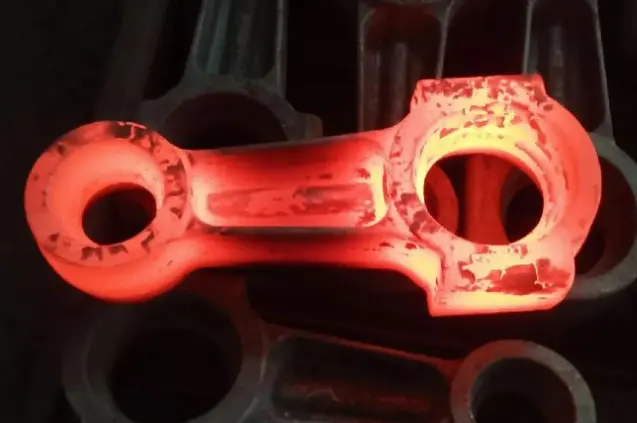
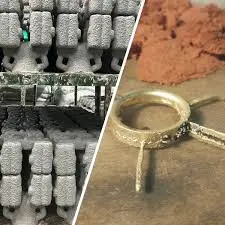
Investment casting, which is also known as the "lost wax" method, makes parts by covering a wax design with a brittle clay material. Once the porcelain hardens, the wax is melted out, leaving a hole that fits the shape of the end part. This hole is filled with molten metal, which hardens. The clay shell is then taken off to show a precision part that is almost in the shape of a net.
Understanding Sand Casting Fundamentals
Molds are made by packing sand around a design in sand casting. The design, which is usually made of metal or wood, is taken off after the sand hardens, leaving a hole that molten metal is put into. This simple method works for both big parts and heavy pieces, and it doesn't require a lot of complicated tools. Sand casting is still used for many things, like valve bodies, pump housings, engine blocks, and structural parts that can handle some errors.
Precision Requirements Across Industries
Aerospace companies need parts with surface finishes less than 125 microinches Ra and margins as small as ±0.003 inches. For implants and surgical tools, companies that make medical devices need biocompatible materials that must be cast to exact specs. When making cars, providers have to balance the need for accuracy with the cost of making a lot of cars. Different needs determine the casting method that is used, because even small changes in dimensions can affect safety, performance, and following the rules in serious situations.
Comparing Technical Processes and Material Capabilities
The changes in how these casting methods work technically have a direct effect on the quality of the parts, the choice of materials, and the time it takes to make them. Knowing these differences between the processes helps engineers and purchasing agents match the right casting technology to the needs of the part.
Investment Casting Process Steps
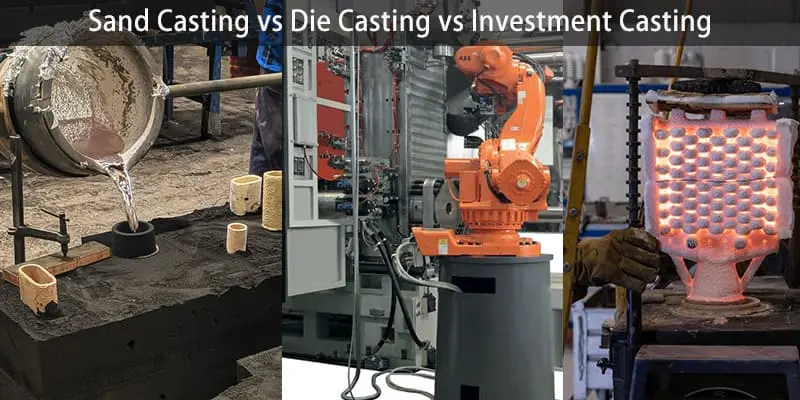
The first step in the investment casting process is making a pattern. Next, wax copies are made using injection molding with metal tools or 3D printing. These designs connect to a runner system to make an assembly that looks like a tree. The part is repeatedly dipped in a ceramic slurry and fine sand, which creates several shell layers. The negative print is made when the autoclave melts the wax out of the ceramic after it has dried fully. The empty shell is heated to high temperatures to make it strong, and then liquid metal is poured into it using suction, gravity, or pressure.
Sand Casting Process Workflow
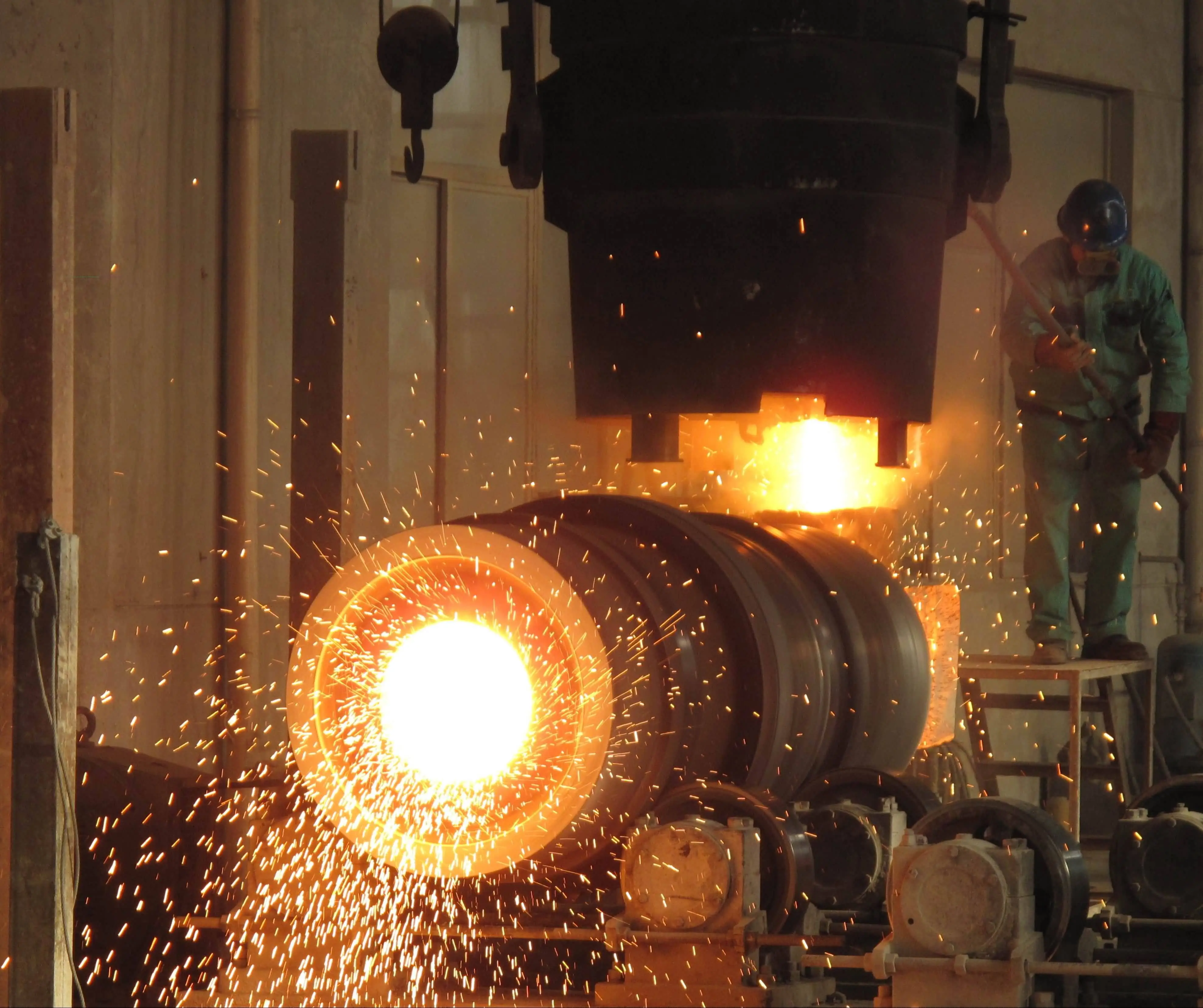
For the inside, cores are put in, the mold halves are put together, and liquid metal flows through a series of gates. Once the casting is cool, the sand mold is broken up and reused, while the casting is cleaned and finished. This method lets you make changes to the design easily and can handle parts that weigh anywhere from a few ounces to several tons. The setup time is usually faster than with investment casting, but the surface finish and accuracy of the dimensions are still limited by the size and density of the sand grains.
Material Compatibility and Alloy Selection
Both types of casting can be used on a wide range of metals, but investment casting usually works better with high-performance materials. Investment casting is a way to make superalloys like Inconel and Hastelloy, which are used in high-temperature situations, as well as types of stainless steel that don't rust, titanium alloys for flight parts, and aluminum alloys for structures that need to be light. For general commercial uses, sand casting works well with gray and malleable iron, carbon and low-alloy steels, aluminum, and bronze alloys.
Dimensional Tolerances and Surface Quality Benchmarks
With surface finishes ranging from 63 to 125 microinches Ra as-cast, investment casting regularly gets linear tolerances of 0.003 to 0.005 inches per inch. These features make extra cutting less necessary or unnecessary in many situations. To get precise surfaces, sand casting usually gives results with tolerances of ±0.030 to ±0.060 inches and surface finishes of 250 to 500 microinches Ra. Have a need for custom sand casting parts? Contact us now for quick quote service.
Advantages and Limitations: Making Sense of the Choices
When choosing between casting methods, you have to look at their pros and cons and how they fit with the needs of the job. Both methods are important for precise manufacturing, but they are best used for very different things.
Investment Casting Strengths
The lost wax method is great for making parts with complicated internal passages, walls as thin as 0.015 inches, and complex exterior features that other methods would not be able to do or would not work well with. This method gets rid of splitting lines and flash, which cuts down on finishing work while still getting a great surface quality right from the mold. 85–95% of the material is used, which cuts down on waste and lowers the cost of materials for expensive metals. Almost any metal that can be made can be used in this method, from valuable metals to refractory superalloys.
Investment Casting Constraints
The biggest problem is the cost, especially for small production runs. Piece prices are higher than with sand casting because of the need for specialized tools, expensive refractories and binders, multiple steps to build each shell, and a lot of work. Lead times in the business are usually between 8 and 16 weeks, but some specialized suppliers have cut the time it takes to make something down to just one week.
Sand Casting Advantages
Sand casting is very flexible; it can be used to make things ranging in size from ounces to tens of tons without having to make major changes to the process. The costs of making the first tools aren't too high because designs can be made from cheap materials and don't need to be as precise as investment casting tools. The method lets you make quick changes to designs and prototypes, and it's easy to come up with new patterns. Sand casting is a cheap way to make a lot of things, especially when the shapes are simple and the tolerances are enough.
Sand Casting Limitations
Surface finish and measurement accuracy are not up to the standards of investment casting, so a lot of extra work has to be done to fix them. The line where the two halves of the mold meet causes flash that needs to be removed, and sand grains can get stuck in the surface of the casting. During metal casting, internal cores can move, which can lead to changes in size.
Real-World Application Examples
A big aircraft company had trouble making complicated turbine housing parts that had to have thin walls, cooling holes inside, and the ability to stay the same size at very high temperatures. When compared to manufacturing from bar stock, investment casting produced parts with tolerances of 0.005 inches with little cutting. For example, a company that makes farming machinery needs big gear housings. S
Cost, Lead Times, and Production Flexibility Comparison
The choice of casting method is heavily affected by factors like cost and availability. When buying precision parts from global supply lines, purchasing managers need to look at both the original investment and the total costs over the product's life.
Tooling Investment and Per-Part Economics
Pattern dies for investment casting can cost anywhere from $3,000 to $25,000, based on their complexity and the number of cavities they contain. These costs are spread out over a larger number of pieces, which makes the method more affordable when more than 500 to 1,000 pieces are made each year. Precision cuts down on extra processes, which lowers machining costs and balances out higher casting costs. Patterns for sand casting cost between $500 and $5,000, and because they don't need as many tools, they're easier to use for prototypes and small amounts.
Production Timeline Expectations
Investment casting processes usually last between 8 and 16 weeks, starting with acceptance of the pattern and ending with delivery of the finished parts. This time includes improving the pattern, making the shell, casting trials, and checking the quality. For repeat sales, established sellers with tried-and-true methods can cut down on lead times to 4 to 6 weeks. Initial production is faster with sand casting; the first items are usually delivered within two to four weeks.
Batch Size Flexibility and Scalability
Investment casting is cost-effective for medium to high production numbers, usually between 100 and 10,000 pieces per year. However, for some high-value aerospace parts, investment casting is the best option for amounts below 50 pieces. Once the tools are proven to work, the process can be scaled up easily, and the quality stays the same from one production run to the next. Sand casting is very flexible and can be used for anything from a single sample to tens of thousands of units. This makes it perfect for situations where demand changes quickly.
Design Considerations and Industry Applications for Precision Parts
Optimizing the design of a part for the chosen casting method leads to better quality results and lower costs. During the planning phase, engineers must take into account limitations that are specific to the process to avoid problems during production.
Design Optimization for Investment Casting
The lost wax method makes it possible for a single component to have complicated geometries like undercuts, internal passages, and different wall sections. For the best results, wall thickness should be between 0.030 and 0.250 inches, with modest changes to keep stress from building up in one place. Draft angles as low as 0 to 1 degrees are possible, which means that less material needs to be removed. Designers can add names, part numbers, and useful features straight to castings, so they don't need to be marked again. To avoid stress risers and make sure metal flows smoothly, interior corners that are sharp should have radii of at least 0.015 inches. start of assembly and increases dependability.
Sand Casting Design Guidelines
Larger size ranges and heavy parts can be cast in sand, but draft angles of 1 to 3 degrees are needed to remove the pattern without damaging the sand mold. The thinnest part of the wall is usually between 0.125 and 0.250 inches, but this can vary by metal and piece size. Fillets and curves should be big, at least 0.125 inches, so that the metal can move smoothly and there is less thermal stress when it solidifies.
Aerospace and Defense Applications
When weight reduction, dimensional accuracy, and material performance are crucial, investment casting controls the production of aircraft components. The process's ability to create heat-resistant superalloys with complex cooling channels is used to make turbine blades, structural frames, fuel system parts, and landing gear parts. For these uses, you need ISO 9001:2015 certification, AS9100 aerospace quality control systems, and full paperwork that shows where the product came from.
Medical Device Manufacturing
The biocompatibility and accuracy of investment casting are used in medical devices, surgical tools, and diagnostic equipment parts. Orthopedic implants made of titanium and cobalt-chrome metals can have complicated shapes that help the bone fuse together and still meet FDA standards. To keep flesh from getting damaged, surgical tool parts need to be resistant to corrosion, have accurate measurements, and have smooth surfaces.
Automotive Industry Implementations
Both casting processes are used by automakers, based on the needs of the part. Investment casting is used to make parts for pollution systems, transmissions, and turbocharger housings that need to be stable in size and have complex internal shapes. Sand casting is best for making engine blocks, cylinder heads, suspension parts, and structural parts that need to be small and cheap.
Emerging Hybrid Manufacturing Approaches
To make the best parts, modern, precise manufacturing uses casting, additive manufacturing, and CNC machining more and more. Rapid investment casting samples can be made with 3D-printed wax models instead of expensive tools.
Choosing Your Investment Casting Manufacturing Partner
Choosing the right supplier has a big effect on the quality of the parts, the dependability of shipping, and the total cost of ownership. To find partners who can meet both scientific and business needs, procurement experts have to look at a number of factors.
Evaluating Supplier Capabilities
The process knowledge, machine sophistication, and quality methods of investment casting providers vary greatly. When looking at possible partners, find out how much experience they have with materials and parts that are similar to the ones you need. Ask for process flow paperwork that shows how they manage important factors such as shell building, dewaxing, metal filling temperature, and cooling rates. Quality certifications like ISO 9001:2015, AS9100 for aircraft, or ISO 13485 for medical products show that management systems have been in place for a while.
Global Sourcing Considerations
China has become an important center for making accurate castings, with advanced technology available at reasonable prices. Welong, which started in 2001, is a great example of how Chinese manufacturing has changed over the years to focus on high-precision, high-quality production for industrial markets around the world. If you are buying from a supplier outside of the United States, make sure that their quality standards are the same as those of local producers and that they have written process controls and inspection methods.
Verification Methods and Quality Assurance
Before agreeing to large quantities of production, ask for sample casts to be checked for dimensions, metal analysis, and mechanical strength. Look over the supplier's quality control plan, which should include how often to check, how to calibrate measuring tools, and how to handle nonconformances. When you can, go to factories to see how things are made and get a sense of how well the group is doing. Third-party quality inspection services offer independent checks for situations where goods are sourced from other countries.
Conclusion
Choosing between investment casting and sand casting relies on how precise you need the parts to be, how many you need to make, how much money you have, and how complicated the plan is. For bigger, less complicated parts that only need reasonable tolerances, sand casting is a cost-effective option. Purchasing managers in tough industries can save time and money by working with experienced sellers who know how to meet technical needs and keep strict quality standards. Making an educated choice about the casting method has a direct effect on how efficiently the part is made, how well it works, and how much it costs over its entire life. Have a need for custom sand casting parts? Contact us now for quick quote service.
FAQ
What tolerance levels can investment casting versus sand casting realistically achieve?
Investment casting frequently keeps linear tolerances of 0.003 to 0.005 inches per inch and surface finishes of 63 to 125 microinches Ra as-cast. For precise features, secondary cutting is needed after sand casting, which usually gives results within ±0.030 to ±0.060 inches and with 250 to 500 microinches Ra surfaces. When tight standards are required, these differences have a big effect on the total cost of production.
How do production lead times compare between these casting methods?
Investment casting usually takes between 8 and 16 weeks for the first production run, but efficient providers can get repeat orders done in 4 to 6 weeks. First products made by sand casting are usually ready within two to four weeks, but they can be made faster if needed right away. Complex shapes and quality checks make both processes take longer, no matter which method is chosen.
Which materials work best with each casting process?
When it comes to superalloys, stainless steels, titanium alloys, and aluminum alloys with demanding mechanical qualities, investment casting is the best option. Gray and ductile iron, carbon steels, and popular aluminum alloys can all be made well in sand. The choice of material is based on the unique working conditions, mechanical needs, and cost factors of each application.
Partner with Welong for Precision Investment Casting Solutions
Welong has been in the supply chain business for more than 20 years and has quality systems that are ISO 9001:2015 approved. They can be your trusted investment casting provider for complex precision parts. Our engineering team uses AutoCAD, Pro-Engineering, and Solidworks to improve ideas so they can be made. They work from your models or samples. We make custom metal parts for clients in Europe, North America, and the Asia-Pacific region who work in aircraft, automobiles, oil drilling, and medical devices. Email us at info@welongpost.com to talk about your precision casting needs and get a full technical analysis along with a reasonable price. Our track record with more than 100 industrial makers shows that we are dedicated to quality, on-time delivery, and open contact at all stages of a project.
References
1. Brown, J.R. (2019). "Foseco Ferrous Foundryman's Handbook," 11th Edition, Butterworth-Heinemann.
2. Beeley, P.R. and Smart, R.F. (2020). "Investment Casting: Principles and Applications in Modern Manufacturing," Institute of Materials, Minerals and Mining.
3. Campbell, J. (2018). "Complete Casting Handbook: Metal Casting Processes, Techniques and Design," 2nd Edition, Butterworth-Heinemann.
4. ASM International (2021). "Casting Design and Performance," ASM Handbook Volume 15: Casting, ASM International.
5. Flemings, M.C. (2017). "Solidification Processing in Metal Casting: Fundamentals and Applications," Metallurgical Transactions Series.
6. Jones, S. and Yuan, C. (2020). "Precision Casting Technologies for Aerospace Applications: Comparative Process Analysis," Journal of Manufacturing Science and Engineering, Vol. 142, Issue 8.

Share your inquiry, get the quotation accordingly!
China WELONG- Your Reliable Partner in Metal Solutions