How to Identify a Quality Steel Mandrel Bar Before You Buy?
An investment in tooling for tube and pipe manufacturing is a choice with long-term implications for mill efficiency, product uniformity, and total operating costs. At the heart of this choice is a steel mandrel bar, as the quality of its material, its precision in size, and the condition of its surface all affect how smoothly the rolling process will go and how long the tooling will survive before it has to be replaced. Buyers frequently get bars with uneven wear, cracking under thermal stress, or failing dimensional standards, without a defined framework for assessment. This manual will walk you through the main signs of quality, what materials and standards make for good tooling, and actionable inspection and sourcing tips to help you confidently source a trustworthy steel mandrel bar before placing a purchase order.
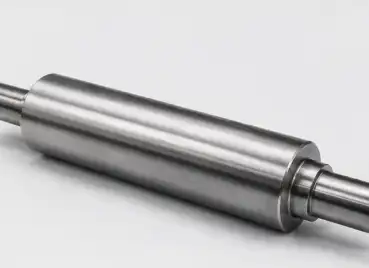
What Key Factors Define a High-Quality Steel Mandrel Bar?
Consistent Material Composition and Alloy Purity
The first step to a quality steel mandrel bar is to have a constant alloy composition with no impurities or imperfections that will compromise the internal structure of the material. Variations in chromium, molybdenum, or nickel composition from one manufacturing batch to another may produce uneven hardness and unexpected wear patterns during the rolling process. Reliable producers check chemical composition by spectrometric analysis at various stages of manufacturing so that each bar is exactly right for the alloy grade given. When assessing suppliers, buyers should obtain material certification that includes results of the composition, since this element is fundamental to the performance of the completed steel mandrel bar when subjected to repetitive thermal and mechanical stress.
Dimensional Precision and Tolerance Control
Regarding the quality of material, one thing that differentiates good tooling from bad, trouble-making tooling is dimensional accuracy. Any little difference in the diameter, length, or taper might influence the tube wall thickness and therefore give rise to ovality problems during rolling. Not run-of-the-mill machining methods. Quality manufacturers employ precise grinding and inspection equipment to maintain tight tolerances throughout every item produced. Buyers purchasing a steel mandrel bar should verify that the supplier has documented dimensional inspection procedures and can provide measurement reports for each batch. This will assure the buyer that the tooling will fit seamlessly into existing mill equipment without the need for expensive on-site adjustments.
Steel Mandrel Bar Materials, Grades, and Manufacturing Standards Explained
Common Alloy Grades and Their Suitability for Different Applications
The steel mandrel bars are normally manufactured from hot-work tool steel grades like H13 or equivalent chromium-molybdenum alloys, selected for their balance of hardness, toughness, and thermal fatigue resistance. The correct grade is very much dependent on the tube material being processed and the operating temperature range of the mill. Buyers should collaborate with suppliers to adapt the alloy choices to their unique manufacturing circumstances, instead of defaulting to a generic grade. A correctly selected steel mandrel bar, matched to real mill needs, will withstand cracking and deformation far better than tooling selected without respect to application-specific constraints.
Manufacturing Standards and Certification Requirements
Tooling is produced by reputable manufacturers to recognised worldwide standards, which ensures traceability and consistent quality from run to run. Certifications like ISO 9001 show that a supplier has established quality management systems that include everything from the procurement of raw materials to the final inspection. When assessing a steel mandrel bar supplier, buyers should obtain proof of certification and sample test results that show conformance to applicable material requirements. Using approved manufacturers greatly decreases the chance of acquiring poor-quality tooling that will fail prematurely or function inconsistently throughout the production schedule of the mill.
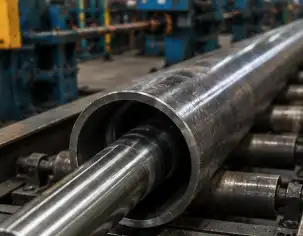
How to Check Steel Mandrel Bar Strength, Hardness, and Surface Quality?
Hardness Testing and Mechanical Property Verification
Hardness testing provides one of the most reliable indicators of how a steel mandrel bar will perform under mill conditions. Rockwell or Brinell hardness tests confirm that the bar falls within the specified range for its alloy grade, since bars that are too soft wear quickly while overly hard bars risk brittle fracture. Buyers should request hardness test certificates alongside tensile strength data before finalizing a purchase, as this documentation confirms the tooling has undergone proper heat treatment and meets the mechanical property requirements necessary for reliable, long-term performance in demanding rolling applications.
Surface Finish and Coating Inspection
Surface condition plays a significant role in how well a steel mandrel bar resists friction, galling, and scale buildup during production. A smooth, properly finished surface reduces adhesive wear between the bar and hot tube material, while treatments like nitriding or chrome plating add an extra layer of protection. Before purchasing, buyers should physically inspect sample bars or request detailed surface roughness measurements and coating specifications from the supplier. Identifying inconsistent surface finishing early prevents mills from experiencing premature scoring or reduced tool life once the bar enters active production.
Common Buying Mistakes and How to Choose a Reliable Steel Mandrel Bar Supplier
Prioritizing Price Over Documented Quality Assurance
Buyers still make the error of picking a steel mandrel bar provider based on pricing instead of defined quality practices. Lower-cost tooling frequently does not have sufficient material certification, consistent hardness testing, or dimensional inspection, which leads to greater failure rates and higher expenses over time as the tooling is replaced more often. To avoid this error, you need to look at suppliers holistically, not only considering the pricing but also considering certification, inspection reports, and manufacturing experience. A little greater initial investment in proven quality tooling usually provides better value via longer service life and more consistent mill performance.
Failing to Confirm Custom Engineering and Drawing Support
Another mistake often made is selecting suppliers who don’t have the technical skills to make tooling that fits exactly the specs of a mill. Off-the-shelf generic bars may not fit the particular mill setup or tube sizes and might cause compatibility problems later on. Buyers should check if possible providers can work with customer-supplied designs or provide in-house design help utilising common CAD platforms. Working with a supplier that can custom-design the final steel mandrel bar to the precise specs needed for production helps to avoid having to rework or find the right tooling after delivery, which may be expensive.
Conclusion
Material certification, dimensional accuracy, hardness testing, and supplier dependability are all factors to consider when selecting a good steel mandrel bar. Established in 2001, China Welong has over 20 years of experience delivering certified, custom-engineered metal tooling to manufacturers in the automotive, oil drilling, and aerospace sectors globally. ISO 9001:2015 certified and with dedicated technical assistance, Welong helps customers purchase reliable tools with confidence. Contact our staff now to discuss your steel mandrel bar needs and boost your manufacturing line.
FAQ
Q1: What documentation should I request before buying a steel mandrel bar?
Buyers should request material composition certificates, hardness test results, tensile strength data, and dimensional inspection reports to confirm the tooling meets specified quality requirements.
Q2: How can I tell if a mandrel bar has been properly heat-treated?
Proper heat treatment is confirmed through hardness testing results falling within the specified range for the alloy grade, along with supplier-provided heat treatment process documentation.
Q3: Does surface coating significantly affect mandrel bar performance?
Yes, coatings such as nitriding or chrome plating reduce friction and wear substantially, often extending service life in high-volume or abrasive tube rolling applications.
Q4: Can suppliers manufacture steel mandrel bars from custom drawings?
Reputable suppliers, including Welong, accept customer-supplied drawings and samples and also offer in-house engineering design using CAD and SolidWorks software for custom tooling.
Q5: What certifications should a reliable mandrel bar supplier hold?
Look for ISO 9001 certification at a minimum, along with documented compliance to relevant material and dimensional standards applicable to your specific industry and application.
Partner With Welong for Certified, Fatigue-Resistant Steel Mandrel Bars
Looking for a trusted partner to supply certified, high-performance steel mandrel bars for your mill? China Welong brings over two decades of international supply chain experience, rigorous quality control, and dedicated engineering support to every order. Whether you need tooling produced from your own drawings or design assistance from our technical team, we are ready to help you source dependable, precisely specified mandrel bars for automotive, oil drilling, and industrial manufacturing applications. Contact us today at metal@welongpost.com to discuss your requirements and discover how Welong can strengthen your supply chain.
References
1. American Iron and Steel Institute (AISI). Steel Products Manual: Tool Steels. AISI Publications.
2. ASM International. ASM Handbook, Volume 1: Properties and Selection of Irons, Steels, and High-Performance Alloys. ASM International Publications.
3. ASTM International. Standard Specification for Alloy Steel and Stainless Steel Bars, ASTM A322.
4. Ginzburg, V. B., and Ballas, R. Flat Rolling Fundamentals. CRC Press.
5. Roberts, W. L. Hot Rolling of Steel. Marcel Dekker Inc.
6. International Organization for Standardization (ISO). ISO 9001:2015 Quality Management Systems Requirements. ISO Publications.

Share your inquiry, get the quotation accordingly!
China WELONG- Your Reliable Partner in Metal Solutions