How Does Drop Forging Influence Fatigue Resistance in Metals?
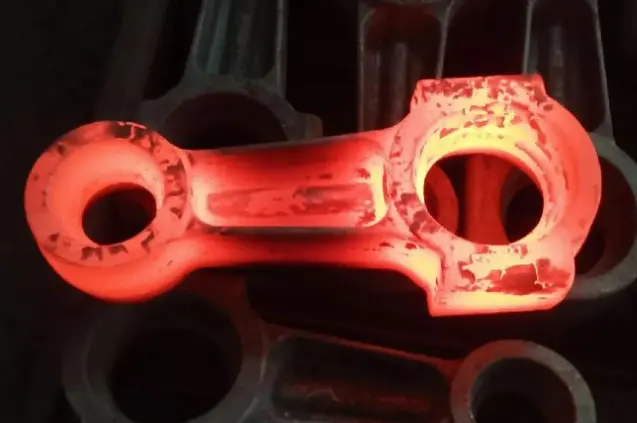
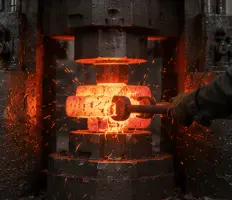
Fatigue failure is a primary cause of component failure in sectors including automotive, oil drilling, and aerospace; these industries use components subjected to repetitive cyclic loads over extended periods of operation. Drop forging is a manufacturing technique that moulds the metal using repeated hammer blows or controlled impact of dies. The method is important in terms of how long the component can withstand the pressures without shattering. Drop forging improves the internal grain structure of a metal so that it is in line with the contour of the completed product, as opposed to being cut across, as it does in casting or machining from bar stock. This continuity of structure is what gives forged parts their better resilience to fatigue, impact, and repetitive mechanical strain. In this article, the effects of drop forging on grain flow, strength, long-term durability, and the production parameters affecting the quality of the final product are investigated.
Why Does Drop Forging Improve Grain Flow, Strength, and Fatigue Life Compared to Casting?
Continuous Grain Flow and Its Role in Fatigue Resistance
As metal cools during casting, the interior grain structure is randomly formed, frequently creating tiny cavities or uneven grain boundaries. Drop forging is a separate process. During the die-filling process, the grains flex and stretch to follow the shape of the product, rather than being interrupted by machining cuts when the metal billet is hit and squeezed in the die cavity. The continuous grain flow works as reinforcing fibres inside the metal, dispersing the applied loads more equally throughout the component. Cracks usually develop at grain boundaries or flaws in the material. A component with a continuous flow of grains arranged in an oriented fashion will be significantly more resistant to crack initiation than a cast component. This immediately translates into a longer fatigue life under cyclic stress.
Mechanical Density and Reduced Porosity
Another way drop forging improves fatigue performance is via the density of the resulting material. The high compressive forces of drop forging eliminate the interior voids, gas pockets, and shrinkage cavities that are sometimes present in cast metals. This leads to a more uniform, denser microstructure with fewer stress concentration spots. Drop forging reduces porosity to a great extent, and so the chances of premature failures are also reduced, since generally fatigue fractures emerge from these minute flaws. Parts made with this process have consistently shown superior tensile strength, greater impact toughness, and better resilience to multiple stress cycles than those made by casting or machining.
How Do Forging Temperature, Die Design, and Heat Treatment Affect Drop Forging Performance?
Controlling Forging Temperature for Optimal Structural Integrity
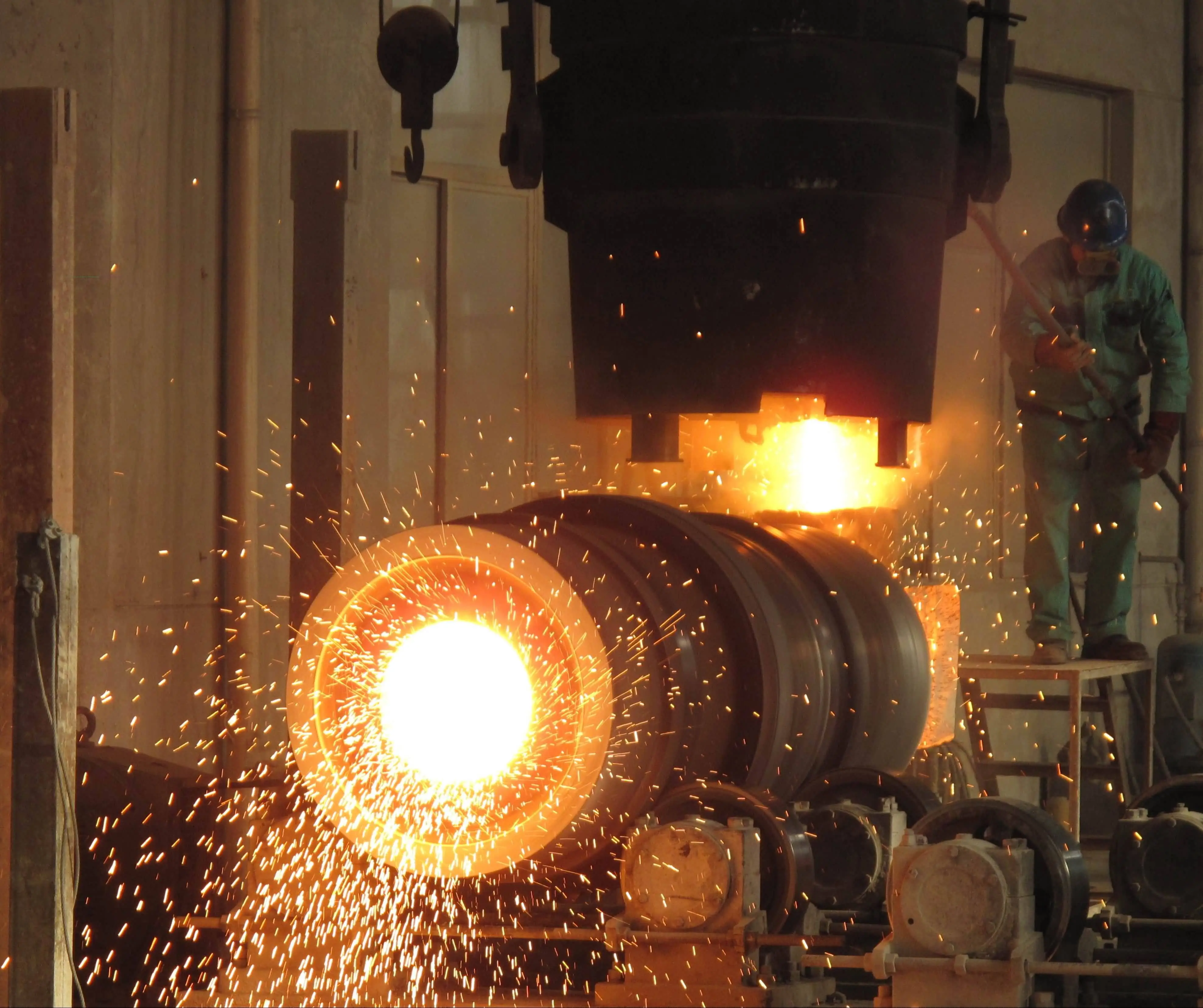
Drop forging involves one of the most crucial factors in temperature control. When metal is forged below the required temperature range, it becomes less malleable and more likely to develop internal breaks and be incompletely filled in the die. In contrast, forging at too high a temperature may lead to grain development, which weakens the material and lowers fatigue resistance. Expert fabricators constantly control the temperature of the billet throughout the drop forging cycle to ensure that the metal is in the correct range for the best plastic deformation. Proper temperature management of the process ensures that the grain structure flows easily into complicated die geometries while maintaining the fine, uniform grains that help ensure long-term mechanical durability.
The Design and Its Influence on Load Distribution
The design of the forging die directly determines the stress distribution when the component enters service. Well-designed dies direct the grain flow following the natural curves of the component, especially around fillets, ribs, and transition zones where stress is apt to accumulate. Poor die design might result in sudden interruptions or folds in the grain flow that can produce weak areas in which fatigue cracks will propagate. The precision of the engineering, frequently aided by simulation software, enables producers to forecast the behaviour of materials before production starts, thereby cutting down on faults and assuring that every batch of drop forgings adheres to uniform structural requirements.
Post-Forging Heat Treatment for Enhanced Durability
Internal tensions occurring during deformation are eliminated by means of a heat treatment following drop forging to further improve the mechanical qualities. The normalising, quenching, and tempering processes are used to modify the hardness, ductility, and toughness for the desired use. For parts that are exposed to intense cyclic loads, such as automobile drive shafts or drilling tools, regulated heat treatment after drop forging may greatly increase service life by combining strength with flexibility, preventing the material from becoming excessively brittle under repetitive stress.
Drop Forging Manufacturing Guide: Process Control, Quality Inspection, and Industry Standards
Process Control Throughout the Production Line
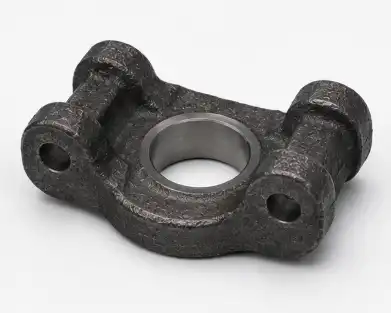
Consistent quality in drop forging is dependent on closely regulated production factors like billet preparation, die alignment, striking force, and cooling rate. Changes in these parameters may cause dimensional errors or internal faults that can affect fatigue performance. Good manufacturers have standard operating procedures and real-time monitoring to ensure they can replicate a big manufacturing run. Process discipline is particularly crucial in sectors like aircraft and oil drilling, where component failure may have major safety and financial ramifications. Reliable drop forging methods are not just a nice-to-have, but a must-have.
Quality Inspection Techniques for Forged Components
Following the manufacture, the forged components are carefully inspected to check that they comply with the mechanical and dimensional criteria. Typical tests include ultrasonic testing for internal faults, magnetic particle testing for surface fractures, and hardness testing to validate heat treatment. Coordinate measuring equipment examines the dimensions of the item to ensure it exactly fits the engineering drawings. The inspection layers allow the manufacturer to discover faults early, ensuring only components that satisfy exacting fatigue and strength standards go on to final assembly or distribution to consumers throughout the globe.
Meeting International Industry Standards
Most makers of forged components worldwide are required to conform with accepted quality management systems, such as ISO 9001, and industry norms for automotive, aerospace, or oil and gas applications. Traceability, consistent procurement of materials, and documented process control from raw billet to final item are possible via the use of these frameworks. For customers looking for long-life, fatigue-resistant components for demanding industrial applications, dealing with suppliers who have certified quality standards and who support customer-supplied drawings or in-house engineering design engenders more trust.
Conclusion
Drop forging is still one of the most effective processes for making metal parts with improved fatigue resistance via refined grain flow, decreased porosity, and controlled thermal processing. Founded in 2001, China Welong has been providing customised forged and machined metal products to top manufacturers in the automotive, oil drilling, and aerospace industries in the global market for more than two decades. Welong’s ISO 9001:2015 accreditation and in-house technical assistance enable worldwide partners to acquire dependable, fatigue-resistant components. Call our team now to discuss your next drop forging job.
FAQ
Q1: What makes drop forging different from other forging methods?
Drop forging uses repeated hammer or press impacts to shape metal within a die cavity, producing continuous grain flow and higher density than casting or open-die forging, which improves overall strength and fatigue resistance.
Q2: Which metals are commonly used in drop forging?
Carbon steel, alloy steel, stainless steel, and certain aluminum and titanium alloys are frequently processed through drop forging due to their favorable ductility and strength characteristics under compressive deformation.
Q3: How does drop forging compare to casting in terms of cost?
While drop forging tooling costs can be higher upfront, the improved durability and reduced defect rate often lower long-term costs by minimizing part replacement and warranty issues.
Q4: Can drop-forged parts be customized to specific drawings?
Yes, manufacturers like Welong accept customer-supplied drawings and samples and also offer in-house engineering design using CAD, Pro-Engineering, and SolidWorks software.
Q5: What industries benefit most from drop forging?
Automotive, aerospace, oil drilling, and high-end medical equipment industries rely heavily on drop forging for components requiring high strength, reliability, and resistance to repeated mechanical stress.
Get in Touch With Welong
Looking for a trusted drop-forging partner with two decades of proven experience serving customers across the UK, Germany, the USA, Australia, and beyond? China Welong combines certified quality management, engineering support, and strict process control to deliver fatigue-resistant, customized metal components for demanding industrial applications. Whether you need drop-forged parts based on your own drawings or require design assistance from our engineering team, we are ready to support your project from concept to delivery. Reach out today at metal@welongpost.com to start the conversation and discover how Welong can strengthen your supply chain.
References
1. American Society for Metals (ASM International). Forging Handbook. ASM International Publications.
2. Dieter, G. E. Mechanical Metallurgy. McGraw-Hill Education.
3. Kalpakjian, S., and Schmid, S. R. Manufacturing Engineering and Technology. Pearson Education.
4. Forging Industry Association. Forging Design Handbook. FIA Technical Publications.
5. ASTM International. Standard Specification for Steel Forgings, General Requirements, ASTM A788.
6. Society of Automotive Engineers (SAE International). Fatigue Design Handbook. SAE Publications.

Share your inquiry, get the quotation accordingly!
China WELONG- Your Reliable Partner in Metal Solutions