How Grain Flow Design Improves Fatigue Resistance in Forgings?
By carefully arranging metal crystal structures during the forging process, grain flow design radically changes the fatigue resistance capabilities of forged components. Forging makes directional grain patterns that follow the stress lines of the part, which gives it better mechanical qualities than casting, which makes random grain orientations. For critical applications in aerospace, automotive, and industrial manufacturing where component failure has serious safety and financial consequences, forged components are essential due to their controlled microstructural arrangement, which allows them to withstand millions of stress cycles while maintaining structural integrity.

Understanding Grain Flow in Forged Components
The Fundamentals of Grain Structure Alignment
The forging process arranges metal crystals in a way that makes a structure with fibers that looks like wood grain patterns. This is called grain flow. This alignment happens when the metal bends under controlled temperature and pressure, which makes the crystal structure inside it grow longer and point in certain directions. As a result, the grain lines turn into continuous paths that make it easier for the structure of the part to spread the load evenly.
Casting methods, in which liquid metal hardens with various grain orientations, are very different from forging methods. Casting materials settle into crystalline structures without being able to change their direction. Forged metals, on the other hand, go through plastic distortion that forms the grain flow patterns on purpose. By getting rid of the weak spots that are common in cast parts, this controlled deformation makes the mechanical qualities better, especially the wear resistance.
Material-Specific Grain Flow Characteristics
When grain flow optimization is used during forging, different materials react in different ways. Both carbon and alloy steels are very good at fine-tuning their grains, and when their ferritic and pearlitic structures line up, they make the steel stronger against wear. When steel is forged, the grain boundaries act as walls that stop cracks from spreading. This makes the parts last a lot longer than cast peers.
Because they are made of face-centered cubic crystals, aluminum alloys have unique grain flow properties. When these materials are forged, they get work-hardened, which creates fine-grained structures that make them stronger and more resistant to wear. In aluminum alloys, the processes for precipitation hardening and optimized grain flow work together to make them perform better in aircraft uses.
Titanium forgings are the best way to improve grain flow, especially in the aircraft and medical device industries. Titanium's hexagonal, closely packed structure reacts very well to controlled deformation, making highly directional grain patterns that give it great resistance to wear. Because of these qualities, titanium forgings are necessary for important parts that are loaded and unloaded very quickly and often.
The Science Behind Grain Flow Design for Fatigue Resistance
Crack Initiation and Propagation Mechanisms
When metal parts are loaded and unloaded many times, they usually break at stress concentration points where tiny cracks start to form. The direction of the grain boundaries is very important in figuring out whether these cracks will spread very quickly or stay small. When grain flow lines up perpendicular to the main stress direction, it's much harder for cracks to spread because they have to go through more than one grain boundary.
According to research by the American Society for Metals, parts with properly directed grain flow can have 200–400% longer wear life than parts with random grain structures. The edges of the grains act as natural barriers, blocking crack tracks and making them need more energy to spread. This process is very important in high-cycle wear situations, where parts are stressed millions of times over the course of their useful life.
Microstructural Features and Fatigue Performance
Microstructural traits and wear resistance are connected in more ways than just the direction of the grains. The general fatigue performance of forged components is affected by the spread of inclusions, secondary phase particles, and grain size consistency. These microstructural elements can be changed through controlled forging methods to improve fatigue resistance while keeping other important mechanical qualities.
When you use the right forging methods to refine the grain, you get a lot of benefits for wear resistance. Smaller grains have more grain border area, which makes the material stronger through the Hall-Petch relationship and also makes it harder for cracks to spread. Because of these two benefits, grain polishing is a strong way to make parts last longer in tough situations.
Forging Techniques That Optimize Grain Flow
Traditional Forging Methods and Their Impact
Large parts can have a lot of grain flow control with open die forging, which makes it perfect for big industry uses. Metallurgists can change the direction of grain flow with this process by carefully planning the heating and bending steps. Because open die forging is so flexible, it's possible to make complicated grain flow patterns that follow the expected stress lines in the finished part.
When you use closed die forging, you have precise control over both the accuracy of the dimensions and the grain flow patterns. The limited deformation inside the die hole makes sure that the grains are oriented the same way all over the part, which leads to reliable wear performance. This method works great for large-scale production where quality control requires repeatable grain flow patterns.
Impression die forging takes the best parts of both open and closed die methods and puts them together in one process. It can make complicated shapes while still keeping the grain flow integrity. This method works especially well for parts with different cross-sections because it makes sure that the grains are oriented correctly in each area based on the stress conditions there.
Modern CAD/CAE Integration in Grain Flow Design
Computer-aided design and engineering tools are used in modern forging processes to predict and improve grain flow patterns before the actual output starts. These modeling tools make an accurate picture of how the metal flows during forging, predicting the end grain orientations and finding possible weak spots in the microstructure. Because they can predict what will happen, engineers can change the shapes of the dies and the process settings to get the best grain flow patterns.
Software for finite element analysis can model millions of deformation cycles, which shows how grain flow changes wear life under certain loading conditions. Manufacturers can use these tools to make sure that the designs of their parts are the most fatigue-resistant and that the least amount of materials and production costs are used. Putting these technologies together is a big step forward in the precision casting process.
Comparing Forged Components with Cast and Machined Alternatives Regarding Fatigue Resistance
Forged Components vs. Cast Alternatives
As a result of their different internal grain structures and wear performance, forged and cast parts are fundamentally different. When cast parts cool down from a liquid state, they form random dendritic grain structures that give them isotropic traits but not much wear resistance. The porosity and inclusion content that are common in casts make them even less able to handle cyclic loads.
The fatigue lives of forged components are 3–5 times longer than those of comparable cast parts under the same loading conditions, according to a statistical study of component failures in industrial uses. This better performance comes from the continuous grain flow patterns that better spread stress and the lack of casting flaws that can cause cracks to start.
When you look at the total cost of ownership, this difference in ability has big economic effects. Even though forged components may cost more at first, they usually end up costing less over their lifetime because they last longer and break less often. This is especially true in important applications where downtime is expensive.
Machined Components and Grain Flow Disruption
Grain flow consistency in forged components can be seriously compromised by machining operations, despite the fact that they provide excellent dimensional accuracy and finish. When cutting across grain flow lines, stress concentration points are created that make the material less resistant to wear. When a lot of machining is needed to make parts with sharp changes or complex shapes, this effect is more noticeable.
By positioning the forged preform so that grain flow lines up with key stress paths in the finished part, strategic production planning can reduce the disruption of grain flow. Design engineers, metallurgists, and manufacturing experts must work together closely on this method to make sure that both the forging and machining processes are done in the best way possible for maximum fatigue performance.
Procurement Considerations for Grain-Flow-Optimized Forged Components
Quality Standards and Certification Requirements
It is important to have a deep understanding of all the international standards and licensing requirements that apply to buying grain flow-optimized forged components. Quality management systems like ISO 9001:2015 make sure that manufacturing methods are always the same, and industry standards like AS9100 for aircraft use add extra requirements for important parts.
Certifications for materials must include a thorough microstructural study that proves the quality and direction of the grains. These papers should list the conditions of the heat treatment, the results of the mechanical property tests, and the results of non-destructive tests that show the inside is sound. Suppliers with approved metallurgical laboratories can back up claims about the quality and performance of their parts with a lot of proof.
Supplier Selection and Partnership Development
To find providers who have a track record of being good at designing grain flows, you need to look at their technical skills, quality processes, and past work in similar situations. Suppliers should know a lot about metals, have up-to-date shaping tools, and have quality control methods that can make sure parts always have the best grain flow patterns.
Building long-term partnerships with qualified providers lets engineers work together to make sure that component designs are the best they can be for both efficiency and ease of production. These connections make it easier to share information, make processes better, and cut costs while still keeping quality standards. Supply chain relationships that work well require clear lines of communication and the ability to offer technical help.
When you buy things from other countries, you have to think about where you can get the best deals on prices while also making sure the quality is good and the supply chain works well. If the right processes for approval and control are put in place, suppliers in well-known production regions can often offer cost-effective solutions that meet international quality standards.
Case Studies: Industrial Applications Benefiting from Grain Flow Design
Automotive Industry Success Stories
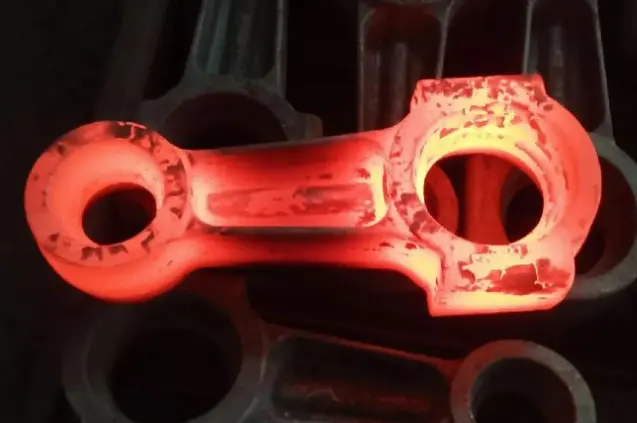
Using grain flow optimization in important engine parts has become very popular in the car industry, leading to big changes in durability and performance. When compared to regular designs, connecting rods made with improved grain flow have 40–60% longer fatigue life, which means that engines work better and need less upkeep.
Strategic grain forged components are very helpful for suspension parts, especially when they have to deal with constant cyclic loads from uneven roads. Control arms and steering knuckles made with grain flow patterns matched to main load paths are very resistant to fatigue cracks. This makes vehicles safer and lowers the cost of warranties.
One of the most complex ways that grain flow optimization is used in the car industry is in crankshaft making. Precise grain flow control is needed to make sure the engine works reliably for its entire service life because of the complicated loading patterns and important safety requirements. Modern crankshaft forgings have wear lives of more than 200 million cycles thanks to careful planning of the grain flow.
Aerospace Applications and Performance Validation
Landing gear parts show how important it is to optimize grain flow in aircraft use, where failure of a part can have terrible results. During each landing cycle, the main landing gear struts are loaded and unloaded very quickly and repeatedly. This means that the grain flow patterns must be specially built to survive these conditions for the life of the airplane.
Turbine parts in airplane engines have to work in very hot and very stressful situations that require high resistance to wear. When optimized grain flow patterns are used to make turbine disks and blades, they can last for more than 20,000 flight hours while still meeting the safety standards set by flying officials. The extra engineering and manufacturing costs are worth it because the longer component life and lower upkeep needs save money.
Conclusion
The grain forged components are a big step forward in forging technology that makes important industry parts much more resistant to wear. When crystal structures are strategically aligned during forging, better mechanical qualities are created that make parts last longer, break less often, and have lower total ownership costs in a wide range of industrial settings. As factory needs keep pushing for higher standards of performance and dependability, optimizing grain flow becomes more and more important for staying ahead in global markets.
FAQ
What is grain flow in forged components?
Grain flow is the way that metal grain structures are lined up in a certain direction during the forging process. Unlike cast parts, which have random grain orientations, forged parts have continuous grain patterns that follow the shape of the part and the expected stress lines. This gives the part better mechanical qualities and resistance to wear.
How does grain flow improve fatigue resistance?
Grain flow makes wear resistance better by making continuous paths that spread stress evenly and stop cracks from spreading. When grain boundaries line up perpendicular to the main stress directions, they work as walls that deflect cracks and make them need more energy to spread. This makes the part last a lot longer when it is loaded and unloaded many times.
What forging techniques optimize grain flow patterns?
Several forging methods, such as open die forging for big parts, closed die forging for precise control, and impression die forging for complicated shapes, make the grain flow patterns better. CAD/CAE simulation tools are used in modern processes to predict and improve grain flow during the planning phase. This makes sure that the best patterns are used for each application.
How do forged components compare to cast alternatives in fatigue performance?
When it comes to wear performance, forged parts are much better than cast ones. Under the same loading conditions, they usually serve three to five times longer. This benefit comes from constant grain flow patterns, better material density, and the lack of casting flaws that can cause cracks to start in cast parts.
Partner with Welong for Superior Forged Components Manufacturing
In forged components used in aircraft, automobile, and industrial manufacturing uses, Welong's 20 years of experience in optimizing grain flow provides excellent fatigue resistance. Our methods are ISO 9001:2015 certified, we have advanced metallurgical skills, and we offer full technical help to make sure that the grain flow design is perfect for your needs. We work closely with procurement teams to create unique solutions that go above and beyond international standards and meet tight delivery dates because we are a trusted seller of forged components. Email our engineering team at metal@welongpost.com to talk about how our knowledge of grain flow can help your parts work better and cost less over their entire life.
References
1. Davis, J.R. (2005). "Fatigue and Fracture: Understanding the Basics." Materials Park, Ohio: ASM International Materials Engineering Series (2012).
2. Dieter, G.E. and Bacon, D.J. (2006). "Mechanical Metallurgy: Fourth Edition." McGraw-Hill Education, New York.
3. Semiatin, S.L. (2005). "Metalworking: Bulk Forming." ASM International Handbook Series, Volume 14A, Materials Park, Ohio.
4. Bannantine, J.A., Comer, J.J., and Handrock, J.L. (1990). "Fundamentals of Metal Fatigue Analysis." Prentice Hall Engineering Materials Series, New Jersey.
5. Thomas, A. and Rohatgi, A. (2014). "Microstructure and Fatigue Properties of Forged Aluminum Alloys." Journal of Materials Engineering and Performance, Volume 23, Issue 8.
6. Roberts, W. (1983). "Hot Working and Forming Processes: Forging and Related Operations." The Metals Society Conference Proceedings, London.

Share your inquiry, get the quotation accordingly!

China WELONG- Your Reliable Partner in Metal Solutions