Forging Design Guidelines: How to Optimize Your Metal Parts?
Forging design guidelines serve as the foundation for creating high-performance metal components that meet demanding industrial requirements. When you partner with experienced forging services providers, optimized design principles transform raw materials into superior parts with enhanced strength, durability, and precision. Understanding proper forging design methodology enables procurement professionals to source components that deliver exceptional performance while maintaining cost-effectiveness and compliance with international quality standards.
Understanding Forging and Its Impact on Metal Part Optimization
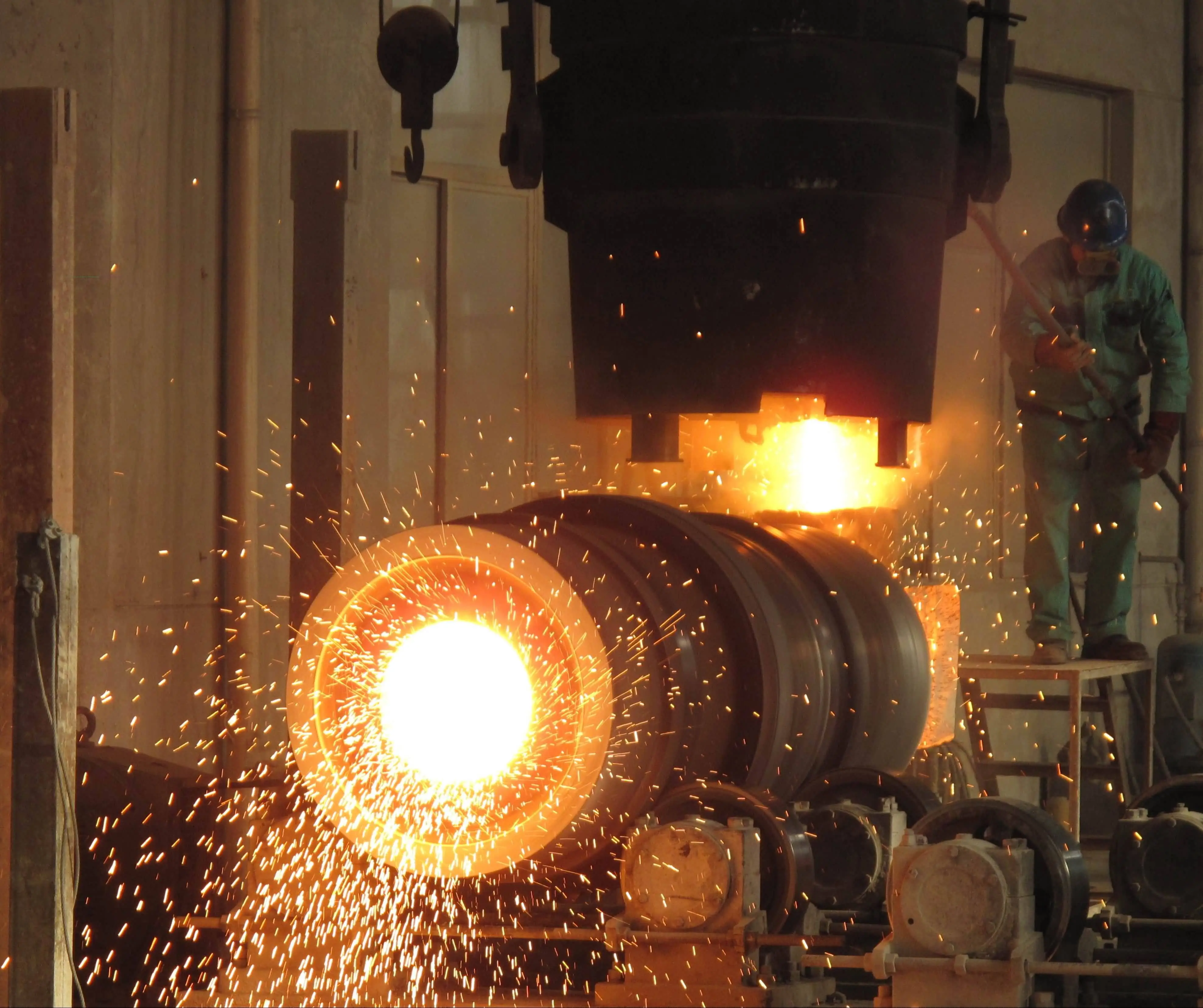
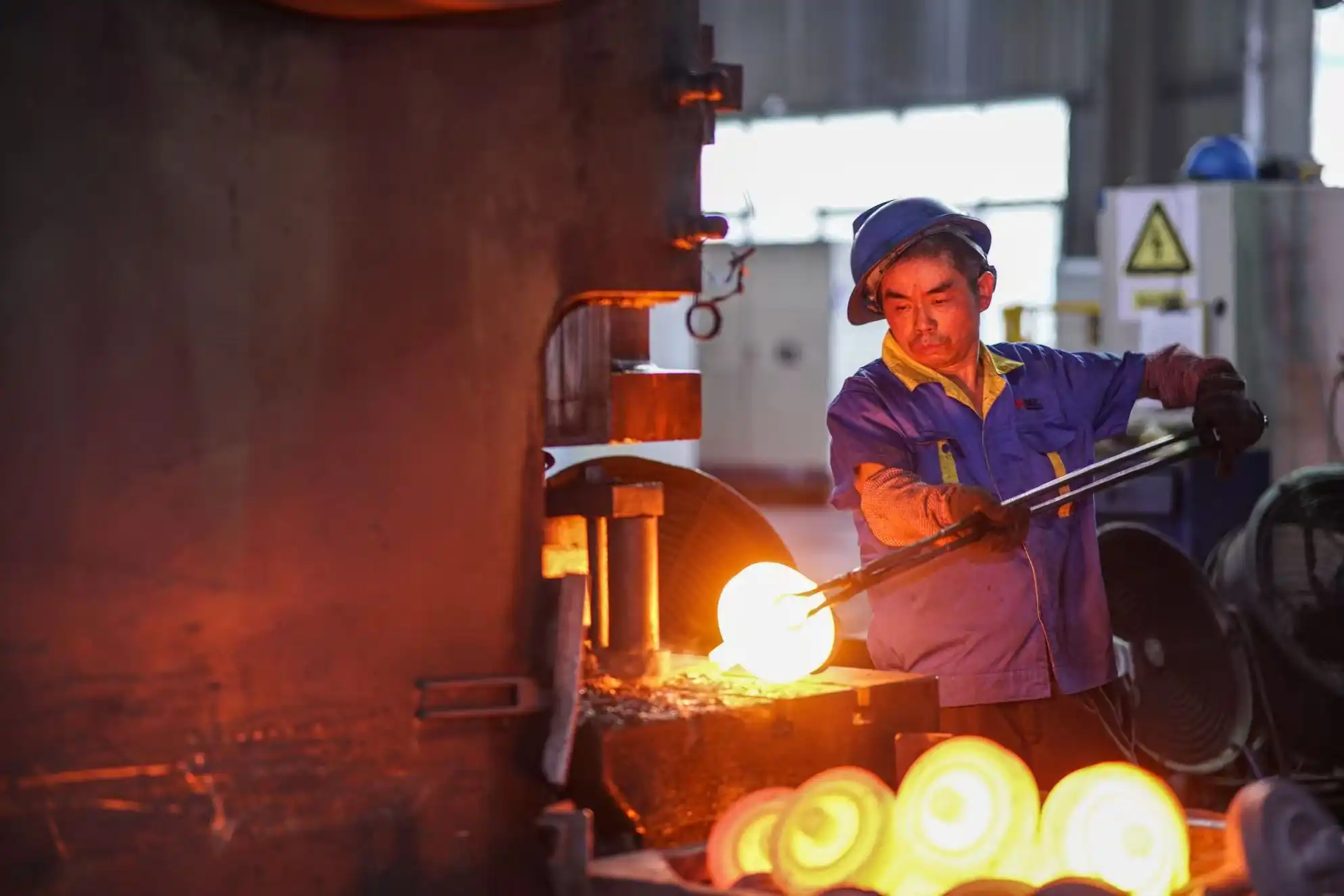
Forging is one of the most basic ways to make things. It forms metal by controlled deformation, making parts with better mechanical features than those made with other methods. By carefully controlling temperature and pressure, this metal-forming method improves strength, resistance to wear, and structural stability by changing the grain structure of materials.
Hot vs. Cold Forging: Temperature Impact on Performance
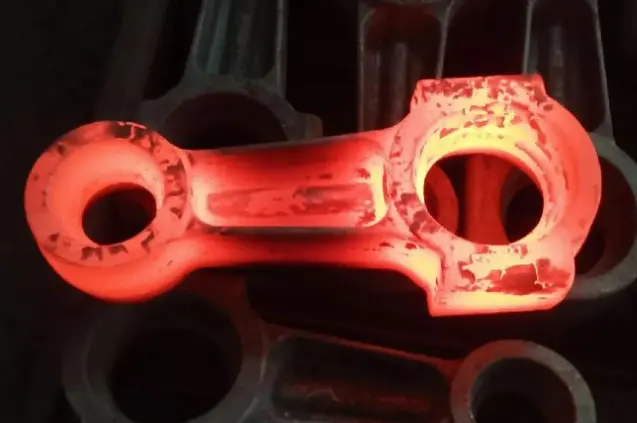
The temperature at which forging takes place has a big effect on the end part's properties and its ability to be made. For steel metals, hot forging works at temperatures between 1800°F and 2300°F, which lets for complex shapes and lower forming forces. The high temperatures relax the material, which lets it be shaped into complex forms while keeping the surface finish and measurements perfectly accurate.
The bending process in cold forging services is performed at room temperature, which is usually below the point at which the material recrystallizes. Through work hardening, this method makes parts with a better surface finish, tighter standards, and higher strength. Cold forging is especially useful for smaller parts that need to be precisely sized and have better mechanical qualities.
Material Selection for Optimized Forging Performance
The choice of material has a direct effect on the success of shaping and the performance of the end part. Carbon steels between 1010 and 1050 are great for general industry uses because they are strong and easy to shape. Alloy steels with chromium, nickel, and molybdenum can be hardened more easily and prevent corrosion better in harsh settings.
Aluminum alloys have very high rates of strength-to-weight ratios, which makes them perfect for use in aircraft and cars, where weight reduction is still important. Titanium metals are used in oil and gas drilling tools because they are very resistant to corrosion and work well at high temperatures.
Manufacturing Advantages Over Alternative Processes
Casting and grinding are not as good as forging when it comes to specific benefits. The controlled molding process gets rid of the porosity and internal holes that are common in cast parts. This makes them more durable and reliable. Forging creates directional strength qualities that improve part performance under cyclic loading situations by allowing the grain to move continuously.
The cost-effectiveness comes from making good use of materials and producing less waste. Forging is usually the best way to make things that are close to net-shape, which means that less cutting and material waste is needed later. The process makes it possible to make a lot of things quickly and consistently, and the wait time is shorter than with heavy machining.
Key Forging Design Principles to Optimize Metal Parts
To get the best results from a forging, the designer needs to know a lot about how the material behaves, the shape of the die, and the process factors. The best way to use the forging process's natural benefits is to follow good design principles that stop common flaws.
Draft Angles and Geometric Considerations
Draft angles make it possible for parts to come out of forging dies correctly while keeping their dimensions. Different parts have different draft angles, but most of the time they are between 3° and 7°. Shallow angles waste less material but may make it harder to remove parts, while higher angles make release easier but waste more material.
Fillet edges keep stress from building up and material flow from being uneven during the shaping process. Minimum circles are usually twice the width of the material to make sure it flows properly and doesn't crack. When things are used, sharp corners can cause stress to build up and cause things to break before they should.
Wall width uniformity helps materials move evenly and stops flaws like laps and cold shuts. When there are sudden changes in thickness, gentle tapers should be used to keep the material consistent throughout the part. Uniform sections make sure that the whole part has the same cooling rates and mechanical qualities.
Material Flow Optimization Strategies
Designers can set up grain structures for the best strength in key load directions by understanding how materials flow. When you forge something, you create directional grain flow that tracks the shape of the part. This makes it stronger against fatigue and impacts along the main stress lines.
The right shape of the preform helps the placement of the material and lowers the forming forces during impression die forging. Strategically distributing the materials makes sure that the dies are filled while reducing flash creation and material loss. Before the final shape operations, performing operations can set up the grains in a way that is good for them.
Tolerance Specifications and Quality Control
Tolerances for forged parts are usually between ±0.005" and ±0.030", but this depends on the size, complexity, and way of forging used. Because of less thermal expansion and better physical stability, cold forging usually makes limits that are tighter than hot forging.
To get the accuracy needed, critical measurements may need to be machined more than once. Design optimization combines the need for forging with the need for machining to keep quality standards high while lowering total production costs. Tolerance distribution that is done right takes into account both the ability to manufacture and the needs of the function.
Comparing Forging Techniques and Choosing the Right Method
Choosing the right forging method relies on a number of things, such as the properties of the material, the production volume, the size needs, and the complexity of the part. With knowledge of the pros and cons of each method, you can choose the best process for any given situation.
Open-Die vs. Closed-Die Forging Applications
In open-die forging, flat dies or simple tools are used to shape materials by slowly deforming them. This method works for big parts with complicated shapes that are too complicated for normal dies to handle. Open-die forging services is flexible for making prototypes and small batches of products while keeping the good qualities of the material.
Grain polishing is possible with this method because it uses controlled reduction steps to break down cast structures and get rid of flaws. Large shaft parts, rings, and custom shapes that need a lot of material handling work best with open-die forging.
Precision tools are used in closed-die forging to make near-net-shape parts with better surface finish and measurement accuracy. The process keeps the flow of material inside the die holes, which makes sure that the part's shape stays the same and eliminates human variation. Closed-die methods work best in places where a lot of things need to be made quickly and consistently, with few finishing steps.
Impression Die Forging for Complex Geometries
The advantages of closed-die precision are combined with the ability to work with complex three-dimensional forms in impression die forging. Multi-cavity dies are used in the process to make things gradually through a series of steps. With this method, complex shapes can be made while still having great grain flow properties.
This method works especially well for parts in the aircraft and car industries that need complex shapes with different cross-sections. By maximizing grain alignment and getting rid of material discontinuities, compression die forging makes parts that are more resistant to wear.
Specialized Forging Processes
By compressing material along its plane, upset forging creates heads on screws and other similar parts that have a larger cross-sectional area. This process keeps the material's consistency while changing its dimensions significantly in some places. Upset forging makes it possible to make standard metal parts quickly and with good mechanical qualities.
Through radial and axial compression, ring rolling makes spherical parts that are seamless. When this process is used, big rings with better mechanical features are made than welded ones. Ring rolling is especially good for bearing races, pressure tank flanges, and parts of spinning machinery that need to be very reliable.
Procurement Strategies for Forged Metal Parts in B2B Markets
To successfully buy forged parts, you need to carefully evaluate each seller and use smart buying methods that balance quality, cost, and delivery needs. Understanding what suppliers can do and what certifications they need is important for making sure that the supply chain works reliably.
Supplier Qualification and Certification Requirements
A quality license is an important way to make sure that a supplier's skills and process control methods are up to par. ISO 9001:2015 approval shows that a company has a complete quality management system with written methods and ways to keep making things better. ASTM conformity makes sure that testing methods and materials meet global standards for chemistry and mechanical make-up.
Industry-specific certifications, like AS9100 for aircraft and ISO/TS 16949 for cars, show that a company has specialized knowledge in tough fields. In addition to the general ISO standards, these certifications need extra process controls and recording systems.
As part of assessing a company's manufacturing capabilities, its tools, technical know-how, and output flexibility are all looked at. These days, hammers and presses are handled by computers and have built-in systems for tracking the process. Advanced providers offer services for design improvement and metallurgical knowledge to improve the performance of parts.
Cost Management and Lead Time Optimization
Figuring out what causes costs is important for negotiating well and lowering overall costs. Material prices usually make up 40 to 60 percent of the total cost of forging services. This makes choosing the right materials and reducing trash very important. For complicated shapes, tooling prices can be high, but they go down over time as more tools are made.
Managing lead times means finding a balance between the prices of inventory and the dependability of supplies. Shorter lead times are possible with standard materials and geometries, but longer development times may be needed for unique uses. Setting up a framework that deals with qualified sellers cuts down on the time it takes to buy things and makes sure that all the available capacity is used.
Volume consolidation tactics make it easier to handle suppliers and increase the buying power of the company. When you combine needs from different product lines, you can get better prices and better ties with your suppliers. Long-term relationships give providers a clear picture of where investments can be made in capacity planning and process improvement.
Regional Sourcing Considerations
Strategies for global buying weigh the benefits of lower costs against the risks in the supply chain and the need for high quality. Regional providers may be better at communication, logistics, and being quick, and their prices may still be affordable. Local sources make it possible to make prototypes quickly and work together as engineers.
International providers can save you money and offer specialized services, but you need to keep a closer eye on quality and coordinate transportation better. Understanding different cultures and following the right way to talk to each other are important for foreign partnerships to work.
Supply chain diversification lowers the risks that come with relying on a single source, but it also keeps key sellers under pressure from competition. To keep ties with suppliers and keep capacity from not being used to its full potential, dual-sourcing methods need careful management.
Ensuring Quality and Performance in Forged Metal Parts
To make sure the quality of forged parts, they must go through strict testing procedures and meet set standards that check for both mechanical traits and accuracy of dimensions. Systematic quality control methods make sure that performance is always the same and that regulations are followed.
Non-Destructive Testing and Quality Verification
Ultrasonic testing finds flaws inside materials, like holes, spots, and breaks in the material, without hurting the end product. This method can do both full volume inspections and numeric characterizations of defects. Modern ultrasonic equipment has screening systems that are automatic and record data digitally so that it can be tracked.
Magnetic particle screening finds flaws on the surface and close to the surface of ferrous materials. Through magnetic field distortion patterns, the method shows up splits, laps, and other breaks. With their high sensitivity to surface irregularities, fluorescent penetrants can find flaws in materials that aren't magnetic.
Coordinate measuring tools and optical systems are used in dimensional checking to make sure that shapes are correct. Statistical process control methods keep an eye on changes in dimensions and let changes be made before parts that don't meet standards get to customers. Automated inspection tools give a quick response and keep detailed records.
Mechanical Testing and Property Verification
Tensile testing follows standard methods to measure a material's strength, flexibility, and elasticity. Test samples taken from production parts or witness samples show that the forging process achieves the desired mechanical qualities. With digital data recording, automated testing methods give quick findings.
Testing for hardness is a quick way to see if the heat treatment worked and that the material was all the same. The Rockwell, Brinell, and Vickers hardness scales can be used with a range of products and tasks. Portable hardness testers let you check things in the field and inspect things going in.
Impact testing checks how tough a material is and how well it can handle quick loads. Charpy and Izod testing methods measure how much energy something can absorb at different temperatures. It is especially important to do these tests on parts that work in low-temperature areas or under shock loads.
Continuous Improvement and Process Optimization
Key process factors are tracked by statistical process control systems, which also look for trends that could affect quality. Real-time data collection lets you respond right away to changes in the process and stops the production of parts that don't meet standards. Control charts keep track of important factors and give workers graphic feedback.
The ideas behind lean manufacturing get rid of waste and make the whole production process more efficient. By mapping the value stream, you can find ways to shorten cycle times and improve quality. Standardized work processes make sure that results are always the same and make it easier to keep improving.
Process checks are done on a regular basis to make sure that written rules are being followed and to find ways to make things better. Internal checks go along with reviews by customers and certification bodies. Through root cause analysis, corrective action systems deal with nonconformances and stop them from happening again.
Conclusion
To get the most out of forged metal parts, you need to know a lot about design principles, production methods, and quality standards that have a direct effect on how well and how reliably the parts work. Strategic relationships with experienced forging services give you access to more advanced tools while keeping costs low and delivery times on time. Quality licenses, proven manufacturing skills, and efforts to make things better all the time give buyers trust in the suppliers they choose. Forged parts meet strict performance standards in a wide range of industry settings when they are made with qualified manufacturing partners and the right design rules are used.
FAQ
What factors determine the choice between hot and cold forging for metal parts?
The choice between hot and cold forging is mostly based on the qualities of the material, the complexity of the part, and the limits that need to be met. By lowering the forming forces through high temperatures, hot forging can work with complicated shapes and hard materials. Cold forging gives smaller parts a better surface finish and more accurate measurements, and it also makes the material stronger through work hardening.
How can procurement teams verify supplier quality certifications and manufacturing capabilities?
For verification, certification papers must be looked over, facilities must be inspected, and sample parts must be compared to specs. ISO 9001:2015 certificates should have information about the accrediting body and a description of the scope. On-site evaluations check the state of the tools, the process control systems, and the quality documentation. Independent testing of the sample shows that the measurements are correct and that it has good mechanical qualities.
What are typical lead times and cost considerations for custom forged metal parts?
Lead times vary from 4 to 12 weeks, based on how complicated the part is and what tools are needed. For simple shapes that use current tools, the process usually takes 4 to 6 weeks. For custom designs that need new dies, it may take 8 to 12 weeks. Costs include things like materials, handling fees, and the wear and tear on tools. Tooling cost distribution and better piece prices help sales with a lot of pieces.
How do forged parts compare to cast and machined alternatives in terms of performance?
Because the grain flow is managed and there are no holes, forged parts are better at resisting wear and impact. The structure of the continuous grains gives the material directionally strong qualities that make it work better under repeated loads. Casting may be cheaper for complicated shapes, but it usually needs extra work to get the key measurements right. Machined parts are very accurate in terms of size, but cutting the grain may weaken them.
Partner with Welong for Advanced Forging Solutions
Welong offers a wide range of forging services and has been making high-quality products for over 20 years, and is ISO 9001:2015 certified. Using AutoCAD, Pro-Engineering, and SolidWorks, our engineering team works directly with clients to improve the designs of parts. We make parts from plans and samples that you send us, and we also offer design improvement services that improve performance and make it easier to make. Welong has a track record of providing reliable supply chain management and consistent quality delivery to car, aerospace, and industrial customers in Europe, North America, and the Asia-Pacific region. Get in touch with us at metal@welongpost.com to talk about your forging needs and find out how our forging services provider can help you get the best metal parts.
References
1. Smith, J.R. "Advanced Forging Design Principles for Industrial Applications." Journal of Manufacturing Engineering, Vol. 45, 2023.
2. Thompson, M.K. "Quality Control Systems in Modern Forging Operations." International Forging Association Technical Bulletin, 2023.
3. Rodriguez, C.A. "Material Selection Guidelines for Optimized Forging Performance." Metallurgical Engineering Quarterly, Vol. 38, 2023.
4. Wang, L.H. "Procurement Strategies for Global Forging Supply Chains." Supply Chain Management Review, Vol. 27, 2023.
5. Anderson, P.J. "Non-Destructive Testing Methods for Forged Components." NDT International Standards Manual, 2023.
6. Kumar, S.V. "Comparative Analysis of Forging Techniques in Aerospace Manufacturing." Aerospace Materials Engineering, Vol. 52, 2023.

Share your inquiry, get the quotation accordingly!
China WELONG- Your Reliable Partner in Metal Solutions