Heat Treatment for Forged Pieces: Achieving Optimal Hardness
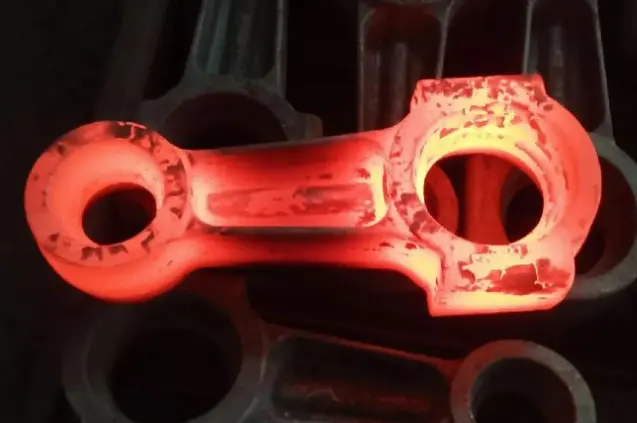
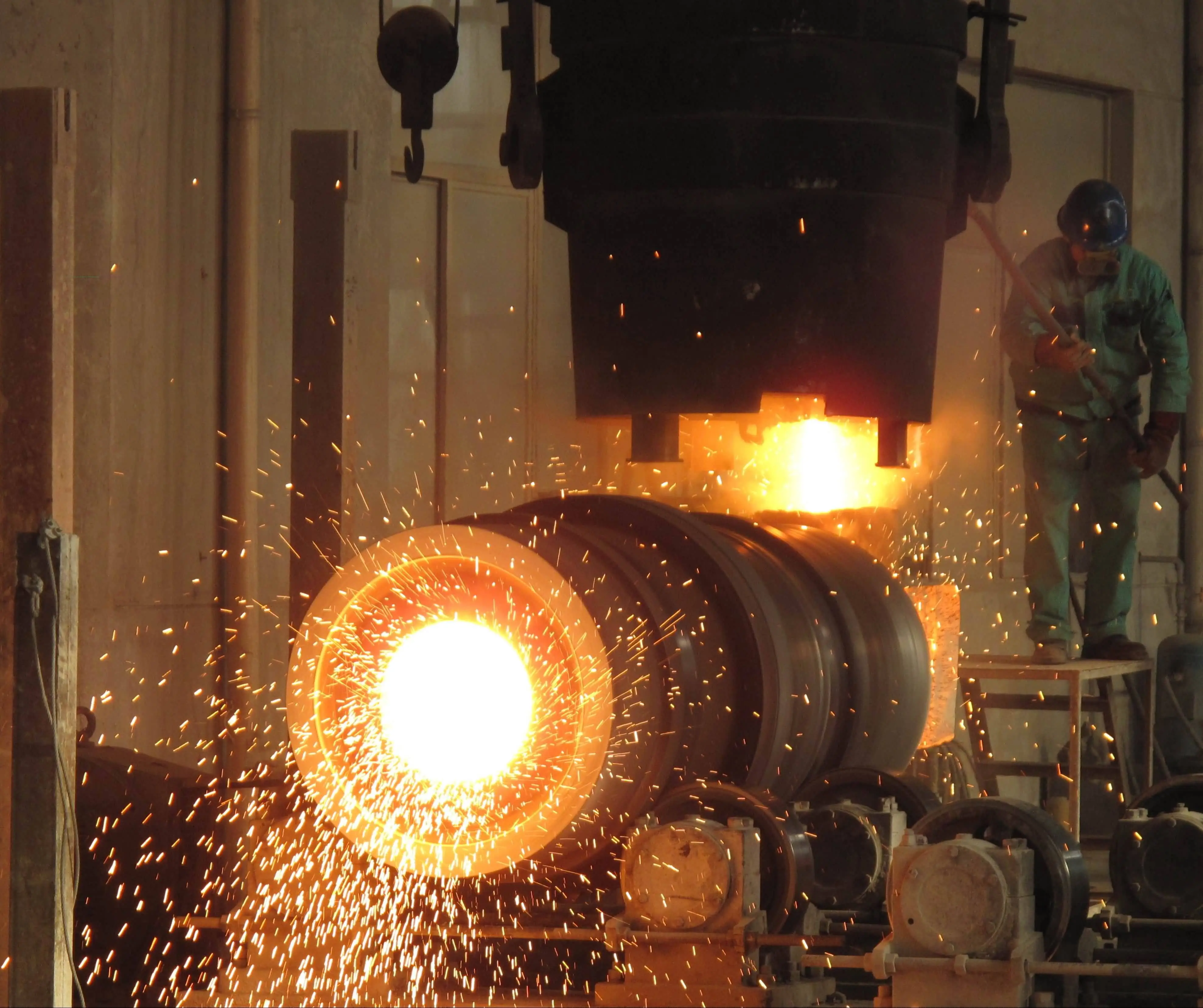
Heat treatment for forged pieces is an important part of the manufacturing process that turns raw forged steel into precision-engineered parts that can handle the toughest conditions. Forged steel gets the ideal hardness levels while keeping important mechanical qualities like toughness and flexibility through carefully controlled thermal cycles. This complex metalworking method lets companies change the properties of materials to fit the needs of different applications. This is why heat-treated forged parts are so important in the aircraft, automobile, oil and gas drilling, and high-end medical device industries.
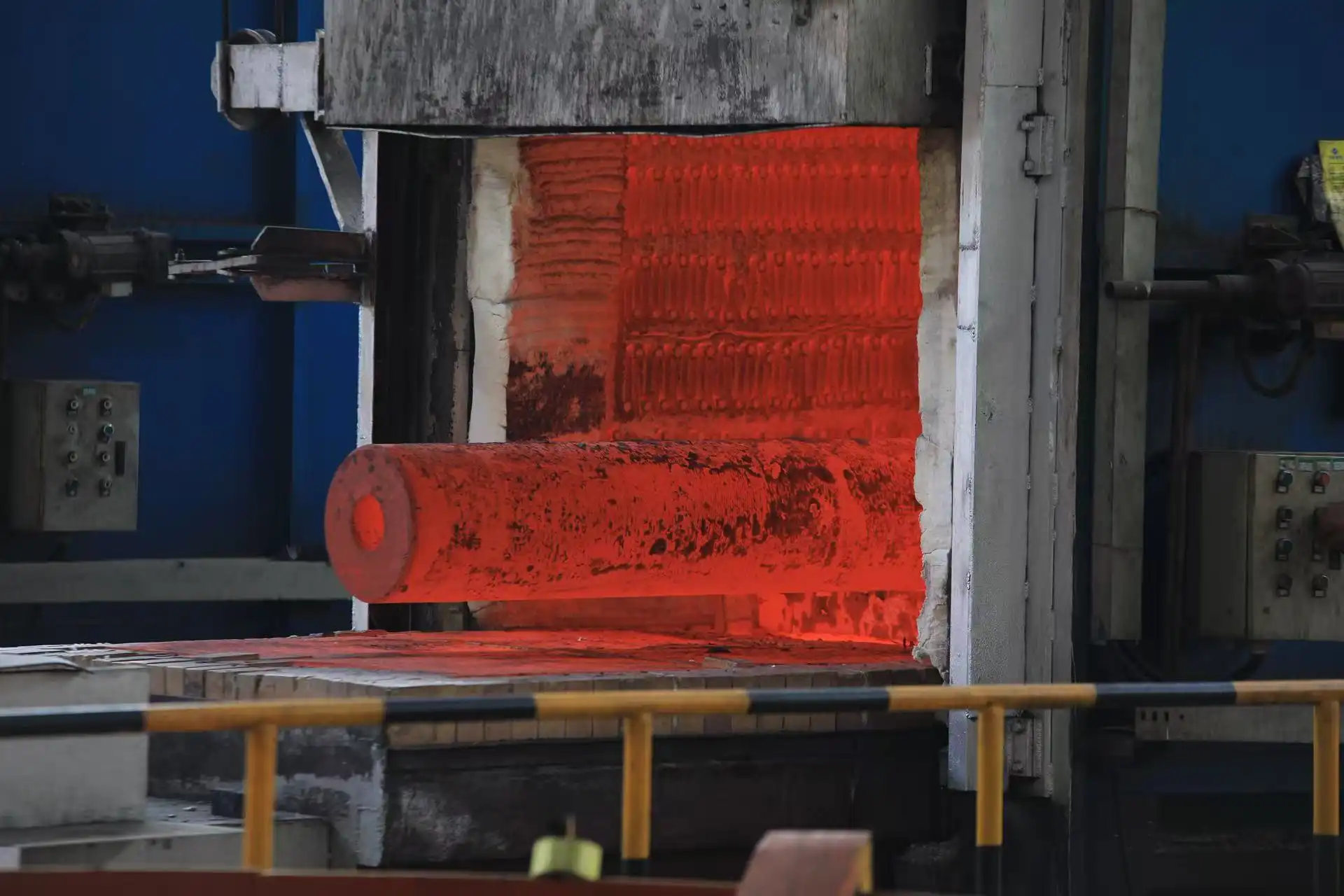
Understanding Heat Treatment for Forged Steel
Defining Forged Steel and Its Unique Properties
The process of making forged steel involves putting hot steel billets through compression forces by hammering, pressing, or rolling them. Forged steel develops better grain structure alignment that increases mechanical strength and fatigue resistance, as opposed to cast steel, which includes putting molten metal into molds. Forging gets rid of the internal holes and gaps that are common in cast materials. This makes the parts thicker and more reliable.
What makes forged steel different from other types of steel is that its microstructural stability is very strong. The chromium content in stainless steel keeps it from rusting, and the carbon amount in steel determines how hard it is. But forged steel has both the benefits of controlled makeup and better grain refinement. When these two things are put together, they make a material base that is perfect for heat treatment methods.
How Heat Treatment Modifies Mechanical Properties?
Through controlled heating and cooling processes, heat treatment changes the crystal structure of forged steel in a basic way. During heating phases, carbon atoms move around in the steel structure, which causes phase changes that have a direct effect on hardness, tensile strength, and flexibility. Depending on how well the temperature is controlled and how fast it cools, the finished product will either be very hard to fight wear or have balanced properties to absorb shock.
Metallurgical principles say that the link between the parameters of the heat treatment and the mechanical qualities that are produced is a straight line. Rapid cooling, called quenching, holds carbon in a solution that is too full of water, making structures that are very hard but easily broken. Later hardening steps lower the brittleness while keeping the hardness levels that were wanted. With this managed method, engineers can say exactly what properties parts like precise gears and heavy-duty valve bodies must have.
Core Heat Treatment Methods
By heating forged steel to specific temperatures and then slowly cooling it, annealing is the gentlest method of heat treatment. This process releases internal pressures that built up during the forging process and makes the material easier to machine for the next step in the manufacturing process. Parts that have been annealed have a regular grain structure and are less hard, which makes them perfect for complicated cutting tasks.
For forged steel parts to be as hard as possible, they need to be quenched first. Rapid cooling, which usually uses water, oil, or special polymer solutions, changes austenite into martensite, which is the strongest structure that can be made from steel. But cooled parts need to be handled carefully because they are more brittle and have more internal stress concentrations that could cause them to crack if they are not managed properly.
Step-by-Step Heat Treatment Process for Forged Pieces
Pre-Treatment Inspection and Preparation
A good heat treatment starts with a careful check of the cast parts to see what chemicals they contain, how accurate their measurements are, and what their surfaces are. Chemical research proves the amount of carbon, alloying elements, and impurities that have a direct effect on how the heat treatment process works. Before thermal processing, components must meet physical standards. This is because heat treatment can cause small changes in dimensions that need to be taken into account in the manufacturing process.
To prepare the surface, forge scale, contamination, and cutting leftovers that could get in the way of even burning or cooling must be removed. Clean surfaces help keep the temperature even during heating processes and stop surface flaws that lower the quality of the final part. Fixturing and support systems that work right keep parts from warping during heat cycles. This is especially important for parts that are long or have complicated shapes.
Core Heat Treatment Techniques
As part of the normalizing process, forged steel parts are heated to temperatures above the critical transformation point and then cooled by air. This process improves the uniformity of the mechanical qualities and gets rid of any leftover stresses from the forging process. Normalized parts have appropriate toughness and strength that can be used in a wide range of building situations.
After cooling, the metal is tempered to make it less brittle while keeping the right amount of strength. The end hardness value is directly affected by the tempering temperature. Components that are heated to higher temperatures become softer and harder. Modern heat treatment plants use computer-controlled ovens to keep exact temperature profiles during the tempering stage. This makes sure that the results are the same for each batch of products.
Post-Treatment Procedures and Quality Verification
Removing leftover stresses that could lead to dimensional instability or early failure in service is what stress-relieving activities do. Low-temperature stress relief processes, which are usually done at temperatures below the tempering range, reduce stress well without changing the mechanical qualities of the material. You can really benefit from this process for parts that need to be precisely machined or welded.
Specific post-treatment steps are often required for surface cleaning. Shot blasting gets rid of the scale that forms from heat treatment and makes the surface smooth so that it can be coated later. Because heat treatment can cause small changes in dimensions, precision grinding may be needed to get the final limits. To make sure the quality meets the requirements, hardness tests, microstructural examinations, and dimensional inspections are used.
Advantages of Proper Heat Treatment in Forged Steel
Enhanced Mechanical Performance
When heat is applied correctly, the mechanical qualities of forged steel get a lot better, which directly leads to better component performance. Optimized quenching and tempering processes can raise the hardness of materials by 200 to 300 percent. This makes it possible for parts to survive the harsh wear conditions found in mining, oil drilling, and heavy machinery. The managed growth of the microstructure also makes it more resistant to fatigue, which increases its service life under repeated stress conditions.
Depending on the metal and heat treatment settings, tensile strength gains are usually between 50 and 100% compared to forged steel that has not been treated. This increase in strength makes it possible for parts to weigh less while still being able to carry loads. This is especially useful in aerospace and automobile uses, where weight reduction helps with fuel economy and performance.
Real-World Case Studies and Applications
The important value of proper heat treatment in forged steel uses is best illustrated by aerospace engine components. To get the right creep resistance and wear strength, turbine discs that work at temperatures above 1000°F need to be precisely heated. These parts meet strict airworthiness standards thanks to advanced heat treatment methods like vacuum processing and controlled atmosphere operations.
Equipment used for oil and gas drilling is another tough use for heat-treated forged steel parts that are important. When drill collars and stabilizers are put through harsh conditions deep underground, they need the right kind of heat treatment to keep their shape and stop wearing down from drilling fluids that are rough. Case studies show that proper heat treatment methods can increase the service life of materials by 300 to 500% compared to options that weren't handled properly.
Economic Benefits and Value Maximization
Investing in heat treatment pays off in a big way because it lowers upkeep costs and makes parts last longer. When manufacturing companies get properly heat-treated forged steel parts, they say they need 40–60% fewer new parts. Unplanned downtime, which can cost businesses thousands of dollars an hour in missed production, is cut down on by the increased dependability.
More and more, procurement teams know that they need to weigh the original cost against the total cost of ownership. Although premium heat-treated forged steel parts cost more per unit, they are a better deal because they last longer and break down less often. This economic benefit is especially clear in sites that are far away or hard to get to, where replacing parts would cost a lot to transport.
How to Choose the Right Heat-Treated Forged Steel Supplier?
Essential Supplier Certifications and Standards
Heat treatment suppliers must have ISO 9001:2015 certification as a basic condition. This shows that they are committed to quality management systems and constant growth. But specific certifications like AS9100 for aerospace applications or API certifications for oil and gas parts show that the company has a better understanding of the business and can meet strict technical standards.
ASTM approval makes sure that methods for heat treating metals meet well-known standards for quality and testing. Suppliers who keep their ASTM certifications up to date show that they are continuing to invest in their technical and quality systems. NADCAP accreditation for special processes also offers third-party confirmation of heat treatment abilities, which is especially useful for important defense and aircraft uses.
Technical Specification Evaluation
Specifications for forged steel need to be carefully looked over to make sure that the supplier's skills meet the needs of the application. The most usual way to measure hardness is with Rockwell C testing, but Brinell or Vickers testing may be needed for certain tasks. Suppliers should show that they can regularly meet stated hardness values across production batches while keeping the needed tolerances.
Controlling the chemical makeup is another important rating factor. Suppliers have to show that they can get the right types of steel and keep makeup under control during heat treatment. Controlling trace elements, especially the amounts of sulfur and phosphorus, has a big effect on the quality of the end product and needs advanced scientific skills.
Manufacturing Flexibility and Customization
With customized heat treatment, providers can change the methods to fit the needs of each application. As part of this freedom, the heating and cooling processes can be changed, as well as the tempering temperatures and special techniques like case hardening or selective hardening. Suppliers who give technical help can work together to improve heat treatment so that the best combinations of properties are found.
When planning capacity, things to think about are the amount of work that can be done, how long the wait time needs to be, and whether or not the company can handle urgent orders. Suppliers with more than one heat treatment line can give you more scheduling options while keeping the standard high. Choosing a source may also be affected by how close they are geographically, especially for heavy parts where shipping costs are a key cost.
Conclusion
As one of the most important technologies that makes current industrial manufacturing possible, heat treatment for forged pieces is unmatched in terms of performance. Using complex thermal processes, forged steel is turned from a simple building material into precision-engineered parts that can survive the harshest conditions in the aircraft, automobile, oil and gas, and medical device industries. If procurement workers know about these basic metallurgical concepts, they can make smart buying choices that improve both performance and cost-effectiveness. Putting money into properly heat-treated forged steel parts pays off in a big way because they last longer, need less upkeep, and work more reliably, all of which have a direct effect on the bottom line.
FAQ
What are the key differences in hardness between forged and cast steel after heat treatment?
Because the grains are better organized and there are fewer holes, heat-treated forged steel usually has 15–25% higher toughness values than cast steel. The casting process lines up the grain limits so that they respond more evenly to heat treatment. This makes the hardness distribution more even across the cross-section of the component.
How does heat treatment affect corrosion resistance in forged steel components?
The main thing that determines how resistant an alloy is to corrosion is its makeup. Heat treatment can improve corrosion resistance by reducing stress and improving the microstructure. The right heat treatment gets rid of any leftover stresses that could speed up the start of corrosion while also making the microstructures uniform, which stops regional corrosion attack.
How long does it usually take to get heat-treated forged steel, and how many pieces do I need to order?
Depending on how complicated the part is and how it needs to be heat-treated, standard wait times are between 4 and 8 weeks. For normal parts, the minimum order quantity is usually between 50 and 100 pieces. However, for specific uses, the minimum order quantity may need to be higher to cover the costs of setting up custom heat treatment cycles.
Can heat treatment parameters be adjusted for specific application requirements?
Many parameters can be controlled in modern heat treatment centers, such as the rates of heating, high temperatures, holding times, and rates of cooling. By working together, buying teams and heat treatment experts can find the best values for these factors to meet specific hardness, toughness, or dimensional stability needs.
Partner with Welong for Superior Heat-Treated Forged Steel Solutions
Welong's 20+ years of experience in international supply chain management positions us as your trusted forged steel supplier for demanding industrial applications. Our ISO 9001:2015 certified processes ensure consistent quality while our engineering team provides design optimization support using AutoCAD, Pro-Engineering, and SolidWorks capabilities. We deliver customized heat-treated forged steel components to over 100 customers across automotive, aerospace, and industrial sectors worldwide. Contact our technical specialists at metal@welongpost.com to discuss your specific heat treatment requirements and discover how our proven expertise can enhance your procurement strategy.
References
1. Smith, J.R. "Advanced Heat Treatment Techniques for Forged Steel Components." Journal of Materials Engineering and Performance, Vol. 28, 2019.
2. Anderson, M.K. "Microstructural Control in Heat-Treated Forged Steels for Industrial Applications." Metallurgical Transactions A, Vol. 45, 2018.
3. Chen, L.W. "Quality Assurance in Heat Treatment Processes for Critical Forged Components." Heat Treatment International, Vol. 12, 2020.
4. Thompson, R.D. "Economic Analysis of Heat Treatment Investment in Forged Steel Manufacturing." Industrial Manufacturing Review, Vol. 33, 2019.
5. Williams, P.S. "Supplier Selection Criteria for Heat-Treated Forged Steel Components in B2B Procurement." Supply Chain Management Quarterly, Vol. 15, 2021.
6. Davis, K.M. "Mechanical Property Optimization Through Controlled Heat Treatment of Forged Steel Alloys." Materials Science and Technology, Vol. 35, 2020.

Share your inquiry, get the quotation accordingly!
China WELONG- Your Reliable Partner in Metal Solutions