How does centrifugal casting work?
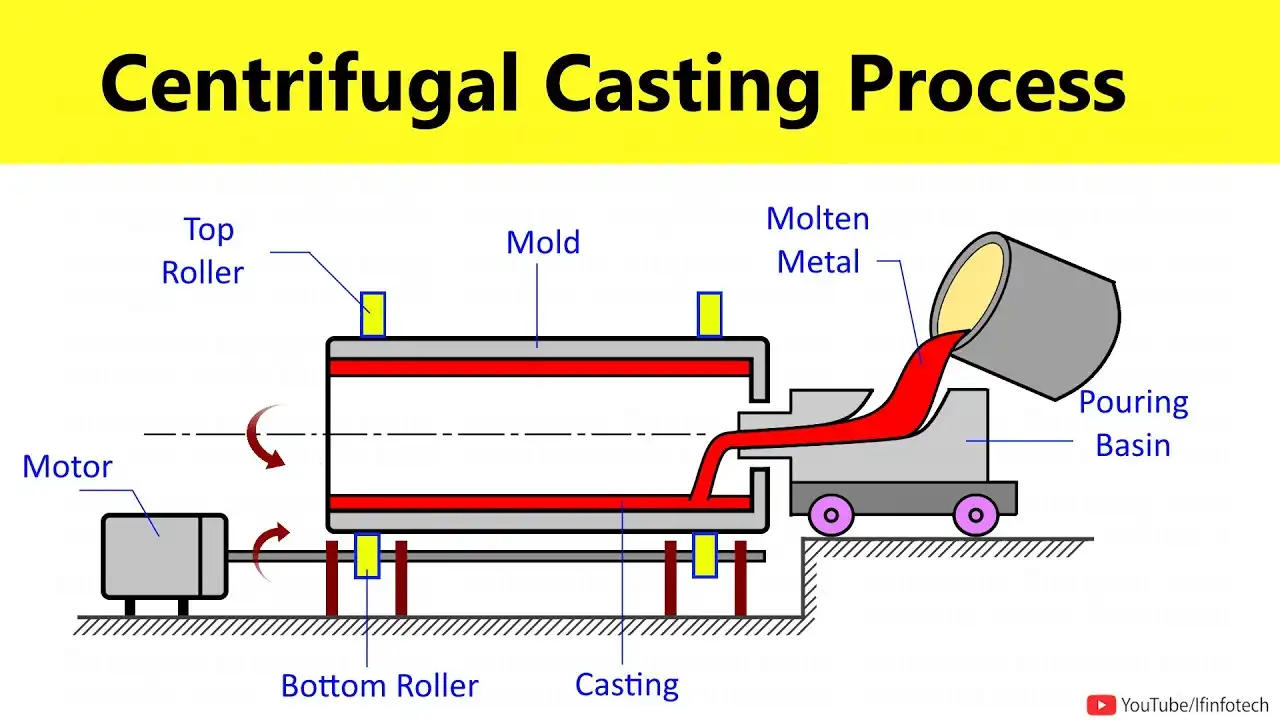
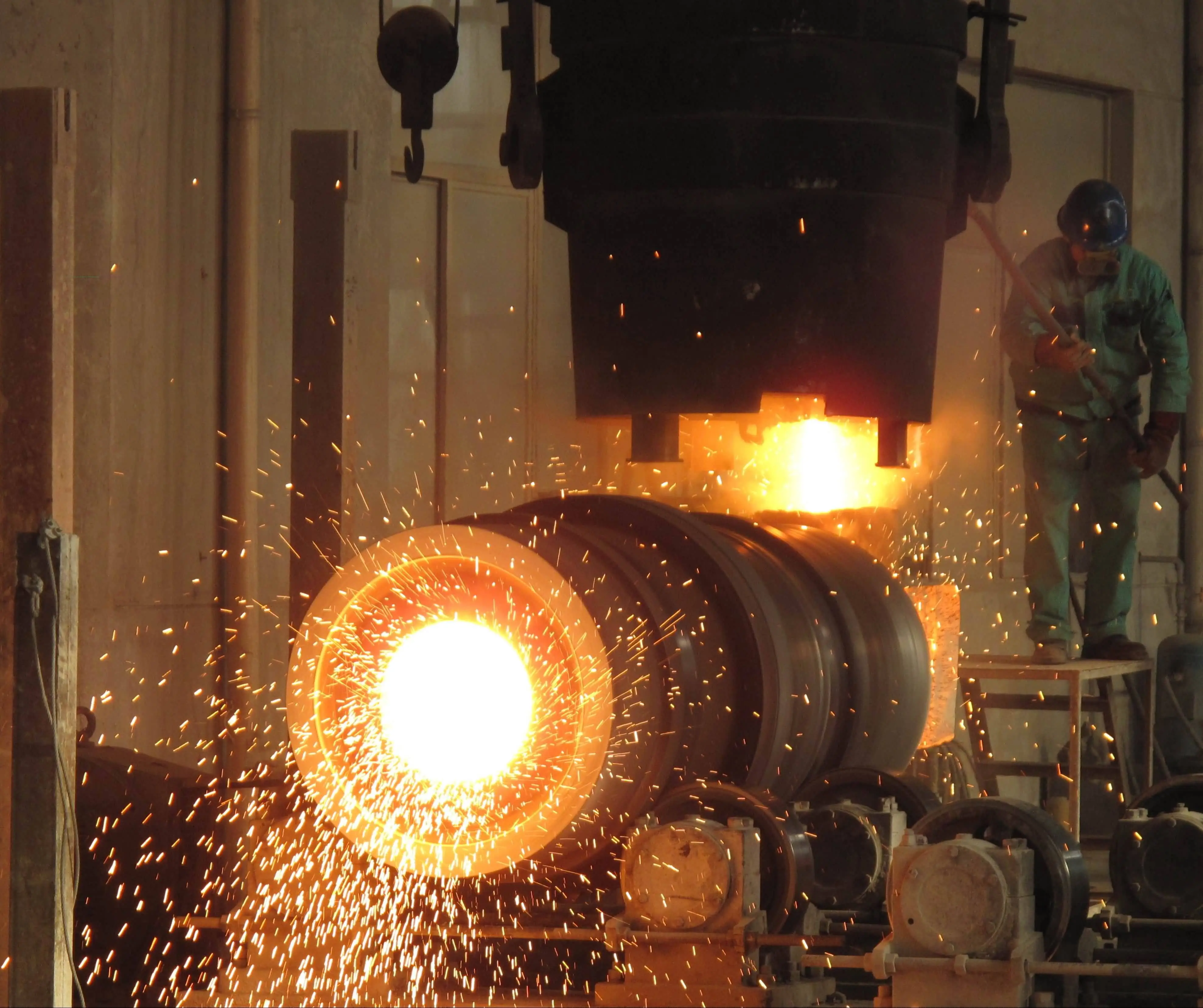
In Centrifugal casting, liquid metal is poured into a spinning mold that has already been heated. The metal is then pushed out against the mold walls by centrifugal force, which can be up to 100 times the force of gravity. As the mold moves side to side or up and down, the metal spreads evenly across the inside surface, gradually hardening from the outside to the middle. This controlled solidification pulls heavier metal parts outward while pulling lighter impurities, gas pockets, and inclusions toward the inner bore, where they are easy to machine away. This makes parts with great structural integrity and few flaws.
Understanding Centrifugal Casting Principles
Centrifugal casting is a specialized production process that uses rotational force to produce metal parts with better density and mechanical qualities than traditional static casting techniques. Welong has worked with purchasing managers in the oil drilling, aerospace, and car industries who know how valuable this process is when accuracy and dependability are essential.
Defining the Core Process
The basic process is very different from how filling is usually done. In regular sand casting, mold holes are filled only by gravity. Centrifugal casting, on the other hand, uses angular motion to create forces that spread molten material very evenly. The spinning mold makes a pressure environment that presses down on the metal and pushes contaminants away from important load-bearing areas at the same time.
Machine Types and Operational Diversity
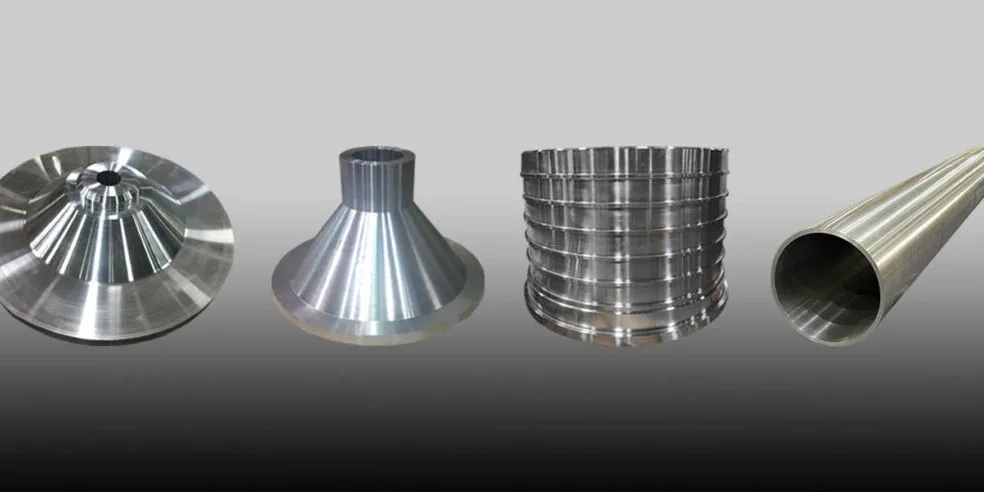
Three main designs meet different needs in the industry. Horizontal machines move the mold along a lengthwise plane and rotate around the middle. This makes it perfect for making long tubular parts like oil pumping equipment pipes, and bushings. Vertical machines have the mold straight up and down from the ground. They are best for making shorter, wider parts like bearing rings and flanges. Rotation and selective gate systems work together in semi-centrifugal machines to make solid parts like gear blanks and pulleys. The rotational force increases density in the outer regions, but material close to the axis may need to be machined later.
Metallurgical Benefits Through Controlled Solidification
When the material quickly solidifies under spinning force, it creates a fine-grained structure that makes the mechanical features better. When metal is cast, crystals form that are smaller and more evenly spread out than when it is static. This makes the material stronger, more durable, and less likely to wear down over time. This advantage in metals is especially useful in aerospace uses, where failure of a part is not a choice. For more than 20 years, we've helped engineering managers choose materials like bronze, aluminum, carbon steel, stainless alloys, and special nickel-based superalloys. All of these materials benefit from the better microstructure this method offers.
Step-by-Step Centrifugal Casting Process Explained
Knowing the whole process helps people who buy things figure out what suppliers can do and plan for quality control checks that will happen during production. Many supply chain directors have come to us for help with this review process when they want to lower the risk of sourcing while still keeping high-quality standards.
Mold and Equipment Preparation
The first step is to choose and prepare the mold. Permanent molds made of steel or graphite are heated to certain temperatures—usually between 200°C and 400°C, but this depends on the material being cast—to avoid thermal shock and make sure the metal flows properly. A refractory layer is often put on the inside of the mold to protect it, make it easier to remove parts, and change the surface finish. Before production starts, equipment checks make sure that the safety interlocks, heating systems, and spinning devices work properly.
Pouring and Rotation Parameters
Once the mold gets the desired preheating temperature and starts to turn at a set speed, liquid metal is added. If the temperature of the pouring is too low, the metal won't move right, and if it's too high, there may be too much rust or grain coarsening. Rotation speeds range from 300 to 3,000 RPM, based on the metal, the diameter of the part, and the thickness of the walls. The centrifugal force spreads the metal out evenly, and the controlled environment keeps turbulence to a minimum, which could trap gas or cause flaws.
Cooling and Solidification Control
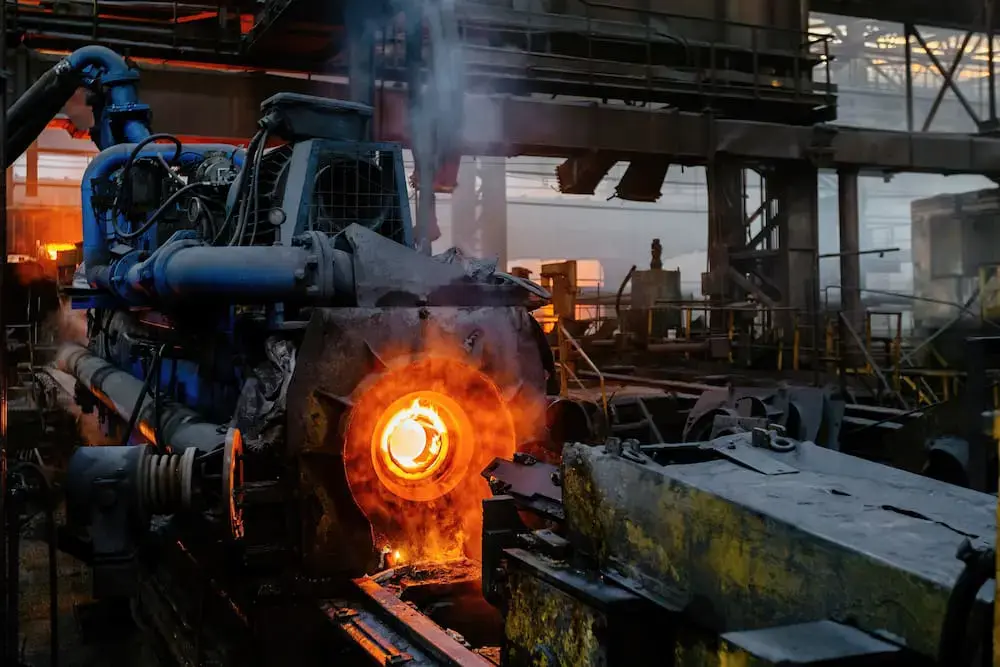
Cooling rates have a huge effect on the quality of the end product. Controlled cooling keeps the fine-grain structure that gives these parts their great qualities while preventing thermal stress that could lead to breaking. Some foundries use water mist or forced air cooling systems to exactly control the rate at which heat is removed. As the solidification front moves inward from the mold wall, it keeps sending impurities toward the hole, where they can gather and be cleaned up during finishing operations.
Inspection and Quality Verification
Each casting goes through measurement checking and non-destructive testing after it has cooled and been taken out of the mold. Surface flaws can be seen with the naked eye, while interior flaws like porosity or inclusions can be found with ultrasound or radiographic tests. Reliable sellers keep their ISO 9001:2015 certification and keep records of inspection results so that everything can be tracked. This is something we stress to clients who want to meet international quality standards. Any impurities that are still on the inner circle are machined away, leaving a part with great structural stability all the way through it.Have a need for custom centrifugal casting parts? Contact us now for quick quote service.
Advantages and Limitations of Centrifugal Casting for Industrial Use
It's easier to make smart purchasing choices when you know when Centrifugal casting really does have benefits and when other methods might work better. We've talked to engineering teams that first looked at this process because it was cheaper, but then realized that the better qualities of the material made the higher price worth it for their most important uses.
Superior Mechanical Properties and Material Integrity
When you use directed solidification and impurity segregation, you can make parts that are often stronger than forgings at about the same price. Tensile strength is usually 10 to 15 percent higher than in sand casts of the same metal, and fatigue resistance is even better. Because there are no center porosity, shrinkage holes, or gas trapping, design engineers can confidently ask for thinner walls, which lowers weight without lowering strength—a huge benefit in aircraft parts where every gram counts.
Cost Efficiency for Cylindrical Geometries
The process naturally makes hollow cylinder shapes without cores or complicated locking systems. This saves material and gets rid of flaws related to cores. When the inner circle is made, the material can be melted down and used again, which cuts down on waste. Dimensional accuracy often eliminates the need for extra processes, which lowers the overall cost of production even if the foundry charges more at first. When making medium to large amounts of pipes, bushings, bearing rings, and other shapes similar to these, this method becomes more cost-effective than other options.
Comparison with Alternative Casting Methods
Centrifugal casting gives you better control over the material's density and mechanical features, while sand casting gives you more physical freedom and lower tooling costs. Investment casting makes a great surface finish and intricate details, but it's not cost-effective for bigger parts and has trouble with the wall sizes it usually works with. Die casting is great for making a lot of small parts, but it has problems with alloys and can't match the structural stability that Centrifugal casting can provide for important tasks.
Practical Limitations and Constraints
The shape of a component must be rotationally symmetric or very close to it to make complex traits that are not symmetric. There isn't much difference in wall thickness, and interior elements other than the basic cylindrical bore need to be machined separately. Most industrial foundries can only make parts that are less than two meters in diameter and five meters in length. The largest sizes depend on the tools they use. Also, there are minimum wall thickness rules that say the walls can't be less than 6 to 8 mm thick, based on the metal and diameter. With these physical limits, buying teams have to carefully check to see if part designs work with the process.
Ideal Applications and Selection Criteria
This method works great for making pipe sections, cylinder cores, bearing bushings, pump cases, valve bodies, and other cylindrical parts that need to be strong on the inside and have good mechanical properties. These parts are always required by industries like oil and gas drilling, where downhole equipment has to deal with harsh conditions. Transmission parts and engine cylinder covers are two examples of automotive uses. The process is used in aerospace to make structural rings and engine covers. When deciding if something is suitable, you should think about whether the shape of the part fits with the strengths of the process, whether the qualities of the material explain any possible cost increases, and whether the economics of mass production are supported.
Selecting the Right Centrifugal Casting Partner and Equipment
When purchasing important parts, one of the most important choices buying managers have to make is which suppliers to use. When you choose the wrong supplier, you can expect inconsistent quality, late deliveries, and slow technical support. On the other hand, choosing the wrong supplier can cause production delays, quality problems, and problems in the supply chain.
Evaluating Supplier Capabilities and Reliability
Lead times should be reasonable. For first orders, including preparing the tools, the lead time is usually six to twelve weeks. For future runs, the lead time is shorter. Cost structures are very different depending on the alloy chosen, the size standards, the checking procedures, and the number of items ordered. Suppliers should give clear quotes that break down the costs of materials, processing, tools, testing, and shipping. Customization is what sets great sellers apart from average job shops. A true partnership approach means being able to make designs easier to make, offer alloy alternatives that meet performance standards at a lower cost, and change methods to fit specific needs.
Equipment Selection for Optimal Production
The size of the part and the amount of output must match the machine's ability. Different types of customers can use horizontal machines that range in size from small bench-scale units to huge systems that can cast pipes several meters long. In the same way, vertical machines range from small units for bearing rings to big machines for industrial flanges. Levels of automation range from old machines that have to be handled by hand to new computer systems that pour, check temperature, and record the process automatically. Even though newer automatic systems are more consistent and easier to track, skilled workers using well-kept older equipment can still get great results for less money.
Placing Custom Orders and Outsourcing Strategies
Clear sharing of needs is the first step to successful custom buying. Misunderstandings can be avoided by using clear quality acceptance criteria, detailed drawings that follow international standards, and material specs that refer to well-known standards like ASTM or EN names. Before full production starts, sample approval rules should be set up. When OEMs outsource to specialized providers, they can focus on what they do best while getting access to manufacturing knowledge and capacity that they don't have in-house. Strategies for lowering risk include getting important parts from two different suppliers, keeping a safety stock during seller changes, and auditing suppliers on a regular basis to make sure they are still meeting quality standards.
Practical Case Studies and Future Trends in Centrifugal Casting
Real-life examples show how procurement workers in many different fields use this way of manufacturing to get a competitive edge. We've helped clients with projects ranging from making prototypes to mass production, guiding them through technical issues and making the most of their supply lines.
Aerospace Components Delivering Reliable Performance
We worked with a European aircraft company to find turbine covers for extra power units. The parts had to be made from a nickel-based superalloy and had to be tested without damaging them in any way. The old ways of forging had long lead times and high minimum order numbers, which made it hard to keep track of supplies. By switching to centrifugally cast parts through our approved supply network, they got the same mechanical qualities while cutting costs by 30% and cutting lead times in half. The better grain structure made them more resistant to heat wear than was originally expected. Three years of field service records show that there have been no breakdowns due to casting flaws, which proves that the way the parts were made was correct.
Automotive Industry Cost Optimization
An American Tier 1 car supplier wanted to find a way to lower the price of transmission clutch hubs while still meeting strict standards for fatigue life. Their old forging method needed a lot of machining to get the right measurements, which created a lot of trash. Using the near-net-shape skills, we worked with their engineering team to change the shape of the part for Centrifugal casting. All performance requirements were met by the finished parts, which also cut material use by 40% and grinding time in half.
Oil and Gas Drilling Applications
High pressure, corrosive surroundings, and mechanical shock make the working conditions for downhole drilling tools very tough. A Canadian company that makes drilling tools needed special bushings made of an alloy that wouldn't rust for stabilizer assemblies. The Centrifugal casting method created the uniform density and impurity-free structure that were needed for these tough uses to work reliably. Our quality control procedures, which included ultrasound screening and hardness testing, gave them the proof they needed to be ISO compliant. The quality has stayed the same over five years of continuous supply, which supports their reputation for making solid tools.
Emerging Technologies and Innovation
Automation and Industry 4.0 technologies are changing how things are made. IoT-enabled process tracking is used in modern foundries to keep an eye on mold temperature, rotation speed, and cooling rates in real time. Parameters are instantly changed to keep conditions at their best. Predictive repair systems look at data about how well equipment is working to stop problems before they happen. Electric melting furnaces, waste heat recovery, and closed-loop water cooling systems are all examples of sustainable production practices that lower costs and protect the environment. The main goals of developing advanced alloys are to improve their performance and make them easier to recycle. Have a need for custom centrifugal casting parts? Contact us now for quick quote service.
Conclusion
Centrifugal casting produces high-quality parts reliably for industries like aircraft, automotive, oil and gas, and others that have high standards. It does this by using special materials with great qualities and cutting costs for cylinder shapes. Procurement pros can lower the risk of sourcing while still getting high-quality goods at reasonable prices by understanding how the process works, spotting good uses, and working with qualified sellers. As technology improves and environmentally friendly practices become more important, this tried-and-true way of making things keeps changing to meet the needs of the industry while keeping the main benefits that have made it essential for making high-quality metal parts.
FAQWhat materials work best for centrifugal casting applications?
It works really well with steel types like carbon steel, stainless steel grades 304 and 316, and tool steels. Different types of iron, like malleable iron, are useful in many business settings. Aluminum bronze, nickel-aluminum bronze, copper alloys, and special nickel-based superalloys for high-temperature aircraft parts are all non-ferrous choices. The choice of material relies on the conditions of use, the mechanical properties needed, and the need for protection against corrosion.
How does the cost compare to sand casting for similar components?
The initial cost of the tools is higher, but at modest numbers, the cost per part becomes competitive thanks to better material yield, less machining, and no need for cores. When a part fails in an important application with bad results, the benefits in mechanical properties often make up for small price increases.
What lead times should procurement teams expect?
For first sales, it usually takes eight to twelve weeks, which includes getting the mold ready, making the first item, and getting approval from an inspection. When repeat orders are made with the same tools, delivery usually takes four to six weeks, but this depends on the supply of the metal, the production schedule, and the number of orders. For pressing needs, rush services may be offered at a higher cost.
Partner with Welong for Expert Centrifugal Casting Solutions
Welong has been putting together global industrial makers with China's best precision casting companies for more than 20 years. We are an ISO 9001:2015 approved supply chain partner that makes custom metal parts for high-end medical, oil drilling, aircraft, and automotive uses. Our engineering team looks over your plans, makes sure the designs are as practical as possible, and oversees the whole production process, from finding reliable Centrifugal casting suppliers to final testing and foreign shipping. Our clear communication and technical know-how lowers your buying risk, whether you're looking for a dependable manufacturer for important rotating parts or looking for cheaper alternatives to your present providers. Get in touch with our team at info@welongpost.com to talk about your centrifugal casting needs and find out how our proven supply chain management can meet your needs for quality, stability, and on-time performance.
References
1. Brown, J.R. (2000). Foseco Foundryman's Handbook: Facts, Figures and Formulae. 10th Edition. Butterworth-Heinemann.
2. Campbell, J. (2015). Complete Casting Handbook: Metal Casting Processes, Techniques, and Design. 2nd Edition. Butterworth-Heinemann.
3. Ghomashchi, R. & Vikhrov, A. (2000). "Squeeze Casting: An Overview," Journal of Materials Processing Technology, Vol. 101, pp. 1-9.
4. Midson, S.P. (2020). "Centrifugal Casting of Steel and Alloy Steel," Steel Founders' Society of America Technical Report.
5. Rooy, E.L. (1988). "Centrifugal Casting," ASM Handbook Volume 15: Casting. ASM International, pp. 296-302.
6. Szekeres, E.S. (2015). "Special Casting Processes," Modern Casting: A Practical Guide. American Foundry Society, pp. 178-195.

Share your inquiry, get the quotation accordingly!
China WELONG- Your Reliable Partner in Metal Solutions