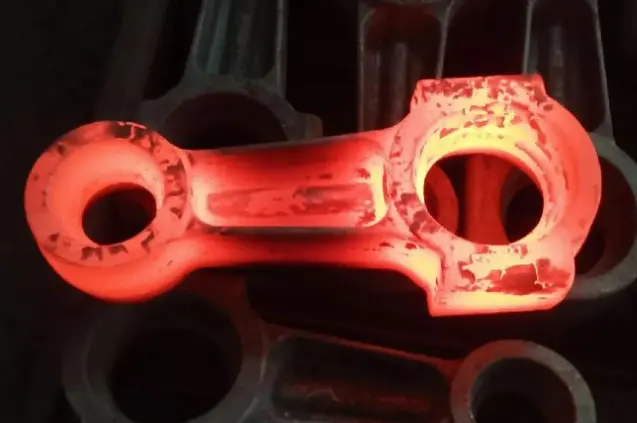
Die Casting: Process, Materials, and Applications
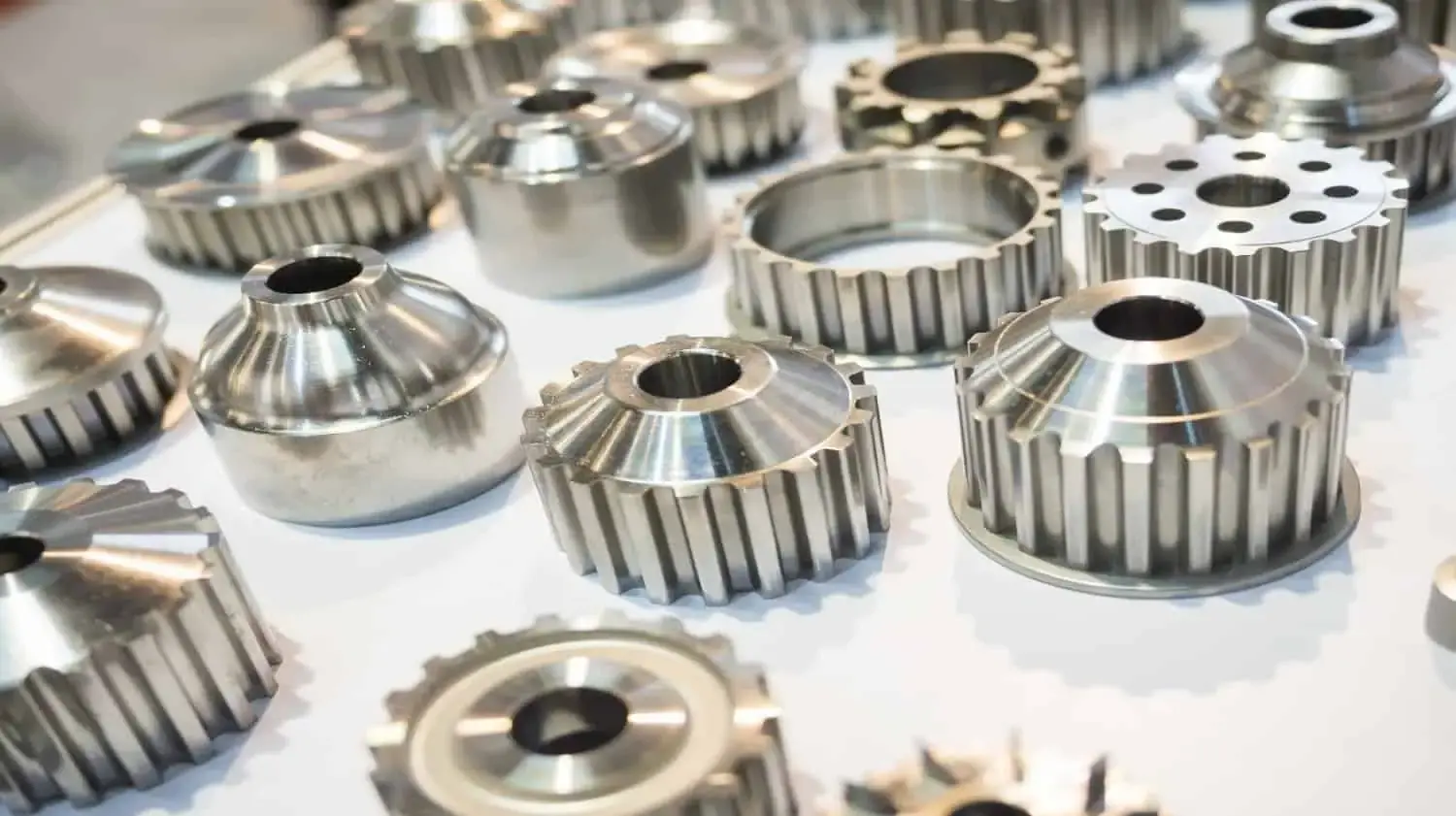
Die casting is a revolutionary way to make things because it lets you make complicated metal parts by forcing liquid alloys through specially designed steel forms under high pressure. This tried-and-true method gives you very accurate measurements, a smooth surface, and a lot of repeatability over a big production volume. From the car industry to the aircraft industry, this process is used to make parts that are both light and strong, meet strict engineering requirements, and stay within budget.
Understanding the Die Casting ProcessCore Mechanics and Methodology
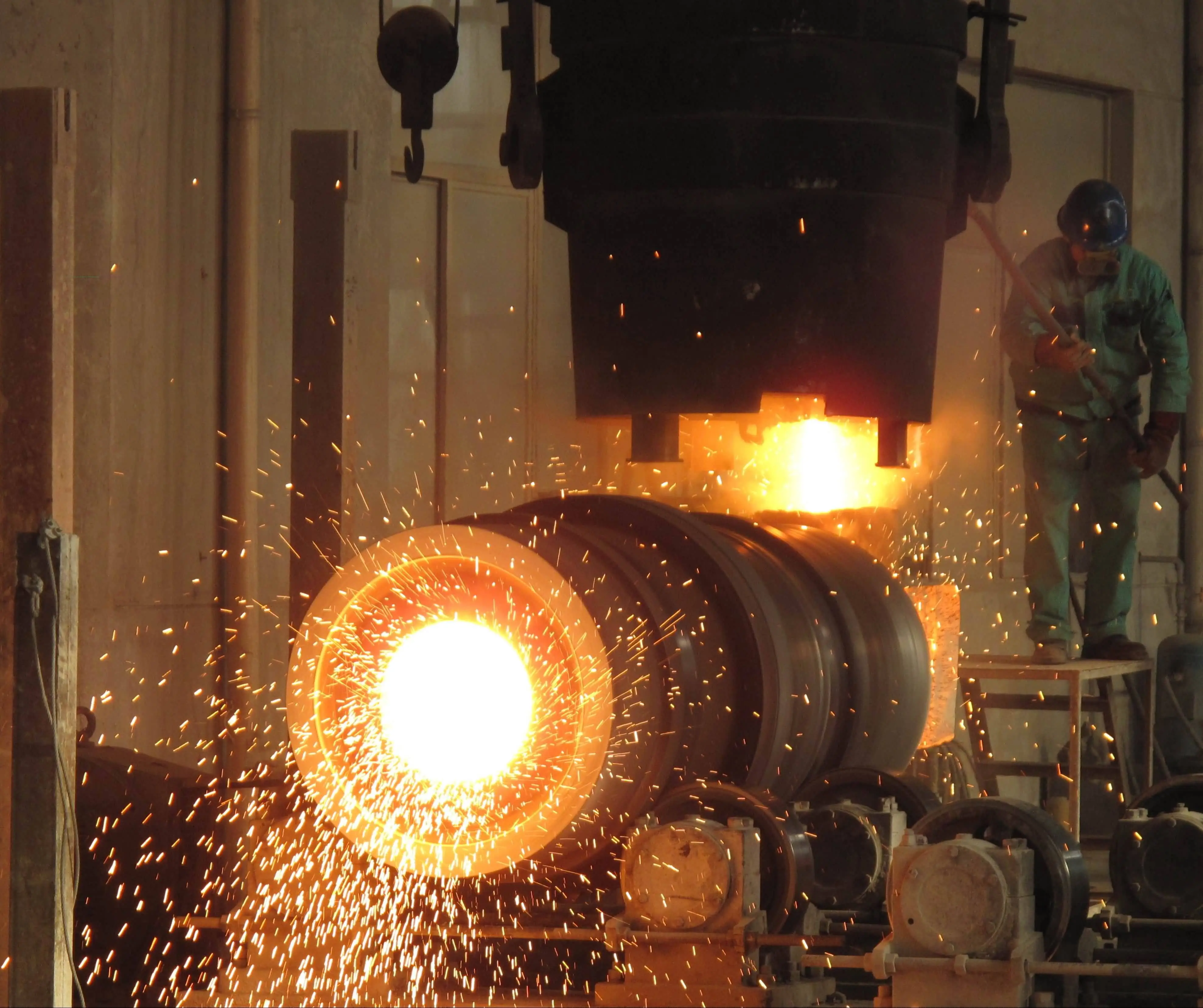
A big hydraulic pressure is used to push liquid metal into sharpened steel holes. This is the basic idea behind this manufacturing method. The first step is to prepare the mold. Two sharpened tool steel dies are machined to make a negative picture of the part that is being made. These dies clamp together with a lot of force, making a hole that is sealed and ready to receive melting material. Metal alloys are heated in ovens until they are at their most fluid state. They are then fed straight into the hole by special systems. When pressure is applied during injection, it ensures that even the most complicated shapes and thin walls are filled, which is something that other methods have trouble doing.
Hot Chamber versus Cold Chamber Techniques
There are two main methods used in industry, and each one is best for a certain type of material or output need. The hot chamber method has an inside heater that is directly linked to the die hole by a gooseneck feeding system. Every time, a hydraulic plunger that is covered in liquid metal pushes the metal into the mold. This setup has short run times, usually fifteen to twenty minutes, which makes it perfect for situations with a lot of work. For metals made of zinc, magnesium, and lead that have melting points below 650°C, this method works really well.
Identifying and Preventing Common Defects
Controlling factors during the Die casting process is very important for getting good results. Porosity is a common problem that happens when trapped gases make holes in metal that has settled. This risk is kept to a minimum by using the right exhaust design, injection speeds, and die temperatures. Surface warping is usually caused by different areas cooling at different rates in complicated shapes. Putting cooling lines in die blocks in a smart way helps even out thermal differences, which lowers the distortion of the dimensions.
Materials Used in Die Casting: Types and Selection CriteriaAluminum Alloys: Versatility and Performance
Aluminum is the most commonly used material because it has a great strength-to-weight ratio that is useful in many fields. These metals work great in situations where corrosion protection, heat conductivity, and complicated design are important. Walls can be as thin as 0.5 mm and still be structurally sound. This lets designers make lightweight designs that lower the total mass of the system. Some common grades are A380, which is good for casting and has good mechanical qualities, and A413, which is best for uses that need to be pressure-tight.
The material keeps its shape well even when the temperature changes, which makes it a good choice for engine parts in cars, structural elements in spacecraft, and housings for industrial equipment. Surface finish quality usually doesn't need much post-processing, but anodizing and powder coating can help protect against rust when exposed to harsh environments.
Zinc Alloys: Precision and Economy
Zinc-based products can achieve wall sections as thin as 0.3 mm, which is the narrowest measure tolerance that can be achieved through this Die casting process. When injected, the material moves very well, filling in delicate details and complicated shapes that are hard for other alloy families to handle. Good resistance to impact and modest strength levels make the material ideal for hardware parts, electrical casings, and consumer product assemblies.
One big benefit is that zinc alloys are more cost-effective than aluminum because they need lower drilling pressures and can last longer in dies. The substance can also be finished in a number of ways, such as by painting, electroplating, or using chromate conversion coats to improve its look and sturdiness.
Magnesium Alloys: Lightweight Champions
Magnesium is about two-thirds lighter than aluminum and has the lowest density of the construction metals that are often used in this way. Because of this, it is very useful for aircraft uses, handheld electronics, and car parts, where reducing weight directly improves speed or fuel economy. The material is easy to work with for additional processes and does a good job of blocking electromagnetic fields.
Processing temperatures for magnesium can be anywhere from 360°C to 650°C, based on the metal. The material is more expensive than aluminum or zinc, but the weight savings often make up for it in situations where cutting down on mass gives a competitive edge.
Copper Alloys: Strength and Conductivity
Brass and bronze are used in specific situations where they need to be more durable, conduct electricity better, or look better. It is possible for these materials to handle more stress than lighter metals while still being very resistant to corrosion in sea or chemical processing settings. Valve bodies, pump parts, and artistic building hardware are all common uses.
Copper metals have high melting points, which means they need to be processed in a cold room, and dies need to be maintained more often. Because of the high cost of materials and the difficulty of processing them, these choices are at the high end of the price range and should only be used in situations where their unique features make the investment worth it.If you need custom die cast parts, feel free to contact us for a quick quotation.
Design and Quality Considerations in Die Casting
Essential Design Parameters
Effective component design has a direct effect on how well the end part works, how easy it is to make, and how much it costs. Draft angles make it easier for parts to come out of the die hole without hurting the surfaces or changing the sizes. Depending on the depth of the hole and the roughness of the surface, the minimum draft usually falls between one and three degrees. When designers can, they should use wide draft to make dies last longer and cut down on cycle times.
Achievable Tolerances and Finishing Options
ISO standards say that standard measurement accuracy is between IT13 and IT15, which means that normal component features can vary by ±0.1mm to ±0.3mm. With careful die design, process optimization, and secondary machining operations, advanced processing can get IT10 to IT11 grades very close to ±0.05mm. These levels of accuracy often get rid of the need for later processing steps, which lowers the overall cost of production even though it costs more to buy the tools at first.
Quality Assurance and ISO Compliance
Teams in charge of buying things should give extra weight to sellers who can show clear written plans for calibrating measuring tools, methods for statistical process control, and steps for fixing problems that don't meet standards. Third-party audits and industry certificates give even more proof that the ways things are made meet international standards for quality and tracking in the Die casting industry.
Comparing Die Casting Solutions for Procurement Decision MakingProcess Variant Selection
The most common way is still the high-pressure technique, which uses injection forces greater than 10,000 psi to make sure that all cavities are filled and microstructures are dense. When compared to low-pressure methods, this one makes parts with better mechanical traits and less leakage. Cycle times range from two to five minutes on average, based on the size and complexity of the part. The system can handle tens of thousands to millions of pieces per year.
Cost Structure and Economic Analysis
The biggest obstacle to entry is the cost of the initial tools. Die costs can range from $25,000 for simple single-cavity designs to $150,000 or more for complicated multi-cavity designs that need advanced cooling and ejection systems. When production levels go over a few thousand pieces per year, these set costs become more favorable as production volumes rise. A break-even study of this Die casting method versus machining, forging, or investment casting shows that it is better when the design is more complicated or when the annual production needs go over 5,000 units.
Evaluating Supplier Capabilities
There are a few key traits that reliable manufacturing partners have that lower sourcing risks and make sure the program succeeds. Having a current ISO 9001:2015 certification shows that you are committed to quality management best practices and constant growth. Technical skills should include designing and making dies in-house, which would cut down on lead times and communication problems that come with outsourcing tool development. Robotic automation, real-time process tracking, and computerized checking systems are examples of high-tech tools that show investments in quality and efficiency.
Applications of Die Casting in Global B2B MarketsAutomotive Industry Integration
For powertrain parts, structural elements, and trim uses, automakers rely on cast components a lot. Aluminum alloys are used in transmission housings, engine blocks, and cylinder heads to make vehicles lighter while still keeping their structural integrity in harsh circumstances. Zinc parts are used in electrical systems, door buttons, and artistic trim pieces where accuracy and a smooth finish are most important.
More people are buying electric cars, which increases the need for lightweight battery cases, motor housings, and heat control parts. For these uses, the parts need to be very stable in terms of size, have built-in cooling channels, and block electromagnetic waves. These are all qualities that are great for high-pressure Die casting processing.
Aerospace and Defense Applications
Manufacturers of airplanes use cast parts for non-structural parts like brackets, housings, and internal gear. Reducing weight has a direct effect on fuel economy and payload capacity. When maximum strength-to-weight ratios are needed, magnesium metals are often the best choice. Aerospace supply chains have strict rules for material approval and traceability, which work well with producers who care about quality and keep detailed records.
The requirements for defense uses are similar to those for aircraft, but they add weather resistance requirements for parts that will be used in harsh circumstances. Aluminum that doesn't rust and protective coatings make sure that the equipment works well in all temperatures and chemical environments that are common in military service.
Industrial Equipment and Medical Devices
For oil and gas drills to work, the parts need to be strong enough to handle rough conditions, changes in pressure, and fluids that eat away at metal. Valve bodies, pump housings, and instrumentation enclosures made with this method are reliable, which is important for ongoing operation in rural areas where upkeep is hard to get to.
More and more, companies that make medical devices are using cast parts for surgery tools, diagnostic equipment housings, and imaging system parts. The process makes it possible to have complex internal shapes, smooth surfaces that can be sterilized, and biocompatibility of the materials that meets government standards. Getting ISO 13485 approval for making medical devices adds another level of quality guarantee that is valued in this strict industry.
Emerging Trends and Innovation
As alloys are developed, makers can choose from a wider range of material properties. Hybrid recipes take the best features of several element families and mix them to make solutions that work best for certain uses. Adding additive manufacturing to a process lets you make quick prototypes of die inserts, which cuts down on the time it takes to make tools and lets you make changes to the design before investing in production tools.
Process advances like vacuum-assisted injection, different types of squeeze casting, and semi-solid forming methods raise the bar for performance while keeping costs low. These new techniques cut down on porosity almost to zero, which makes structural uses possible that used to need forged or machined parts. When procurement teams work with innovative providers, they get early access to new powers. This gives them a competitive edge even as performance standards change.
Conclusion
This die-casting way of making things is the best way to make complex metal parts in large enough quantities to justify the cost of the tools used. The precise measurements, high-quality surfaces, and strong mechanical qualities meet strict needs in the medical, aerospace, automotive, and industrial fields. Aluminum, zinc, magnesium, and copper are all very flexible materials that can be used in a wide range of situations. They are strong, light, cheap, and resistant to rust.
To be successful at procurement, you need to understand the basics of the process, compare the skills of suppliers to the needs of the program, and keep communication open during the development and production stages. Manufacturers with ISO certification, technical support resources, and written quality systems are better partners because they are less risky and can help keep the supply chain stable in the long run.If you need custom die cast parts, feel free to contact us for a quick quotation.
FAQWhat are the benefits of this process over other ways to shape metal?
The method is great for making complicated shapes with flawless accuracy in dimensions and smooth surfaces that don't need much extra work. With thin walls as thin as 0.3 mm, lightweight shapes are possible that would not be possible with casting or machining. When you make more than a few thousand pieces a year, the unit costs are good because of the high production rates and lower finishing needs. When the design gets more complicated, this method saves a lot of money because it doesn't require expensive machining to make the delicate parts of the casting.
For what kinds of uses do different materials work best?
When corrosion protection, heat conductivity, and good strength-to-weight ratios are needed, aluminum alloys are perfect. This makes them perfect for parts used in cars and spacecraft. Zinc is best for tools and electrical covers because it has the tightest tolerances for size and the smoothest surfaces. Magnesium is the best material for reducing weight in small tools and parts for airplanes. Copper-based products are used for specific tasks that need better resistance to wear or better electrical contact. When choosing materials, you should think about how they will work, how they will be exposed to the environment, how much you need to make, and how much it will cost.
How do I choose which sources to use for my project?
Give more weight to producers who have current ISO 9001:2015 approval, which shows that they have well-established quality management systems. Check out the technical support services that are available, such as design-for-manufacturability studies and help with choosing materials. Ask for facility checks that look at the state of the tools, the rules for the process, and the review methods. Check for experience in your business and look at case studies that show how programs with similar levels of complexity and volume have been successful in the past. Transparent communication, thorough quotes that list all costs, and a willingness to provide sample parts for validation testing are all signs of a possible reliable relationship.
Partner with Welong for Reliable Die Casting Manufacturing
With more than 20 years of knowledge, Welong has helped procurement teams find reliable metal component sources. Our operations, which are ISO 9001:2015 approved, offer a wide range of services to support production networks in the Asia-Pacific region. These include developing new suppliers, checking quality, and providing engineering support. We make precise casts from sketches and samples provided by our customers. Our engineering skills include being able to work with Auto CAD, Pro-Engineering, and Solidworks files.
Our foreign client base in the oil drilling, aerospace, medical device, and car industries shows that we can handle complicated Die casting projects with strict quality standards and on-time delivery. Whether you need a single sample or a lot of them, our team takes care of everything, from reviewing the plan the first time to shipping the last one. Get in touch with our purchasing agents at info@welongpost.com to talk about your project needs with a provider with a lot of experience who wants you to succeed.
References
1. American Foundry Society. (2019). "Die Casting: Process Fundamentals and Industrial Applications." AFS Technical Publications, Third Edition.
2. Kaufman, J.G., & Rooy, E.L. (2018). "Aluminum Alloy Castings: Properties, Processes, and Applications." ASM International Materials Reference Series.
3. Herman, E.A. (2020). "Advanced Manufacturing Techniques for Non-Ferrous Metals." Society of Manufacturing Engineers Technical Paper Series.
4. International Organization for Standardization. (2015). "ISO 9001:2015 Quality Management Systems - Requirements." Geneva: ISO Standards Publications.
5. Vinarcik, E.J. (2017). "High Integrity Die Casting Processes: Technology and Applications." John Wiley & Sons Engineering Reference.
6. European Die Casting Association. (2021). "Material Selection Guidelines for Precision Metal Components." EDCA Industry Standards and Best Practices Manual.

Share your inquiry, get the quotation accordingly!
China WELONG- Your Reliable Partner in Metal Solutions