What Is Sand Casting & How Does It Work?
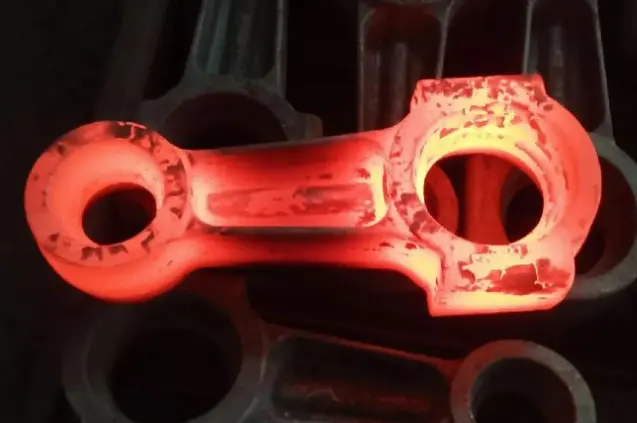
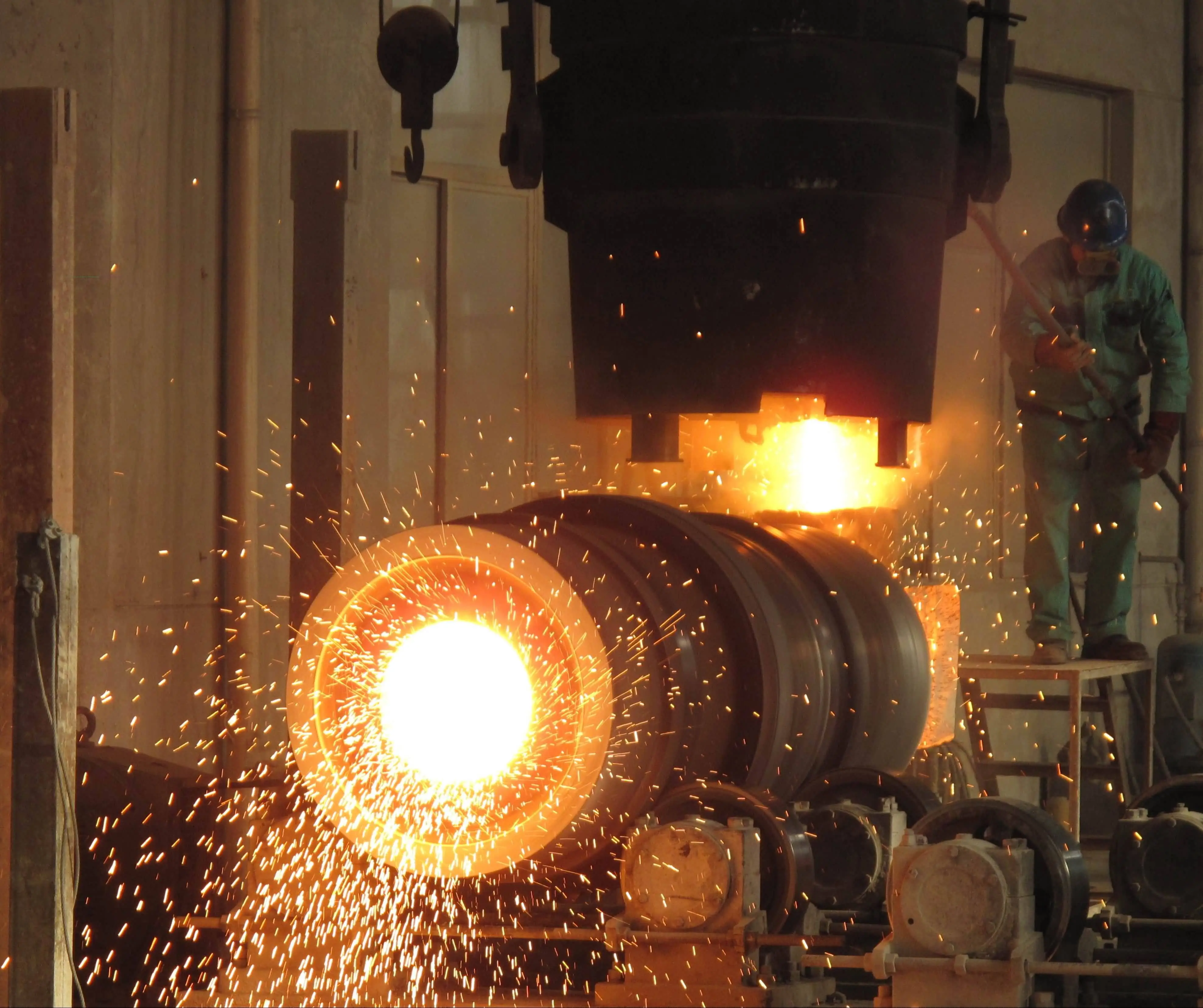
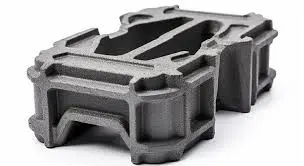
Sand casting is a method of metal casting that employs sand models to produce the desired shapes. The sand model is filled with molten metal, which is then left to harden. The mold is then broken to show the casting. This process is very flexible and low-cost, and it can be used with a wide range of materials, from aluminum and steel to unique metals. Manufacturers in the aircraft, automobile, and industrial sectors can use this method to make complicated parts with complicated geometries that would be hard to make with other methods.
Understanding the Sand Casting ProcessThe Fundamental Principles of Sand Casting
Using crushed sand as a temporary mold material is the basic idea behind this way of making things. In contrast to permanent molds, each sand mold is disposable and only meant to be used once. Mixing high-quality silica sand with binding agents makes a strong structure that can handle the heat of melting metal. This way of doing things has been used in industry for hundreds of years, from metal foundries to today's precision-engineered aircraft parts. These ideas are still being improved upon by modern foundries because the method gives designers a lot of freedom. Manufacturers can make both very simple and very complicated parts without having to spend a lot of money on tools. This makes the process especially good for unique projects that need to go through many design changes and may need anywhere from a few samples to several thousand units to be made.
Step-by-Step Process Breakdown
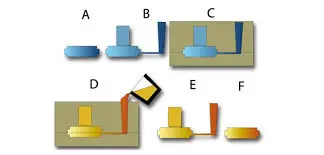
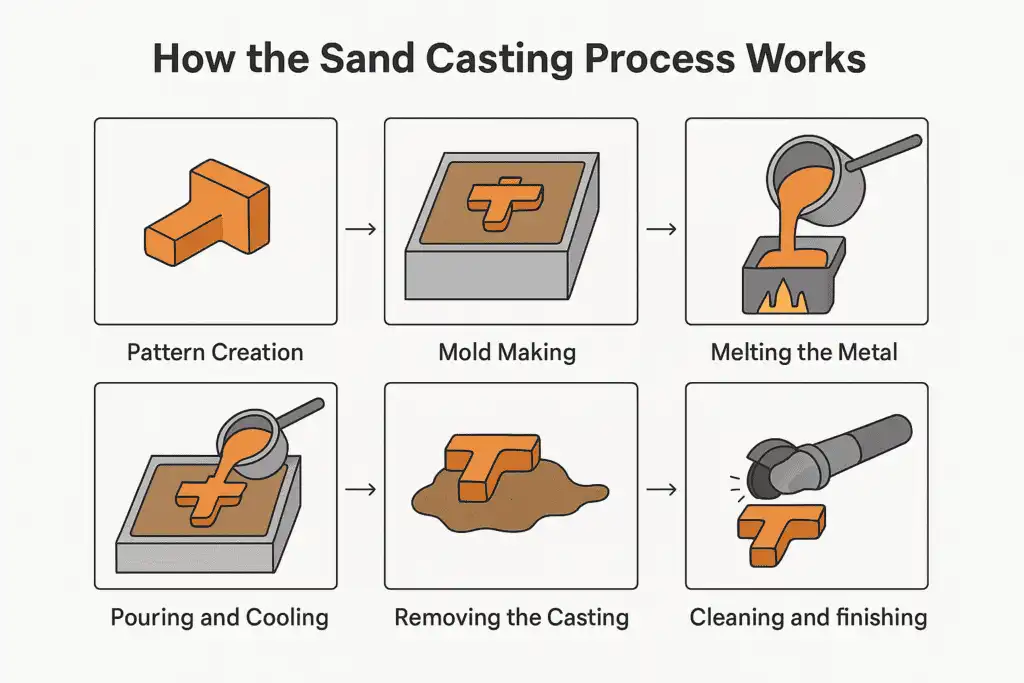
Making patterns is the first step in the making process. Patterns are made from wood, plastic, or metal, based on how many parts need to be made. They have the same shape as the final part. By making exact adjustments, skilled patternmakers take into account the fact that metal shrinks when it cools. After the design is finished, the mold is prepared. In a two-part flask system made up of the cope (top section) and drag (bottom section), foundry workers pack sand around the design. The sand mixture needs to be just the right amount of compacted—too loose, and the mold won't be able to hold its shape; too tight, and gases won't be able to escape during pouring.
Once the design is taken out, the mold hole should exactly match the shape of the part that is wanted. At this point, when internal features are needed, core placement takes place. Cores are different structures made of sand that are put inside the mold to make hollow areas or complicated internal pathways. Next is metal pouring, which involves moving a liquid alloy through a series of gates that are meant to control the fill rate and reduce noise. When gates are set up correctly, flaws like cold shuts are avoided, and cavities are filled evenly. The time it takes to solidify depends on the size, shape, and type of metal. To avoid internal pressure, thicker parts need longer cooling times. After solidification is done, shakeout can begin. When the sand mold comes off, the rough casting is still connected to its gate system. Cutting, grinding, and drilling are used in final finishing to get rid of these extra parts.
Materials Used in Sand Molding
Foundries use two main types of sand to make their products. Within green Sand casting, a wet combination is used. This mixture includes about 10% bentonite clay as a sealant, 2% to 5% water, and about 5% sea coal. By making a reducing atmosphere during filling, this carbonaceous ingredient makes the surface finish better. For iron casts, green sand molds are cost-effective because they can be used right away after being simply reconditioned. Chemical binders, not water, are used in air-set or resin-bonded sand systems. Exothermic processes allow these molds to set at room temperature, giving better accuracy in measurements and smoother finishes than green sand. In exchange, the cost of materials goes up, and sand restoration is not as easy. When purchasing managers look at different suppliers, they need to know which method fits their quality standards and output needs the best.
The metals available cover the whole range of engineering materials. Aluminum is the most common material used in situations where lightweight parts need to be resistant to rust. Heavy-duty industry tools, oil drilling equipment, and building structures all use steel castings. Adapted sand methods and controlled atmosphere techniques can be used to successfully make specialty metals like bronze, stainless steel, and even superalloys.
Advantages and Challenges of Sand CastingCore Strengths of the Process
When you compare the costs of investing in tools for different ways of making things, the financial benefits are clear right away. Die casting needs very expensive steel molds that cost hundreds of thousands of dollars and are only worth it for making a lot of things. Sand patterns are much cheaper, so small runs and unique tasks can be done without breaking the bank. Another strong benefit is that materials can be used in a variety of ways. It is possible to cast almost any metal that can be melted, from standard aluminum alloys to rare nickel-based superalloys. Because of this, buying teams can choose the best materials for tough jobs without having to worry about how they will be made. A single factory that is set up for Sand casting might be able to meet the different metal needs of several different product lines.
Common Defects and Prevention Strategies
Porosity shows up as small holes in the structure of the casting. These holes weaken the mechanical qualities and could cause the structure to fail early in service. When air or burning fumes get stuck and can't get out during solidification, this is called gas porosity. This problem is less likely to happen if the mold is porous, has vents, and the metal is degassed before it is poured. When not enough molten metal runs into the parts that harden last, this is called shrinkage porosity. By smartly placing risers, these hot spots will get enough material to cool down. Quality assurance teams have a hard time with dimensional differences, especially when it comes to green sand methods. Dimensional drift is caused by metal flow loss in the mold, pattern wear, and uneven sand compression. Expert foundries use statistical process control to keep an eye on important factors like the qualities of the sand, the stiffness of the mold, and the temperature at which the metal is poured. This method is based on data and finds trends before they lead to the production of faulty parts.
Quality Control and Industry Standards
The first quality check is visual inspection, which finds clear surface flaws, missing fills, and differences in size. Inspectors who have been trained can pick up on small signs of bigger problems that may need more study. In addition to looking at the outside, non-destructive testing methods check the casting's structure from the inside without hurting it. Getting ISO 9001:2015 certification shows that a provider is dedicated to using uniform quality management systems. This widely known standard makes sure that everything is done according to written rules, from checking the materials that come in to the final inspection protocols. When purchasing managers look for parts for aerospace, medical products, or other important uses, ISO approval gives them the trust they need in the skills and trackability of suppliers.
Sand Casting vs Other Casting Methods: A Comparative Analysis
Comparing Major Casting Processes
By pushing liquid metal through steel dies under high pressure, die casting produces a surface with a very smooth finish and very tight tolerances. The process is great for making a lot of small parts, especially ones made of aluminum and zinc metals. But dies can cost hundreds of thousands of dollars, and the process can't handle the big parts or heavy pieces that are common in heavy machinery. Sand casting is used for projects where the volume limit for die casting can't be met or where the part size is too big for the die casting machine to handle. Permanent mold casting uses metal models that can be used again and again. It is somewhere between Sand casting and die casting in terms of cost, quality, and production volume. The method works well for making things out of aluminum and magnesium in medium to large quantities. When design changes are expected, trial numbers are required, or ferrous alloys require pouring temperatures that would damage permanent molds, Sand casting is still the best option.
Green Sand Versus Resin Sand Systems
Green sand molds are used for most metal casting jobs because the mixture can handle the high temperatures of melted iron and steel. The system can be recycled, which saves money on materials and is better for the environment. Sand can be used over and over again with only small amounts of new materials added. Manufacturers who want to cut down on waste and improve environmental performance measures will like this green benefit. Material choices are being affected by environmental factors more and more. The water-based method used by Green Sand releases very few chemicals when molds are made and poured. During curing and casting, resin systems give off organic chemicals, which means they need ventilation systems and pollution limits. Suppliers who are ahead of the curve buy low-emission binder technologies and heat reclamation systems that burn off resin leftovers. This lets the sand be used again and cuts down on the amount of waste that needs to be thrown away.
The Role of Additive Manufacturing
By letting you make patterns directly from CAD files, 3D printing technologies have changed the way prototypes are made. Engineers try shape, fit, and function without having to wait for or pay for standard patternmaking. When buying, teams look at new designs, and fast prototyping cuts the time it takes to validate those designs from weeks to days. For dozens to thousands of parts, traditional Sand casting is often still the most cost-effective way to make them once the plans are finished. With additive manufacturing, you can also make sand molds directly in 3D, which means you don't need blueprints at all for some uses. This method works well for small-scale production of complicated shapes where pattern costs would be hard to recover over time. Even though technology keeps getting better, old ways are still more cost-effective for larger production runs. Suppliers who can use both technologies and choose the best method based on the needs of the project are good for procurement managers.Have a need for custom sand casting parts? Contact us now for quick quote service.
How to Choose the Right Sand Casting Supplier
Evaluating Supplier Capabilities
Verification of certification is the basis of evaluating a seller. Compliance with ISO 9001:2015 means that quality management systems have been set up and that methods and processes for continuous growth have been written down. Industry-specific certifications, like AS9100 for aircraft or ISO 13485 for medical equipment, show that you know how to work in areas with a lot of rules. Managers of procurement should ask for up-to-date certificates and read purpose statements to make sure that all important processes are covered. Technical skills include more than just licenses. They also include tools, knowledge of metalworking, and technical support services. Suppliers who have spectrometers for checking the purity of alloys, coordinate measure machines for checking sizes, and CAD/CAM systems for working together on designs can do a lot of things that make project completion easier. Working from plans or samples, making designs easier to cast, and suggesting different materials is a useful skill that could lead to a partnership.
Building Strategic Partnerships
Long-term ties with suppliers create more value over time by sharing information and making processes more efficient. If the foundry knows what your product needs, they can offer ways to make it better, keep patterns on hand for quick reorders, and prioritize the schedule when capacity is low. This collaborative method lowers the risks of buying and makes sure that key parts will always be available. Clear conversation is the key to building strong business-to-business partnerships. When suppliers give thorough quotes that break down the prices of materials, labor, tools, and finishing, buyers can make smart choices. Giving regular reports on progress, finding problems before they become big problems, and being ready to talk about problems in an open way all help to build trust and solve problems before they become big problems, like delivery failures or quality escapes. To share information and make processes more efficient, you need a dependable Sand casting provider.
Sand Casting Design and Process Optimization TipsDesign Guidelines for Improved Castability
Uneven wall thickness stops different cooling rates that cause stress inside the structure and could lead to breaking. Gradual changes between thick and thin parts let solidification happen over time without making hot spots that stand out. The minimum wall thickness that is recommended depends on the metal and the size of the casting. For example, aluminum usually needs walls that are 3–5 mm thick, while steel needs walls that are thicker to make sure that the mold is filled.
Process Control Best Practices
Managing temperature has an effect on every part of the quality of the casting. The pouring temperature must be higher than the alloy's liquidus by a large enough amount to make sure the mold is filled completely before the alloy solidifies too quickly. Mold damage, gas absorption, and thick grain structures are all made worse by temperatures that are too high. Calibrated pyrometers and thermal analysis tools make it possible to precisely control the temperature within the best ranges for each metal system.
Emerging Technologies and Sustainability
Robotic mold handling, automated filling systems, and combined material transport all change how foundries work when they are automated. These technologies make things more consistent by getting rid of human error, safer for workers by keeping them out of dangerous places, and faster by running all the time. When suppliers invest in technology, it shows that they are dedicated to competitive manufacturing and high quality.Have a need for custom sand casting parts? Contact us now for quick quote service.
Conclusion
Sand casting is still one of the most important ways to make things because it is so flexible, cheap, and lets you design any kind of metal part you want. Procurement experts can make better sourcing choices by understanding the basics of the process, figuring out the pros and cons, and choosing qualified sources. The method is very useful in many industries because it can be used with a wide range of metals, shapes, and production numbers, from prototypes to medium-batch production. Quality control through thorough inspection and ISO compliance makes sure that performance stays uniform and meets the strict needs of the application. Strategic relationships with skilled foundries provide long-term benefits by working together on technical issues, improving processes, and ensuring that work is done correctly.
FAQWhat metals work best for sand casting applications?
Aluminum metals are the most common because they are easy to make, strong for their weight, and don't rust. Steel casts are used in heavy-duty industrial settings where strength and longevity are important. Bronze is better for bushings and bearings because it doesn't wear down as quickly, and stainless steel keeps rust at bay in tough settings. With the right process controls, it is possible to make specialty metals, such as superalloys. What kinds of metals work best for Sand casting?
How do suppliers ensure consistent casting quality?
Quality control starts with using approved raw materials and continues with process controls that keep an eye on the properties of the sand, the conditions of the mold, and the pouring parameters. Radiography and ultrasonic screening are examples of non-destructive tests that can be used to check the internal structure. Statistical process control finds patterns so that problems can be fixed before they happen. The ISO 9001:2015 certification shows that all parts of production are managed in an orderly way to ensure quality.
What distinguishes green sand from dry sand methods?
Green sand is made from a wet mixture that is bonded together with bentonite clay. It can be used again right away after being cleaned up. The method works with iron castings and saves money because it can be recycled. Chemical binders are used in dry or resin-bonded sand to make it more accurate in size and smoother on the surface. For non-ferrous castings, where tighter tolerances allow for higher material prices, resin methods are helpful.
Partner with Welong for Expert Sand Casting Solutions
If a purchasing manager is looking for a dependable Sand casting provider, Welong has a lot to offer and has been a foreign supply chain leader for over 20 years. Our ISO 9001:2015-certified processes make sure that the quality of the custom metal parts we make for the aircraft, automotive, oil drilling, and medical device industries stays the same. We use AutoCAD, Pro-Engineering, and SolidWorks compatibility to make things from your plans or examples. Our engineering team improves designs so they can be cast more easily, which cuts costs while still meeting requirements. Our clients in Europe, North America, and the Asia-Pacific region trust our quality control skills and open communication. Get in touch with us at info@welongpost.com to talk about your project needs and find out how our Sand casting maker in China can help your supply chain.
References
1. Campbell, J. (2015). Complete Casting Handbook: Metal Casting Processes, Metallurgy, Techniques and Design. Butterworth-Heinemann.
2. Brown, J.R. (2000). Foseco Ferrous Foundryman's Handbook. Butterworth-Heinemann, Oxford.
3. American Foundry Society (2018). Casting Design and Performance. American Foundry Society, Schaumburg, Illinois.
4. Beeley, P.R. (2001). Foundry Technology. Butterworth-Heinemann, Oxford.
5. Heine, R.W., Loper, C.R., and Rosenthal, P.C. (1967). Principles of Metal Casting. McGraw-Hill, New York.
6. ASM International (1988). Casting Volume of the ASM Handbook. ASM International, Materials Park, Ohio.

Share your inquiry, get the quotation accordingly!
China WELONG- Your Reliable Partner in Metal Solutions