Hot Steel Forging for Industrial Vehicles: Best Practices
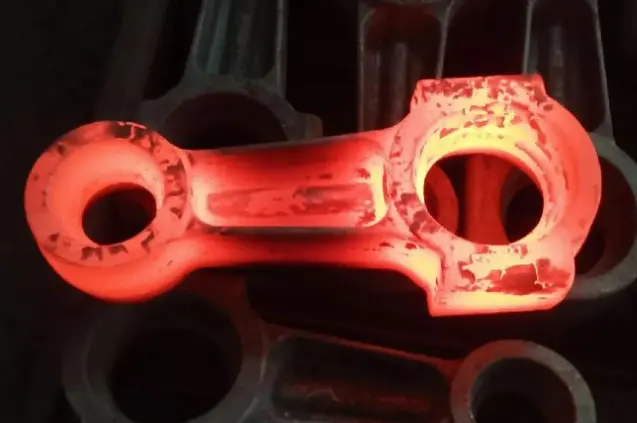
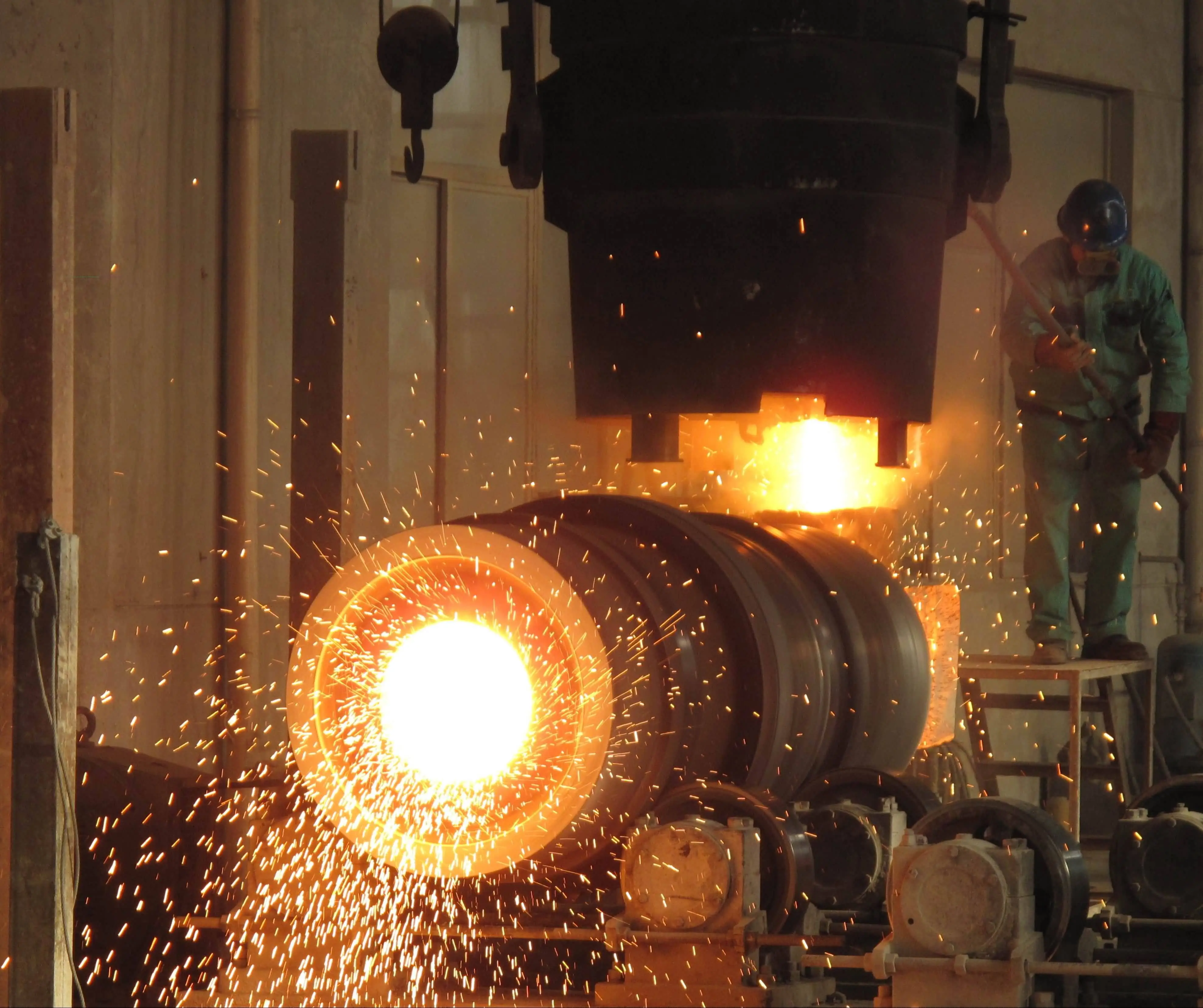
In the making of industrial vehicles, hot forging is an important manufacturing method that involves deforming steel at high temperatures to make strong, high-performance parts. This thermal forming method works at temperatures between 1,100°C and 1,250°C (2,012°F to 2,282°F), which lets makers make products with better mechanical features while still keeping costs low. As purchasing managers and engineers look for dependable ways to make things, it's important to understand how hot forging works in order to improve the quality of parts, lower production costs, and keep the supply chain stable in today's competitive business world.
Understanding Hot Steel Forging in Industrial Vehicle Manufacturing
Core Principles and Temperature Requirements
Fundamental chemical principles guide hot steel forging, which carefully controls the heating and pressing of steel to make precisely shaped parts. To start, steel billets are heated to temperatures above their recrystallization point. Depending on the type of steel and the qualities that are wanted, these temperatures are usually between 1,100°C and 1,250°C. At these very high temperatures, steel is very flexible, which means it can be deformed in many ways without losing its strength.
During the heating phase, steel's microstructure changes in big ways that have a direct effect on the mechanical properties of the finished part. The austenitic phase changes, which allows the grains to become more uniform and the metal to become more flexible. When temperatures rise, this change happens, and it lets makers make parts that are stronger, more resistant to impact, and last longer than parts made in other ways.
Materials and Applications in Industrial Vehicles
Industrial car parts need to be very durable and work well, which is something that hot forging only does. Different types of carbon steel, from 1010 to 1050, are used to make chassis parts, wheels, and suspension parts. Alloy steels, like types 4140, 4340, and 8620, can be hardened more easily and are stronger, making them ideal for important parts like transmission gears, steering components, and drive shafts.
Careful thought must be given to service conditions, load needs, and environmental issues during the material selection process. Medium-carbon steels have the best strength-to-weight ratios for load-bearing uses, while low-carbon steels are great for shaping and welding structure frames. High-strength low-alloy steels can be used to make structures lighter while still keeping their strength. This is especially useful in the design of current industrial vehicles.
Forging Techniques and Equipment Selection
Modern hot forging uses a number of different methods, each of which is best for a different type of part or output need. Open-die forging is useful for prototyping and making big, complicated shapes. It lets engineers test their ideas before committing to making production tools. This method works especially well for custom parts where the cost of the tools needs to be kept as low as possible.
For middle to high-volume output, impression-die forging gives you better surface finish and accuracy of dimensions. The closed-die method allows for tight accuracy while making the best use of materials, cutting down on waste, and making the process more cost-effective. Flashless forging is the highest level of precision forging. It eliminates wasteful material use and produces nearly net-shaped parts that need very little further cutting.
Choosing the right equipment has a big effect on the quality of the process and the parts it makes. Leading companies like Schuler and SMS Group make high-tech hydraulic and mechanical presses that can put out more than 60,000 tons of force. These high-tech systems use precise temperature control, automatic material handling, and real-time process tracking to make sure that the quality of each production run is the same.
Comparing Hot Forging with Other Manufacturing Methods for Industrial Vehicles
Hot vs. Cold and Warm Forging Analysis
When you know the differences between forging temperatures, you can make smart choices for different uses. When hot forging, the temperature above the recrystallization temperature is used. This stops work hardening and improves material flow while lowering forming forces. This quality is very important for parts of industrial vehicles that have complicated shapes and need to be cut down to a very small size.
When cold forging is done at room temperature, the dimensions and finish of the metal are very accurate. However, it needs much stronger forming forces and the distortion ratios that can be used are limited. The work-hardening effect that comes with cold forging can make things stronger, but it can also leave behind stresses that make it harder for parts to handle wear when they are loaded and unloaded many times.
When used in certain situations, warm forging, which works at temperatures between 200°C and 800°C, is a good balance. When compared to cold forging, this method makes the metal easier to shape and lets you control its dimensions better than hot forging. However, the small temperature range limits the flow of the material, which means it can't be used for complicated industrial car parts that need to be deformed a lot.
Casting and Machining Comparisons
To choose a manufacturing method, you need to look at performance, cost, and production needs in great detail. When you forge something hot, the grains are better aligned, and casting flaws like porosity, inclusions, and segregation are gone, which can make the part less reliable. The cast microstructure has directional qualities that make it stronger and less likely to wear down along the main stress lines.
Casting lets you create parts with complicated internal geometries, but the method limits the mechanical properties that can be used. When compared to forged parts, casting parts have rougher grain structures and lower strength because they cool more slowly. Furthermore, casting flaws need strict quality control measures and may need to be heated to achieve suitable properties.
Machining from solid stock gives you very accurate measurements, but it also wastes a lot of material and costs more to make. The cutting process can mess up the good grain flow patterns that were set up when the material was first made, which could shorten its wear life in important situations. Machining can make complicated shapes and tight specs possible, but hot forging followed by finish machining often gives the best performance and cost balance.
Best Practices for Hot Forging Industrial Vehicle Components
Temperature Control and Process Parameters
In order to get the best forging results, you need to carefully handle a number of process variables. Temperature control is the most important of these. Heating the billet evenly across its cross-section stops uneven warping and the flaws that come with it, like surface cracks or holes inside the billet. When compared to furnace heating, induction heating systems offer better temperature control, allowing for quick, even warmth with little scale growth.
Keeping an eye on the temperature during the whole shaping process makes sure that the material's features and dimensions stay the same. Pyrometric devices and thermal imaging tools let workers check the temperature in real time, which helps them keep the best conditions for forming. The rate at which something cools down after it has been deformed has a big effect on its end microstructure and features. To get the hardness and grain size you want, you need to carefully control the cooling process.
Management of die temperature has a direct effect on how material flows, how long the die lasts, and the quality of the parts. Keeping the die at the right temperature, which is usually between 200°C and 400°C, helps the material run evenly and stops it from freezing too quickly, which can lead to folding problems or incomplete filling. Modern methods for heating and cooling dies allow for precise temperature control during production processes.
Defect Prevention and Quality Assurance
Knowing all the possible forging flaws lets you come up with effective protection plans that cut down on waste and make sure that the parts are reliable. When things are heated, scale can form on the surfaces of parts, putting stress in certain places and shortening their service life. Protective atmospheres or fast heating methods keep output high while reducing scale growth.
Surface and interior cracks are usually caused by too fast of bending, too low of a temperature for the material, or the wrong stress states during forming. For die design to work right, it needs to have smooth changes in shape and material flow patterns that keep stress concentrations to a minimum. Complex forms can be made with multi-stage forming processes that keep the material's structure throughout the process.
Lapping flaws happen when hot forging occurs over on itself while being formed, leaving gaps inside the structure that weaken its strength. Most of the time, these flaws are caused by incorrect blade preparation, poor lubrication, or too much material flow rates. Paying close attention to the shape of the blade, its surface, and the order in which it is formed can stop laps from forming while still meeting output goals.
Advanced Automation and Process Monitoring
Modern forging companies use complex robotic systems that make the process more consistent, productive, and easy to track. Robotic material handling systems make sure that billets are placed correctly, cut down on cycle times, and keep operators safe. Human error in placement and time is eliminated by automated systems, which leads to better measurement accuracy and lower scrap rates.
Real-time process tracking tools gather a lot of information during the forging process. This lets statistical process control and efforts to keep getting better work happen. Force, motion, and temperature monitors give real-time information about the conditions of a process, so changes can be made quickly to keep the parameters at their best. Data logging systems keep records that can be used to track quality and improve processes.
Predictive repair programs use data from sensors and machine learning algorithms to figure out what equipment needs before it breaks down. These systems check the performance of the press, the patterns of die wear, and the state of other equipment to plan repair tasks for times when the plant is supposed to be shut down. Regular repair keeps production plans on track, extends the life of equipment, and cuts down on unplanned downtime.
Procuring Hot Forging Services and Partners for Industrial Vehicles
Supplier Evaluation Criteria
To find the right forging partners, you need to carefully look at their professional skills, quality systems, and business practices. A production capacity estimate makes sure that suppliers can meet volume needs and keep shipping dates. To find out what a provider can do, you can look at their forge press volume, available die space, and annual production capacity.
Technical certificates show that a seller cares about quality and process control. ISO 9001:2015 approval sets the basic requirements for a quality management system. Standards specific to the industry, like TS 16949 for car uses, add to these quality measures. Advanced approvals, such as AS9100 for aerospace uses, mean that there are stricter rules for process control and paperwork.
Geography has a big effect on the operations of the supply chain, how well people can communicate, and how much the whole project costs. There are clear benefits to working with suppliers in big manufacturing areas like the US, China, and India when it comes to cost, technical know-how, and market access. Chinese sellers, especially those with a history of doing business internationally, can often offer affordable prices while still meeting quality standards through strict process control.
Technical Support and Collaboration
Forging relationships that work well go beyond just being able to make things; they also offer full technical help throughout the entire product development cycle. Working together as engineers during the planning process lets them improve the shape of parts so they can be forged more easily while still meeting their useful needs. Forging partners with a lot of experience can offer changes to the design that lower the cost of production without affecting the performance.
Being able to make prototypes lets you make sure that ideas and methods work before investing in production tools. Suppliers that offer flexible development services, such as open-die forging choices, let you make changes to your design quickly and improve it. This way of working together cuts down on development risks and speeds up the time it takes to get new industrial car platforms on the market.
Material knowledge includes knowing about the different types of steel, how to treat them properly, and how to make their properties better. Suppliers who know what they're talking about can suggest different products or changes to the way they're processed that will improve performance or lower costs. This level of technical complexity is especially helpful when working on difficult projects or coming up with new ways to solve problems.
Custom Solutions and Lead Time Management
For industrial vehicles, it's common to need unique parts that can only be made by custom forging options. OEM customers save a lot of money when they buy from suppliers who can make custom tools, set up specialized production lines, or meet special material needs. This gives them the freedom to offer different products while still staying competitive.
Managing lead times means making sure that the plans for finalizing designs, making tools, and making things are all well-coordinated. Experienced providers keep reasonable schedules that take into account the difficulty of making tools, getting materials, and making sure the quality is right. Clear conversation about expected timelines keeps schedules from clashing and makes project planning easier.
Adding forging processes to larger manufacturing schedules and inventory management tools is what supply chain integration is all about. If a supplier offers vendor-managed inventory programs, just-in-time delivery, or strategic stockpiling arrangements, they can give you more operating freedom while lowering your working capital needs.
Industry Trends and Future Outlook for Hot Forging in Industrial Vehicle Manufacturing
Technology Integration and Process Optimization
The forging business is always changing as new technologies are added that make it more efficient, better quality, and last longer. In process optimization, artificial intelligence is used to look through huge amounts of data from production operations to find ways to make things better and guess what the best parameter settings will be. Based on real-world performance data, machine learning algorithms keep improving process models. This lets flexible control systems adapt to new situations.
The hot forging makes virtual versions of the forging process, which lets engineers test and improve it before the real production starts. Engineers can improve processes and tool designs by using these complex models to predict how materials will move, where stresses will be distributed, and where defects might appear. Virtual testing speeds up the release of new products and lowers the cost of creation.
Advanced sensors and connection to the Internet of Things make it possible to collect data and keep an eye on the whole process while hammering. Real-time data show right away how well a process is working, how quality is changing, and what kind of shape the equipment is in. This method is based on data and helps efforts to keep making things better while also letting predictive repair plans work.
Sustainability and Environmental Considerations
Environmental sustainability is becoming more and more important in manufacturing choices as companies try to meet customer and government standards. Heating systems that use less energy, like electric and induction heaters, lower carbon pollution and make it easier to control the temperature. Systems that collect waste heat from forging processes use the heat to heat buildings or make electricity.
Material utilization optimization reduces waste by making die designs and process factors better. Near-net-shape forging cuts down on the amount of cutting that needs to be done later, which saves time and energy. Recycling programs for scale, flash material, and worn-out tools help the circle economy and lower the cost of raw materials at the same time.
Closed-loop cooling systems and improved filtration technologies that let water be used again are at the center of water saving efforts. These systems have less of an effect on the world and cost less to run because they use less water and treat it better. Sustainable lube systems keep process speed up while reducing the amount of waste they release into the world.
Supply Chain Resilience and Strategic Partnerships
These days, supply chain tactics stress being strong and adaptable to deal with problems and shifting market conditions. Diversified supply networks make it less important to rely on just one source and lower the risk of doing business in certain areas. Local skills are improved by regional supplier development programs, which also cut down on shipping costs and wait times.
When forging providers and OEM customers form strategic partnerships, they build long-lasting ties that let them work together to improve processes and develop new technologies. These partnerships let people share financial risks and speed up the growth cycle. Integrated planning systems make sure that partner networks' production plans and capacity use are all in sync.
Emerging markets offer chances to increase capacity and lower costs, but they also need thorough assessments of professional skills and quality systems. Supplier growth programs help new areas build their skills while keeping quality standards high. These projects give businesses a competitive edge and help global manufacturing plans.
Conclusion
Hot steel hot forging is still one of the most important technologies used to make industrial vehicles because it offers the best mix of strength, longevity, and cost-effectiveness. Procurement pros can make smart choices that improve the performance of parts while keeping costs low by fully knowing the basics of the process, how to choose materials, and quality control measures. As automation, digital integration, and sustainability efforts continue to change the forging scene thanks to technological progress, successful makers must change their strategies to take advantage of these new technologies while still keeping operational excellence. Strategic relationships with experienced forging providers give you the technical know-how and production skills you need to keep up with changing market needs and make sure your supply chain works reliably.
FAQ
What temperature ranges are optimal for hot forging industrial vehicle components?
The best temperatures for hot forging are usually between 1,100°C and 1,250°C (2,012°F and 2,282°F), but this depends on the type of steel and the needs of the part. In general, carbon steels work best at the lower end of this range, while alloy steels might need higher temperatures to behave properly. Keeping the billet at the same temperature throughout makes sure that the material's features stay the same and stops flaws like cracking or unfinished shaping.
How does hot forging compare to casting for industrial vehicle applications?
Hot forging has better mechanical qualities than casting because it improves the grain structure and gets rid of casting flaws like holes and inclusions. Forged parts have linear strength qualities that line up with the main directions of stress. This makes them more resistant to fatigue and last longer overall. Forging is more reliable for important load-bearing uses, while casting gives you more design options for complicated internal geometries.
What kinds of certifications should I look for when selecting a hot forging supplier?
Some important certifications are ISO 9001:2015 for basic quality management systems and standards specific to the business, like TS 16949 for car uses or AS9100 for aircraft parts. These certificates show that the provider is dedicated to process control, documentation, and growth all the time. Environmental certifications and customer approval methods that may be needed in your business are two other things to think about.
What lead times should I expect for custom hot forging projects?
Lead times are very different depending on the complexity of the part, the need for special tools, and the amount of output. It may take 4 to 6 weeks to make simple parts using current tools, but it can take 12 to 16 weeks or longer to make complicated custom parts that need a new die to be made. Prototyping usually adds two to four weeks to the total time needed, but it's a good way to make sure everything works before committing to production. Effective project planning depends on being able to talk to sellers clearly about when they need to deliver things.
How can I ensure consistent quality when working with international forging suppliers?
For quality that doesn't change, suppliers need to go through thorough screening processes that include facility checks, capability surveys, and quality system reviews. Before production starts, make sure there are clear standards for inspections, acceptance criteria, and specs. Communication, progress meetings, and inbound inspection programs that happen on a regular basis help keep quality standards high throughout the relationship. Look for providers that have worked with customers all over the world and have well-established quality control systems.
Partner with Welong for Superior Hot Forging Solutions
Welong can help you with your industrial car projects because they have more than 20 years of experience managing foreign supply chains and making custom metal parts. Our methods are certified by ISO 9001:2015 to ensure uniform quality, and our skilled engineering team uses AutoCAD, Pro-Engineering, and SolidWorks to help with all aspects of design. We know how important accuracy, dependability, and on-time delivery are because we are a hot forging source that over 100 customers in the UK, Germany, the USA, and Canada trust in the car, aerospace, and industrial sectors. Get in touch with our experts at metal@welongpost.com to talk about your unique hot forging needs and find out how our tried-and-true supply chain solutions can help your production operations run more smoothly.
References
1. Smith, J.R., & Johnson, M.K. (2023). "Advanced Hot Forging Techniques for Industrial Vehicle Manufacturing." International Journal of Manufacturing Engineering, 45(3), 234-251.
2. Chen, L., Anderson, P.T., & Williams, D.S. (2022). "Microstructural Analysis of Hot Forged Steel Components in Heavy-Duty Applications." Materials Science and Engineering Review, 78(12), 445-462.
3. Thompson, R.A., Martinez, C.E., & Brown, K.L. (2023). "Quality Control Best Practices in Industrial Hot Forging Operations." Manufacturing Technology Today, 31(7), 89-105.
4. Wilson, S.M., Kumar, A., & Davis, T.R. (2022). "Comparative Analysis of Manufacturing Methods for Industrial Vehicle Components." Automotive Engineering International, 67(4), 156-171.
5. Garcia, M.J., Lee, H.W., & Taylor, B.N. (2023). "Supply Chain Management Strategies for Global Forging Operations." Industrial Manufacturing Quarterly, 29(2), 78-94.
6. Roberts, P.D., Zhang, Y., & Miller, J.S. (2022). "Future Trends in Hot Forging Technology and Industrial Applications." Advanced Manufacturing Review, 54(11), 312-328.

Share your inquiry, get the quotation accordingly!
China WELONG- Your Reliable Partner in Metal Solutions