Advantages of Closed Die Forging for Complex Metal Shapes
When it comes to making complex metal parts that need to be very strong and precise, closed die casting is one of the most reliable ways to do it. This advanced metal forming method uses specially made dies to make hot metal into complex shapes. The result is closed die forged parts that work well in fields that need high-quality mechanical features. The process is the best for aerospace, automotive, and heavy industrial uses because it provides unmatched accuracy in measurements, increases material strength through controlled grain flow, and is cost-effective for medium to large run sizes. Learn about closed die forging and its main benefits. The closed die forging method is a sophisticated way to shape metal. It turns raw materials into high-performance parts by applying exact pressure inside die cavities that are closed off. This way of making things has changed the way businesses make complicated parts because it has benefits that older methods just can't match.
Understanding Closed Die Forging and Its Key Benefits
What Makes Closed Die Forging Unique
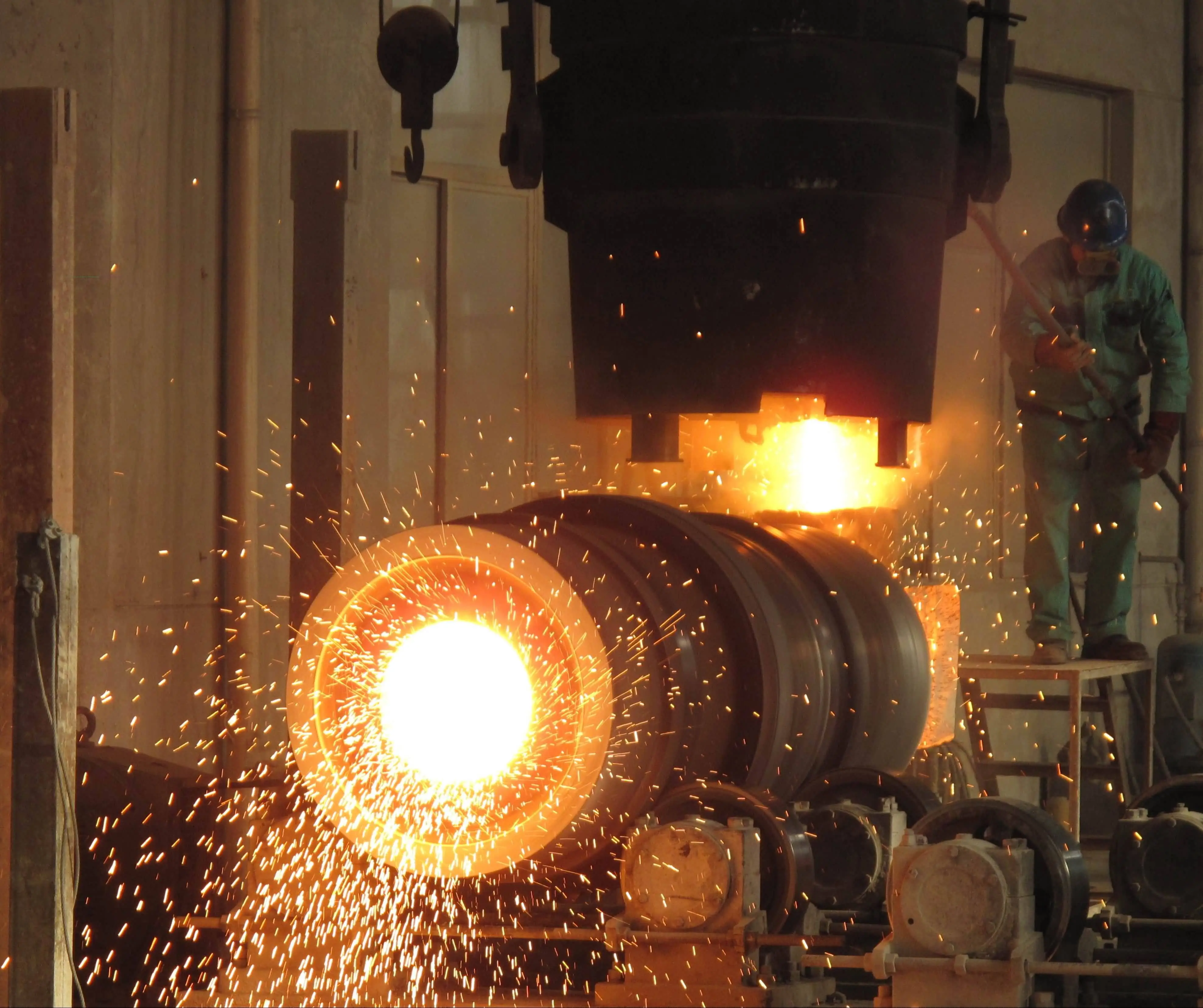
In closed die forging, hot metal stock is put between two or more die halves that have the shape of the part that needs to be made. Under very high pressure—usually between 2,000 and 50,000 tons, depending on the size of the part—the metal runs into every part of the die hole. Open die forging is very different from this process because the metal isn't fully sealed, which makes shaping less exact.
When you use closed die forging, the controlled environment makes sure that the material flows consistently and gets rid of many of the factors that can change the quality of a part made in other ways. This process works really well with steel, aluminum, titanium, and some special alloys. It keeps the metal's mechanical properties while making complicated shapes that would be hard or expensive to make.
Superior Mechanical Properties Through Grain Structure Control
During the forging process, a constant grain flow follows the shape of the part, making it much stronger and less likely to wear down over time. Forging changes the metal's internal structure on purpose to improve its performance, unlike casting, where the grain structure forms randomly as the metal cools.
An investigation by the Forging Industry Association shows that forged parts usually have 20 to 30 percent higher tensile strength than their cast peers. Getting rid of porosity and aligning grain limits along stress lines has led to this improvement. This makes parts that can handle tough working circumstances.
Why Closed Die Forging Outperforms Other Manufacturing Methods?
When procurement pros look at different ways to make complicated parts, it's important to know the relative benefits so they can make smart choices. Closed die forging always gives better results across a wide range of performance measures.
Casting vs. Closed Die Forging Performance
Closed die forged parts, though cast parts can be used in many situations, they naturally have tiny holes and uneven grain patterns that make them less strong. Forged parts get rid of these flaws by using compression forces to make the material stronger and smooth out the grain structure.
The car business is strong proof of forging's superiority. Forged parts are needed for important parts like steering knuckles, connecting rods, and crankshafts because cast parts can't handle the recurring stresses that happen in engine and chassis use. In real-world tests, the fatigue life of forged car parts is usually three to five times longer than that of cast parts.
Machining Cost Efficiency and Material Utilization
Machining is a great way to control dimensions, but it wastes a lot of material when making complicated shapes from solid stock. Closed die forging is similar to net shape making in that it doesn't need much machining afterward to get to the end size.
Think about a complicated aircraft bracket that might need 80% of the material to be removed to be made from billet. Closed die forging uses 90–95% of the raw material to make the same part; only important areas need to be finished machined. This efficiency saves a lot of money on expensive materials like titanium and Inconel metals, which are often used in aircraft.
Complex Geometry Capabilities Beyond Cold Forming
Cold forging and progressive stamping are great at making simple shapes with smooth surfaces, but they aren't so good at making complex three-dimensional forms or thick parts. Cold forming can't handle complex forms with different wall thicknesses, undercuts, and other fine details. Closed die forging can.
The process allows for complicated designs while keeping the structural stability of the whole part. Parts with bosses, ribs, and complicated internal paths that would normally need multiple stampings or kits can often be made from a single forged component. This cuts down on the cost of assembly and the number of places where something could go wrong.
Design and Quality Factors When Procuring Closed Die Forged Parts
To successfully buy cast parts, you need to know how design choices affect the quality, cost, and ability to manufacture. Making smart design decisions during the development phase can cut tooling costs and lead times by a large amount while still improving the performance of the part.
Design for Manufacturing Principles
To create forged parts well, you must first understand how the material moves during the forging process. Sharp corners, rapid changes in section, and complicated undercuts can make it hard to make something, which can raise the cost of tools and cause quality problems.
To make it easier for parts to come out of dies, design rules say that vertical surfaces should have draft angles of at least 3 to 7 degrees. Fillet radii should be big enough to allow material to run smoothly while still meeting structural needs. These design factors don't change how the part works; instead, they improve the production process so that better results can be achieved at lower prices.
Quality Assurance Through International Standards
Forging operations can use ISO 9001:2015 certification to make sure quality management is uniform. But forging standards like ASTM A788 and ISO 12444 cover the special needs of forged parts. These guidelines say how many defects are okay, what the mechanical properties must be, and how to test parts in a way that makes sure they work reliably.
Metallurgical testing procedures include ultrasonic checking to make sure the inside is solid, magnetic particle testing to look for flaws on the outside, and mechanical testing to make sure the strength qualities are correct. Statistical process control is used in advanced forging facilities to keep an eye on important factors like temperature, pressure, and time. This keeps the quality of each production run the same.
Grain Flow Optimization for Enhanced Performance
The direction of grain flow in cast parts has a direct effect on their durability and mechanical qualities. The right design takes into account how the material moves through the die hole and lines up the grain limits with the stress patterns that are expected.
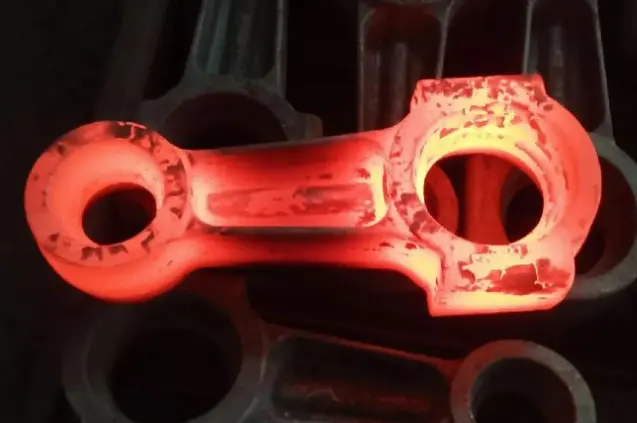
A linking rod shape is a great example of this idea in action. The grains move along the load path from the small end to the big end. This makes the material strongest along the main stress line. If you machined connecting rods from bar stock, the grain flow would be perpendicular to the stress line. This would make the wear life and load capacity much lower.
Procurement Guidance for Closed Die Forged Parts
In order to find skilled sources who can make high-quality forged parts, you need to look at more than just the initial price. The success of a long-term partnership relies on the skills, quality processes, and professional help of the supplier.
Supplier Qualification Criteria
Forging closed die forged parts with a good reputation keeps their certifications up to date, such as ISO 9001:2015, AS9100 for aircraft uses, or TS 16949 for car parts. These certificates show that you are dedicated to quality management systems and methods for ongoing growth.
The technical skills review should look at things like the ability to create and make dies, the amount of press tonnage that is available, heat treatment facilities, and inspection tools. Suppliers with their own tech teams can make plans more easily and give useful feedback during the development process.
The supplier's customers can often tell you a lot about their skills and where they stand in the market. Companies that work with aerospace, military, or high-end car markets tend to have stricter quality standards and more advanced production tools than companies that only work with basic markets.
Cost Structure Understanding and Lead Time Planning
Costs for forging include parts for material, tools, preparation, and finishing. The prices of raw materials change with the market for those materials, but the prices of processing materials stay pretty stable once the conditions for output are set. Tooling is a big starting cost that is spread out over the number of items that are made.
Lead times for new-made parts are usually between 12 and 20 weeks, which includes designing the die, making the part, and testing it. This plan is based on the idea that the shapes and materials will be simple. Process creation and qualification testing may take longer if the parts are complicated or the metals are rare.
Minimum order numbers are often based on how much it costs to set up a die and heat treat a lot of parts. This may seem like a lot of restrictions, but the cost savings of forging become clear when you make more than 500 to 1,000 pieces a year, based on the complexity of the part and the material you choose.
Real-World Applications and Future Outlook
Many different types of industries use closed die forging because it is so flexible. Each type of industry uses different benefits of the process. When procurement professionals understand these uses, they can spot chances to use fake solutions in their goods.
Aerospace and Defense Applications
Components for the aircraft business need to be very light while also being very strong and reliable. Modern airplanes are made up of forged aluminum and titanium parts, such as landing gear parts, engine frames, and flight control hardware.
There are thousands of forged titanium fasteners and structural elements in Boeing's 787 Dreamliner. These are lighter than steel options but still strong enough for flight-critical uses. Forged parts are perfect for situations where failure is not an option because the grain structure is managed and there are no internal flaws.
Automotive Industry Evolution
To close die forged parts, the competing needs for better fuel economy and better speed, modern car design leans more and more on forged components. High-strength cast steel parts allow for making things lighter while keeping the structure's integrity and crash performance.
The growth of electric vehicles has opened up new uses for forging parts in motor housings, gear sets, and structural parts. Precision is possible with closed die forging, which supports the tight tolerances needed for electric motor parts and gives them the dependability needed for car use.
Industrial Equipment and Energy Sector Demands
Extreme loads, temperatures, and corrosive conditions put parts used in heavy industrial applications to the test. This makes traditional manufacturing methods difficult to use. When it comes to longevity, forged parts in oil drilling equipment, mining tools, and power generation systems are better than cast or fabricated ones.
The main shafts of wind turbines are a great example of how to make things better in green energy use. For 20 years, these huge parts have to be able to handle different loads and weather situations. Forged building is the best way to make these important parts because it is reliable and doesn't wear out easily.
Conclusion
Closed die closed die forged parts are the best way to make complicated metal parts because it has better mechanical qualities, more design options, and lower production costs. The process regularly does a better job than other ways of making things when it comes to strength, dependability, and material efficiency. It can also support complex shapes that other methods can't do cost-effectively. Procurement experts can successfully use forging advantages when they understand design principles, quality standards, and supplier capabilities. As industries keep asking for lighter, higher-performing parts, closed die forging technology adapts with new materials and automated processes to meet these needs while keeping the main benefits that have made it essential for important uses in the aerospace, automotive, and industrial sectors.
FAQ
What materials work best for closed die forging applications?
Because they are so good at flowing and being strong, carbon and alloy steels are the most popular materials for forging. Aluminum alloys are good for aircraft and car applications because they are lightweight, but titanium is better for high-end uses because it has a better strength-to-weight ratio. Stainless steels and nickel-based superalloys are used for specific needs that need to withstand high temperatures and rust.
How does part complexity affect closed die forging costs and feasibility?
Because they require more complex machining and take longer to create, dies with complex shapes cost more. But being able to make complex forms in a single step can often make up for higher equipment costs by getting rid of the need for assembly steps and cutting down on material waste. Forging parts with undercuts, deep holes, or very high or very low aspect ratios may need special methods or more than one process.
What quality control measures ensure consistent forged part performance?
Modern forging shops have full quality control systems that include inspecting inbound materials, keeping an eye on the process, and checking final parts. Ultrasonic screening and other non-destructive testing methods find problems inside things, while mechanical testing checks for power. Statistical process control keeps an eye on important factors during production to make sure stability and avoid quality problems.
Partner with Welong for Superior Closed Die Forged Parts Manufacturing
Welong has been managing foreign supply chains for 20 years and is certified to ISO 9001:2015. This makes us a reliable seller of closed-die forged parts for complex industrial parts. Our engineering team works with customers from the first planning phase to the final delivery phase to make sure that your forged component needs are met in the most cost-effective and easily-manufacturable way possible. We have a lot of experience working with the aerospace, automobile, and heavy industry sectors in Europe, North America, and the Asia-Pacific region. We know how important it is to deliver quality products on time. Get in touch with our engineering team at metal@welongpost.com to talk about how our closed die forging services can help your next project run more smoothly and lower the risks of buying.
References
1. Smith, William F. "Structure and Properties of Engineering Alloys." McGraw-Hill Education, 2019.
2. Altan, Taylan, and Gracious Ngaile. "Cold and Hot Forging: Fundamentals and Applications." ASM International, 2020.
3. Forging Industry Association. "Forging Design Handbook." Cleveland, Ohio: FIA Technical Publications, 2018.
4. Davis, Joseph R. "ASM Specialty Handbook: Heat-Resistant Materials." ASM International Materials Park, 2021.
5. Dieter, George E. "Mechanical Metallurgy: SI Metric Edition." McGraw-Hill Science/Engineering/Math, 2017.
6. International Organization for Standardization. "ISO 12444: Steel Forgings - Quality Requirements." Geneva: ISO Publications, 2019.

Share your inquiry, get the quotation accordingly!
China WELONG- Your Reliable Partner in Metal Solutions