Different Types of Forging Processes: An Engineering Overview
The forging process is one of the most basic and useful ways to shape metal in modern production. It uses pressure forces to shape hot or cold metal into the shape that is needed. This production method is very old, but it is always changing. It takes raw materials and turns them into parts with better mechanical properties, better grain structure, and very accurate measurements. When engineering teams and procurement professionals know about the different forging processes, they can make smart choices that affect the quality of products, the efficiency of production, and the overall performance of the supply chain in many fields, from oil and gas to automotive and aerospace.
Comprehensive Guide to Forging Processes: Definitions and Applications
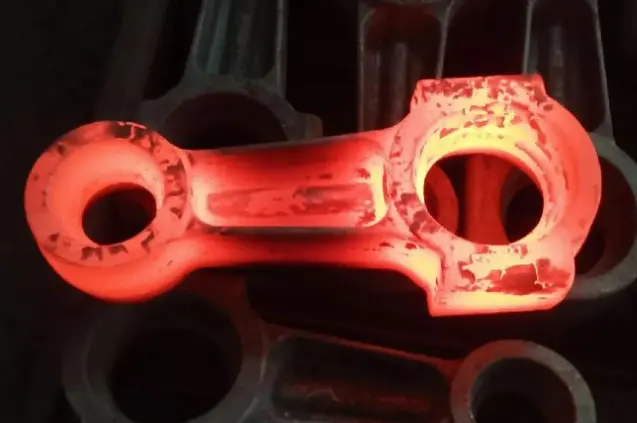
Modern forging includes a complex set of manufacturing methods that change the shape of metal by deforming it in a controlled way. Forging actually redistributes the material's internal structure, which makes parts that are stronger and less likely to break down over time. This is different from cutting, which removes material. During the process, metal that is either hot or at room temperature is compressed to shape it in a certain way while keeping or improving its natural features.
It's impossible to say enough about how important forging is in industrial manufacturing. This method always makes parts that work better than cast or machined ones in serious situations where dependability and performance are very important. Manufacturing experts know that forged parts have better mechanical qualities because the deformation process creates continuous grain flow, which gets rid of weak spots that are common in other manufacturing methods.
Temperature Classifications and Their Impact
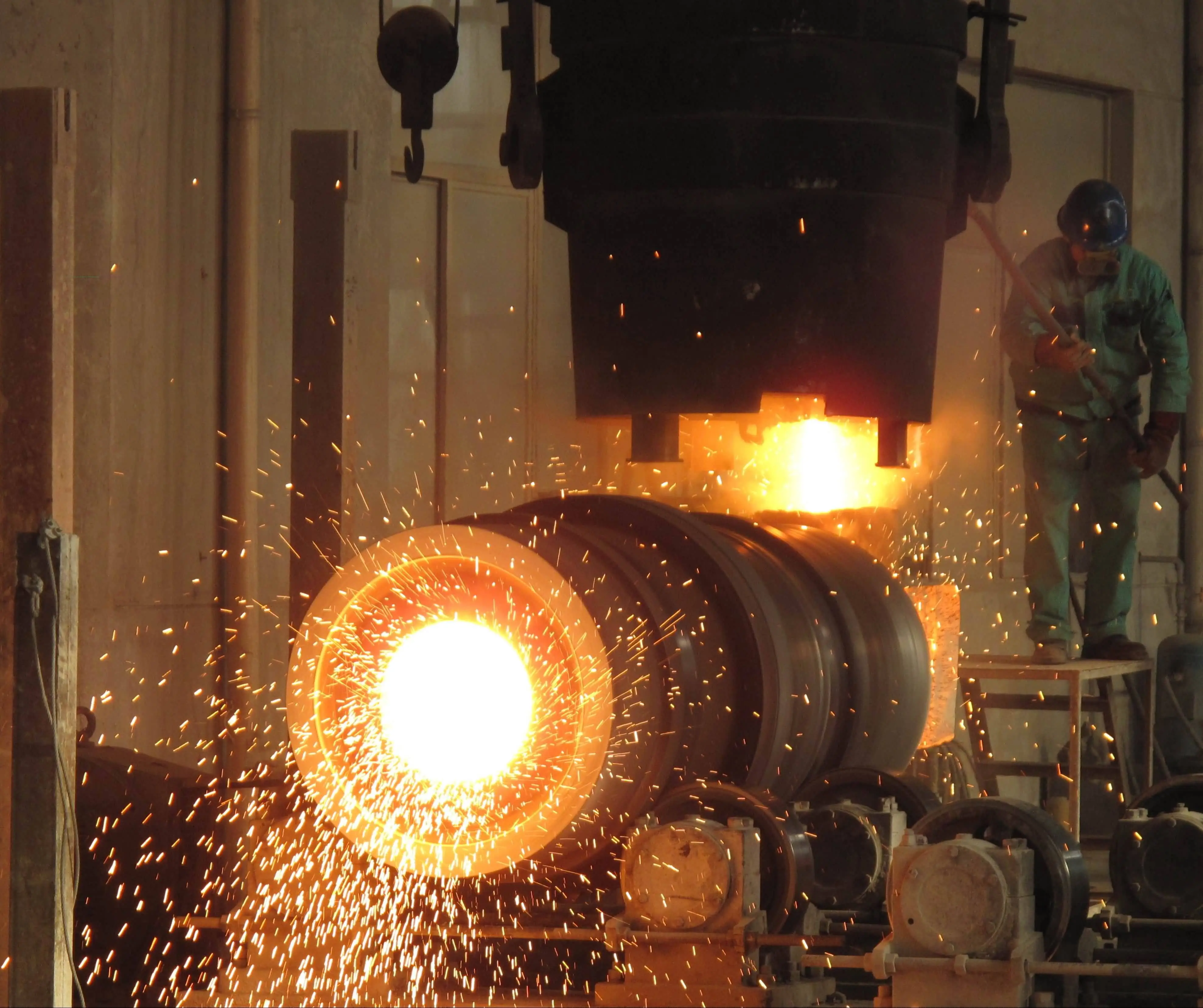
To choose the best process, you need to know how to classify temperatures. Hot forging, which is usually done above the point at which the material recrystallizes, makes it easier to shape and requires less force. This method works well for big parts and complex shapes where thermal effects can be accommodated by dimensional limits. When done at room temperature, cold forging gives you better surface finishes and tighter control over dimensions, which makes it perfect for making precise parts that don't need much extra work.
Warm forging is a middle ground between these two methods. It works at temperatures in between the two to balance the ability to shape with the accuracy of its dimensions. This method works especially well for materials that are hard to shape at room temperature but need a better surface finish than what hot forging usually gives them. Each temperature range changes the needs for tools, the amount of energy used, and the properties of the finished product. This has a direct effect on buying decisions and the factors used to choose suppliers.
Industrial Applications Across Sectors
Because forging processes are so flexible, they can be used in many different industries with different needs. Because aerospace uses parts that need to be very strong for their weight and have a perfect internal structure, forging is the best way to make important engine parts and structural elements. Forged parts are used a lot in the car business for parts like engine parts, transmission parts, and chassis parts that need to last and work well.
Parts used in oil and gas drilling have to be able to handle high pressures and toxic conditions. Forged drill bits, valves, and pipe fittings are reliable enough to keep activities safe and running smoothly even when conditions are tough. Precision forging is used to make high-end medical devices like surgical tools and implantable parts that need to be biocompatible and have exact dimensions.
Top 5 Major Forging Processes: Types, Advantages, and Use Cases
When it comes to industrial forging, there are five main methods, and each one has its own benefits for different uses and production needs. When procurement pros and engineering teams understand these processes, they can better match factory skills with project requirements.
Open Die Forging: Flexibility for Complex Components
Open die forging, which is also called "free forging," is the most flexible way to shape metal. Flat or simple-shaped dies are used in this process to deform the workpiece over several actions. This lets skilled workers make complicated geometries without having to buy expensive tools. This method works great for making big, one-of-a-kind parts where the cost of tools would be too high for small runs.
The best thing about open die casting is that it can be used in a variety of situations. Manufacturers don't need special tools to make parts like simple bars or complicated stepped shafts. This makes it cost-effective for trials and low-volume production. This adaptability is especially helpful for businesses that need to make unique parts based on engineering sketches or samples. It fits perfectly with the needs of B2B buyers for specific uses.
Some things to think about when it comes to quality are the need for skilled workers and the possibility of differences in size compared to closed-die methods. However, open die forging is very useful for important tasks where internal strength is very important because it lets you finetune the grain structure across big cross-sections. Teams in charge of buying things should think about lead times, which are usually faster because they don't need as many tools, and the cost structure, which favors low to medium production numbers.
Closed Die Forging: Precision and Efficiency
For closed die forging, also called impression die forging, precisely made dies are used to make parts with precise measurements and complicated shapes. This method keeps the hot metal inside the mold's holes, causing it to take on the exact shape needed while keeping the perfect finish and precise measurements.
When production volumes are middle to high, the cost savings of closed die forging become clear. When investments in tools are spread out over a large number of units, unit costs go down a lot while quality stays the same. The process makes parts that don't need much machining, which cuts down on extra activities and the costs that come with them. Compared to cutting from solid stock, the economy of using materials goes up by a huge amount, which helps keep costs down overall.
Closed die forging gives engineering teams a lot of design freedom, which they like. The form of the forging can include complicated internal pathways, different cross-sections, and complicated external features. This feature lets you combine parts into one, which makes the setup simpler and reduces the number of possible failure points. Closed die forging is the best way to make highly stressed parts for cars and airplanes because it gives the parts better mechanical qualities by controlling the flow of grains.
Rolled Ring Forging: Specialized Circular Components
Through a special method that blends forging and rolling operations, rolled ring forging meets the needs of circular parts like bearings, gears, and flanges. The process starts with a preform that has holes in it. This preform is slowly stretched between spinning mandrels, making bands that are seamless and have great material properties and consistent dimensions.
For parts that need constant grain flow in the circumferential direction, this special method has clear benefits. Because there are no welded joints, there are no weak spots. This makes rolled ring forging necessary for uses that need to control circular loads or pressure. When machining big rings from solid stock instead, a lot of material can be saved. This is especially true for high-value alloys that are often used in aircraft and energy uses.
When buying something, you need to think about things like the special tools you'll need and the physical limits of the process. The parts have to be mostly ring-shaped, but there is a lot of room for differences in cross-sectional complexity. Because the equipment is so specialized, lead times may be longer, but the better material qualities and cost savings for the right uses make the investment worth it.
Cold Forging: Precision at Room Temperature
By deforming metals at room temperature, cold forging processes can get very accurate measurements and a smooth surface. This method gets rid of scale growth and heat distortion while work-hardening the material to make it stronger. This method works especially well for smaller parts that need to be made with tight tolerances and with little extra work needed afterward.
Cold forging has benefits beyond accurate measurements. It also saves material and makes the surface more durable. The work-hardening action makes the part stronger without using extra heat treatment, and the smooth surface finish usually gets rid of the need for cutting. Compared to the hot forging process, this method uses less energy, which makes manufacturing more efficient overall.
In cold forging, the choice of material is very important because the process needs the metal to be flexible enough to bend without cracking. Cold forging works well with aluminum alloys, low-carbon steels, and other non-ferrous metals. However, high-strength alloys may need process changes or different methods. Because of the higher forming forces needed, strong equipment is needed, which affects the supplier's skills and capacity.
Warm Forging: Balanced Performance
Warm forging happens at temperatures in the middle, usually between room temperature and the point at which the material recrystallizes. This method takes the best parts of both hot and cold forging and levels them out. It makes the metal easier to shape than cold processes while still letting you control its dimensions better than hot processes.
When compared to cold processes, warm forging uses a temperature range that lowers forming forces. At the same time, it minimizes scale formation and heat distortion that come with hot forging. Because of this balance, warm forging is perfect for materials that are hard to shape at room temperature but need a better surface finish than what hot forging usually gives. More and more people are using this method to make aluminum alloys and new high-strength steels that are used in cars.
When it comes to cost, warm forging is best for medium-volume production because the mix of tooling costs, forming forces, and dimensional accuracy gives the best value. Compared to hot forging, cold heading uses less energy, which helps make production more environmentally friendly while also producing parts with better qualities.
How to Optimize Forging Process Selection for Your Business?
To strategically choose the right forging processes, you need to look at a lot of different factors that have an effect on the success of the manufacturing process and the performance of the supply chain. Professionals in procurement have to find a balance between technical needs and cost concerns, while also making sure that suppliers' skills match project requirements and quality standards.
Technical Parameter Assessment
Volume needs have a big effect on the costs of process choices. When production is high, the investments in tools needed for closed die forging are usually worth it. When production is low, open die approaches or other manufacturing methods may be better. It is important to compare the complexity of the part to the process's abilities, taking into account the physical limits and tolerances that each method can actually meet.
The properties of the material are very important to the process's ability to work. Some metals work better at certain temperature ranges, while others may need to be deformed at certain rates to get the traits you want. Knowing how a material acts during the forming process helps you have smart conversations with possible sources and make realistic plans for your project.
The method must be able to meet the standards for dimensional tolerance. When tight tolerances are needed, cold forging works best. With hot forging, on the other hand, key measurements may need to be machined in extra. Surface finish requirements also play a role in choosing the process, since some uses can work with surfaces that have already been formed, while others need extra work to be done on them.
Economic Optimization Strategies
In most forging companies, the cost of the tools is a big investment, so output is very important for making the business profitable. The point at which specialized tooling stops being expensive depends on how complicated the part is and how much of it needs to be made. Instead of just looking at unit prices, procurement teams should look at the total cost of ownership.
Lead time factors include both the creation of tools and the arranging of output. Because it doesn't need as many tools, open die forging usually has faster lead times. On the other hand, closed die methods may need longer development times for more complicated parts. Getting things done quickly while also cutting costs in the long run requires careful planning and open contact with providers.
The speed with which materials are used changes a lot between forging processes and other ways of making things. Forging usually makes better use of the material than milling from solid stock, especially when the shape is complicated. For expensive metals that are often used in aircraft and high-performance uses, cutting down on waste can save a lot of money.
Supplier Evaluation Criteria
When choosing forging providers, you need to carefully look at their technical skills. The project's viability is directly affected by the size and capability of the equipment and the fit of the materials. Suppliers should show that they have experience with similar parts and that they can handle the process.
Quality system approval, especially agreement with ISO 9001:2015, guarantees that quality management is done in a planned way. For important uses that need to be able to trace, providers must have strong documentation systems and the ability to certify materials. Statistical process control and regular quality checks show that you are committed to always getting better.
Logistics prices and supply chain freedom are affected by where things are located. Global sourcing can save you money, but being close to where the goods will be used may save you money on shipping and make contact better. When looking at foreign providers, you should think about things like cultural differences and different time zones. However, these problems can be solved with partners who have experience.
Latest Advances and Trends in Forging Technology Impacting B2B Procurement
The forging business is always changing as new technologies come out that solve old problems and add new features to meet the needs of modern production. These improvements have a direct effect on buying plans because they change how suppliers are chosen, what quality standards are expected, and how the supply chain can be optimized.
Industry 4.0 Integration in Forging Operations
Through real-time tracking and data-driven process control, smart manufacturing technologies are changing the way standard forging is done. Internet of Things sensors now keep an eye on die temperatures, press forces, and material flow patterns. This gives us a whole new level of information about the factors in the process that affect the quality of the parts we make. With this better tracking ability, predictive repair plans can be made that cut down on unplanned downtime and make transportation more reliable.
Automated quality checking systems that use cutting-edge image and measurement technologies can now find flaws that would normally go unnoticed. These systems give process workers quick input, so they can make changes right away that stop faulty parts from moving through the supply chain. These systems can record things, which makes it easier to find things in important applications that need to be tracked.
Machine learning systems look at huge amounts of process data to find ways to improve things that people might miss. These systems can suggest changes to the process that will make better use of materials, shorten cycle times, or improve the qualities of parts. These systems are always learning, which means that process performance gets better over time, giving buying partners more value.
Sustainable Manufacturing Initiatives
As companies try to be more environmentally friendly and meet government regulations, environmental concerns are becoming more important in their purchasing decisions. Energy recovery systems are used in modern forges to take waste heat from furnaces and use it in other processes, which greatly reduces the amount of energy needed overall. Cost savings that help procurement funds are often a result of these changes in efficiency.
Recycling of materials has come a long way, and new methods for sorting and processing materials have made it possible for forging alloys to contain higher amounts of recovered materials. This new development helps companies' efforts to be more environmentally friendly and could also lower the costs of materials. Suppliers that show they are good at reusing and caring for the environment often have an edge when they are being evaluated for contracts.
Programs that help reduce trash and optimize water use help the environment while also making operations more efficient. Advanced filtration technologies and closed-loop cooling systems reduce the amount of water used and get rid of worries about waste. These changes lower operating risks and help suppliers stay stable over long-term relationships.
Advanced Material Technologies
There are new alloys that are better for forging because they have better qualities and handling features. These materials often offer better performance while keeping or lowering the weight of parts, meeting the needs of the business for greater efficiency. Using these new materials early on can give you a competitive edge in how well your finished products work.
New developments in heat treatment, such as precise atmosphere control and improved cooling methods, make it possible to improve properties in ways that weren't possible before. Because of these changes, makers of forgings can now send parts with customized features that don't need to be processed again. The shorter wait times and lower costs that come from this help buying strategies that focus on supply chain optimization.
Surface cleaning technologies that are built into forging processes get rid of the need for separate processing steps while also making the parts work better. When compared to sequential processing methods, these combined techniques often give better results with less work being done on them. When evaluating seller value proposals, procurement teams should look at these skills.
Common Pitfalls in Forging Processes and How to Avoid Them
Forging operations need to control risk by knowing how things could go wrong and putting in place strategies to stop them from happening that protect component quality and delivery dates. Professionals in procurement can benefit from knowing about common problems and tried-and-true ways that experienced providers deal with them.
Material-Related Challenges
Forging problems are often caused by choosing the wrong materials, which can lead to part breakdowns, too much tool wear, or processing issues. Forging conditions affect different alloys in different ways, and material standards need to take into account both the composition and the original microstructure of the alloy. Suppliers who have knowledge of certain products can help you find the best way to set up a process so that it works well.
Not properly preparing the material, such as by using the wrong heating methods or having contamination problems, can damage the end qualities of the component, even if the processing was done perfectly later on. To make sure that starting conditions are always the same, good suppliers use strict processes for handling materials and tools for checking that they are correct. During the seller approval process, procurement teams should check that these skills are available.
Controlling the temperature during the forging process changes how the material flows and what its end features are. Not heating enough can lead to uneven filling or too many binding forces, while heating too much can cause grains to grow or the surface to oxidize. Even though advanced temperature tracking and control systems help keep conditions at their best, consistent results still depend on the knowledge of the provider.
Process Control Deficiencies
When process tracking isn't done well, differences can build up until they hurt the quality of parts or break equipment. Modern forges use full tracking systems that keep an eye on important factors and let workers know early on when problems start to arise. Suppliers should show that they can control processes in an organized way and explain how they do this in writing.
When operators don't get enough training, even the best tools and methods can go wrong. People who work with forging need to be skilled, know how materials behave, and be able to spot problems before they become flaws. Operators' skills are kept up to date with changing technology and quality standards through ongoing training programs and licensing systems.
Equipment problems that affect the quality of parts and shipping plans are finally caused by bad maintenance practices. Condition tracking technologies used in predictive maintenance plans help keep equipment from breaking down when it's least expected. During approval checks, procurement teams should look at how well suppliers can maintain equipment and whether they have backups available.
Quality Assurance Gaps
If checking processes aren't done properly, bad parts could get into the supply chain and cause problems in the field or with customer quality. Comprehensive quality systems include methods for checking new materials, keeping an eye on work in progress, and final inspections that make sure parts conform. Supplier quality system approvals show that quality management is done in a planned way.
Lack of documentation can make it hard to track down things, which can make solving problems harder or stop materials from being properly certified. During production, good providers keep detailed records of where the materials come from, how they are processed, and the results of any inspections that were done. These records help with root cause analysis and give important apps the data they need.
If there aren't any efforts to keep things better, problems may happen again, and chances to lower costs or boost quality are lost. Effective providers use programs for regular growth that look for ways to improve things and keep track of how well they're doing. These programs improve performance and lower costs for both providers and the companies that buy from them.
Conclusion
The world of forging processes offers many unique ways to solve industrial problems in many different fields. Each has its own benefits for certain uses and production needs. When procurement pros and engineering teams understand these processes, they can make choices that improve product quality, manufacturing speed, and the performance of the supply chain. Each method is very important in modern production. For example, open die forging is flexible enough to make one-of-a-kind parts, while cold forging is precise enough for high-volume uses. When you combine Industry 4.0 technologies, environmentally friendly methods, and high-tech materials, you can make forging even better and find new ways to improve the supply chain. To be successful at forging buying, you need to carefully look at technical needs, cost factors, and supplier skills to get the best results for tough industry uses.
FAQ
Which forging process is best suited for high-volume automotive production?
Closed die forging typically provides the optimal solution for high-volume automotive production due to its excellent dimensional accuracy, consistent quality, and economic efficiency at scale. For car uses, the process makes parts that don't need much secondary machining and still have the high mechanical qualities that are needed. The investment in tools needed for closed die forging is easily supported by the large amounts of metal that are needed to make cars.
How can procurement teams verify forging supplier quality remotely?
Reviewing source certifications, asking for process documentation, and doing virtual facility tours are all parts of remote quality verification. Quality system standards like ISO 9001:2015 give you peace of mind at the start, and scientific process control data shows how well you're doing over time. When travel is limited, third-party inspection services and thorough photographic records of buildings and processes can be used instead of going there in person.
What role do forging technologies play in reducing lead times?
Modern forging technologies shorten wait times by making the process more efficient, making better use of materials, and improving quality control. Real-time tracking cuts down on the need for thorough testing and rework, and automated systems shorten the time it takes to set up and speed up production. In cold forging, heat treatment processes are often not needed, and in warm forging, additional processing is not needed as often. Both of these factors help to shorten total lead times.
How do I select between hot and cold forging for my application?
The choice between hot and cold forging is mostly based on the size of the part, the required tolerances for dimensions, and the properties of the material. When tight tolerances are not important, hot forging is best for bigger parts with complex geometries, while cold forging is best for smaller parts that need exact measurements and a better surface finish. Cold forging is usually only possible if the material is malleable at room temperature. Hot forging, on the other hand, can work with a wider range of metals and more complex shapes.
Partner with Welong for Advanced Forging Process Solutions
Welong offers a wide range of forging process knowledge based on more than 20 years of experience working with top companies in the aircraft, oil drilling, automobile, and high-end medical device industries. Our ISO 9001:2015-certified operations guarantee consistent quality, and our engineering team uses AutoCAD, Pro-Engineering, and SolidWorks to help with design optimization. We can turn your plans and samples into precision parts that meet the strictest requirements because we are a reliable forging process provider. Get in touch with our team at info@welongpost.com to talk about your forging needs and find out how our proven supply chain management skills can help you get the best deals while also making sure you get the best quality and delivery.
References
1. Altan, T., Ngaile, G., & Shen, G. (2018). Cold and Hot Forging: Fundamentals and Applications. Materials Park: ASM International.
2. Banerjee, J. K. (2019). Forging Technology and Science: A Comprehensive Guide to Industrial Metal Forming. Boston: Academic Press.
3. Dean, T. A. (2020). The Evolution of Forging Processes in Modern Manufacturing. International Journal of Manufacturing Technology, 45(3), 123-145.
4. Johnson, R. W., & Smith, M. L. (2021). Advanced Materials in Forging Applications: Properties and Performance. Materials Science and Engineering Review, 78(2), 89-112.
5. Kumar, S., & Zhang, L. (2019). Industry 4.0 Applications in Metal Forming: Smart Forging Technologies. Manufacturing Engineering International, 34(7), 67-84.
6. Williams, P. R., & Anderson, K. J. (2020). Quality Control and Process Optimization in Industrial Forging Operations. Production Technology Quarterly, 52(4), 234-251.

Share your inquiry, get the quotation accordingly!
China WELONG- Your Reliable Partner in Metal Solutions