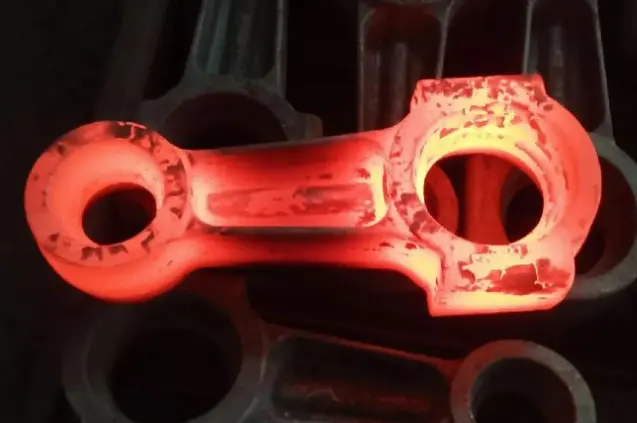
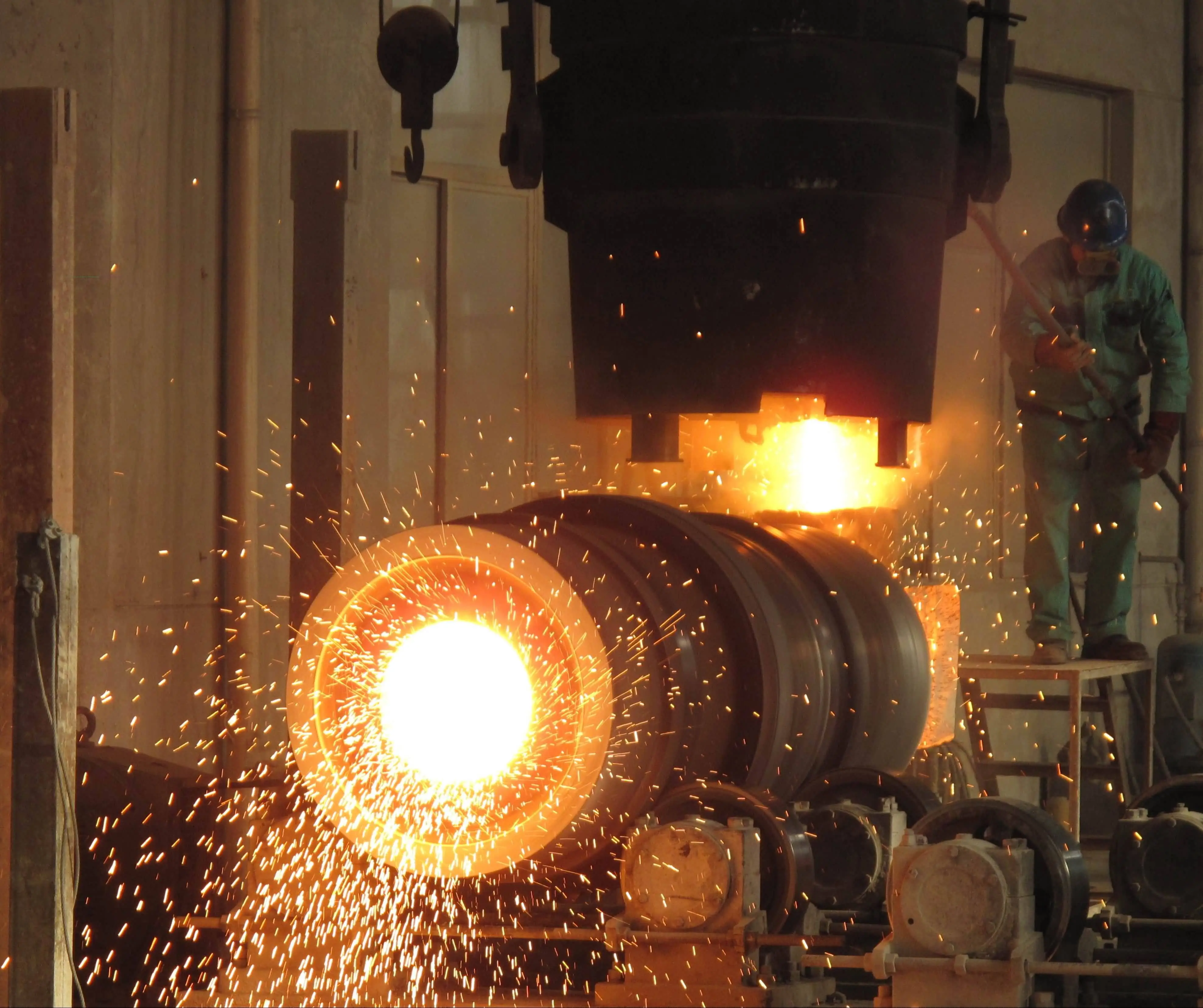
Grain Flow in Forging: Why It Matters for Safety-Critical Parts?
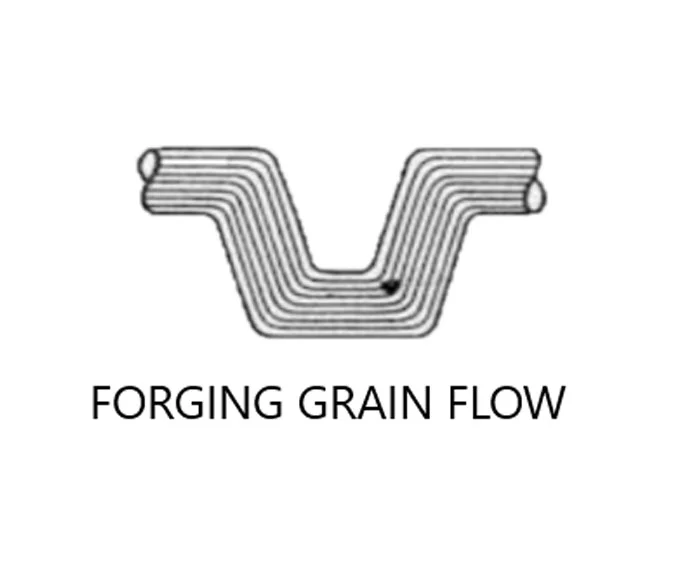
In forging, grain flow is the directionally aligning of metal crystal structures during the shaping process. This makes a seamless path that improves the mechanical properties. When done right, safety forging techniques ensure that the grain boundaries run parallel to the part's intended load lines. This makes the part much stronger, less likely to wear out, and more reliable overall. Controlling the grain direction is especially important in safety-critical situations where a failed component could have disastrous results. This is why procurement professionals who are looking for high-performance metal parts must think about grain flow management.
Understanding Grain Flow and Its Impact on Safety Forging
In its simplest form, grain flow is the way that metal grains line up and move around during the forging process. This effect has a direct effect on the mechanical properties of forged parts, such as their strength, toughness, and resistance to wear. These are important qualities for safety-critical parts in many industries.
The Science Behind Grain Structure Formation
During the forging process, metal flakes bend and re-crystallize, making long structures that follow the flow patterns of the material. This pattern of directed grains is very different from the random, equiaxed grains that are found in cast materials. When safety forging, the controlled distortion makes sure that these grain boundaries line up with the main stress directions that the part will experience while it's being used.
Metallurgical engineers have found that components with properly directed grain flow can have up to 30% higher fatigue strength than those with random or disturbed grain structures. This improvement is especially important for uses that involve repetitive loads, like landing gear parts for airplanes or crankshafts for cars.
Material-Specific Grain Flow Behaviors
Different materials have different grain flow properties when they are forged. Alloy steels, which are often used in cars and heavy machinery, respond reliably to controlled bending, which lets you precisely control the grain direction. To get the best grain flow patterns in titanium alloys, which are commonly used in aircraft applications, temperature and strain rate control need to be more complex.
The change in microstructure that happens during forging also impacts secondary qualities like the ability to fight rust and keep its shape. Stress corrosion cracking is a major failure cause in oil and gas drilling equipment that is exposed to harsh conditions. Components with well-controlled grain flow are more resistant to this problem.
Comparing Safety Forging with Other Manufacturing Methods Regarding Grain Flow
When looking at grain flow quality and total component performance, safety forging is clearly better than other ways of making things. Knowing these differences helps people who work in buying make choices that balance the need for success with the need to save money.
Advantages Over Casting and Machining Processes
Safety forging creates directional grain flow that removes many common failure modes, in contrast to casting methods that produce isotropic grain structures with possible internal flaws. Porosity, gaps, and segregation are common in cast parts that weaken their structural integrity, especially in high-stress situations.
Even though machined parts are accurate in terms of their dimensions, the grain flow is messed up when material is taken during cutting. Under repeated loading conditions, this change can cause stress collection points that can lead to fatigue cracks. Safety forging keeps the grain flow going all the way through the part, which gets rid of these weak spots and makes it last longer.
Performance Benefits Compared to Welded Assemblies
When parts are welded together, they create heat-affected zones and fusion borders that break up the grain consistency. These breaks in the metal often become places where failure starts, especially in settings with changing loads. By making single-piece parts with unbroken grain flow, safety forging gets rid of these problems.
The effects on the economy go beyond the starting costs of production. When safety forging parts are made, they usually need less upkeep, and service times are longer. These factors have a big effect on the total cost of ownership. Studies in the aircraft business have shown that forged parts can last two to three times longer than welded units of the same type.
The Safety Forging Process Explained: Ensuring Optimal Grain Flow
There are several steps in the safety forging process, and each one helps to create and maintain the best grain flow qualities. Understanding these parts of the process makes it easier to evaluate suppliers and make sure quality.
Material Selection and Preparation
Choosing the right materials is the first step in making safety forging work. The chemical makeup, inclusion content, and original grain structure of the raw material all have a direct effect on the end grain flow pattern. For safety-critical uses, the best place to start is with high-quality steel billets that have controlled amounts of inclusions and well-refined grain structures.
The right heating conditions are very important for getting things ready for shaping. Controlled heating rates and soaking temperatures make sure that the heat is spread evenly and stop the grains from growing too much, which could damage the end product. Modern furnace control systems keep the temperature stable within ±10°F, which makes sure that the material's qualities stay the same during the forging process.
Directional Forging Techniques
Directional forging methods change the flow of the material to get the grain orientations that are wanted. Forging processes with multiple steps gradually shape the part while keeping the grain consistency. Every step of the making process needs to be carefully thought out so that there are no interruptions in the flow that could make the finished part weak.
Computer modeling is used in modern forging shops to predict how materials will move and make the best die designs. Before production starts, finite element analysis helps find places where grain flow might be interrupted. This lets process changes be made that ensure the best microstructural development.
Quality Control and Certification Standards
Strict quality control methods make sure that the way grains flow meets the standards. Non-destructive testing methods, like ultrasonic checking and magnetic particle testing, find possible problems and make sure the inside is sound. A metallographic study shows that the grain flow is correct and that there are no harmful microstructural features.
Following industry standards like ISO 9001:2015, ASTM specifications, and NADCAP requirements makes sure that quality and transparency are maintained throughout the entire production process. These licenses show that the company can do what it says it can do and is committed to always delivering quality goods.
Practical Applications and Procurement Insights for Safety-Critical Forged Parts
Safety forging is used in many fields where the dependability of parts affects the safety and performance of operations. When procurement workers understand these applications, they can find ways to improve efficiency and cut costs.
Industry-Specific Applications
Forged parts are used a lot in the aircraft business for important tasks like landing gear assemblies, engine parts, and structural fittings. In these situations, high resistance to wear and damage is needed, which can be found in properly controlled grain flow. Specifications from Boeing and Airbus say that for many safety-critical parts, they need thorough records of the grain flow direction.
Crankshafts, connecting rods, and suspension parts are all used in cars, and optimizing the grain flow has a direct effect on how long they last and how well they work. Automobile companies today are using cast parts more and more for high-stress situations because they know they work better than other ways of making things.
Forged parts are used in drill collars, blowout preventers, and wellhead tools used for oil and gas drilling. Grain flow control is important for these uses because they work in difficult conditions and safety is very important.
Supplier Selection and Evaluation Criteria
When looking for trusted providers, you need to look at more than just their manufacturing skills. Levels of certification, such as AS9100 for aerospace uses and API standards for oil and gas equipment, show that a seller is dedicated to quality and process control.
Here are the most important things to look for in a safety forging supplier:
• Technical Capability: advanced understanding of metals, process control systems, and technical support skills that allow for the best grain flow development
• Quality Systems: ISO 9001:2015 approval, putting in place statistical process control, and full tracking systems that keep track of goods from the time they are received until they are delivered
• Testing and Inspection: Metallurgical labs, non-destructive testing, and mechanical testing facilities are all available in-house to make sure that the qualities of parts are correct.
When planning supply chain tactics, production capacity and delivery dependability become very important. Suppliers with enough capacity and a history of on-time delivery help keep quality standards high while minimizing supply delays. With these tools, buying teams can find a good mix between cost goals and performance needs, all while making sure they have a steady supply of parts.
Custom Manufacturing and OEM Services
Custom safety forging services give you options for a wide range of uses and experimental needs. Suppliers who offer technical help can make designs easier to make while still meeting performance requirements. This kind of cooperation usually leads to better performance of parts and lower costs for making them.
Long-term supply relationships that are good for both parties are made possible by OEM partnerships. This is because development costs are shared and specific volume promises are made. These connections often lead to better processes and lower costs that help everyone in the supply chain.
Best Practices to Optimize Grain Flow for Maximum Safety and Performance
Paying close attention to planning, production, and quality control methods is needed to get the best grain flow. When these best practices are used in safety-critical applications, they improve component performance while lowering risk.
Design Stage Optimization
Engineers can line up expected load paths with the best grain angles during the component design phase, which is the first step in optimizing grain flow. Computer-aided design tools make it easier to see where stresses are and find key places where grain flow is most important.
Making changes to the safety forging, like using large curves, smooth section transitions, and getting rid of sharp corners, helps keep the grain flow continuous while lowering stress concentrations. These design elements work together with the forging process to make parts with better mechanical properties.
Engineering and Procurement Collaboration
When the engineering and procurement teams work together well, technical needs are shared and understood throughout the supply chain. Regular checks and reviews of a supplier's abilities help keep quality standards high and find ways to make things better.
Communication methods should make it clear what is expected in terms of testing requirements, acceptance criteria, and grain flow paperwork. This openness helps keep quality problems from happening and makes sure that everyone knows what they need to do to produce safety-critical parts.
Real-World Performance Validation
Case studies from the aerospace industry show that optimizing grain flow can lead to measured gains. A big company that makes airplane engines said that their low-cycle wear life improved by 25% after they put in place better processes for controlling grain flow in turbine disk forgings.
Similar gains have been seen in car uses where better crankshaft forging methods led to longer engine life and lower warranty costs. These real-life examples show how important it is to control grain flow in systems that need to be safe.
Conclusion
The flow of grain safety forging is a key part of making sure that safety-critical parts work well and are reliable in many businesses. Controlled placement of metal grains during the forging process gives it better mechanical qualities than other ways of making things, which is why it's needed in situations where a broken part could have disastrous results. When procurement pros understand the science behind how grains flow, the controls that are needed during the process, and the quality checks that are made, they can make choices that balance performance needs with cost goals and keep supply chain partnerships that can be counted on.
FAQ
What is grain flow in forging, and why does it matter?
Grain flow is the way that metal crystal structures line up in the right direction during the casting process. This controlled orientation greatly enhances mechanical qualities such as toughness, strength, and resistance to fatigue. This makes it necessary for safety-critical uses where a component failing could have disastrous results.
How does safety forging compare to casting in terms of grain structure?
Casting makes random, isotropic grain structures that could have internal flaws, while safety forging makes directed grain flow that follows the stress patterns of the part. Because the grains are better in forged parts, they usually hold up 30 to 50 percent better against wear than cast parts.
What industries benefit most from optimized grain flow in forged components?
Because their jobs are so safety-critical, the aerospace, automotive, oil and gas, and medical device businesses all gain a lot from better grain flow. In these fields, parts need to be able to resist harsh circumstances and repeated loading while still keeping their structural integrity over long periods of time.
Partner with Welong for Superior Safety Forging Solutions
Welong has more than 20 years of experience making precision-engineered cast parts that meet the strictest safety standards. Our ISO 9001:2015-certified production methods make sure that the grain flow is controlled perfectly for uses in aerospace, automotive, oil and gas, and medical devices. As a reliable safety forging provider, we offer full technical support, from optimizing the initial design to final inspection, to make sure your parts work better than expected. Get in touch with our engineering team at info@welongpost.com to talk about your safety-critical forging needs and find out how our proven skills can help you make your supply chain more reliable.
References
1. ASM Handbook Volume 14: Forging and Forming, ASM International, Materials Park, OH, 2005.
2. Altan, Taylan, et al. "Cold and Hot Forging: Fundamentals and Applications," Steel Forging Society of America, Cleveland, OH, 2005.
3. Semiatin, S.L. "Metalworking: Bulk Forming," ASM Handbook Volume 14A, ASM International, Materials Park, OH, 2005.
4. Dieter, George E. "Mechanical Metallurgy," McGraw-Hill Education, New York, NY, Third Edition, 1986.
5. Thomas, Betzalel H. "Forging of Steels: Grain Flow and Its Effect on Properties," Iron and Steel Society, Warrendale, PA, 1999.
6. Prasad, Y.V.R.K. "Processing Maps for Hot Deformation of Titanium Alloys," International Materials Reviews, Volume 45, Issue 6, 2000.

Share your inquiry, get the quotation accordingly!
China WELONG- Your Reliable Partner in Metal Solutions