Advantages of Closed Die Forging for High-Precision Components
Closed die forging is one of the most important ways to make high-precision parts because it provides the quality, consistency, and speed that procurement workers need. This advanced method has changed the way businesses make important parts that need to be made with very tight tolerances and great mechanical properties. It is a specialized subset of precision forging. The technique has clear benefits over traditional ways of making things. This makes it the best choice for buying teams that need reliable, cost-effective, and scalable production solutions that meet strict international standards.
What Is Closed Die Forging and How Does It Work?
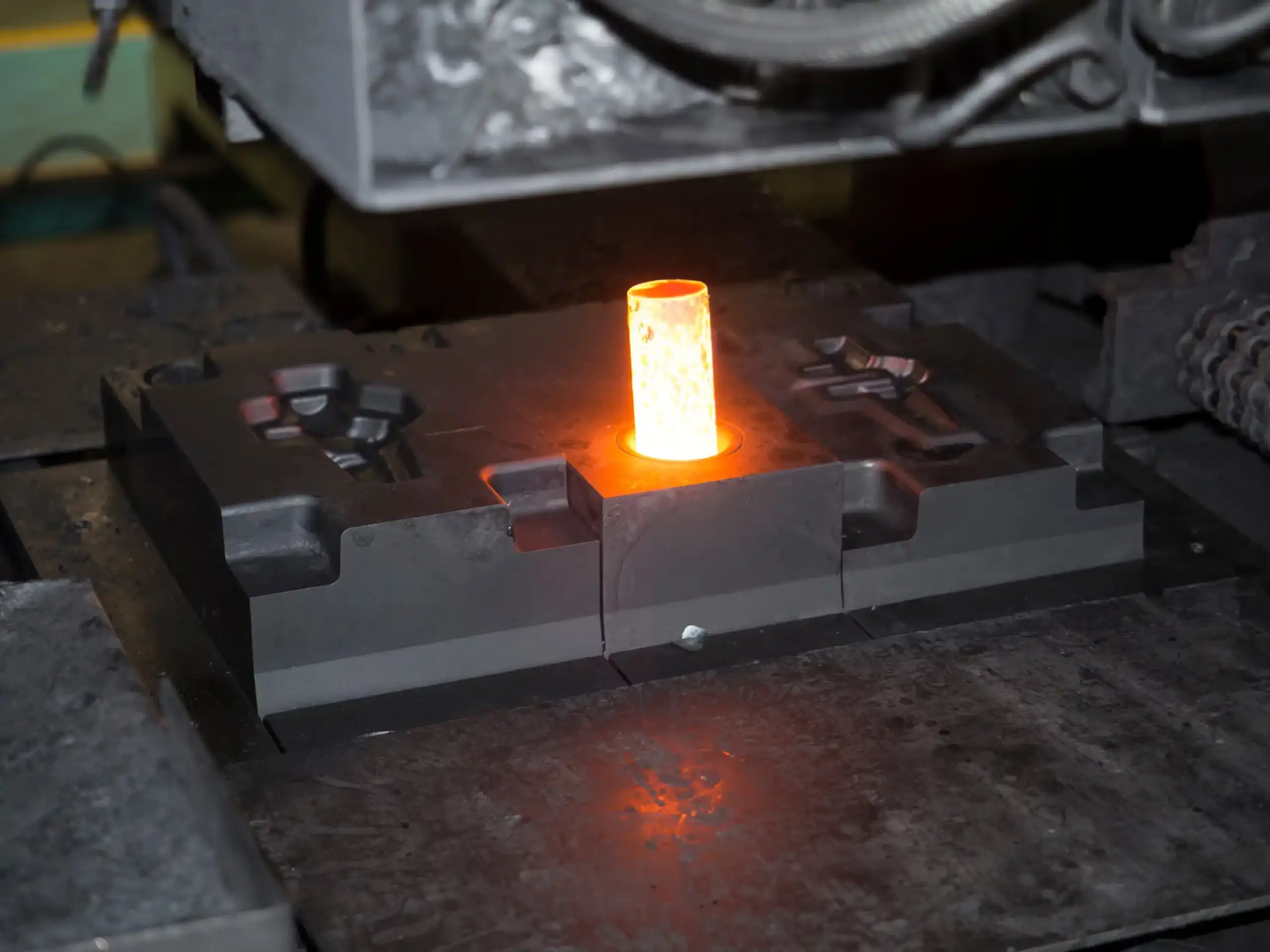
Closed die forging is a complex manufacturing process in which hot metal is carefully shaped inside two precisely cut dies that surround the piece being made. This protected space ensures better accuracy in measurements and gets rid of the material flow problems that often happen with open die operations.
The Step-by-Step Process
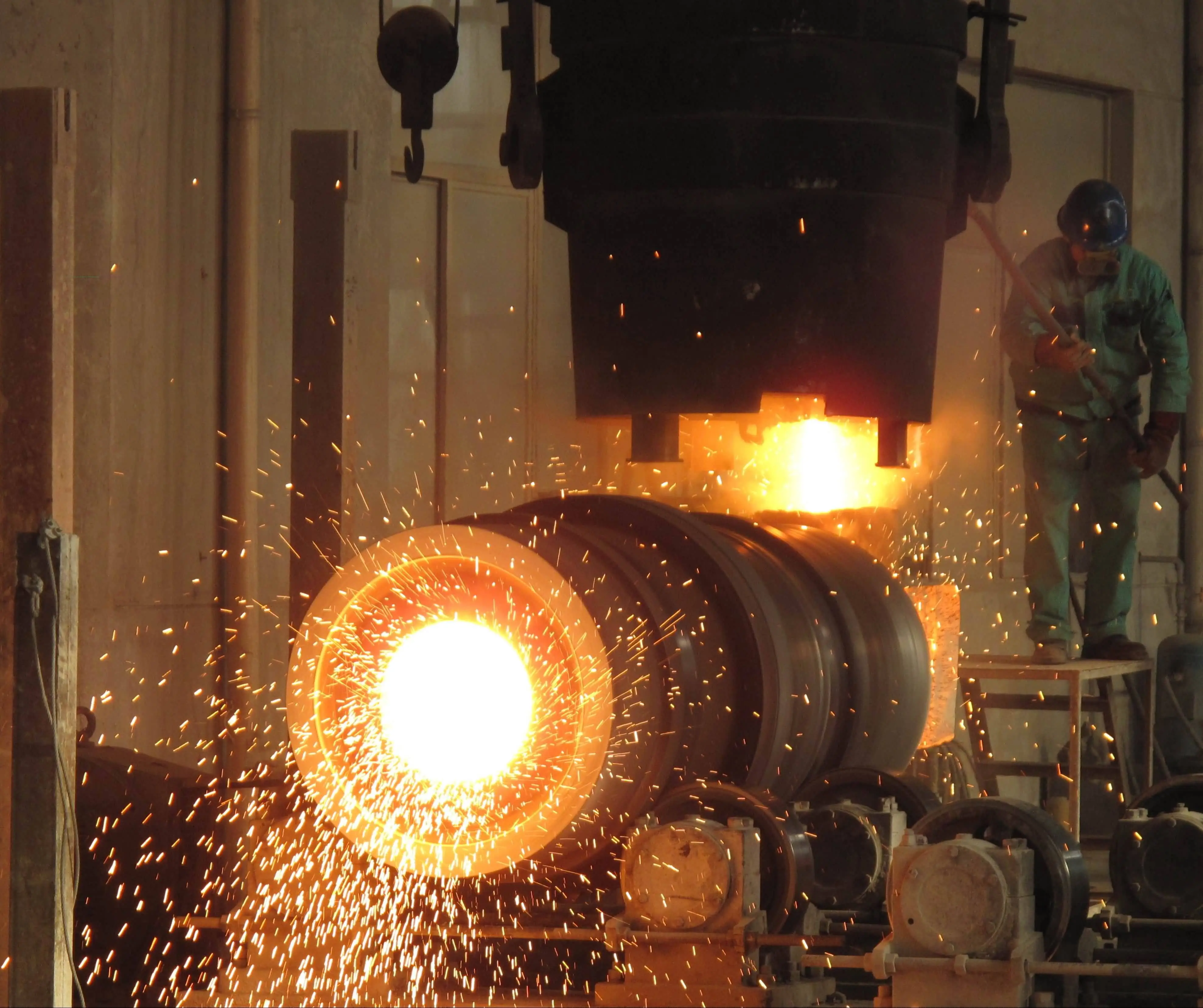
Before starting the closed die forging method, engineers carefully choose the materials they will use. They look at metals' strength, flexibility, and heating properties. Because they are good for shaping, steel, aluminum, and titanium have become popular choices. The chosen material is carefully heated within a carefully controlled temperature range, usually between 900°C and 1250°C for steel parts. During the process, the material stays as malleable as possible.
The important stage is when the die closes, applying huge pressure to the hot metal to shape it into its final shape. The sealed die design stops material flash and makes sure that the wall thickness is the same all the way through the component. The manufacturing cycle ends with finishing operations like cutting and surface treatment, which make the parts ready to be put together in complex systems.
Comparison with Alternative Forging Methods
In open precision forging, the material can flow easily while it is being deformed. But in closed die forging, the metal can only flow within very specific limits. When compared to drop forging methods, which often have trouble staying consistent over long production runs, this controlled setting gives better measurement accuracy. The sealed die design also gets rid of the wasteful waste of material that comes with hammer forging.
Advantages of Closed Die Forging Over Alternative Manufacturing Methods
Compared to casting, machining, pressing, and investment casting, closed die forging is a much better method for making parts, especially when high accuracy is needed. This advanced method of manufacturing gives great value across a number of performance factors that procurement pros care about the most.
Enhanced Dimensional Accuracy and Mechanical Properties
The sealed die setting makes parts with tighter tolerances on dimensions, and it's common to get precision of ±0.1mm without having to do any extra work on the machine. The controlled deformation process improves the grain structure of the whole part, making it stronger and more resistant to wear than cast options. These better mechanical qualities directly lead to longer component life and lower repair costs.
One big benefit is that less material is wasted. For example, 85–90% of the material used in closed die forging is actually used, while only 60–70% is used in standard cutting. This speed makes a big difference in how cost-effective something is generally, especially when making a lot of things.
Scalability and Production Efficiency
With regular cycle times and reliable output quality, closed die forging meets the needs of just-in-time production. The process works well from small prototypes to large-scale production, and it doesn't change the mechanical or physical accuracy. Because it can be scaled up or down easily, it's a good choice for automotive and aerospace uses where volume needs can change a lot over the lifetime of a product.
Another thing that sets closed-die forged parts apart is the quality of their surface finish. These parts often meet the end specs without requiring a lot of post-processing. This feature cuts down on the total time needed for production and gets rid of any quality problems that might come up with extra ending steps.
Applications and Use Cases of Closed Die Forging in High-Precision Components
Closed die forging is very useful in many fields where part reliability and size accuracy are important for operations, because it can be used in many ways and with great accuracy.
Automotive Industry Applications
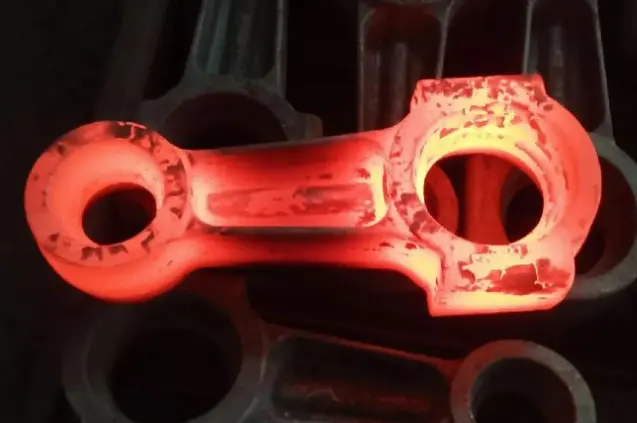
Automotive companies use closed die forging to make important parts of the drivetrain, like crankshafts, connecting rods, and gears. The process gives current car assembly lines the uniform quality and repeatability of dimensions they need. The improved grain structure that comes from controlled compression is especially helpful for engine parts. This leads to better wear protection and longer service intervals.
Another important area where closed precision forging works well is making transmission components. The process makes gears with more accurate tooth profiles and more even hardness distribution, which helps finished products run more smoothly and with less noise.
Aerospace and Heavy Machinery Components
Closed die forging is the only way to get the strength-to-weight ratios that are needed in aerospace uses. The process can achieve very close tolerances while keeping the material qualities needed for flight-critical uses. This is helpful for landing gear parts, structural fittings, and engine mounts.
Closed die forging is a way for companies that make heavy machinery to make strong parts that can survive harsh working conditions. The process can be used to make parts for hydraulic cylinders, gear housings, and structural elements that are more resistant to wear and keep their shape under stress.
How to Choose the Right Closed Die Forging Supplier for Your Procurement Needs?
To choose the right closed die forging provider, you need to carefully look at several factors that will affect both the success of the production and the longevity of the partnership.
Quality Certifications and Manufacturing Capabilities
Getting ISO 9001:2015 certification is the bare minimum for companies that work in industrial production areas. A lot of the time, advanced suppliers have extra certifications, like AS9100 for aircraft uses and TS 16949 for car parts. These certifications show that the company is dedicated to quality management systems and methods for constant growth, which are necessary for making high-precision parts.
An evaluation of a manufacturer's abilities should include their knowledge of die creation, the size of their press, and their heat treatment skills. Suppliers who create and make their own tools can make sure that die configurations are perfect for each application. This cuts down on development time and improves the quality of the parts.
Production Capacity and Lead Time Considerations
Supply chain disruptions can be avoided by knowing how much a company can produce and how long the wait times are likely to be. Custom precision forged parts usually take between 6 and 12 weeks to make, but this depends on how complicated they are and how many are ordered. When demand is high, suppliers who can be flexible with timing and provide "surge capacity" are more valuable.
Being sensitive to communication is a key part of having good relationships with suppliers. Partners who give regular updates on output and take the initiative to solve problems show the dependability that is needed for key component supply chains.
Common Challenges in Closed Die Forging and How to Avoid Them
Even though closed die forging has many benefits, it also has some problems that need to be carefully managed in terms of process factors and quality control methods.
Material and Process-Related Issues
Most of the time, flaws in closed precision forging processes look like gaps, cracks, and changes in size. Most of the time, these problems are caused by choosing the wrong material, not heating it properly, or not designing the die correctly. Implementing complete material tracking systems and standard heating methods greatly lowers the number of defects that happen.
To keep production quality stable, you need to pay close attention to die wear and repair schedules. Regular inspections of the die and preventative maintenance plans make sure that the dimensions are correct during long production runs.
Quality Control Implementation
Strict tolerance standards are met with the help of advanced checking methods like coordinate measuring machines and non-destructive testing. Statistical process control systems give real-time feedback on the quality of the production, so changes can be made right away when parameters move out of acceptable ranges.
Collaborative ties with suppliers make it easier to find and fix problems quickly. When procurement teams and supplier engineering groups talk to each other on a regular basis, feedback loops are created that keep quality and speed getting better.
Conclusion
Closed precision forging is the best way for procurement workers to make high-precision parts that are accurate in size, have good mechanical qualities, and can be made on a large scale without spending a lot of money. The process makes sure that the quality is the same in all uses while also allowing for the flexibility that current supply chain management needs. For implementation to go well, suppliers must be carefully chosen, and relationships must be based on ongoing growth and quality excellence.
FAQ
What temperature ranges are typically used in closed die forging operations?
Forging temperatures change a lot depending on the type of material and the needs of the part. Aluminum metals forge best between 350°C and 500°C, while steel parts usually need to be heated to 1100°C to 1250°C. To keep the nanostructures from breaking down, titanium alloys need to be precisely controlled at temperatures between 900°C and 1000°C.
How does closed die forging improve mechanical properties compared to casting?
In closed die forging, the controlled bending process smooths out the grain structure and gets rid of the holes that are common in cast parts. This improvement makes the tensile strength 20–30% higher and the wear resistance a lot better than with similar cast parts. Forging creates directed grain flow, which also increases the strength of the material in areas of high stress.
What lead times should procurement teams expect for custom precision forged components?
Standard wait times for first orders, which include making the tools and inspecting the first product, are 8 to 12 weeks. Depending on how complicated the order is and how many of them there are, repeat orders usually ship within 4 to 6 weeks. Orders that need to be filled quickly may be possible with extra fees and specialized production schedules.
Partner with Welong for Superior Precision Forging Solutions
Welong offers high-tech closed die forging options backed by more than 20 years of exemplary manufacturing and ISO 9001:2015 certification. With the help of cutting-edge CAD tools and stringent quality control processes, our engineering team specializes in precision forging for automotive, aerospace, and industrial uses. Contact our precision forging supplier team at metal@welongpost.com to get solutions that are made just for you and meet your delivery needs.
References
1. Altan, T. and Tekkaya, A.E., "Sheet Metal Forming: Processes and Applications," ASM International, 2020.
2. Groover, M.P., "Fundamentals of Modern Manufacturing: Materials, Processes, and Systems," John Wiley & Sons, 2019.
3. Lange, K., "Handbook of Metal Forming," McGraw-Hill Professional, 2018.
4. Beddoes, J. and Bibby, M.J., "Principles of Metal Manufacturing Processes," Arnold Publishers, 2021.
5. Davis, J.R., "ASM Specialty Handbook: Tool Materials," ASM International, 2020.
6. Hosford, W.F. and Caddell, R.M., "Metal Forming: Mechanics and Metallurgy," Cambridge University Press, 2019.

Share your inquiry, get the quotation accordingly!
China WELONG- Your Reliable Partner in Metal Solutions