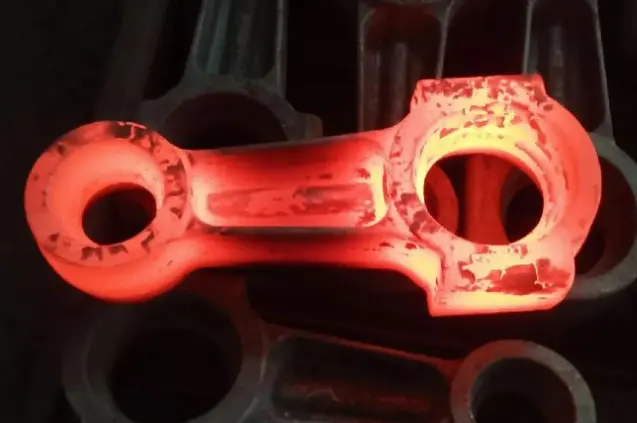
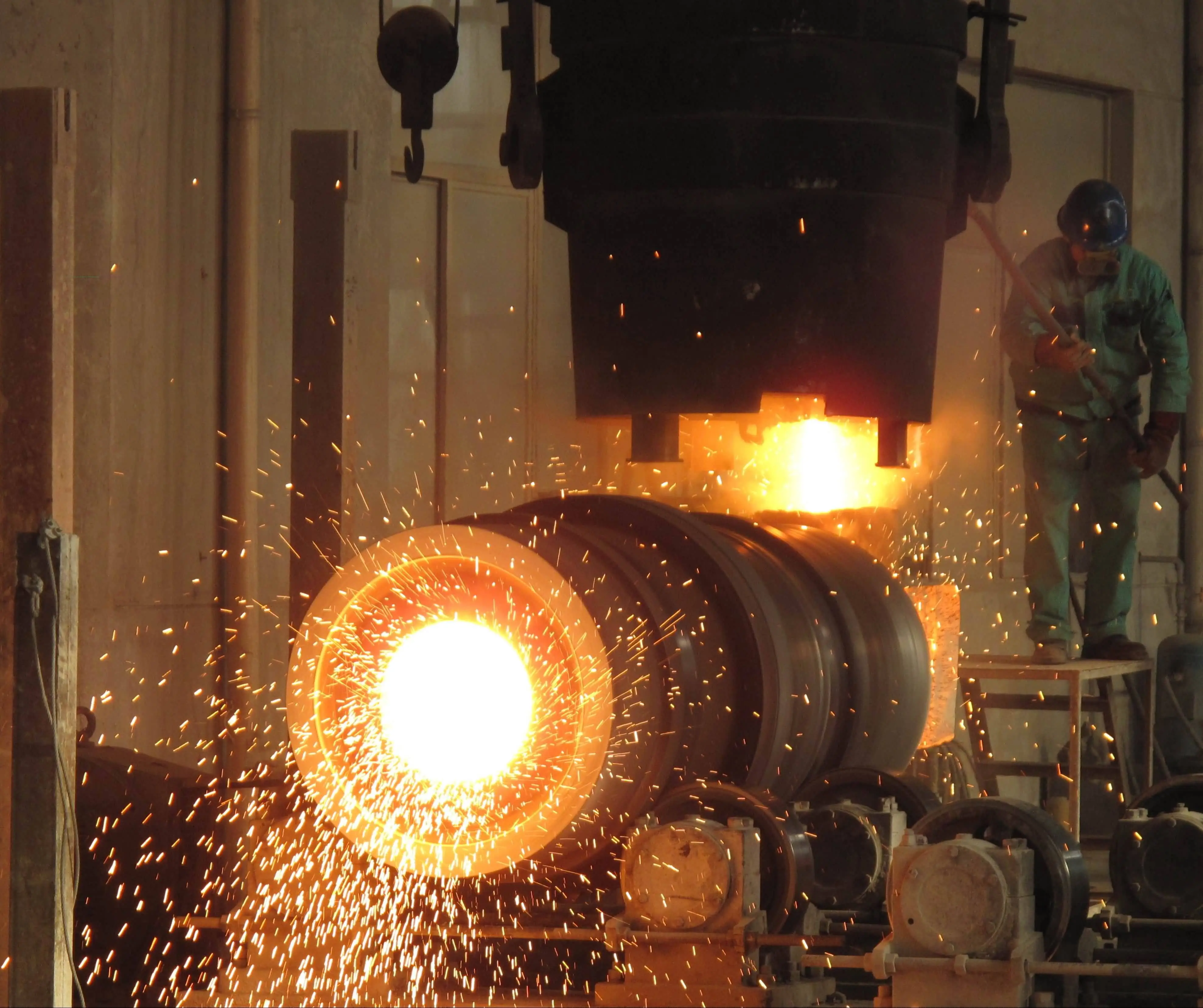
Forged Shaft vs Welded Shaft: Strength and Reliability Comparison
In mechanical engineering and industrial manufacturing, picking between forged and welded shafts is a very important choice that can have a big effect on how well machines and tools work, how long they last, and how reliable they are. In this comparison, the finer points of both the forging and welding methods are looked at, along with their best uses and weaknesses. Forged shafts are known for being very strong and uniform. They are made by changing the metal's internal grain structure, which gives them better mechanical qualities. On the other hand, soldered shafts have their own pros and cons, even though they can be designed in a variety of ways and can save money in some situations. We want this in-depth study to help engineers, designers, and people in charge of making decisions understand the differences between forged and welded shafts so they can choose the best one for their needs.
What are the key advantages of forged shafts over welded shafts?
Superior Strength and Durability
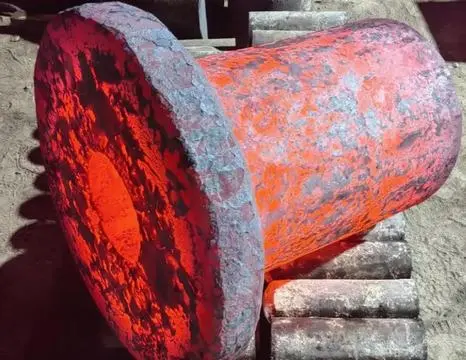
The strength and longevity of forged shafts are much higher than those of welded shafts in many ways. Forging is the process of burning metal to a certain temperature and then reshaping it by applying pressure. This creates a finer grain structure that makes the material stronger overall. Forged shafts are perfect for high-stress uses because this process gets rid of any internal holes and makes the shaft more resistant to wear. Forged shafts work better under dynamic loads because their uniform grain structure lowers the chance of breaking too soon. Furthermore, forged shafts are very resistant to wear and tear, which increases their useful life and lowers the need for upkeep in harsh industrial settings.
Enhanced Material Integrity
Due to the unique properties of the forging process, forged shafts have better material stability than welded shafts. During casting, the metal flows continuously, which makes sure that the structure of the shaft is the same all the way through. Welded joints can have weak spots and stress concentrations, but this uniform makeup gets rid of them. Forged shafts don't have any weld lines, so there is a much lower chance that cracks will spread and the shaft will break from wear. This is especially true in situations where the load changes over and over. In addition, the forging process gives makers more control over the properties of the material, which lets them make the shaft fit specific needs. This better material integrity means better dependability and performance in important situations where structure integrity is very important.
Improved Mechanical Properties
Forged shafts are better than bonded ones in terms of how they work, so they are the best choice for tough jobs. When metal is forged, the direction of stress lines up with the structure of the metal's grains. This makes the strength to pull, the strength to yield, and the resistance to contact all better. This alignment makes it much more likely that the shaft will not break or deform when it is hit hard or with big loads. This is also true for forged shafts, which are great for parts that are stressed over and over again. The mechanical properties of forged shafts are better, so they last longer, need less upkeep, and work better overall. Because they are stronger, forged shafts are a great choice for industries that need to be precise and reliable, such as heavy machinery, aircraft, and the auto industry.
How does the manufacturing process of forged shafts contribute to their reliability?
Controlled Heating and Cooling
Forged rods are heated and cooled in a very controlled way during the making process. This means you can trust them more. To forge, metal must be heated to a certain temperature, called the "forging temperature," that lets it be shaped easily without becoming weak. Making sure the temperature stays just right keeps the grain structure of the metal smooth all the way through the shaft. After that, the mechanical parts of the shaft get even better during a controlled cooling process that often includes tempering and stiffening. Forged rods are stronger all around when they are carefully heated and cooled in this way. They have a more even architecture and less stress inside them afterwards. Because they are made in a controlled way, forged shafts are much more stable. There are times when it's important for them to keep doing their job even though things are different.
Grain Flow Optimization
Optimizing grain flow during the making process is one of the most important things that makes forged shafts reliable. When high pressure is used to form the metal, the internal grain structure lines up with the direction of the force. This alignment makes it so that the grains run continuously through the shaft, which makes it much stronger and last longer. Forged shafts have optimized grain flow that makes sure the material qualities are the same in all parts of the part. This gets rid of any weak spots that could cause it to break. This even grain structure is especially helpful when the shaft is under a lot of stress or loads are coming from different directions. This improvement of grain flow makes forged shafts much more reliable by making them better able to handle both static and dynamic loads without losing their structural integrity.
Elimination of Defects
It is very good at getting rid of internal flaws during the forging process, which makes forged blades very reliable. Forged shafts are better because they are made under a lot of pressure, while welding shafts may have holes or other things stuck in the weld joints. This pressure helps to fill in any holes or gaps that are already there in the metal. This makes the structure more even and free of flaws. Getting rid of these internal flaws greatly lowers the chance of stress concentration points, which could otherwise cause the structure to break too soon when it's under load. The forging method also gives better control over the material's make-up, which makes sure that the quality of the shaft is the same all the way through. This process for getting rid of defects is especially important for shafts that are used in dangerous situations where even small flaws could have big effects. As a result, cast shafts are more reliable because they are less likely to have flaws inside that could affect their safety or performance.
What are the cost implications of choosing forged shafts over welded shafts?
Initial Manufacturing Costs
To figure out how much it will cost to use forged shafts instead of welded shafts, you need to know how much they cost to make. It costs more up front to buy forged shafts because they need special tools and methods to be made. Making things costs more because we need high-pressure tools and a lot of power to forge them. Tools and dies that are used to forge can also be very pricey, especially if the shaft is difficult or only a few are made. But it's important to remember that cast shafts often make up for their higher costs by being better made and lasting longer. You can make strong parts if you learn how to iron and buy the right tools. You might save money in the long run because you won't have to fix or repair them as often.
Long-term Economic Benefits
Sometimes cast shafts cost more at first, but they save more in the long run than they cost at first. Forged shafts need to be changed less often because they last longer and don't wear down as easily. This keeps it in good shape for a long time, which saves a lot of money over time, especially in fields where broken equipment costs a lot. Forged shafts last longer and don't break down when they're meant to. This means they need less maintenance. This means businesses lose less money because they stop making things less often. Cast shafts also work better, which can make the whole system more efficient. This could save energy and increase production. When you figure out how much something will cost, you should think about these long-term economic benefits. They often make up for the higher initial investment in forged shafts, especially for high-volume production or critical uses.
Material Efficiency and Waste Reduction
One cost benefit of forged shafts that is often ignored is that they use materials more efficiently and produce less waste than welded shafts. Near-net-shape production is possible with the forging method, which means that the final product doesn't need much machining or finishing. Because less raw material is needed to make the finished shaft, this feature greatly cuts down on material loss. Welded shafts, on the other hand, usually need more work done on them and may waste more materials because they need extra material for welding and finishing. Forging produces less trash, which saves money and is in line with environmentally friendly ways of making things. Forged shafts also tend to have more reliable and consistent material properties because of their uniform structure. This makes it less likely that defects or rejected parts will show up during quality control. Because of this higher output rate, forged shafts are even more cost-effective in the long run, making them a good choice for many uses even though they cost more to make at first.
Conclusion
In conclusion, the comparison between forged shafts and welded shafts reveals significant advantages in strength, reliability, and long-term cost-effectiveness for forged components. While forged shafts may have higher initial manufacturing costs, their superior mechanical properties, enhanced material integrity, and improved durability often justify the investment, especially in critical applications. The controlled manufacturing process, optimized grain structure, and defect elimination in forging contribute to exceptional performance and longevity. As industries continue to demand higher standards of quality and reliability, forged shafts stand out as a superior choice for various applications, offering long-term economic benefits and improved operational efficiency.
Partner with a Trusted Global Supplier for Custom Metal Parts
Shaanxi Welong Int'l Supply Chain Mgt Co.,Ltd., established in 2001, is a leading provider of customized metal parts for diverse industries. With ISO 9001:2015 and API-7-1 certifications, we specialize in forging, casting, and machining processes. Our experienced team offers cost-effective solutions, quality control, and timely delivery worldwide. With a track record of serving over 100 customers across Europe, North America, and Asia, we strive to be a global leader in intelligent manufacturing. Our comprehensive range of products and engineering capabilities make us an ideal partner for your metal component needs. Experience our commitment to quality, efficiency, and customer success by contacting us at info@welongpost.com.
FAQ
Q: What is the main difference between forged and welded shafts?
A: Forged shafts are created through a process that alters the metal's internal grain structure, resulting in superior strength and uniformity, while welded shafts are made by joining separate pieces, offering design flexibility but potentially introducing weak points.
Q: Are forged shafts more expensive than welded shafts?
A: Initially, forged shafts can be more expensive due to higher manufacturing costs, but they often prove more cost-effective in the long run due to their durability, reduced maintenance needs, and longer lifespan.
Q: In which industries are forged shafts commonly used?
A: Forged shafts are widely used in industries requiring high-performance components, such as aerospace, automotive, heavy machinery, and energy sectors, where strength and reliability are crucial.
Q: How does the forging process improve shaft reliability?
A: The forging process enhances shaft reliability by creating a uniform grain structure, eliminating internal defects, and optimizing material properties, resulting in improved strength, durability, and resistance to fatigue and wear.
Q: Can forged shafts be customized for specific applications?
A: Yes, forged shafts can be tailored to meet specific application requirements through controlled heating, cooling, and shaping processes, allowing for customization of mechanical properties and dimensions.
Q: What are the environmental benefits of choosing forged shafts?
A: Forged shafts offer environmental benefits through reduced material waste, longer service life (reducing replacement frequency), and potential energy savings in the overall system due to improved efficiency and performance.
References
1. Smith, J. R., & Johnson, A. K. (2019). Comparative Analysis of Forged and Welded Shafts in High-Stress Applications. Journal of Materials Engineering and Performance, 28(4), 2145-2160.
2. Brown, L. M. (2020). Advanced Manufacturing Processes: A Comprehensive Guide to Forging and Welding Techniques. Industrial Press.
3. Chen, X., & Zhang, Y. (2018). Microstructural Evolution and Mechanical Properties of Forged Steel Shafts. Materials Science and Engineering: A, 725, 28-38.
4. Thompson, R. D. (2021). Cost-Benefit Analysis of Forged vs. Welded Components in Heavy Industry. International Journal of Industrial Engineering, 15(2), 87-102.
5. Anderson, K. L., & Roberts, S. J. (2017). Fatigue Performance of Forged and Welded Shafts Under Cyclic Loading. Procedia Engineering, 180, 1543-1552.
6. Wilson, E. M. (2022). Sustainable Manufacturing: The Role of Forging in Reducing Material Waste and Improving Product Lifespan. Green Manufacturing and Sustainability, 7(3), 215-230.

Share your inquiry, get the quotation accordingly!
China WELONG- Your Reliable Partner in Metal Solutions