Choosing Wear Parts for Heavy Equipment: Cast Replacement Tips
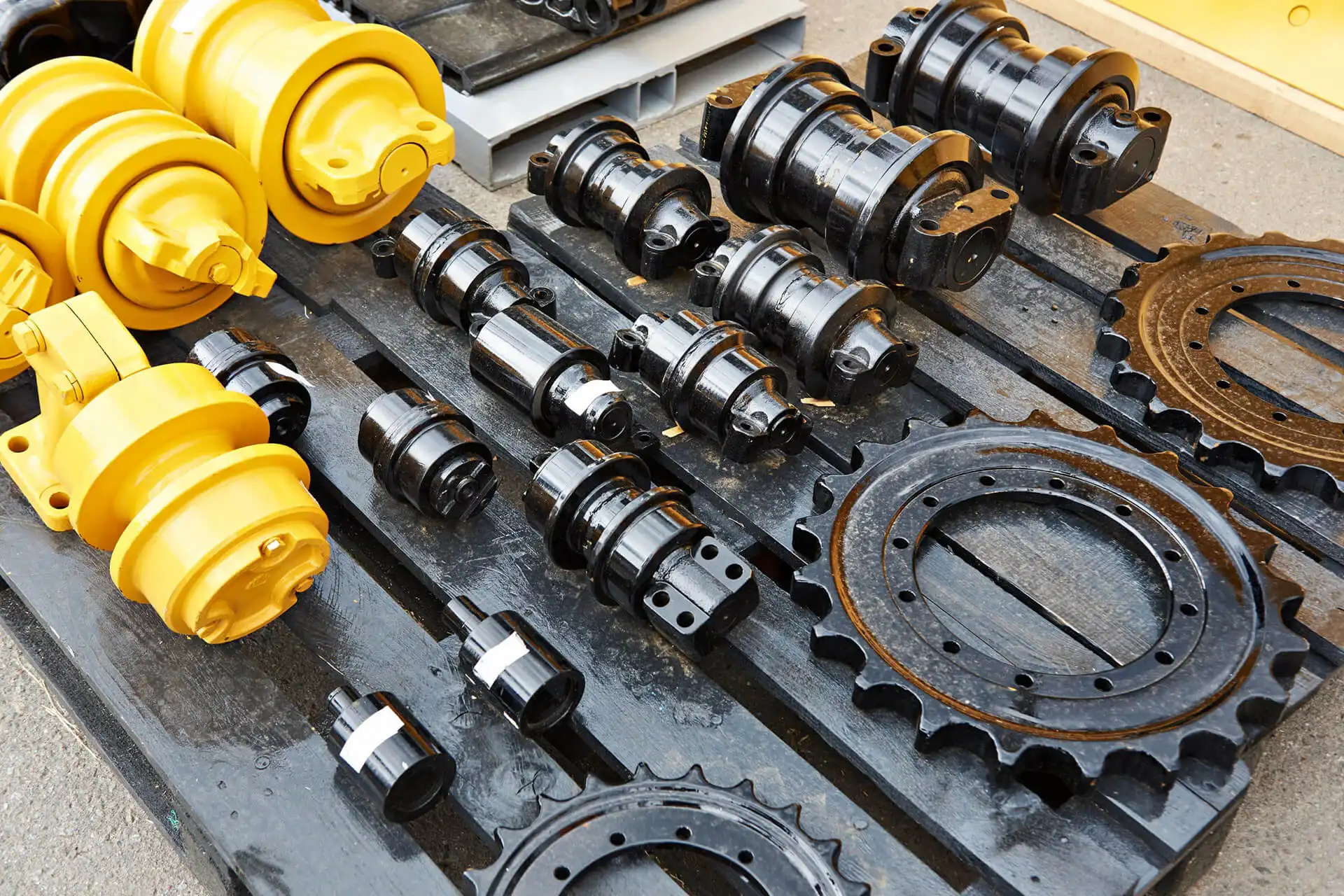
Choosing the right spare parts for heavy equipment can have a big effect on your bottom line and the speed of your operations. Wear parts casting is an advanced way to make things that provide long-lasting, low-cost answers for tough industry uses. Precision casting is used to make specialized metal parts for this process. High-grade alloys and carbides are used because they are made to resist extreme wear conditions. Procurement managers can make smart choices with wear parts casting that cut down on downtime, extend the life of equipment, and lower upkeep costs across their heavy machinery fleets when they understand the details of cast replacement parts.
Understanding Wear Parts Casting for Heavy Equipment
To maintain big machinery well, you need to know how casting technology works to solve the problems that come up with industrial wear parts. Modern casting methods have changed over time to meet the strict needs of many fields, from mining and building to oil drilling and aircraft.
Materials and Alloy Selection
Specialized metals are used to make high-performance cast wear parts that can handle harsh working conditions. Manganese steel parts are better at resisting contact and stiffening over time, while chrome carbide overlays are very good at resisting wear. Martensitic white irons are very good at resisting wear in grinding and breaking tasks, and high-chromium irons work really well in places where rust and wear resistance are needed. The right materials need to be chosen based on the working conditions, such as the amount of impact, the abrasiveness of the surroundings, and the temperature extremes. When procurement teams know about these material qualities, they can choose parts that will work best and last the longest in their specific uses.
Casting Process Advantages
The investment casting and sand casting methods are both good for making wear parts in different ways. Investment casting gives you very accurate measurements and a smooth surface, so you don't have to do as much cutting and can make shapes with a lot of angles. For high-volume production runs, sand casting is a cheaper way to make parts that are bigger. These methods let companies add performance-enhancing design elements, like planned areas for strengthening, better weight distribution, and built-in fixing solutions. The ability to cast complicated internal geometries gives designers more options than they would have with standard methods of machining or manufacturing.
Industry Applications and Performance Benefits
Mining equipment gains a lot from cast wear solutions. For example, crusher liners, conveyor parts, and digger bucket teeth last longer than those that are made from metal. Applications in construction tools include dozer blades, grader cutting edges, and loader bucket parts that have work-hardening traits that keep the cutting edges sharp. Cast parts are used in digging tools, picking equipment, and material handling systems in agriculture, where reliable performance in a range of soil conditions is still important. When you use quality cast parts, you can plan your upkeep and inventory better because you can predict how they will wear and when they need to be replaced.
Comparing Wear Parts Casting with Alternative Solutions
When choosing the best way to make something, you need to carefully look at how it works, how much it costs, and what your practical needs are. Depending on the purpose and number of needs, each production method has its own benefits.
Durability and Performance Analysis
Because the materials are all the same and the metallurgy has been tuned, wear partscast work better in high-abrasion settings. Casting doesn't have heat-affected zones or material flaws that can make a part less strong when it's under stress, like welded overlays or manufactured solutions do. Forged parts are very strong, but they may need a lot of machining to get to their finished size, which can add to the cost and wait time. Parts that are machined from bar stock are accurate, but they don't always have the right metals for uses that need to prevent wear.
Cost-Effectiveness Considerations
Volume production costs favor casting for parts that need to be made in larger numbers than a sample. Investing in casting tools is more cost-effective when spread out over multiple production runs, especially for standard wear parts that are used on a variety of equipment. A full cost analysis must look at not only the starting prices of parts, but also their service life, how often they need to be maintained, and how to get new ones. Cast components often have a lower total cost of ownership because they don't need to be serviced as often and can be replaced at set times.
Lead Time and Customization Factors
Standard cast parts usually have faster wait times than custom fabrications because they are made from designs and metals that have already been used. Custom casting solutions need pattern creation and mechanical optimization, but they give designers more freedom than any other method for specific uses. For now, additive manufacturing technologies don't have the right material properties or cost structure for high-volume wear uses, but they are good for making unique parts in small quantities and making prototypes quickly. For special uses that need complicated geometries or quick development cycles, these new technologies can be used along with standard casting.
How to Choose the Right Wear Parts Casting Supplier
One of the most important choices in setting up an effective wear parts supply chain is choosing a supplier. Because casting and metallurgy are so complicated, you need people who have shown they can do the job and have quality methods in place.
Technical Capability Assessment
Before you can judge a possible source, you need to know how knowledgeable they are about metals and how they can do the work. Quality providers have metallurgical labs, pattern shops, and quality control systems that they run in-house to make sure that the features of each part are always the same. They should show that they know about different casting metals and how to use them in heavy machine service. Modern casting machinery, heat treatment capabilities, and thorough quality control systems should all be found in manufacturing sites. ISO 9001:2015 certification is a basic guarantee that a quality system is being used, while certificates specific to a field show that the person has specialized knowledge.
Production Transparency and Communication
Each shipment from a reliable source comes with thorough process paperwork, material certificates, and dimensional inspection reports. They keep lines of communication open about production plans, possible delays, and quality problems that might come up while the products are being made. A supplier's willingness to make design changes and provide technical help during the creation of a component shows that they are committed to partnership-based relationships rather than transaction-based ones. This collaborative method is very helpful when trying to make ideas work better or cost less.
Supply Chain Management and Logistics
Transportation operations, customs clearance, and help with inventory management are all things that need to be thought about in a global supply chain. International providers with a lot of experience know what paperwork is needed, how to ship goods, and how to talk to customers in a way that makes sure orders are filled smoothly. To work with customers' inventory management systems, suppliers should be flexible with how they package, name, and schedule deliveries. Being able to provide detailed shipment tracking and arrival proof helps with making purchases and keeping track of inventory.
Practical Tips for Optimizing Wear Parts Casting Procurement
Using strategic purchasing methods can make wear parts cast much more valuable while also lowering their total ownership costs and operating risks.
Alignment with Equipment Conditions
To buy wear parts successfully, you must first accurately evaluate the working conditions and wear trends. Different uses for the same piece of tools may need different designs and material qualities. By knowing these standards, you can specify parts that work best in certain service situations. Analysis of wear patterns on a regular basis can help find ways to improve designs or materials that will make things last longer. Recording how well a component works gives useful feedback for working with suppliers and making future buying decisions.
Volume Planning and Inventory Optimization
Strategic volume planning lets you get better prices and make sure you have enough goods on hand. Looking at past trends of usage and equipment schedules can help you figure out the best order numbers and timing. Here are the main things you need to do to handle your goods well:
Seasonal demand forecasting: Plan orders based on when equipment is used and when it needs to be serviced to avoid rush orders and the extra costs that come with them.
- Advantages of buying in bulk: get big savings while balancing the costs of keeping inventory and the space needed for storage
- Manage lead times: Set restock points based on source lead times and safety stock to keep operations running smoothly.
- Chances for standardization: find parts that are used by different types of tools so that orders can be consolidated and inventory is easier to manage.
- These methods for optimizing supplies help keep operations running smoothly while improving the efficiency and cost-effectiveness of purchasing.
Quality Assurance and Performance Monitoring
Systematic quality testing processes find problems with suppliers before they affect operations and make sure that parts always work the way they're supposed to. This includes processes for receiving inspections, monitoring of installations, and keeping track of service life. Collecting performance data makes it possible to keep choosing the best parts and working with the best suppliers. Sharing this knowledge with producers helps them work together to improve the design of parts and the manufacturing process.
Case Studies and Success Stories
Real-world examples show the real benefits that can be gained by strategically implementing cast wear solutions. These examples show how choosing the right parts and working with the right suppliers can make operations more efficient and help keep costs down.
Mining Equipment Optimization
Costs were going up, and there was a lot of downtime at a big copper mine because crusher liner parts were wearing out too quickly. With traditional manufactured liners, they had to be replaced every six weeks, which caused a lot of lost production and high maintenance costs. Using high-chromium cast iron frames that were specially made for the ore increased the service life to twelve weeks and cut down on installation time by making the mounting systems better. The higher resistance to wear and the ability to predict when to replace parts made maintenance planning easier and cut total operating costs by 30%.
Construction Fleet Performance Enhancement
When a big building company worked in very rough dirt, the bucket teeth and cutting edges of their excavators were worn out very quickly. Standard cast parts had to be replaced often, and as wear went on, they made digging less efficient. Custom-cast parts made of work-hardening manganese steel kept their sharp cutting edges for twice as long as other parts that needed to be replaced. The better cutting efficiency cut down on fuel use and cycle times, which saved the company more money than the cost fees for the parts.
Agricultural Equipment Durability Improvements
In rocky soil, a farming business that used high-capacity tillage tools had a hard time replacing blades, wear parts, casting, and points all the time during planting seasons. Standard parts often failed horribly, causing costly downtime during tasks that had to be done quickly. Using cast carbide-enhanced parts made them more resistant to impact and extended their wear life, which stopped problems during the season. Because of the higher dependability, planting activities could be finished within the best timing windows, which directly affected food yields and profits.
Conclusion
Choosing the right cast wear parts strategically is a key part of getting the most out of big tools in terms of performance and cost. When procurement managers know about the benefits of metals, how they can be made, and how to evaluate suppliers, they can make choices that improve the reliability of tools and lower the total cost of ownership. Casting technologies are always getting better, which means that more unique solutions are possible that solve specific operating problems while still being cost-effective. To successfully buy wear parts, you need to find a balance between technical needs and business concerns. This can be done with the help of strong seller partnerships and regular performance tracking.
FAQ
1. What factors determine the durability of cast wear parts?
The main thing that determines how long a part will last is the material that is used to make it. The alloy makeup should be perfect for the type of wear that is happening, like abrasion, contact, or corrosion. The quality of the casting, which includes the mechanical structure and the lack of flaws, has a direct effect on how well the part holds up under load. The best qualities of a material are achieved through the right heat treatment, and the form of a component affects how stress is distributed and how it wears.
2. How does casting compare to forging for wear applications?
Casting is a better way to optimize materials for wear resistance because it uses special alloys that aren't easily available in cast forms. The process makes it possible to make complicated shapes and features that are combined, which makes assembly easier. When it comes to strength, forging is great, but it may need a lot of cutting and isn't as flexible as casting when it comes to wear uses.
3. What lead times should be expected for custom cast components?
Standard parts usually take four to eight weeks, but this depends on how complicated they are and how much time the seller has available. For custom parts that need new designs and metallurgy development, the first production run could take twelve to sixteen weeks. These dates can change a lot depending on the amount of work that needs to be done, the time of year, and the supplier's schedule.
4. How can procurement managers verify supplier quality capabilities?
Certifications for quality systems, like ISO 9001:2015, give you a basic guarantee of how well you control and record the process. Metallurgical skills, quality control tools, and process paperwork should all be looked at during facility audits. Looking at material certifications, dimensional inspection records, and customer references can help you understand how to consistently perform.
Partner with Welong for Superior Wear Parts Casting Solutions
With more than wear parts casting twenty years of experience in managing foreign supply chains, Welong is the company you can trust to provide you with wear parts castings for tough heavy equipment uses. Our ISO 9001:2015-certified processes guarantee consistent quality, and our engineering team uses advanced CAD systems like SolidWorks and Pro-Engineering to help with design optimization. We make parts based on your sketches or samples, and our reliable supply chain management lowers the risks of buying and makes sure that you get your order on time. Email our team at info@welongpost.com to talk about how our unique metal component solutions can help your tools work better and save you time.
References
1. Smith, R.J. Industrial Casting Technology Quarterly, Volume 45, Issue 3, 2023. "Advanced Metallurgy in Heavy Equipment Wear Components." 2023.
2. Thompson, Mark K. An article from 2023 in the International Journal of Industrial Supply Management is called "Supply Chain Optimization for Industrial Wear Parts: A Procurement Manager's Guide."
3. Davis, L.A. Proceedings of the Materials Engineering Review, Vol. 78, No. 2, 2023, "Comparative Analysis of Manufacturing Processes for High-Wear Industrial Components."
4. Wilson and P.R. From the Global Procurement Standards Handbook, Fourth Edition, 2023, comes "Quality Assurance Strategies in International Metal Component Sourcing."
5. Calderón, C.D. Industrial Economics Review, Vol. 31, No. 4, 2023, "Cost-Benefit Analysis of Cast Versus Fabricated Wear Solutions in Heavy Industry."
6. Jones, K.L. Journal of Mining Technology International, Vol. 52, No. 1, 2023, "Metallurgical Advances in Abrasion-Resistant Casting Alloys for Mining Applications."

Share your inquiry, get the quotation accordingly!
China WELONG- Your Reliable Partner in Metal Solutions