Aluminum Casting Inspection Standards: A Quality Control Guide
Quality control is the most important aluminum castings part of making aluminium castings. Tough checking standards are what separate great parts from ones that fail and cost a lot of money. Comprehensive inspection procedures check for things like correct measurements, material integrity, surface quality, and mechanical properties. Modern inspection of aluminium castings is based on globally recognised standards like ISO 9001:2015, ASTM specifications, and industry-specific requirements. These make sure that parts can be used in demanding situations in the aerospace, automotive, and medical device manufacturing sectors.
Understanding Critical Inspection Parameters for Metal Casting
Accuracy in measurements is the basis for judging the quality of an aluminium casting. Precision measuring tools, such as coordinate measuring machines (CMMs), laser scanners, and optical comparators, make sure that cast parts are the same size and shape as the engineering plans, within certain limits. Statistical process control (SPC) methods are used in advanced foundries to keep an eye on physical stability during production runs. Visual inspection, measuring surface roughness, and finding flaws are all parts of surface quality inspection. Inspectors who have been trained can find common casting flaws like porosity, inclusions, cold shuts, and surface imperfections that make parts less useful. Digital imaging systems and automated inspection tools make it easier to find things and make mistakes less likely for people. Spectroscopic analysis is used in material verification protocols to prove the composition of aluminium alloys. X-ray fluorescence (XRF) and optical emission spectroscopy (OES) check the chemical composition to make sure it meets the criteria. Through hardness testing, tensile strength testing, and microstructural analysis, heat treatment verification makes sure that the mechanical qualities are correct.
Advanced Non-Destructive Testing Methods
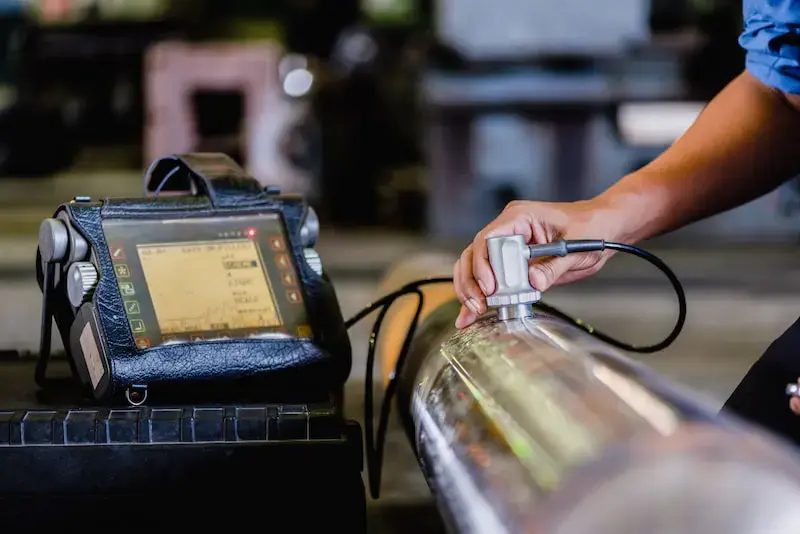
The non-destructive testing (NDT) method finds flaws inside a component without damaging it. Using X-rays or gamma radiation for radiographic analysis can find internal porosity, inclusions, aluminum castings, and structural breaks. When compared to older film-based methods, digital radiography systems give faster results and better picture quality. High-frequency sound waves are used in ultrasonic tests to find problems inside and measure the thickness of the walls. Advanced phased-array ultrasound systems make detailed pictures of inside structures, which lets you accurately describe defects. Using fluorescent or visible dye penetrants that show crack patterns and surface discontinuities, penetrant testing finds flaws in the surface that break through it. Magnetic particle screening works well for ferromagnetic materials, but eddy current testing works better for aluminium parts. Eddy current probes find flaws on the surface or close to the surface by measuring changes in conductivity that show problems with the material or the structure.
ISO 9001:2015 Compliance in Casting Operations
ISO 9001:2015 quality management systems set up complete ways to check the standard of castings. Process specifications, inspection methods, calibration records, and corrective action protocols are some of the things that need to be documented. Regular internal audits check that set procedures are being followed and look for ways to make things better. Quality planning tasks, finding possible failure modes, and putting in place preventative measures are all guided by risk-based thinking principles. Processes for evaluating suppliers make sure that the quality of the raw materials meets the criteria. Customer feedback and performance data are used in continuous improvement projects to improve the quality of casting and the speed of operations. Training programs make sure that employees know how to do inspections, measure things, and meet the standards of the quality system. Calibration programs keep measurements accurate by checking equipment against traceable standards frequently.
Precision Casting Quality Verification Procedures
Investment casting processes demand exceptional quality control due to complex geometries and tight tolerances. Wax pattern inspection verifies dimensional accuracy before shell building operations. Shell thickness measurement ensures adequate strength for metal pouring operations while preventing breakthrough defects. Metal pouring temperature monitoring prevents casting defects related to improper thermal conditions. Thermocouples and pyrometric devices track melt temperature throughout pouring operations. Cooling rate control influences microstructure development and mechanical properties. Sand casting quality control addresses mold integrity, sand composition, and pattern accuracy. Sand testing equipment measures moisture content, clay content, permeability, aluminum castings, and compressive strength. Proper sand conditioning prevents casting defects, including veining, penetration, and surface roughness. Die casting inspection protocols focus on dimensional stability, surface finish, and internal soundness. High-pressure die casting produces an excellent surface finish but requires careful process control to minimize porosity. Vacuum-assisted die casting reduces gas entrapment and improves internal quality.
Automotive and Aerospace Component Standards
Automotive applications demand lightweight materials with exceptional strength-to-weight ratios. Aluminum alloys provide corrosion resistance and excellent machinability for engine components, transmission housings, and structural elements. Fatigue testing validates component durability under cyclic loading conditions. Aerospace components require stringent material traceability and documentation. Certificate of compliance documents verify material origin, processing parameters, and inspection results. Special processes, including fluorescent penetrant inspection and radiographic examination, follow aerospace-specific procedures. Heat treatment protocols optimize mechanical properties through controlled heating and cooling cycles. Solution heat treatment, aging, and stress relief operations require precise temperature control and atmosphere management. Hardness testing and tensile testing verify successful heat treatment outcomes. Surface finishing operations, including anodizing, powder coating, and chemical treatments, enhance corrosion resistance and aesthetic appearance. Surface preparation through shot blasting or chemical etching ensures proper coating adhesion and uniform coverage.
CNC Machining Integration and Final Inspection
Post-casting machining processes need to be carefully aluminum castings planned out to keep the integrity of the casting and get the final dimensions. With the right tools, CNC machining centers can make exact features like threads, bearing surfaces, and sealing surfaces. Inspection methods for machining check the accuracy of dimensions, the roughness of the surface, and geometric tolerances. Coordinate measuring tools give you a full picture of dimensions, and surface profilometers measure parameters related to surface texture. Thread gauges and functional tests are used to make sure that parts work as they should. Visual inspection, dimensional proof, and functional testing are all parts of the final inspection process. Assembly trials make sure that parts fit and work properly in bigger systems. Packaging and shipping methods keep finished parts safe while they're being shipped and keep trackability records. Putting together quality records makes sure that all inspection results, test data, and compliance checks are fully documented. Digital quality management systems make it easier to collect and report data and let you look at quality trends statistically.
Conclusion
Effective aluminum casting inspection standards encompass comprehensive quality control measures from initial material verification through final component delivery. Success requires combining appropriate inspection techniques, qualified personnel, and systematic quality management approaches. Modern foundry operations leverage advanced technology, including automated inspection systems, statistical process control, and digital documentation to achieve exceptional quality outcomes. Partnering with experienced suppliers who demonstrate proven quality capabilities ensures reliable component supply while minimizing procurement risks.
Partner with Welong for Superior Aluminum Casting Quality
Welong delivers exceptional aluminum castings through rigorous quality control standards and comprehensive inspection protocols. Our ISO 9001:2015 certified facility combines advanced inspection equipment with experienced quality professionals to ensure consistent component quality. Contact our engineering team at metal@welongpost.com to discuss your aluminum casting requirements and experience our commitment to quality excellence.
References
1. Campbell, J. "Complete Casting Handbook: Metal Casting Processes, Metallurgy, Techniques and Design." Second Edition, Butterworth-Heinemann, 2015.
2. Dispinar, D. and Campbell, J. "Critical Assessment of Reduced Pressure Test. Part 1: Porosity Phenomena." International Journal of Cast Metals Research, Volume 17, Issue 5, 2004.
3. American Society for Testing and Materials. "ASTM B26/B26M-18: Standard Specification for Aluminum-Alloy Sand Castings." ASTM International, 2018.
4. International Organization for Standardization. "ISO 10049:2019: Aluminum and aluminum alloys - Chemical composition and form of wrought products." ISO Publications, 2019.
5. Bonollo, F., Urban, J., Bonatto, B., and Botter, M. "Gravity and Low Pressure Die Casting of Aluminium Alloys: A Technical and Economical Benchmark." La Metallurgia Italiana, Volume 97, Issue 9, 2005.
6. Michels, H.T. "Quality Control in Foundries: Statistical Methods for Process Control and Improvement." American Foundry Society, 2017.

Share your inquiry, get the quotation accordingly!
China WELONG- Your Reliable Partner in Metal Solutions