Cast Iron vs Forged Steel: Impact on Mechanical Properties
It is important to know the changes in mechanical properties between cast iron and forged steel when choosing materials for important tasks. Forged steel always has better tensile strength, ductility, and resistance to pressure than cast iron. The forging method makes the grain structure more uniform, which improves the material's performance in tough industrial settings. Cast iron works well in some situations, but forged steel parts are more reliable in high-stress settings where safety and stability are the most important things.
Understanding Material Fundamentals
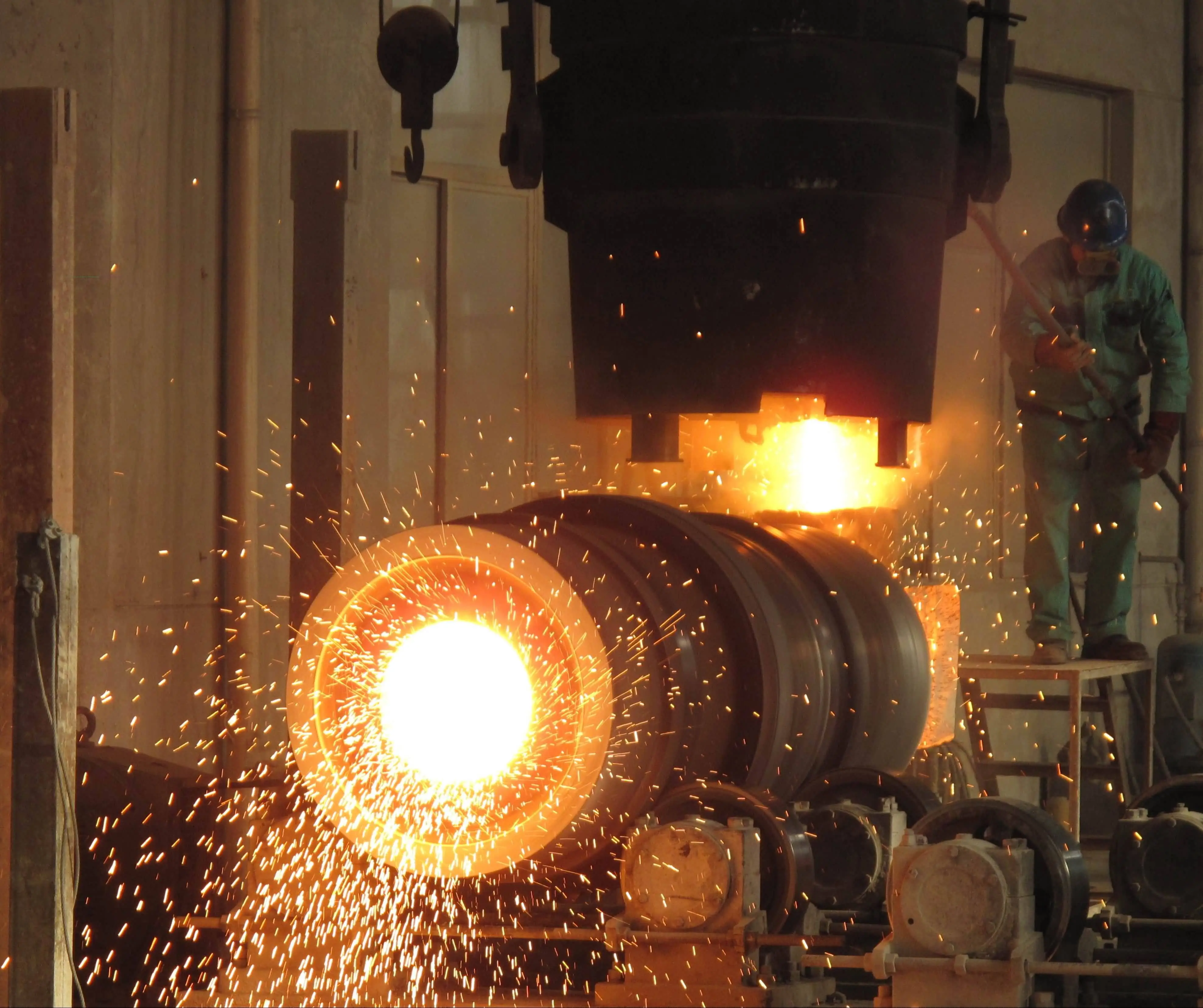
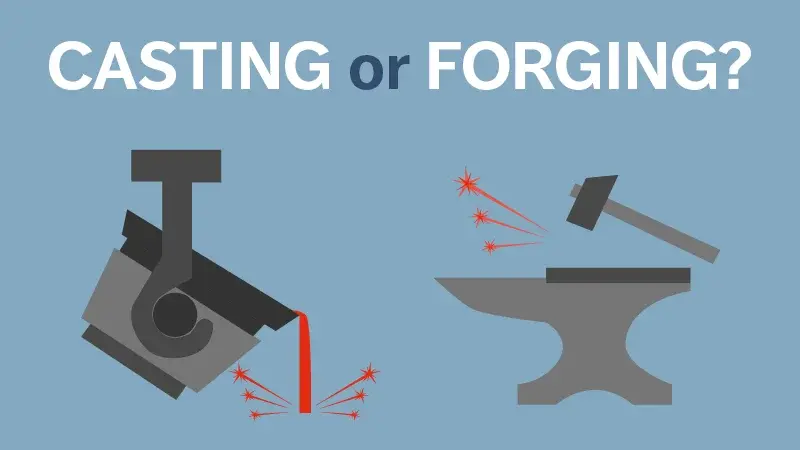
Both cast iron and forged steel are made using two different methods of metalworking that produce very different properties. Cast iron has a carbon content of 2 to 4 percent, which makes it weak but easy to shape. Pouring molten metal into predetermined shapes is what casting does. This makes it a cost-effective way to make things with complicated forms. At high temperatures, forged steel deforms mechanically, which makes the grain structure more aligned. This way of making things gets rid of internal gaps and gives them directional strength qualities. The carbon percentage is usually between 0.3 and 1.5%, which is the best range for strength and workability. The choice of material relies on the needs of the application. Cast iron is good if you need to make complicated forms that don't need to be very strong. But forged steel parts work better than any other material when high reliability and stress resistance are needed.
Mechanical Property Analysis
Tensile Strength Comparison
Laboratory testing reveals significant differences in tensile properties between these materials:
Cast Iron Performance:
- Gray cast iron: 150-300 MPa tensile strength
- Ductile iron: 400-700 MPa tensile strength
- Limited elongation (typically under 3%)
Forged Steel Performance:
- Carbon steel forgings: 400-1200 MPa tensile strength
- Alloy steel forgings: 800-1800 MPa tensile strength
- Elongation ranges from 12-25%
The forging process creates continuous grain flow, eliminating weak points that plague cast materials. This results in predictable failure modes and enhanced safety margins.
Impact Resistance Properties
Charpy impact tests demonstrate dramatic performance differences:
- Cast iron impact values: 2-15 joules at room temperature
- Forged steel impact values: 20-200 joules at room temperature
- Temperature sensitivity: Cast iron becomes extremely brittle below freezing
If you need components operating in dynamic loading conditions, then forged steel parts provide essential impact resistance. Industries like aerospace and automotive rely on this superior toughness for safety-critical applications.
Fatigue and Durability Characteristics
Fatigue testing shows where the choice of material is most important for long-term dependability. Because cast iron is naturally porous, it has stress collection points that cause cracks to start spreading. Grey iron has flaws that are already there, which are shown by the graphite flakes.
Forged steel components demonstrate superior fatigue life due to:
- Grain structure that has been improved by mechanical works
- Lack of personal problems
- Good patterns of leftover stress
- Better surface integrity
Heat-treated cast steel is very durable because it controls the growth of its microstructure. After the forging process, heat treatment operations give precise control over the mechanical qualities. Forged steel parts can handle 10 to 50 times more wear cycles than cast iron parts of the same size and shape. Forged steel shafts and parts are the best way to make sure that spinning machinery works well for a long time.
Temperature Performance and Environmental Resistance
Operating temperature significantly affects material performance characteristics. Cast iron maintains dimensional stability at elevated temperatures but suffers from thermal shock sensitivity. The carbon-rich microstructure provides good wear resistance in specific applications.
Forged steel components excel across wider temperature ranges:
Low Temperature Performance:
- Maintains ductility down to -40°C
- Predictable mechanical properties
- Reduced brittle failure risk
High Temperature Performance:
- Creep resistance up to 500°C
- Oxidation resistance with proper alloying
- Maintained strength properties
If you need components operating in extreme environments, then forged steel alloys provide superior environmental resistance. Oil drilling applications particularly benefit from this temperature stability.
Manufacturing Considerations and Quality Control
The production processes fundamentally differ in quality control and forged steel capabilities. Casting involves inherent variables, including:
- Solidification shrinkage
- Gas porosity formation
- Segregation issues
- Dimensional variations
Forged steel manufacturing offers superior process control through:
- Controlled deformation: Precise grain refinement
- Defect elimination: Void closure during forming
- Property optimization: Directional strength development
- Quality assurance: Non-destructive testing capabilities
Modern forging techniques enable near-net-shape production with minimal machining requirements. Computer-controlled processes ensure consistent mechanical properties across production batches.
Application-Specific Recommendations
Automotive Industry Applications
Modern automotive demands require materials balancing weight, strength, and cost. Forged steel components dominate safety-critical applications, including:
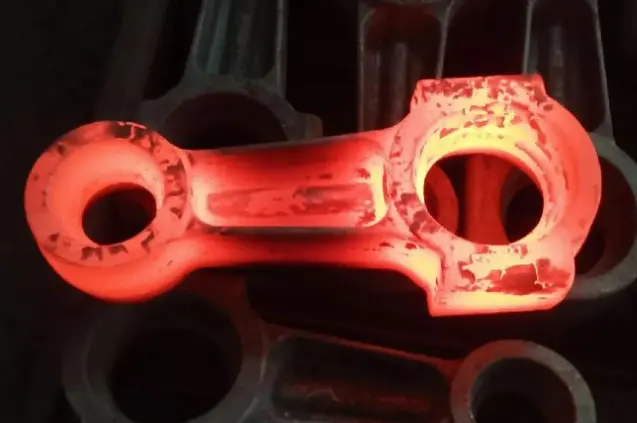
- Connecting rods and crankshafts
- Steering components
- Suspension elements
- Transmission parts
Cast iron remains valuable for engine blocks and brake components where thermal mass and wear resistance matter more than ultimate strength.
Aerospace and Defense Applications
Aerospace applications mandate materials with proven reliability and traceability. Forged steel parts undergo rigorous testing protocols, ensuring flight safety. The material's predictable properties and damage tolerance make it indispensable for:
- Landing gear components
- Engine mounts
- Structural fittings
- Control system elements
Oil and Gas Industry Requirements
Harsh operating environments in oil drilling demand forged steel materials withstanding extreme pressures, temperatures, and corrosive conditions. Forged steel valves, fittings, and pressure vessels provide the reliability essential for safe operations. If you need components for subsea applications, then forged steel alloys offer corrosion resistance and mechanical properties that cast alternatives cannot match.
Cost-Benefit Analysis Framework
While cast iron typically requires lower initial investment, the total cost of ownership often favors forged steel solutions. Consider these economic factors:
Initial Investment Comparison:
- Cast iron: Lower tooling costs, higher production volumes
- Forged steel: Higher setup costs, premium material pricing
Lifecycle Value Assessment:
- Maintenance frequency and replacement intervals
- Safety and reliability considerations
- Performance optimization benefits
- Regulatory compliance requirements
If you need maximum performance with acceptable premium pricing, then forged steel components deliver superior return on investment through reduced maintenance and enhanced reliability.
Welong's Forged Steel Manufacturing Advantages
Welong brings over two decades of expertise in delivering premium forged steel solutions to global industrial clients. Our comprehensive manufacturing advantages include:
- ISO 9001:2015-certified quality management makes sure that all forged steel parts are always of the highest standard.
- Advanced engineering help using AutoCAD, Pro-Engineering, and SolidWorks to make sure that the designs of cast steel parts are the best they can be.
- Full management of the supply chain, lowering the risks of buying while keeping a close eye on quality throughout the production of forged steel
- Shipped packages successfully to more than 100 customers in the UK, Germany, France, Italy, Poland, the USA, Canada, and the Asia-Pacific areas.
- Custom manufacturing lets you make forged steel parts from customer samples and plans with very tight tolerances.
- Expertise in many fields, including automotive, aircraft, oil drilling, and high-end medical devices, providing forged steel solutions
- Quality control measures include checking arriving materials, keeping an eye on the work in progress, and testing all finished forged steel products.
Conclusion
When you compare the mechanical properties of cast iron and forged steel, it's clear that forged steel performs better in tough situations. For safety-critical parts, forged steel is the best material because it has better tensile strength, impact protection, and fatigue life. While cast iron works well in some situations, forged steel parts are more reliable, last longer, and perform better in current industrial settings. By knowing these differences, you can make smart choices about which materials to use that will give you the best performance and value for your money.
Partner with Welong for Premium Forged Steel Solutions
Welong stands ready to transform your forged steel requirements into reality forged steel through our proven manufacturing excellence. As a trusted forged steel supplier with ISO 9001:2015 certification, we deliver precision-engineered components meeting the most demanding specifications. Our engineering team collaborates closely with clients to optimize designs while ensuring cost-effective production. Contact our specialists at metal@welongpost.com to discuss your specific forged steel component needs and experience the reliability that has made us a preferred partner for global industrial leaders.
References
1. Davis, J.R. (2006). Metals Handbook: Properties and Selection of Ferrous Alloys. ASM International Materials Engineering.
2. Thompson, R.C. (2018). Mechanical Properties of Cast Iron and Forged Steel: A Comparative Analysis. Journal of Materials Science and Engineering.
3. Mitchell, A.P. (2019). Forging Processes and Their Impact on Steel Microstructure. International Journal of Manufacturing Technology.
4. Brown, K.L. (2020). Fatigue Performance of Cast versus Forged Components in Industrial Applications. Materials Engineering Quarterly.
5. Wilson, D.S. (2021). Temperature Effects on Mechanical Properties of Iron-Based Alloys. Metallurgical Science Review.
5. Anderson, M.T. (2022). Quality Control in Steel Forging: Modern Practices and Standards. Industrial Manufacturing Journal.

Share your inquiry, get the quotation accordingly!
China WELONG- Your Reliable Partner in Metal Solutions