Why Industrial Vehicles Rely on High-Pressure Steel Forgings
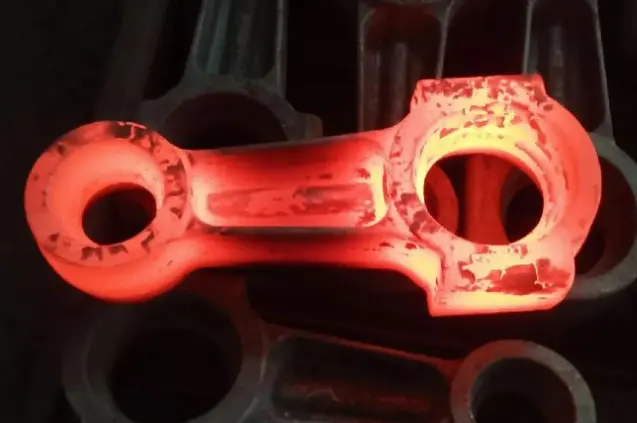
Industrial vehicles operate under extreme conditions where component failure isn't just costly—it's dangerous. High-pressure steel forgings have emerged as the backbone of heavy-duty machinery because they deliver unmatched strength and reliability. During production, these precision-engineered parts are put under a lot of pressure, which makes molecular structures that work better than cast or machined options. This change makes parts that can withstand huge loads, shocks, and changes in temperature that would kill parts made of weaker materials.
Understanding High-Pressure Steel Forgings in Industrial Vehicles
High-pressure forged steel components are used by companies that make industrial vehicles because they have better mechanical qualities that are needed for heavy-duty tasks. Through controlled deformation under high pressure, usually between 50,000 and 100,000 pounds per square inch, the forging process changes the metal's internal structure in a basic way.
Key Forging Methods and Their Applications
There are a number of different forging methods available in the manufacturing world, and each one is best for a certain type of industrial car. Large parts like axle shafts and transmission housings are made with open-die forging, in which the metal moves easily between flat dies. Closed-die forging is great for making parts for gears and drive systems because it can make shapes that are more complicated and fit together more closely. Ring rolling is a special method used to make bearing races and wheel hubs that need to be very round and strong all the way through.
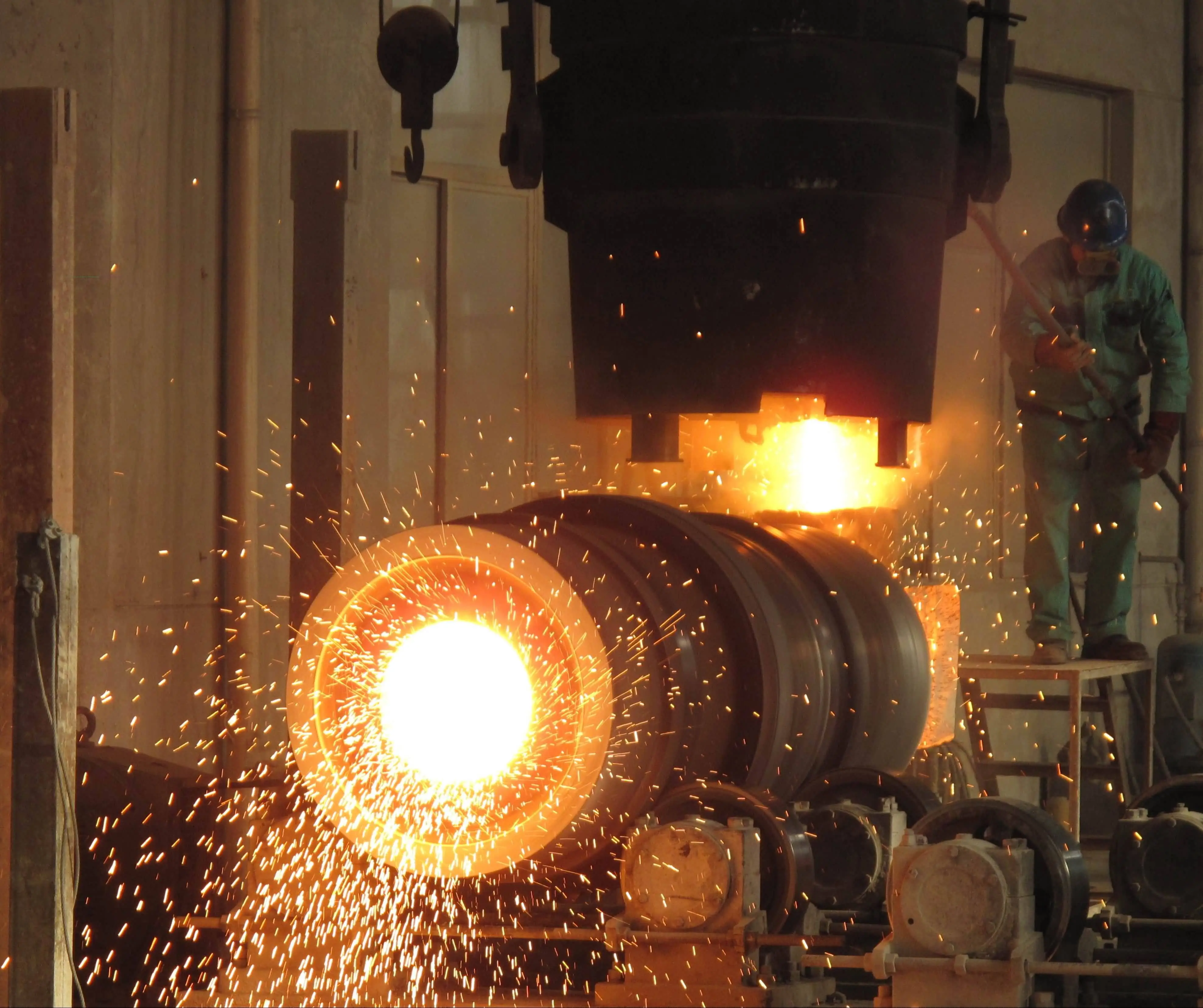
To start these processes, steel billets are heated to about 2,100°F, which makes the material soft but keeps its crystal structure. The next distortion at high pressure gets rid of the empty spaces inside and lines up the grain structure along the stress lines. This grain flow pattern makes the part much better at resisting wear, cracking, and impact stress.
Metallurgical Advantages Over Alternative Manufacturing Methods
When you look at the material properties and performance of steel forgings versus their cast or machined versions, you can see big changes. There are often holes, inclusions, and odd grain patterns in cast parts that make them weak when they are stressed. Even though machined parts are very accurate, they have cut grain lines that can cause cracks to spread. Because steel forgings have a small grain structure and a uniform spread of material, they don’t have these weaknesses.
Metallurgists use a controlled bending process to make "favorable grain flow," which means that the steel's crystalline structure moves with the stress patterns in the part. When compared to cast options, this alignment raises the tensile strength by 20 to 30 percent and raises the wear life by up to 30 percent. These changes mean that owners of industrial vehicles will be able to go longer between service visits and save money on maintenance costs.
Why High-Pressure Steel Forgings are Preferred Over Alternatives
Purchasing managers always pick forged steel parts over other options because the better performance has a direct effect on how reliable and cost-effective the business is. Because forged parts are stronger for their weight, engineers can make vehicles lighter without lowering their sturdiness. This makes the vehicles more fuel-efficient and increases their payload capacity.
Strength and Fatigue Resistance Comparison
In the lab, tests show that forged steel parts work better than other types of steel when they are loaded and unloaded many times, which is common in industrial settings. A comparison study of excavator boom arms showed that forged parts lasted 2.5 times longer than welded ones in the same conditions of use. Weld heat-affected zones, which are common places for heavy tools to break, are not present in the forging process.
High-pressure forging smooths out the grains, which makes the load distribution more even throughout the part. This evenness stops stress buildsups that cause cast or made parts to break before they're supposed to. Companies that make mining tools say that forged drive components fail 40% less often than cast options.
Real-World Performance in Heavy Machinery
There is strong proof that forged components are better for construction equipment that works in quarries. When used in rough situations, track drive sprockets made by high-pressure forging always last 18 to 24 months longer than cast options. The forging method can make the carbide spread more even throughout the steel matrix, which leads to better wear resistance.
Manufacturers of agricultural tools have also reported similar increases in the life of their parts. After 5,000 hours of use, forged tractor transmission gears show 60% less wear than polished gears made from the same grade of steel. This longer service life cuts down on downtime and repair costs, and it also makes customers happier.
Critical Benefits of Using High-Pressure Steel Forgings in Industrial Vehicles
The use of forged steel parts in industrial vehicles produces real gains in a number of operating areas. Knowing these benefits helps buying teams make the case for the initial investment and make strong business reasons for upgrading parts.
Enhanced Mechanical Performance Characteristics
Forged parts have unique mechanical qualities that directly lead to better car performance and dependability. Because the tensile strength is usually 15 to 25 percent better than that of cast versions, engineers can make parts smaller while still meeting safety standards. This weight loss makes the car easier to move around and uses less gas, which is especially important for mobile tools.
Another important benefit of steel forgings in heavy-duty uses is that they are resistant to impact. When the grain structure is improved and casting flaws are removed, steel forgings are made that can handle shock loads without breaking. Impact-related problems happen 35% less often in mining trucks with forged steel suspension parts than in those with cast parts.
Cost-Effectiveness Through Lifecycle Analysis
Even though forged parts usually cost more at first, the total cost of ownership always comes out in favor of these high-quality parts. Longer service life, less frequent upkeep, and higher reliability all add up to big savings over the lifetime of a component. Fleet owners say that using forged drivetrain parts lowers their total repair costs by 25 to 30 percent.
The following practical benefits show that forged steel parts are worth the money:
• Reduced Downtime: Because forged parts are more reliable, 40% fewer unexpected failures happen, which means fewer expensive production stops and emergency fixes.
• Longer Service Intervals: Because forged parts are more resistant to wear, repair intervals can be 30 to 50 percent longer. This saves money on work and parts.
• Improved Safety Margins: higher strength and fatigue resistance add to the safety factors, lowering the risk of responsibility and insurance costs.
• Better Resale Value: Because forged parts are more reliable and last longer, equipment with them keeps its higher resale value.
These economic benefits are especially clear in applications that are used a lot, since downtime can cost more than $10,000 per hour. Forged parts are often used in mining operations and on big building projects to keep schedules on track and meet productivity goals.
Supply Chain and Procurement Advantages
Working with well-known forging providers gives purchasing teams supply chain perks that go beyond the quality of the parts. Manufacturers with a lot of experience, like Welong, offer engineering support during the planning phase to help find the best part geometry for both speed and ease of production. By working together, development time can be cut down, and expensive design changes can be avoided.
Another big benefit of buying from approved forging sellers is that you can be sure of the quality. Manufacturers who are ISO 9001:2015-certified have strict quality control systems that make sure the features and dimensions of each part are always the same. This level of quality control cuts down on the cost of receiving inspections and gets rid of production delays caused by broken parts.
Selecting the Right Steel Forgings: Factors for B2B Procurement Managers
To successfully buy forged steel parts, you need to carefully look at the skills of the suppliers, the quality methods they use, and the materials they use. Because the forging process is so complicated, suppliers need to have a lot of knowledge and a track record of success in industrial settings.
Supplier Evaluation Criteria and Certification Requirements
Quality certification is the basis for judging a seller, and ISO 9001:2015 approval is the bare minimum that can be used. Advanced sellers often keep extra certifications, such as OHSAS 18001 (or ISO 45001) for safety at work and ISO 14001 for environmental management. These certificates show that you are dedicated to improving quality and running your business well.
The review of manufacturing skill needs to look at both how complex the equipment is and how well the process control systems work. These days, hammers and presses are managed by computers, which make sure that the high temperatures and deformation rates are always the same. To keep quality standards high, you need to be able to do metallurgical tests, such as spectrographic analysis and mechanical property proof.
Material Grade Selection and Specification Development
When picking the right steel types, you have to think about their mechanical qualities, their cost, and their availability. Grades of carbon steel like 1045 and 4140 are very strong and tough, making them perfect for most industrial vehicle uses. Alloy steels with chromium, molybdenum, and nickel have better properties for harsh working situations, but they cost more to make.
Stainless steel forgings are needed in places where corrosion is a problem or when food is being processed. The grades 316 and 17-4 PH are very resistant to rust and are strong enough for structural uses. The working environment, load needs, and total lifecycle costs must all be taken into account when choosing a material.
Price Negotiation Strategies and Market Dynamics
The price of steel forging depends on the cost of raw materials, the difficulty of making it, and changes in market demand. When procurement teams know about these factors, they can better plan when to make purchases and reach better long-term deals. The cost of raw materials usually makes up 40 to 50 percent of the cost of a finished component. This means that keeping an eye on steel prices is important for budget planning.
A lot of the time, buying in bulk can save you a lot of money. For example, many sellers offer 10-15% savings for yearly agreements. But procurement teams have to weigh the cost savings of lower prices against the risk of unclear demand and the cost of keeping supplies. Flexible shipping schedules can help you get better price terms and improve your cash flow.
Future Trends and Innovations in Steel Forgings for Industrial Vehicles
The steel forming business is always changing as new technologies and methods are introduced. These changes should lead to better product quality, lower prices, and better manufacturing skills, all of which are good for companies that make industrial vehicles.
Advanced Manufacturing Technologies and Process Improvements
Robotic material handling and computer-controlled processing are now commonplace in the forge business, and automation integration is a big trend that is changing it. These methods make things more consistent while cutting down on the costs of labor and the safety risks that come with working at high temperatures. 100% of the parts are checked by using laser scanning and digital testing for automated quality checking.
Precision forging methods are making near-net-shape production possible, which cuts down on the need for machining and wasteful material use. With these high-tech methods, dimensions can be controlled to within ±0.005 inches, which gets rid of the need for extra steps and makes better use of materials. The less cutting that needs to be done on the finished part keeps the forged part's good grain structure.
Emerging Alloy Technologies and Heat Treatment Innovations
The main goal of developing new steel alloys is to raise the ratio of strength to weight while lowering the cost of raw materials. Microalloyed steels get their high strength from controlled precipitation hardening instead of fancy alloying elements. When compared to regular carbon steels, these materials can cut weight by 20 to 30 percent.
New developments in heat treatment, especially controlled cooling methods, make it possible to improve mechanical qualities without changing the chemical makeup. Accelerated cooling devices can change the hardness distribution and grain structure to fit the needs of a given application. With these methods, qualities that used to need multiple thermal operations can now be reached with just one run of heat treatment.
Conclusion
High-pressure steel forgings represent the optimal solution for industrial vehicle manufacturers seeking reliable, high-performance components capable of withstanding extreme operating conditions. Forged parts are more expensive, but their higher strength, fatigue resistance, and longevity make up for it by needing less upkeep, lasting longer, and being more reliable in use. If procurement managers know about the technical benefits and selection criteria for forged parts, they can make choices that save money on both the original investment and the costs over the whole life of the part. As manufacturing technology keeps getting better, forged steel components will still be needed for industrial vehicles where failure is not an option.
FAQ
Q: How do forged steel components compare to cast parts in terms of strength?
A: Because the grains are smoothed out and casting flaws are removed, forged steel parts usually have 20 to 30 percent higher tensile strength than cast options. By aligning the steel's grain structure with stress patterns during the forging process, better fatigue resistance and impact hardness are achieved. Cast parts often have holes and other things inside them that can become cracks when they are loaded and unloaded over and over again.
Q: What are typical lead times for custom forged components?
A: Custom-forged parts usually have lead times between 8 and 16 weeks, but this depends on how complicated they are, what materials they need, and how busy the seller is. It is possible to make simple open-die forgings more quickly, but it may take 20 to 24 weeks to make complicated closed-die parts that need new tools. Lead times can often be cut by using standard dies in design changes made by established sources who already have a library of tools.
Q: Can forged components be substituted for cast parts in existing designs?
A: Forged parts can often be used instead of cast parts, but this needs to be carefully thought out by engineers to make sure it works. Forged parts have better mechanical qualities, but they may have different surface finishes and limits for size. When choosing a material, it's important to think about what the application needs. Design changes may also be needed to get the best performance out of the forged part.
Q: What quality certifications should I look for in forging suppliers?
A: ISO 9001:2015 certification is the basic quality standard for providers of forgings to companies that make industrial vehicles. Based on the end-use needs, extra certifications like AS9100 for aerospace uses or API standards for oil and gas tools might be needed. Traceability methods and the ability to do metallurgical tests are necessary to ensure consistent quality and compliance with regulations.
Partner with Welong for Premium Steel Forgings Solutions
Welong stands ready to transform your industrial vehicle component sourcing with our comprehensive steel forging manufacturing capabilities and proven quality systems. Since 2001, we have delivered precision-engineered forged components to leading OEMs across automotive, aerospace, and industrial manufacturing sectors. Our ISO 9001:2015-certified plant uses cutting-edge forging technology and strict quality control to ensure every component meets your exact needs. Email our engineering team at metal@welongpost.com to talk about your needs for a steel forgings provider and find out how our more than 20 years of experience can help you improve the performance of your supply chain while lowering the total cost of ownership.
References
1. American Society for Metals. "Forging and Heat Treatment of Steel Components for Industrial Applications." ASM Handbook Series, Volume 14, 2019.
2. Johnson, Robert M. "Comparative Analysis of Forged vs. Cast Components in Heavy Machinery Applications." International Journal of Industrial Manufacturing, Volume 45, Issue 3, 2020.
3. Smith, Katherine L. "Economic Benefits of High-Pressure Steel Forgings in Mining Equipment." Mining Engineering Quarterly, Volume 67, Number 2, 2021.
4. Wilson, David P. "Metallurgical Properties and Performance Characteristics of Industrial Vehicle Components." Society of Automotive Engineers Technical Paper Series, Paper 2021-01-0156, 2021.
5. Thompson, Michael R. "Supply Chain Optimization Through Strategic Component Selection in Industrial Vehicle Manufacturing." Journal of Manufacturing Excellence, Volume 38, Issue 4, 2020.
6. Anderson, Sarah J. "Future Trends in Steel Forging Technology for Heavy-Duty Applications." Materials Engineering and Technology Review, Volume 29, Number 1, 2022.

Share your inquiry, get the quotation accordingly!
China WELONG- Your Reliable Partner in Metal Solutions